
Choosing the right breast pad is a highly personal decision that depends on your daily routine, comfort preferences, and breastfeeding stage. Pigeon offers both disposable and reusable options designed to manage postpartum leakage, but each serves a distinct lifestyle. There is no single universal winner, as the ideal choice varies based on your individual leakage volume, daily schedule, and laundry capacity.
Disposable breast pads are highly suited for mothers who prioritize convenience, travel frequently, or experience heavy leakage. They require zero laundry and can be discarded immediately after use, making them a practical choice for busy days outside the home.
Reusable breast pads are an excellent fit for those who prefer eco-friendly routines, want to minimize household waste, and seek long-term cost savings. Made of washable fabric, they offer a softer feel against sensitive skin and integrate easily into a regular household washing routine.
Products mentioned in this guide
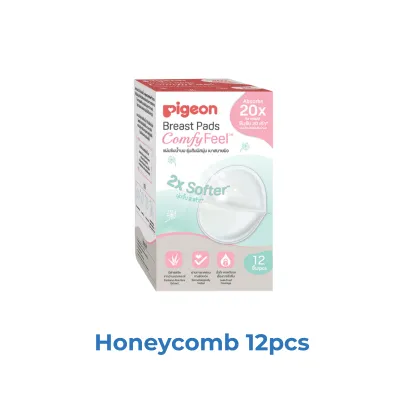
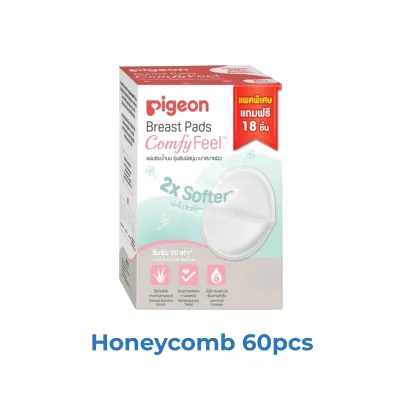
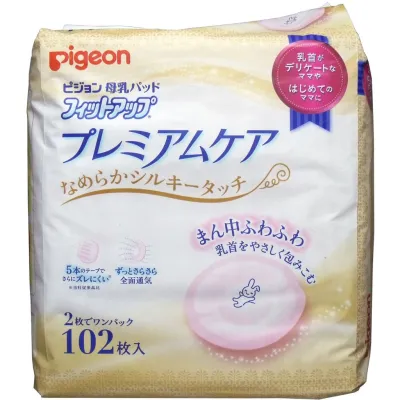
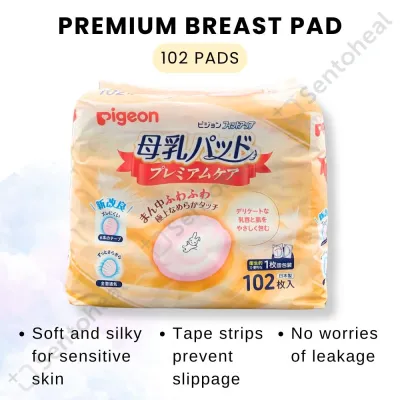
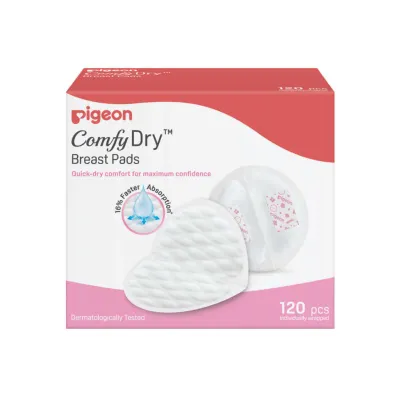
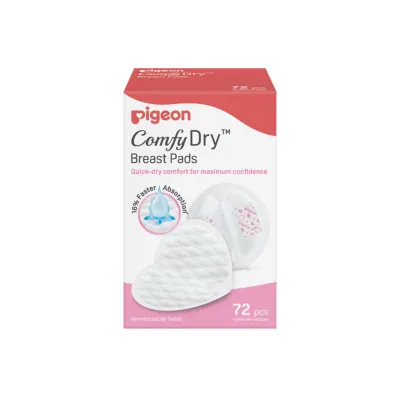
Prices are valid at publication and may change. Please refer to the product page for the latest price.
Key Differences Between Pigeon Disposable and Reusable Options
Understanding the physical and functional attributes of each pad type helps you select the option that best matches your daily physical comfort.
Material and Skin Feel
Disposable breast pads typically feature synthetic outer layers, a highly absorbent pulp or polymer core, and a soft lining designed to draw moisture away from the skin. This multi-layer construction is engineered to keep the surface dry even during sudden let-downs. In contrast, reusable breast pads are constructed from fabric layers, such as cotton or bamboo blends, which provide a natural, breathable feel against the skin. Because material compositions can vary, it is always advisable to check the product packaging for specific fabric details to ensure compatibility with your skin.
Absorption and Leak Protection
The absorption mechanism differs significantly between the two formats. Disposables utilize superabsorbent polymers that lock liquid into a gel, which helps prevent wetness from transferring back onto your skin or clothing. Reusable pads rely on the natural absorbing capacity of their fabric layers, often backed by a laminated leak-proof barrier. When purchasing reusable options, you should verify the product label to confirm the presence of a reliable water-resistant backing to prevent outer garment staining.
Fit and Discretion
How a breast pad sits under your clothing affects both your comfort and confidence. Disposable pads are generally very thin, contoured, and equipped with adhesive strips that secure them firmly inside a standard nursing bra. This adhesive backing prevents the pad from shifting during movement. Reusable pads are often slightly thicker due to their fabric layers and may not feature adhesive backings, relying instead on the snug fit of your nursing bra to stay in place. While modern reusable designs are contoured to minimize visibility, some mothers find that disposables offer a slightly more seamless profile under tight or thin clothing.
Matching Breast Pads to Your Lifestyle and Feeding Needs
Your daily habits, feeding environment, and physical comfort should guide your final selection.

When to Choose Disposable Pads
Disposable options are highly practical if you are frequently on the go, traveling, or returning to a workplace where washing and storing wet fabric pads is inconvenient. They are also beneficial during the early weeks of breastfeeding when milk supply is still regulating and let-downs can be sudden and heavy. If your daily schedule leaves little room for extra chores, the ability to simply toss away a used pad and replace it with a fresh, individually wrapped one can significantly reduce daily stress.
When to Choose Reusable Pads
Reusable pads are ideal if you spend a significant amount of time at home and have a consistent, manageable laundry routine. They are a satisfying choice for families looking to reduce their environmental footprint by minimizing single-use plastics and paper waste. Additionally, if you have highly sensitive skin that reacts to synthetic materials or adhesive backings, the gentle, natural fibers of washable fabric pads often provide a more comfortable, irritation-free experience.
When Neither Option May Fit
It is important to recognize that breast pads are meant for managing normal lactation leakage, not for managing underlying medical issues. If you are experiencing an active skin infection, severe nipple cracking, bleeding, or unexplained breast pain, continuing to use breast pads without medical guidance can worsen the condition. In these situations, you should stop using breast pads immediately and consult a lactation consultant or a healthcare professional for a proper assessment and treatment plan.
Cost and Value Considerations for Singapore Mothers
Evaluating the financial impact of your choice involves looking beyond the initial purchase price to understand long-term value.
Initial Investment vs. Ongoing Costs
Disposable breast pads require a low upfront investment, as a single box is relatively inexpensive. However, because they are single-use, these costs accumulate continuously over your breastfeeding journey. Reusable breast pads require a higher initial purchase price for a multi-pack, but they can be washed and reused dozens of times, eventually leading to substantial long-term savings.
Calculating Your Personal Break-Even
To estimate which option is more economical for you, consider your daily usage patterns. If you experience light leakage and only need to change pads twice a day, a box of disposables will last a long time, making the convenience highly cost-effective. Conversely, if you have heavy leakage and change pads five or six times a day to maintain hygiene, the ongoing cost of disposables rises quickly. In this scenario, transitioning to a set of reusables can pay for itself within a few weeks.
Where to Verify Current Pricing
Because retail prices, promotions, and bundle deals fluctuate, you should verify current S$ pricing directly through official channels. Check official brand stores, authorized pharmacies, or major online marketplaces in Singapore to compare current costs. Looking out for bulk packages or subscription options on these platforms can also help you secure the best value for your chosen pad type.
Care, Hygiene, and When to Stop Using
Proper hygiene is critical when using any breast pad, as warm, moist environments can encourage bacterial and fungal growth.
Reusable Pad Care
To maintain the integrity and hygiene of reusable pads, you must follow the manufacturer’s specific care label instructions. Generally, this involves washing them in warm water with a mild, fragrance-free detergent to avoid irritating your baby’s sensitive nose and mouth. Ensure the pads are completely dry before storing them in a clean, dust-free container, as damp fabric can harbor mold and mildew.
Disposable Pad Usage
Even though disposable pads are designed to lock away moisture, they must be changed frequently throughout the day. Leaving a damp pad against your skin for extended periods can lead to skin maceration, where the skin becomes soft, wet, and easily damaged. Frequent changes help maintain a dry, healthy skin barrier and reduce the risk of bacterial accumulation.
Skin Checks and Stopping Conditions
Regularly inspect your skin for any signs of irritation, redness, itching, or unusual tenderness. If you notice persistent skin changes or suspect an allergic reaction to the adhesive or synthetic materials in disposable pads, discontinue use immediately. Switching to a different material or consulting a healthcare professional can help you address the issue before it develops into a more severe skin condition.
Frequently Asked Questions (FAQ)
Can I use Pigeon reusable breast pads overnight?
Reusable breast pads can be used overnight, but their suitability depends on your nighttime leakage volume. Because fabric pads have a finite absorption capacity, heavy overnight let-downs may saturate the material, leading to leaks or prolonged skin contact with moisture. If you choose to wear them to sleep, consider checking the manufacturer’s guidelines for overnight use or keeping a fresh pair nearby for a quick middle-of-the-night change.
Do Pigeon disposable breast pads have an expiration date?
Disposable breast pads generally do not have a strict expiration date like food, but their materials can degrade over time if stored improperly. You can typically find batch codes or manufacturing dates printed on the outer packaging. To maintain the integrity of the adhesive backing and the absorbent core, store unused pads in a cool, dry place away from direct sunlight and high humidity.
How do I know if my breast pads are causing a yeast infection?
Breast pads themselves do not cause yeast infections, but the warm, damp environment they can create if not changed frequently can encourage the growth of Candida albicans, the fungus responsible for thrush. Common symptoms of thrush include burning, itchy, or flaky nipples, deep shooting breast pain during or after feeding, and shiny or red skin on the areola. If you observe these symptoms, you should consult a doctor for an accurate diagnosis and treatment plan rather than self-diagnosing.

Community discussion
Share your experience or ask a question. Comments are reviewed before publication.