
Choosing the right baby bottle cleanser requires balancing the chemical properties of the detergent with the physical characteristics of your bottle materials. Pigeon dishwashing liquid, a widely available option, is formulated primarily with plant-derived surfactants designed to break down stubborn milk fats without leaving harsh chemical residues. When compared to other baby bottle cleaners, its performance varies depending on whether you are washing glass, polyphenylsulfone (PPSU), or silicone bottles. While glass is highly forgiving and rinses clean easily, PPSU and silicone present unique challenges, such as susceptibility to micro-scratches and odor absorption, which require careful evaluation of a cleanser’s rinsing profile and surfactant strength.
To make an informed choice, caregivers must look beyond brand names and examine how specific formulation traits—such as foaming levels, surfactant sources, and fragrance additives—interact with each material. This guide provides a structured framework to help you evaluate Pigeon dishwashing liquid against alternative baby-safe cleansers, matching the right cleaning properties to your specific bottle inventory.
Understanding Baby Bottle Materials and Cleaning Needs
Every bottle material reacts differently to milk residues, water minerals, and cleaning agents. Glass remains a popular choice for many parents due to its high heat tolerance and non-porous surface. Because glass does not absorb organic compounds, it is highly resistant to lingering odors and chemical absorption. However, its smooth surface easily highlights milk fat buildup and unsightly water spots if the detergent is not rinsed away completely. Hard water minerals can bind with soap residues on glass, leaving a cloudy film that requires a highly soluble, clean-rinsing formula to prevent.
Products mentioned in this guide
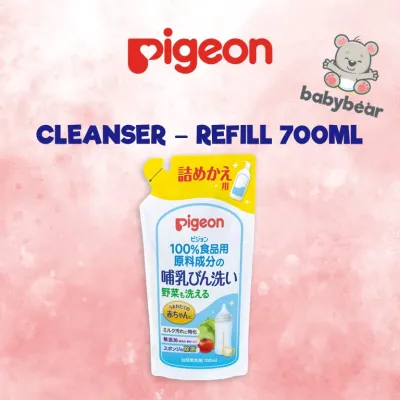
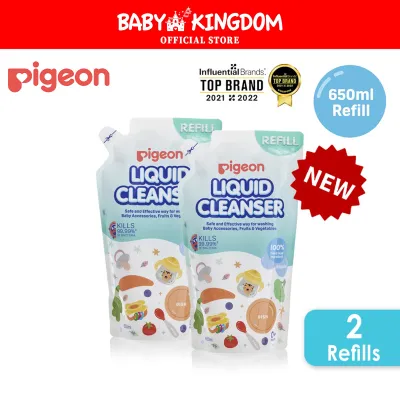
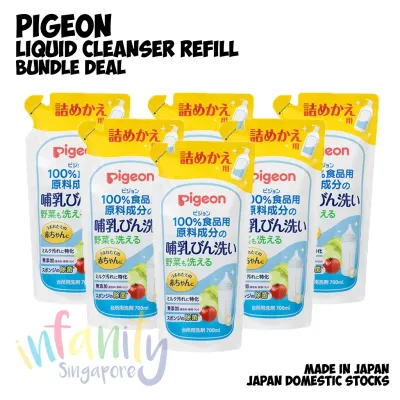
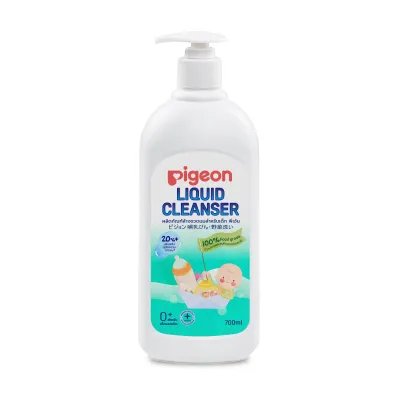
![Pigeon Japanese Liquid Cleanser 800ml[PRE-ORDER]](https://img.lazcdn.com/g/p/ba7372320ef2b75498b3c14376de3e7c.jpg_400x400q80.jpg_.webp)
Prices are valid at publication and may change. Please refer to the product page for the latest price.
Polyphenylsulfone, commonly known as PPSU, is a medical-grade plastic valued for its durability, lightweight nature, and high heat resistance. Despite its robust thermal properties, PPSU is physically softer than glass, making it highly susceptible to micro-scratching if subjected to abrasive cleaning tools or harsh chemical agents. Over time, these microscopic scratches can harbor milk proteins and bacteria, leading to premature cloudiness and surface degradation. Cleaning PPSU requires a mild, non-abrasive liquid cleanser that can lift oils gently without requiring aggressive scrubbing.
Silicone is widely used for bottle nipples, transitional cups, and flexible bottle bodies due to its pliability and heat resistance. However, silicone is a highly porous elastomer, which makes it particularly prone to absorbing volatile organic compounds, including milk fats and synthetic fragrances. If a detergent lacks sufficient degreasing power, a greasy film of oxidized milk fat can remain bonded to the silicone surface. Conversely, if the detergent contains strong synthetic fragrances, the silicone may absorb these chemicals, transferring an artificial soapy taste to subsequent feeds. Cleaning silicone successfully demands a highly effective degreasing agent that rinses away completely without leaving scented residues.
Evaluating Pigeon Dishwashing Liquid for Bottle Care
Evaluating how Pigeon dishwashing liquid performs on your bottle collection starts with a close inspection of its ingredient list and physical behavior during use. The formulation typically relies on plant-based surfactants, such as those derived from coconut and palm, which are chosen for their ability to emulsify milk fats while remaining gentle on skin and surfaces. When inspecting the label, verify that the product is free from harsh synthetic colorants and heavy industrial fragrances. A clean ingredient profile minimizes the risk of chemical residues remaining on the feeding equipment after rinsing.

During actual use, observe how the liquid behaves when applied to different materials. When washing PPSU and silicone, pay close attention to the rinsing phase. A high-quality baby cleanser should disperse rapidly in water, leaving no slippery or tacky film on the plastic or elastomer surfaces. If you notice a persistent film or a sweet, artificial scent lingering on silicone nipples after multiple rinses, it indicates that the surfactant concentration or the fragrance additives are binding too strongly to the porous material, suggesting a need to adjust your dilution ratio or switch to an unscented alternative.
Caregivers should also verify manufacturer claims regarding food-grade safety and antibacterial properties by reading the specific usage instructions on the packaging. Many formulations are marketed as multi-purpose cleansers suitable for both bottles and fresh produce. If a cleanser is labeled as safe for washing fruits and vegetables, it generally indicates a lower toxicity profile and highly biodegradable surfactants. However, antibacterial claims often require specific contact times to be effective; check the label to see if these properties apply to a quick wash or require a prolonged soak, and ensure you follow these guidelines to avoid unnecessary chemical exposure.
Comparing Alternative Baby-Safe Dishwashing Brands
When comparing Pigeon with alternative baby-safe dishwashing liquids available on the market, the primary point of comparison is the surfactant source. While conventional household dish soaps often rely on petroleum-derived surfactants for intense grease-cutting power, baby-specific brands generally opt for plant-derived alternatives like alkyl polyglucosides. These plant-based surfactants are typically milder on skin and degrade more readily, reducing the likelihood of chemical buildup on porous silicone parts. However, they may require slightly warmer water to achieve the same degreasing efficiency as petroleum-based formulas.
Viscosity and foaming characteristics also play a significant role in cleaning efficiency, particularly inside narrow-neck PPSU bottles. High-foaming detergents create a thick lather that can make it difficult to see inside the bottle during cleaning, potentially leading to missed milk deposits near the collar or base. Furthermore, high-foam formulas require significantly more water to rinse away completely, which can be inefficient. Low-foam formulas, often preferred in modern baby cleansers, allow for clearer visibility during scrubbing and rinse away rapidly, saving water and reducing the risk of soap retention in hard-to-reach crevices.
Fragrance and dye formulations represent another critical point of differentiation. Many baby cleansers are marketed as natural or mild but still contain botanical extracts or essential oils to mask the base scent of the surfactants. While these natural fragrances may seem appealing, they can still be absorbed by silicone components. Truly unscented options, which contain no added perfumes or masking agents, are generally preferred for silicone nipples and bottles to prevent odor transfer. When comparing brands at local baby specialty stores or online marketplaces, check whether the unscented label refers to a complete absence of fragrance chemicals or merely a neutral scent profile achieved through masking agents.
Material-Specific Cleaning Match: Which Cleaner Fits Best?
To help you navigate these choices, a conditional decision framework can match specific cleanser characteristics to your primary bottle materials. If your bottle inventory consists primarily of silicone, your main challenges are grease retention and odor absorption. For these materials, prioritize a cleanser with high degreasing power derived from plant-based surfactants, combined with a completely fragrance-free formulation. This combination ensures that milk fats are thoroughly emulsified and washed away without leaving behind synthetic scents that can contaminate the milk.
For households relying heavily on PPSU bottles, the priority shifts to maintaining material clarity and preventing surface degradation. PPSU requires a mild, low-residue, and low-foaming cleanser. Because PPSU is prone to micro-scratching, the cleanser must work effectively with soft sponge brushes rather than stiff nylon bristles. A low-foaming formula allows you to inspect the bottle walls easily during washing, ensuring that no stubborn milk film remains to cloud the plastic over time.
If glass bottles form the backbone of your feeding routine, you have the greatest flexibility in cleanser choice. Since glass is non-porous and highly durable, standard baby-safe cleansers or even mild, unscented household dishwashing liquids are highly effective. The primary goal for glass is achieving a streak-free, residue-free rinse. A cleanser with excellent water solubility will prevent mineral spots and soap films from drying onto the glass surface, maintaining a crystal-clear appearance with minimal rinsing effort.
| Bottle Material | Primary Vulnerability | Key Cleanser Requirement | Recommended Formulation Trait |
|---|---|---|---|
| Glass | Milk fat buildup, water spots | High solubility, streak-free rinsing | Clean-rinsing, standard baby-safe or mild household formula |
| PPSU | Micro-scratching, cloudiness | Mildness, low-residue, low-foam | Non-abrasive, plant-based surfactants, easy-rinse profile |
| Silicone | Odor absorption, greasy films | High degreasing power, fragrance-free | Unscented, high-emulsification plant-derived surfactants |
How to Verify Cleaner Safety and Effectiveness at Home
You do not need a laboratory to verify whether your chosen bottle cleanser is performing safely and effectively; several simple, observable checks can be performed right at your kitchen sink. The water break test is an excellent way to check for residual grease or soap films on glass and PPSU bottles. After rinsing the bottle thoroughly under running water, hold it up and observe how the water drains off the inner surface. If the water sheets off evenly, leaving a continuous, clear film, the surface is clean. If the water beads up or forms dry patches, a greasy residue or soap film is still present, indicating that the detergent did not fully emulsify the milk fats or did not rinse away completely.
An odor check is another reliable method, particularly for silicone nipples and bottle parts. After washing, rinsing, and allowing the components to air dry completely in a well-ventilated drying rack, take a close sniff of the silicone. If you detect a sour milk smell, the cleanser’s degreasing action was insufficient to remove the embedded milk lipids. If you smell a strong floral or soapy perfume, the silicone has absorbed the detergent’s fragrance chemicals. A successful wash should leave the dry silicone completely neutral and odorless.
Caregivers must also remain vigilant for physical signs that indicate it is time to change products or seek professional advice. If you notice your PPSU bottles becoming permanently cloudy, sticky to the touch, or showing fine cracks despite using a mild cleanser, the material may have reached the end of its usable lifespan and should be replaced. Furthermore, if your infant exhibits signs of skin irritation around the mouth, unexplained fussiness during feeding, or if you suspect a reaction to chemical residues, stop using the current detergent immediately. Wash the bottles thoroughly with hot water alone as a temporary measure, and consult a pediatrician or qualified healthcare professional to rule out dermatological sensitivities or allergies.
Frequently Asked Questions (FAQ)
Can I use regular dish soap instead of a dedicated baby bottle cleaner?
Regular household dish soaps can be used under certain conditions, but they present distinct risks compared to dedicated baby bottle cleansers. Standard dish soaps are formulated to tackle heavy grease from adult meals and often contain highly concentrated synthetic surfactants, strong artificial fragrances, and artificial dyes. These ingredients can leave a persistent chemical residue on porous materials like silicone nipples and can be difficult to rinse completely from narrow-neck bottles. If you must use a regular dish soap, opt for a mild, dye-free, and completely unscented formula, and ensure you rinse the bottles with extra care using warm water to minimize any potential residue.
Why do my silicone bottles still smell like milk after washing?
Silicone is an elastomer with a porous microscopic structure that naturally attracts and holds onto hydrophobic substances like milk lipids. If your silicone bottles or nipples retain a persistent milk odor, it usually means the milk fats have penetrated the surface layers and have not been fully emulsified by your detergent. To resolve this, ensure you are using a cleanser with strong, plant-derived degreasing properties and wash the bottles in warm water, which helps to melt and release the trapped fats. Avoid using abrasive brushes that can damage the silicone, and ensure the parts are dried in a highly ventilated area to prevent moisture from trapping odors.

Community discussion
Share your experience or ask a question. Comments are reviewed before publication.