
Pigeon cotton balls are a staple in many nursery setups, but determining if they are truly suitable for your baby’s sensitive skin requires looking closely at the product’s material composition and safety features. While the brand is highly visible in Singapore, parents should not rely solely on brand reputation. Instead, evaluating the physical properties, packaging disclosures, and proper usage techniques is essential to protect a newborn’s delicate skin barrier.
In Singapore’s warm and humid climate, infants are particularly prone to skin issues like heat rash, eczema, and diaper irritation. The constant moisture and sweat can weaken the skin barrier, making it highly sensitive to friction and chemical additives. Using high-quality, pure cotton balls for daily cleaning can help manage these issues, provided you know how to select, verify, and apply them safely. This guide provides a practical framework for assessing cotton balls directly from the packaging and using them in your daily baby care routine.
Understanding Material Claims on the Packaging
When evaluating Pigeon cotton balls, the first step is to carefully read the material specifications printed on the packaging. Look for explicit statements confirming the product is made from 100% pure cotton. Pure cotton fibers are naturally soft, highly absorbent, and hypoallergenic, making them ideal for wiping delicate skin. In contrast, some generic cotton products may contain synthetic fiber blends, such as polyester or rayon, which can feel rougher against a baby’s skin and do not absorb liquids as effectively, potentially leading to unnecessary friction during cleaning.
Products mentioned in this guide
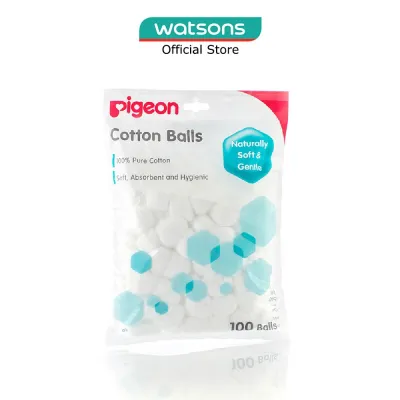
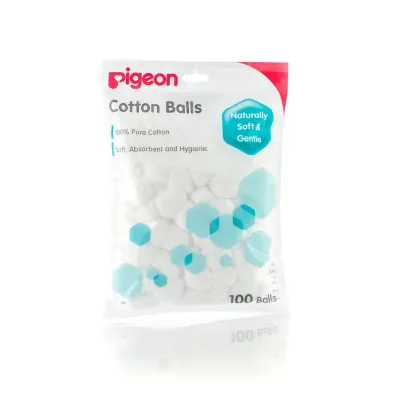
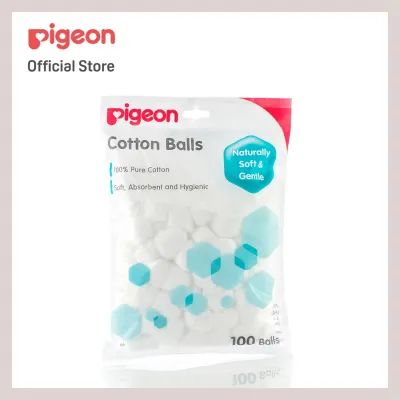
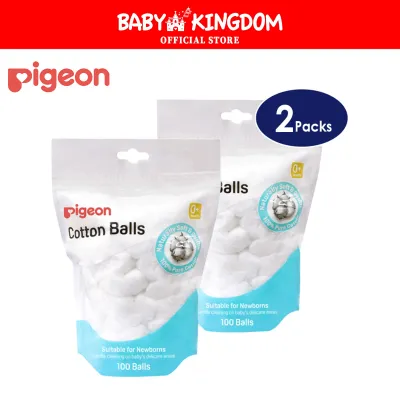
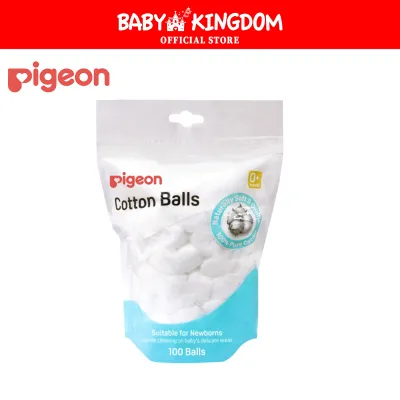
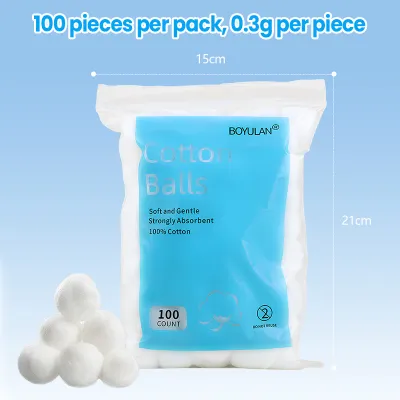
Prices are valid at publication and may change. Please refer to the product page for the latest price.
Beyond the fiber type, it is important to check how the cotton was processed and bleached. Raw cotton undergoes a whitening process during manufacturing, and parents should look for labels indicating “chlorine-free bleaching” or “oxygen-bleached” methods. Chlorine bleaching can sometimes leave trace chemical residues that might irritate sensitive skin. Additionally, check the label for any mention of natural color variations; high-quality, minimally processed cotton may occasionally feature tiny, dark specks, which are harmless remnants of the cotton seed hull and indicate that the fibers have not been subjected to harsh chemical stripping.
Another critical factor is the presence of added substances. Some cotton balls are treated with artificial fragrances, soothing lotions, or chemical softeners to enhance their appeal or texture. However, for a baby’s sensitive skin, these additives are potential allergens that can trigger contact dermatitis or worsen existing eczema. The safest option is always a plain, untreated cotton ball. By verifying that the packaging lists only pure cotton without any added perfumes or chemical coatings, you can significantly reduce the risk of skin reactions.
Evaluating Hygiene and Safety Markers
Hygiene is a primary concern when choosing grooming tools for an infant, especially during the first few months of life when their immune system is still developing. While standard retail cotton balls are generally not sterile unless explicitly marked for medical use, they should still meet high hygiene standards. Look for packaging claims indicating that the cotton balls were produced in a sanitized or clean-room environment. These manufacturing standards help ensure that the product is free from harmful microbial contamination before it reaches your home.

Another key safety marker to look for is the absence of fluorescent whitening agents (FWAs) or optical brighteners. These chemicals are frequently used in paper and textile manufacturing to make products appear brighter and whiter under light. However, FWAs can easily transfer from the cotton fibers to your baby’s damp skin, where they may cause irritation, redness, or allergic reactions under the tropical sun. Checking the packaging for a “no fluorescent agents” or “FWA-free” label is an important step in verifying the safety of the product.
Finally, always perform a physical inspection of the packaging before purchasing or opening the product. Ensure that the outer plastic bag or container is completely sealed, with no visible tears, punctures, or broken heat seals. In Singapore’s humid climate, any opening in the packaging can allow moisture, dust, and airborne mold spores to penetrate the cotton, creating an unsanitary environment. If you notice any damage to the seal, or if the resealable zip lock does not close securely, it is best to discard the pack or use it for non-baby purposes to avoid exposing your infant’s skin to contaminants.
Safe Application and Skin Monitoring
To ensure the safe application of cotton balls on your baby’s skin, proper preparation and hygiene are essential. Always wash your hands thoroughly with soap and water before handling the cotton. When dampening the cotton ball, use water that has been boiled and allowed to cool to room temperature, or a sterile saline solution recommended by your pediatrician. Avoid dipping the cotton ball directly into a shared bowl of water, as this can introduce bacteria into the water supply; instead, pour a small amount of water directly onto the cotton ball over a sink or changing table.
When wiping your baby’s skin, use gentle, single-direction strokes rather than scrubbing back and forth. Scrubbing creates friction, which can easily compromise the thin, delicate outer layer of an infant’s skin, leading to chafing and redness. For sensitive areas like the diaper region, neck folds, or behind the ears, gently pat the skin dry with a fresh, dry cotton ball after cleaning. Leaving the skin damp in these areas can trap moisture, which, combined with body heat, creates an ideal environment for diaper rash or fungal infections to develop.
Continuous skin monitoring is vital whenever you introduce a new grooming product or technique. After using the cotton balls, observe the wiped areas for any signs of localized irritation, such as persistent redness, dry or flaky patches, tiny raised bumps, or signs of discomfort when the skin is touched. Even with high-quality, pure cotton, individual babies can have unique sensitivities, or the physical action of wiping may be too stimulating for extremely delicate skin barriers.
If you observe any signs of skin irritation, swelling, or raw patches, discontinue using the cotton balls immediately. Switch to using clean, warm water applied gently with your bare, washed hands, and pat the skin dry with a clean, soft muslin cloth. If the redness does not improve within a couple of days, or if you notice signs of infection such as oozing, pus, or increased warmth in the area, consult a pediatrician or healthcare professional promptly to receive an accurate diagnosis and appropriate treatment.
Comparing Cotton Balls with Alternative Grooming Tools
Deciding whether to use cotton balls, cotton pads, or pre-moistened baby wipes depends on the specific cleaning task, convenience, and your baby’s skin sensitivity. Cotton balls are highly absorbent and hold a significant amount of liquid, making them excellent for gently dabbing water onto delicate areas like the face, outer ears, and skin folds. However, because of their loose fiber structure, cotton balls can sometimes shed fine lint, which may stick to wet skin or healing areas, requiring careful removal.
Dry cotton pads or large cotton sheets offer a flatter, more structured alternative. They tend to shed less lint than cotton balls and cover a larger surface area, which can make diaper changes quicker and more efficient. Pre-moistened baby wipes, on the other hand, offer unmatched convenience, especially when traveling or away from home. However, even wipes labeled as “99% water” or “sensitive” must contain mild preservatives and surfactants to prevent bacterial growth and keep the wipes moist on the shelf. For newborns or babies with active eczema flare-ups, these ingredients can sometimes trigger irritation, making pure cotton dampened with plain water the gentler choice.
Storage and environmental impact are also worth considering when planning your daily routine. Dry cotton products must be stored in a tightly sealed container to protect them from humidity, whereas pre-moistened wipes come in self-contained plastic packs but can dry out if the lid is left open. From an environmental perspective, pure cotton balls and pads are biodegradable, but their overall footprint depends on sourcing and manufacturing practices. Many conventional baby wipes contain synthetic plastic fibers that do not break down easily, making dry cotton a more environmentally conscious choice for daily home use.
Frequently Asked Questions (FAQ)
Can I use Pigeon cotton balls to clean my baby's eyes and umbilical cord?
Standard retail cotton balls, including those from Pigeon, are typically sanitized but not sterile. For cleaning a newborn’s eyes, check the product packaging to see if the manufacturer explicitly states they are suitable for ophthalmic use. When cleaning the eyes, always wipe from the inner corner outward using a fresh, damp cotton ball for each eye to prevent cross-contamination. For the umbilical cord stump, which is an open wound highly susceptible to infection, medical professionals generally recommend using sterile gauze pads rather than standard cotton balls, as cotton fibers can shed and stick to the drying stump. Always consult your pediatrician or midwife for specific cleaning protocols for these highly sensitive areas.
How should I store cotton balls to maintain their hygiene?
To keep your baby’s cotton balls clean and free from environmental contaminants, always store them in their original packaging and ensure the zip lock or seal is tightly closed after every use. Store the package in a cool, dry cupboard or drawer, away from direct sunlight, heat sources, and high-humidity areas like the bathroom. Avoid transferring the cotton balls to open decorative jars or non-sterile containers on the changing table; while these containers may look appealing, they expose the cotton to airborne dust, pet dander, and moisture, which can compromise their hygiene and irritate your baby’s skin.

Community discussion
Share your experience or ask a question. Comments are reviewed before publication.