
Parents in Singapore navigating baby care products often compare Pigeon bottle wash to other popular cleansers. Pigeon is a household name, widely recognized for its accessibility and specialized feeding accessories. When evaluating how it stacks up against alternatives, the decision typically hinges on ingredient safety, cleaning performance against stubborn milk fats, ease of rinsing, and overall cost-efficiency. While some parents prioritize premium organic formulations, others seek a balance between reliable performance and everyday affordability. Understanding these distinctions helps you select a cleanser that aligns with your household budget and feeding setup.
Key Factors When Comparing Baby Bottle Cleansers
Selecting a dedicated cleanser for baby feeding equipment requires looking beyond standard dishwashing criteria. The primary factor is ingredient safety and transparency. Infant immune and digestive systems are highly sensitive to chemical residues. Parents should examine labels to distinguish between plant-based surfactants, typically derived from coconut or corn, and synthetic surfactants that may carry harsher chemical profiles. Transparency in labeling allows you to verify exactly what contacts the surfaces your baby mouths daily.
Another critical consideration is cleaning efficacy, particularly how well a formula breaks down stubborn milk fat and protein residues. Breast milk and infant formula contain complex lipids and proteins that cling tightly to bottle walls, especially in Singapore’s warm, humid climate where residue can spoil quickly. A high-quality cleanser must emulsify these fats efficiently without requiring abrasive scrubbing that could scratch delicate bottle surfaces.
Products mentioned in this guide
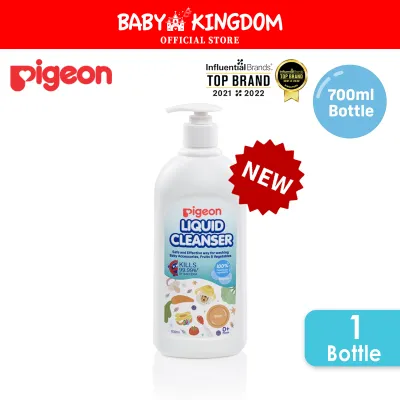
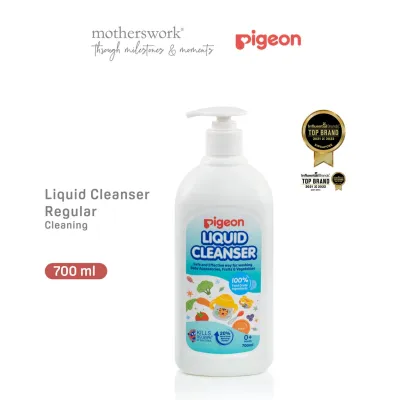
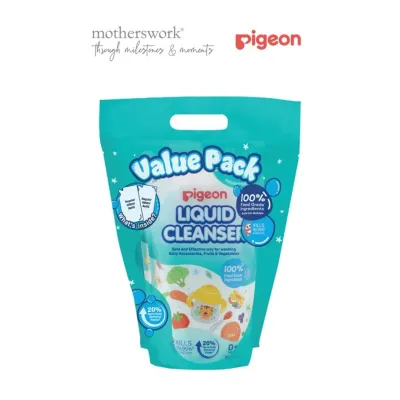
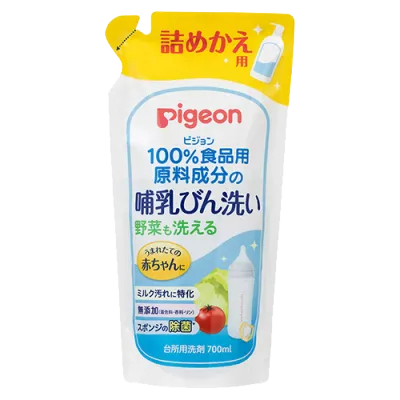
Prices are valid at publication and may change. Please refer to the product page for the latest price.
Ease of rinsing is equally vital to prevent a soapy aftertaste or chemical film. If a cleanser does not rinse away cleanly, it can affect the taste of subsequent feeds, potentially causing a baby to reject the bottle. This factor is closely tied to the cleanser’s formulation; some standard soaps rely on heavy foaming agents that require excessive water to wash away completely, whereas specialized baby washes are often engineered for rapid, clean rinsing.
Finally, compatibility with different bottle materials must be evaluated. Singaporean parents utilize a variety of bottle types, including traditional glass, lightweight PPSU (polyphenylsulfone), and flexible silicone. The chosen cleanser must be gentle enough not to degrade these materials over repeated daily washes, ensuring that the structural integrity of the bottles and teats remains uncompromised over months of sterilization and cleaning cycles.
Profile of Pigeon Bottle Wash
Pigeon bottle wash is formulated specifically to address the unique cleaning challenges of infant feeding gear. Its typical ingredient profile centers on food-grade, plant-derived components, which are selected to minimize chemical exposure while maintaining effective cleaning power. By utilizing surfactants derived from natural sources, the formula aims to provide peace of mind to parents who are cautious about synthetic additives. This food-grade classification is a key selling point, suggesting that even if microscopic traces remain after rinsing, they do not pose the same risks as conventional household detergents.

The intended use cases for this wash extend beyond baby bottles to include pacifiers, breast pump components, weaning toys, and even fresh fruits or vegetables. To achieve the best results, the manufacturer recommends specific application methods, which often involve diluting a small amount of the liquid in water rather than applying it directly to a sponge. This dilution method helps distribute the cleanser evenly and ensures that a single bottle of concentrate lasts longer.
Common user feedback in Singapore highlights several consistent themes regarding the product’s sensory attributes. Many parents note that the wash features a very mild, non-lingering scent or is entirely fragrance-free, which helps prevent any sensory aversion during feeding. The lather is typically described as moderate—sufficient to feel like it is actively cleaning, yet light enough to rinse away quickly without leaving a slippery film on the hands or the bottle.
To maximize safety and efficacy, caregivers must follow the manufacturer’s instructions regarding dilution ratios and rinsing times. Thorough rinsing under running water is always recommended, regardless of how safe the ingredients are. Properly adhering to these guidelines ensures that the cleanser performs as intended, leaving bottles completely clean and ready for the next sterilization cycle.
How Pigeon Compares to Other Cleanser Categories
To understand where Pigeon fits in the local market, it is helpful to contrast it with the two primary alternative categories available to Singaporean parents. These consist of premium plant-based cleansers, which often carry organic certifications, and standard budget cleansers, which are widely available in local supermarkets. Evaluating Pigeon against these distinct categories allows you to weigh the trade-offs in ingredient sourcing, concentration, and overall value.
Pigeon vs. Other Premium Plant-Based Cleansers
When compared to premium plant-based cleansers, Pigeon often occupies a middle ground in terms of formulation and price. Premium alternatives frequently emphasize highly concentrated formulas, meaning you need a very small amount per wash cycle. Parents should compare the recommended dilution ratios on the packaging; a premium brand might require fewer drops per liter of water, which can offset a higher initial purchase price over several months of use.
Scent profiles also differ in this category. While Pigeon focuses on a highly neutral or extremely mild scent, some premium organic brands incorporate natural essential oils, such as lavender or citrus, to provide a pleasant washing experience. However, parents of newborns or babies with sensitive airways often prefer the fragrance-free approach of standard baby washes to minimize any potential triggers for skin or respiratory sensitivities.
Additionally, premium cleansers often showcase specific organic or safety certifications from international bodies. Because these certifications are dynamic and subject to change, parents should verify these claims directly on the product labels. Checking for recognized seals can help you confirm whether a competitor’s higher price point is justified by third-party verified organic ingredients, or if Pigeon’s food-grade formulation offers comparable peace of mind at a more accessible level.
Pigeon vs. Standard Supermarket Cleansers
Contrasting Pigeon with standard supermarket dish soaps reveals significant trade-offs between upfront cost and ingredient transparency. Conventional dishwashing liquids are designed to tackle heavy grease on adult cookware and often contain strong synthetic surfactants, artificial dyes, and intense perfumes. While these standard soaps are highly economical, they are not formulated with an infant’s sensitive digestive system in mind, making ingredient transparency a major point of difference.
When examining standard labels, parents should check for the presence of harsh surfactants like sodium lauryl sulfate (SLS) or sodium laureth sulfate (SLES), which can be difficult to rinse away completely. Artificial colorants and synthetic fragrances are also common in budget soaps. These additives require extensive rinsing to ensure no residue remains, which can lead to increased water consumption and longer cleaning times compared to a specialized baby bottle wash.
Furthermore, using non-specialized formulas increases the risk of residue buildup on plastic and silicone components. Over time, standard dish soaps can leave a cloudy film on PPSU bottles and silicone teats, which not only looks unappealing but can also trap odors and bacteria. Specialized washes like Pigeon are engineered to rinse away cleanly, preserving the clarity and hygiene of your baby’s feeding equipment over long-term use.
Assessing Value and Cost Per Use
Determining the true value of Pigeon bottle wash compared to its competitors requires looking beyond the shelf price in Singapore retail stores. A practical approach is to calculate the cost per milliliter by dividing the retail price in S$ by the total volume of the container. This calculation often reveals that larger refill packs or bulk bundles offer significantly better value than individual pump bottles, making it beneficial to invest in larger quantities once you establish your preferred brand.
However, the cost per milliliter is only part of the equation; you must also factor in the concentration level and dilution instructions. A cheaper, less concentrated wash that requires multiple pumps per basin may deplete much faster than a slightly more expensive, highly concentrated formula that only requires a few drops. Tracking how long a single bottle lasts in your daily routine provides a much more accurate picture of the actual cost per wash.
To optimize your budget, it is wise to monitor retail availability and promotional cycles in Singapore. Many local baby specialty shops, department stores, and official online brand channels frequently offer bundle deals, twin packs, or refill discounts. Purchasing refills instead of new pump bottles not only reduces your cost per use but also minimizes plastic waste, aligning with more sustainable household practices.
Final Decision Framework for Your Feeding Setup
To choose the right cleanser for your household, consider how your specific feeding setup and daily routine align with each product’s strengths.
Choose Pigeon if you prefer a widely available, trusted brand with a food-grade, plant-derived formula that reliably removes milk fat. It is an excellent choice for parents who want a straightforward, easy-to-rinse wash that is gentle on hands and compatible with a wide range of bottle materials, including PPSU and silicone, without requiring a premium price tag.
Consider alternatives if you are on a very strict household budget and prefer to use a single, highly diluted standard soap with extreme care, or if you specifically seek ultra-concentrated, certified-organic formulas with natural essential oil scents. Parents who prefer completely fragrance-free options may also want to compare labels closely, as some alternative brands offer specialized zero-scent formulations.
Verify first if your baby has diagnosed skin sensitivities, eczema, or specific allergies that require a pediatrician-approved cleaning regimen. You should also check the manufacturer’s care instructions for specialized bottle coatings or unique breast pump parts to ensure compatibility with your chosen cleanser, and always consult a healthcare professional if you have concerns about infant health and hygiene.
Frequently Asked Questions (FAQ)
Can I use regular household dish soap instead of a dedicated baby bottle wash?
Regular household dish soaps are generally not recommended for baby bottles due to their formulation. They often contain harsh synthetic surfactants, strong artificial fragrances, and antibacterial agents designed for heavy adult grease. These ingredients can be difficult to rinse away completely from plastic and silicone, leaving a chemical residue or a soapy taste that might cause your baby to reject the bottle.
A dedicated baby bottle wash, such as Pigeon, is formulated with food-grade, plant-derived ingredients that rinse away rapidly and cleanly. This minimizes the risk of chemical ingestion and ensures that no lingering scents interfere with your baby’s feeding. Using a specialized, easily rinsable wash is a safer and more reliable choice for maintaining infant health and hygiene, especially during the first year of life when their systems are most vulnerable.

Community discussion
Share your experience or ask a question. Comments are reviewed before publication.