
Selecting the right baby bottle material is one of the first major decisions you will make as a parent. Choosing between Pigeon glass and plastic bottles depends primarily on where you feed your baby, who is holding the bottle, and how you prefer to sterilize your feeding gear. Glass bottles offer exceptional longevity and scratch resistance, making them ideal for home use during the early months when caregivers do all the handling. Plastic bottles, particularly those made from premium materials like PPSU, provide a lightweight, shatterproof alternative that is better suited for travel, daycare, and the developmental stage when your baby begins to hold the bottle independently.
Before making your final purchase, always verify the specific age recommendations, weight limits, and safety guidelines printed on the product packaging. Both materials have distinct advantages, and many parents find that a hybrid approach—using glass at home and plastic on the go—offers the most practical solution for their daily routine.
Physical and Practical Differences: Glass vs. Plastic
The physical differences between glass and plastic bottles directly impact your daily feeding experience. Glass bottles are significantly heavier than plastic ones. While this weight feels sturdy in an adult’s hand, it can pose a challenge during baby-led feeding. When infants start showing interest in holding their own bottle, the weight of glass can cause fatigue or accidental drops, whereas lightweight plastic allows babies to practice their motor skills with ease.
Products mentioned in this guide
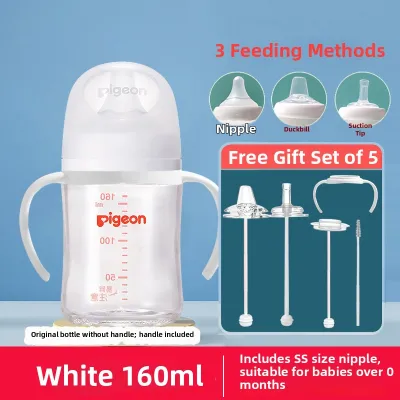
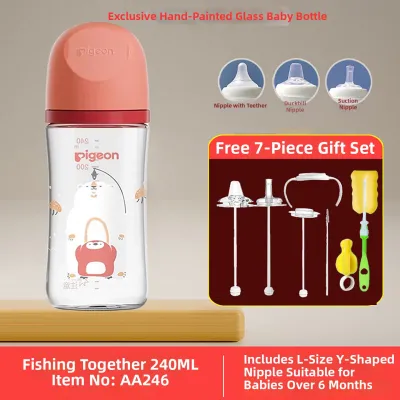
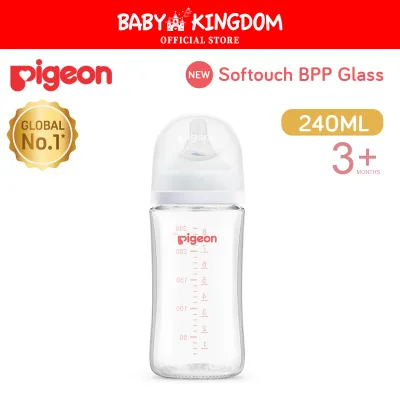
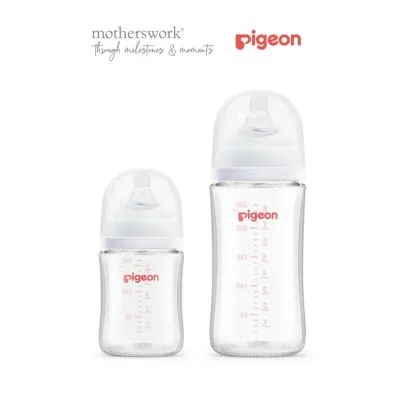
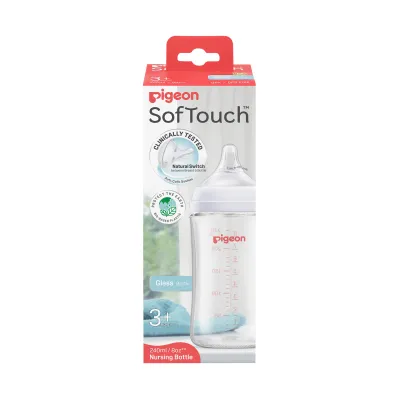
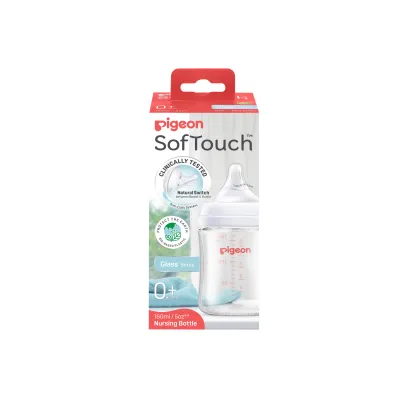
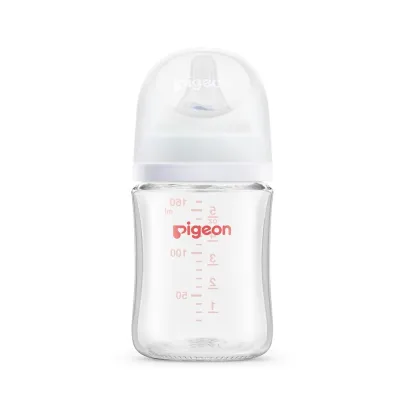
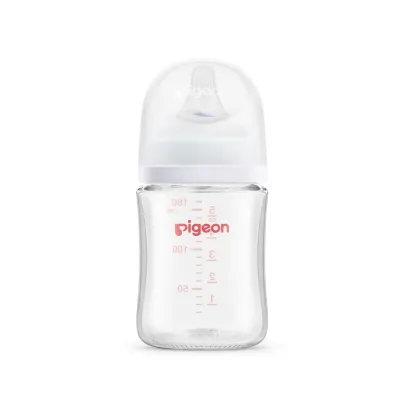
Prices are valid at publication and may change. Please refer to the product page for the latest price.
Durability and drop risks are major considerations for active households. Glass is inherently fragile and can shatter or chip when dropped on hard surfaces, such as tile floors or outdoor pavements. Plastic bottles are highly impact-resistant and virtually shatterproof, making them a safer option for older, more active babies who might throw their bottles from a high chair or stroller.
Heat retention and warming speed also vary between the two materials. Glass is an efficient conductor of heat, meaning it warms up quickly when placed in a bottle warmer or a bowl of hot water. However, it also cools down rapidly once removed from the heat source. Plastic bottles take slightly longer to warm through because the material acts as an insulator, but they tend to maintain a stable, warm temperature for a longer period during slow feeds.
Safety and Hygiene: How to Verify Material Standards
When evaluating safety and hygiene, it is essential to look at the specific material compositions and certifications rather than relying on generalized claims. Pigeon plastic bottles are typically available in Polypropylene (PP) or Polyphenylsulfone (PPSU). To ensure maximum safety, check the product packaging for certified BPA-free and BPS-free labels, which indicate that the plastic does not contain these common chemical compounds.

Glass bottles are made from high-grade borosilicate glass, which is highly resistant to thermal shock. Before subjecting any glass bottle to extreme temperature changes, locate the heat-resistance thresholds printed on the packaging or in the user manual. This ensures the material can safely withstand boiling, steam sterilization, or microwave warming without cracking.
Always inspect the manufacturer’s warnings regarding sterilizer compatibility. Different plastics have different maximum temperature limits; for instance, PP plastic typically has a lower heat tolerance than PPSU. Verifying these limits prevents accidental melting, warping, or the release of microplastics during high-heat sterilization cycles.
Matching the Bottle to Your Daily Feeding Routine
Your choice of bottle material should align with your lifestyle, caregiving setup, and your baby’s developmental milestones. For families who spend a lot of time on the go, navigating outdoor parks, shopping malls, or traveling, plastic bottles are highly practical. They add minimal weight to an already heavy diaper bag and eliminate the worry of breakage during transit.
Your baby’s age and motor skills play a decisive role in this choice. During the newborn stage, when parents or caregivers perform all the feedings, glass bottles are highly manageable and offer a premium, easy-to-clean option. As your baby transitions to independent holding, switching to lightweight plastic bottles reduces the risk of accidental facial impacts or drops that could crack a glass container.
Consider the preferences of other caregivers in your circle, such as grandparents or infant care staff. Daycare centers often have strict safety policies that prohibit glass bottles in play or feeding areas to prevent injury from broken glass. If your child attends infant care, lightweight, labeled plastic bottles are usually the standard requirement.
Cleaning, Sterilizing, and Knowing When to Replace
Maintaining proper hygiene requires matching your cleaning and sterilization methods to the specific material limits of your bottles. Glass bottles are highly scratch-resistant, meaning you can use firm bottle brushes without worrying about creating micro-scratches where bacteria can accumulate. Plastic bottles require a gentler touch; always use soft sponge brushes or silicone brushes to preserve the smooth inner surface of the plastic.
Sterilization methods must be chosen carefully based on the material. While glass can withstand boiling, steam, and UV sterilization repeatedly without degrading, certain plastics may experience accelerated wear under continuous UV exposure. Refer to your specific bottle manual to confirm whether UV sterilization is recommended for your plastic bottle type.
Establish a regular visual inspection routine to identify when it is time to retire a bottle. For plastic bottles, look for deep scratches, persistent cloudiness, stubborn odors, or discoloration, which typically indicate that the plastic is breaking down and needs replacement. For glass bottles, carefully inspect the rim and base for micro-chips, hairline cracks, or internal scratches that could compromise structural integrity. Remember that while bottle bodies can last for months or years, silicone nipples are subject to rapid wear and should be replaced at the first sign of tearing, thinning, or flow changes.
Evaluating Cost and Long-Term Value in Singapore
When planning your budget in Singapore, it is helpful to weigh the initial purchase price against the expected lifespan of each bottle type. Glass bottles generally carry a higher initial price tag, often ranging from S$15 to S$30 or more depending on the size and neck design. However, because glass does not degrade or scratch easily, these bottles can theoretically last indefinitely, potentially serving multiple children and offering excellent long-term value.
Plastic bottles present a different cost dynamic. Standard PP bottles are highly affordable upfront but have a shorter lifespan and need more frequent replacement. Premium PPSU bottles cost more initially—often approaching the price of glass—but they offer superior durability and heat resistance compared to PP, reducing the frequency of replacements.
Additionally, factor in the local availability and cost of replacement parts. Nipples, caps, collar rings, and sealing discs are widely available at local pharmacies, baby specialty stores, and online marketplaces in Singapore. Because these parts wear out faster than the bottle bodies, choosing a bottle system with easily accessible, reasonably priced replacement components will save you time and money over your feeding journey.
Your Final Decision Checklist
To help you finalize your decision, use this quick checklist to determine which material matches your current household needs:
- Choose Pigeon glass if:
- You primarily feed your baby at home where hard floor drops are less likely.
- You want a highly durable, scratch-resistant material that can last through multiple children.
- You prefer a material that is highly resistant to staining, odors, and repeated high-heat sterilization.
- Choose Pigeon plastic if:
- You need a lightweight option for travel, stroller outings, or daycare use.
- Your baby is transitioning to holding the bottle independently.
- You want to eliminate the risk of shattered glass on hard kitchen or outdoor surfaces.
- Verify first if:
- The bottle neck size (wide neck versus standard neck) matches your existing breast pump adapters or sterilization racks.
- The selected plastic type (PP or PPSU) is compatible with your preferred sterilization method, especially if you use a UV sterilizer.
Frequently Asked Questions (FAQ)
Can You Mix Glass and Plastic Pigeon Bottles?
You can mix glass and plastic Pigeon bottles in your daily routine, but you must verify the cross-compatibility of the accessories. Pigeon bottles are designed within specific product lines, such as the SofTouch wide-neck series or the standard-neck series. Nipples, collar rings, and caps are generally interchangeable within the same series regardless of whether the bottle body is glass or plastic. Always check the product packaging to ensure the neck sizes match, and never force mismatched parts together, as this can cause milk leaks or compromise the venting system.
How to Prevent Glass Bottles from Cracking During Sterilization
To prevent glass bottles from cracking during sterilization, you must protect them from thermal shock and physical impact. Avoid exposing cold glass bottles directly to boiling water or rapid temperature drops, such as placing a hot sterilized bottle directly into cold water. When boiling bottles on a stovetop, place a clean silicone mat or towel at the bottom of the pot to prevent the glass from resting directly against the hot metal base, which can create localized hot spots and lead to fractures.

Community discussion
Share your experience or ask a question. Comments are reviewed before publication.