
When deciding between Pigeon bottle cleansing liquid and competing brands in Singapore, determining which cleans better without leaving residue depends on understanding surfactant types, rinseability, and your specific feeding equipment. Without independent laboratory testing data for every batch, the most effective choice relies on matching the product’s formulation to your water conditions, bottle materials, and baby’s sensitivities. This guide provides a framework to evaluate labels, test for residue at home, and calculate the true cost per wash to make an informed decision.
Selecting a cleanser that rinses away completely is crucial for infant health. Lingering chemical residues can alter the taste of milk, potentially leading to bottle rejection, or irritate your baby’s sensitive digestive system. By focusing on objective formulation characteristics and practical testing methods, you can confidently choose a liquid that keeps your feeding accessories clean and safe.
Understanding Cleanser Formulations: Pigeon vs Market Alternatives
To evaluate how well a cleanser performs, you must first look at its active cleaning agents, known as surfactants. Surfactants lower the surface tension of water, allowing it to mix with and lift away hydrophobic substances like milk fats and proteins. Baby-specific cleansers generally use plant-derived surfactants, such as decyl glucoside or coco glucoside, which are derived from coconut, corn, or palm oils. These ingredients are highly biodegradable and tend to rinse away more cleanly than the synthetic, petroleum-based surfactants commonly found in standard household dish soaps.
Products mentioned in this guide
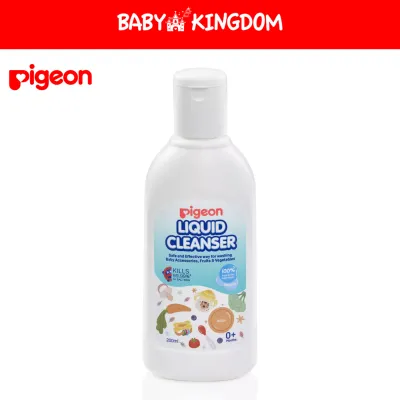
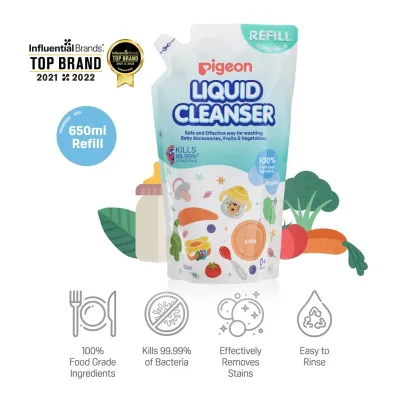
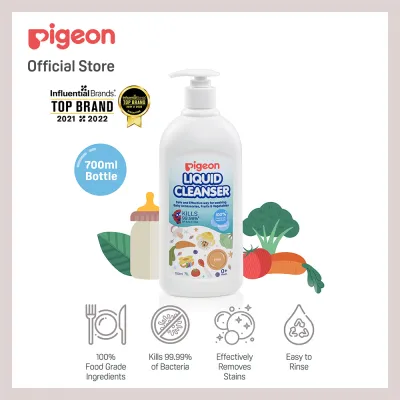
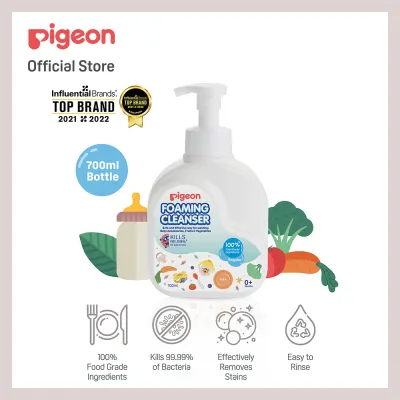
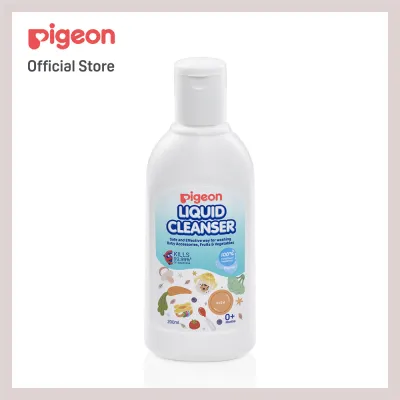
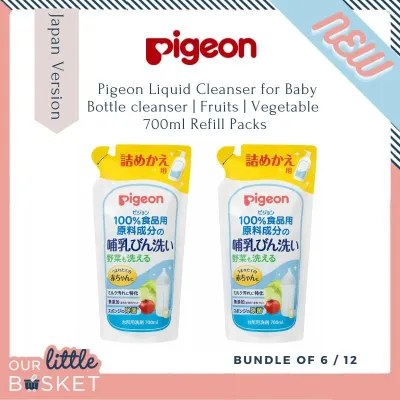
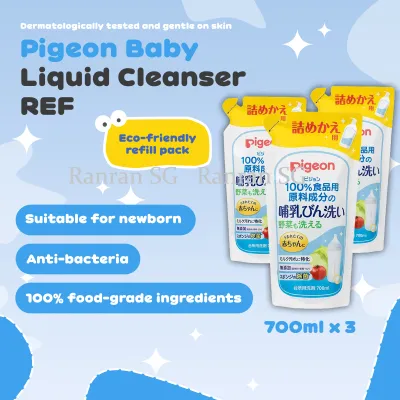
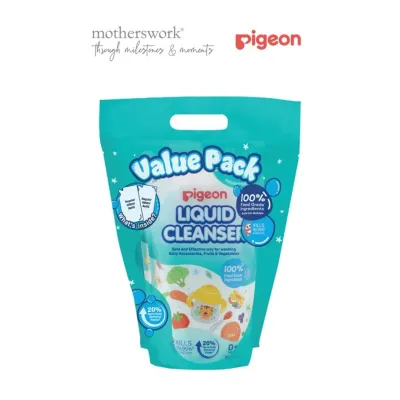
Prices are valid at publication and may change. Please refer to the product page for the latest price.
Some premium market alternatives utilize amino acid-based surfactants. These are exceptionally mild on the skin and are often favored by parents concerned about contact irritation during hand washing. However, milder surfactants sometimes require more physical agitation to break down stubborn, dried-on breast milk or formula fats. When reading ingredient labels, look for formulas that balance mildness with effective degreasing agents, ensuring that the primary surfactants listed are food-grade or derived from natural sources.
Packaging claims like “fragrance-free” and “dye-free” carry specific practical implications and limitations. A “fragrance-free” label means no synthetic perfumes have been added to mask the natural scent of the ingredients. This is highly beneficial because synthetic fragrances can cling to silicone nipples and plastic bottles, transferring scents to subsequent feeds. “Dye-free” formulations eliminate unnecessary aesthetic colorants, reducing the risk of chemical additives remaining on the feeding surface after rinsing. Always verify these claims by checking the ingredient list rather than relying solely on front-of-pack marketing.
Evaluating "Residue-Free" Claims and Rinseability
While many brands promise a “residue-free” finish, you can easily verify these claims at home using simple visual and tactile checks. After washing and rinsing a bottle, hold it up to a bright, direct light source. Inspect the interior surface for any cloudiness, water spots, or streaks, which indicate that mineral deposits or soap films have dried on the material. A truly clean bottle should allow water to sheet off evenly rather than pooling into distinct droplets, which often point to a lingering oily residue.

Perform a tactile check by running a clean, dry finger along the inside wall of the bottle and the surface of the silicone nipple. The material should feel completely smooth and “squeaky” clean. If you detect any slipperiness, a greasy film, or a sweet, soapy scent, the cleanser has not been fully rinsed away. This physical feedback is your most reliable indicator of whether a specific liquid formulation is compatible with your rinsing technique.
Local water conditions also play a significant role in rinseability. Tap water in Singapore is generally soft to moderately hard, which is highly favorable for soap performance as it minimizes the formation of insoluble soap scum. However, if you use high-temperature steam sterilizers or boil your bottles, any trace amounts of cleanser left on the surface can bake onto the material, creating a stubborn, cloudy layer. To prevent this, adjust your water temperature to warm (around 40°C to 50°C) during the wash and rinse cycles to help dissolve milk fats and flush away surfactants before sterilization.
Matching the Cleanser to Bottle Materials and Baby's Sensitivities
Your choice of bottle cleanser should align closely with your baby’s developmental stage and physical sensitivities. Infants have a developing skin barrier and a highly sensitive digestive tract. If your baby has a history of eczema, contact allergies, or sensitive skin, prioritize cleansers with minimalist ingredient lists that exclude common irritants like parabens, formaldehydes, and synthetic preservatives. If you observe any skin redness on your hands after washing, or if your baby shows signs of oral discomfort or bottle aversion, stop using the product immediately and consult a qualified pediatrician.
Different bottle materials interact uniquely with cleansing liquids. Glass bottles are non-porous and highly resistant to chemical absorption, making them compatible with almost any food-grade cleanser. They rinse clean very easily and do not retain odors. In contrast, plastic bottles made of polyphenylsulfone (PPSU) or polypropylene (PP) are more susceptible to microscopic scratches. These tiny crevices can trap milk fats and soap residues, requiring a highly rinsable cleanser that does not rely on heavy, synthetic binding agents.
Silicone components, such as nipples and breast pump valves, require the gentlest care. Silicone is a relatively porous elastomer that readily absorbs hydrophobic substances, including milk oils and synthetic fragrances. Using a heavily scented cleanser can permanently impart a perfume smell to the nipple, which may cause your baby to reject the bottle. Furthermore, aggressive scrubbing can degrade soft silicone, so you must rely on a cleanser that emulsifies oils quickly, allowing you to clean the valves thoroughly with minimal physical friction.
Calculating True Cost and Value Per Wash
Evaluating the financial value of Pigeon versus alternative brands requires looking beyond the initial retail price on the shelf. A cheaper bottle of cleanser may actually cost more over time if the formula is highly diluted, requiring you to use double the amount per wash. To calculate the true cost per wash, use this simple formula:
$$\text{Cost per Wash} = \left( \frac{\text{Price of Bottle or Refill}}{\text{Total Volume in Milliliters}} \right) \times \text{Recommended Dosage per Wash in Milliliters}$$
For example, if a pump bottle costs S$15 for 500ml and the manufacturer recommends a dosage of 5ml per wash, the cost is S$0.15 per wash. If an alternative costs S$10 for 500ml but requires 10ml per wash to achieve the same cleaning power, the cost rises to S$0.20 per wash. Always check the manufacturer’s usage instructions to determine the exact concentration and recommended dilution ratios.
Opting for refill pouches rather than purchasing a new pump bottle every time is a highly effective way to reduce both household expenses and plastic waste in Singapore. Refill pouches typically offer a lower cost per milliliter. When using refills, ensure you decant the liquid into a thoroughly cleaned and dried pump dispenser to prevent bacterial contamination. Store any unused portion of the refill pouch in a cool, dry place away from direct sunlight to preserve the stability of the plant-derived preservatives.
When sourcing your bottle cleansers from local supermarkets, specialty baby stores, or online marketplaces, always inspect the packaging integrity. Ensure that the safety seals are intact and check the manufacturing or expiration dates printed on the container. Using expired cleansing liquids can result in reduced cleaning efficacy, as plant-derived surfactants and natural preservatives can degrade over time, potentially allowing bacterial growth within the bottle itself.
Decision Framework: Choosing Between Pigeon and Alternatives
To help you decide whether to stick with Pigeon or transition to an alternative brand, consider the following condition-based scenarios:
- Choose Pigeon if: You primarily use Pigeon PPSU bottles and silicone nipples, as their cleanser is specifically formulated and tested by the manufacturer to match these materials without causing premature degradation. It is also an excellent choice if you prefer a widely available, highly accessible product with a reliable, food-grade ingredient profile that rinses away easily under standard Singapore tap water.
- Choose an alternative if: Your baby has diagnosed severe skin sensitivities or eczema that require a completely surfactant-free, hypoallergenic, or certified organic formula. You might also choose an alternative if you find a competing brand that offers a significantly lower cost per wash based on your household's specific dilution habits and water usage.
- Verify first if: You are planning to purchase in bulk. Always buy a single, small trial bottle first to monitor how your hands react to the liquid and how well the formula rinses off your specific bottle setup. If you are uncertain about any ingredient on the label, or if your baby exhibits any unusual symptoms, consult your pediatrician before committing to a long-term brand.
Frequently Asked Questions (FAQ)
Can I use regular dish soap instead of a dedicated baby bottle cleanser?
Using conventional kitchen dish soap for baby feeding equipment is not recommended due to the formulation differences. Regular dish soaps are designed to tackle heavy grease on adult cookware and often contain strong anionic surfactants, synthetic dyes, and intense fragrances designed to linger. These chemicals can be difficult to rinse completely from porous silicone nipples and plastic bottles, leaving a thin, invisible residue. If ingested, these residues can irritate an infant’s sensitive stomach. Dedicated baby bottle cleansers utilize milder, food-grade, or highly rinsable plant-derived surfactants that are specifically designed to wash away completely without leaving harmful chemical traces.
Do I need a bottle brush if the cleanser claims to clean without scrubbing?
Yes, physical agitation is always necessary to ensure a hygienic clean, regardless of how effective a cleanser claims to be. Milk contains complex proteins and fats that adhere tightly to surfaces, forming a stubborn biofilm that chemical action alone cannot fully dissolve. A bottle brush is essential to mechanically break this bond and lift the residue away, especially from hard-to-reach areas like the bottom corners of the bottle and the tip of the nipple. To protect your equipment, pair the right brush material with your bottle type: use soft sponges or silicone brushes for scratch-prone plastics like PPSU and PP, and reserve nylon bristle brushes for highly durable glass bottles.

Community discussion
Share your experience or ask a question. Comments are reviewed before publication.