
Quick Answer: Is Pigeon the Right Choice for You?
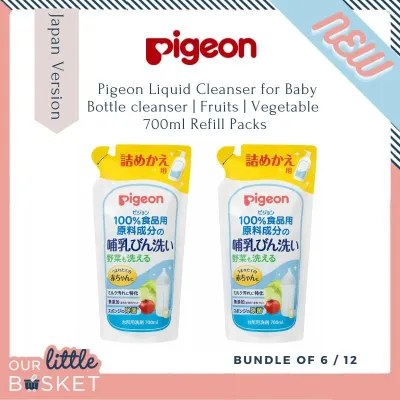
Maintaining pristine hygiene for infant feeding equipment is a daily, high-stakes task for parents in Singapore. With the local tropical climate promoting rapid bacterial growth on damp surfaces, ensuring that baby bottles, teat attachments, and breast pump components are thoroughly cleared of organic residue is essential. The pigeon liquid refill has long stood as a prominent fixture on supermarket shelves and nursery storage cabinets across the island, recognized for its specialized approach to breaking down stubborn milk proteins.
Whether it is the absolute best choice for your household depends on your specific priorities. Pigeon excels in general milk fat removal and offers a gentle, food-grade formulation that is highly accessible and familiar to many families. However, parents seeking strictly certified organic ingredients or heavy-duty antibacterial action might prefer specialized alternatives. The ideal choice rests on balancing your infant’s skin sensitivities, your environmental preferences, and your household budget.
What to Look for in a Bottle Cleaning Liquid Refill
Selecting a baby bottle cleanser requires a different set of standards than choosing standard dishwashing soap. Because infants have developing immune and digestive systems, the residues left behind by cleaning products can have a direct impact on their well-being. Evaluating a refill pouch involves looking closely at several key performance and safety dimensions.
Products mentioned in this guide
![[6-Pk] Pigeon Liquid Cleanser Refill 650ml [Exp:2028]](https://img.lazcdn.com/g/p/9b388095b25ffc97428971ef201d38c9.png_400x400q80.png_.webp)
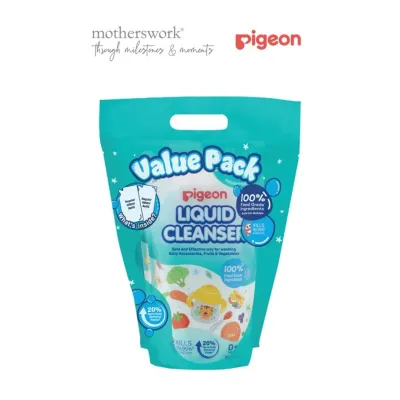
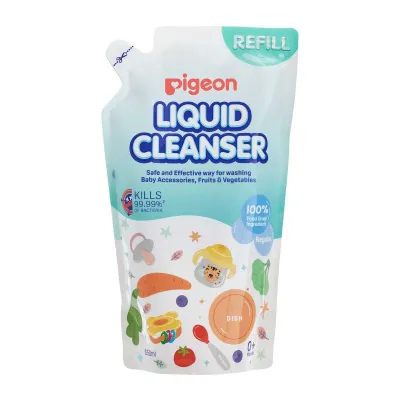
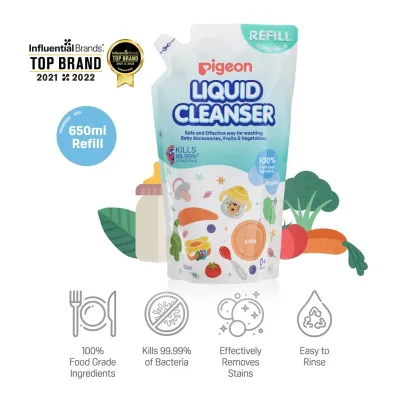
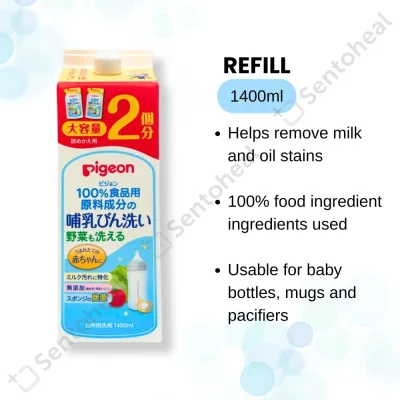
Prices are valid at publication and may change. Please refer to the product page for the latest price.

Safety and Ingredients
Standard dishwashing liquids rely on strong synthetic surfactants to strip heavy grease from adult cookware. While highly effective for frying pans, these compounds can be harsh and difficult to rinse completely from plastic baby bottles. For infant feeding gear, parents should prioritize mild, plant-derived surfactants, such as those sourced from coconut, corn, or palm.
These ingredients should ideally be food-grade, meaning that even if microscopic traces remain after rinsing, they do not pose a health risk to a developing digestive system. Furthermore, checking labels for the absence of synthetic colorants, parabens, and strong artificial fragrances is crucial, as these additives can trigger skin sensitivities or leave a lingering chemical scent that might cause a baby to reject the bottle.
Cleaning Efficacy
Breast milk and infant formula are complex emulsions rich in lipids, proteins, and carbohydrates. When left inside a plastic bottle, these components quickly separate and adhere to the inner walls, forming a stubborn, greasy film. Standard soaps often slide over these proteins, leaving a cloudy residue that can harbor bacteria.
A high-quality baby bottle cleanser must contain specific enzymes or targeted surfactants that can emulsify these fats and break down milk proteins effectively. This ensures that the bottle surface is physically clean, preparing it for subsequent sterilization. Always check the manufacturer instructions of your specific bottles and pump parts to ensure the cleanser is compatible with their materials.
Rinseability
The ease with which a cleanser washes away is just as important as its cleaning power. High-foaming formulas often require excessive amounts of water to rinse clean, which is both environmentally wasteful and highly inconvenient during late-night washing sessions.
A clean-rinsing formula leaves zero soapy film, ensuring that subsequent feeds are untainted by chemical tastes. This is particularly important for plastic bottles made of polypropylene (PP) or polyphenylene sulfone (PPSU), which can absorb odors and residues more easily than glass.
Refill Economics
Refill pouches have become the standard for environmentally conscious and budget-savvy parents in Singapore. Utilizing refill pouches significantly reduces plastic waste compared to purchasing new pump bottles every time.
However, evaluating the true value requires looking beyond the upfront price tag of the pouch. Parents must calculate the cost per milliliter and consider the concentration of the liquid, as a highly concentrated formula that requires less product per wash can ultimately offer better long-term value than a cheaper, more diluted alternative.
A Closer Look at the Pigeon Liquid Refill Profile
The pigeon liquid refill is a highly popular option in Singapore, widely distributed across local supermarkets, department stores, and online marketplaces. Understanding its specific characteristics helps clarify why it remains a household staple for many families.
Formulation
Pigeon’s formulation is widely recognized for utilizing food-grade ingredients. The primary cleaning agents are plant-derived surfactants designed to target and break down milk fats and proteins effectively.
Because the ingredients are food-grade, the liquid is also suitable for washing fresh fruits and vegetables, making it a versatile addition to the kitchen. This dual-use capability is highly practical for families transitioning their infants to solid foods, as it simplifies the kitchen setup to a single, multi-purpose cleanser.
Packaging and Convenience
The refill pouch is designed with a convenient pouring spout or corner cut, allowing for easy, spill-free transfer into existing pump bottles. In Singapore’s compact apartments, kitchen storage space is often at a premium.
Storing flat, flexible refill pouches is significantly more space-efficient than keeping bulky, rigid plastic bottles in cupboards. Additionally, the lightweight nature of the pouch reduces the overall plastic footprint associated with packaging materials.
Scent and Texture
The liquid has a relatively thin, watery consistency compared to conventional dish soaps. This low viscosity is intentional, as it allows the liquid to disperse quickly in water and rinse away effortlessly without leaving a greasy or soapy film.
The lather produced is light and manageable, rather than thick and heavy. It is typically available in a fragrance-free version or with a very mild, naturally derived scent that does not linger on silicone teats or plastic bottle walls.
Safety Checks
While Pigeon is a highly trusted brand, formulations can vary slightly depending on the specific product line, manufacturing origin, or batch. Parents should always inspect the physical packaging of the refill pouch to verify specific claims, such as dermatological testing, hypoallergenic certifications, or the exact list of ingredients.
This is particularly important if your baby has a known allergy or highly sensitive skin, as ingredients can occasionally be updated by the manufacturer. If any irritation occurs, stop use immediately and consult a qualified professional.
Pigeon vs. Competing Brands on the Market
To make an informed decision, it is helpful to compare the pigeon liquid refill against other common categories of bottle cleansers found in Singapore. This highlights the trade-offs between standard food-grade cleaners, premium organic options, heavy-duty formulas, and budget-friendly house brands.
Pigeon vs. Plant-Based and Organic Alternatives
Premium niche brands often emphasize 100% organic, biodegradable, or EWG-verified ingredients. While Pigeon uses safe, food-grade, plant-derived components, these premium alternatives frequently carry formal third-party ecological certifications (such as Ecocert or USDA Organic).
These certifications guarantee that the ingredients are sourced from organic farming practices and that the entire manufacturing process meets strict environmental standards. However, these premium brands usually come with a significantly higher price tag per milliliter.
For parents who prioritize absolute ecological purity and have the budget to support it, these organic alternatives are highly appealing. For those looking for a highly safe, effective, and reasonably priced everyday cleaner, Pigeon’s food-grade formulation offers a compelling middle ground.
Pigeon vs. Antibacterial and Heavy-Duty Formulas
Some bottle cleansers on the market are formulated with active antibacterial agents, marketing themselves as heavy-duty sanitizers. It is crucial to understand that the primary role of a bottle wash is the physical removal of organic matter—milk fats, proteins, and carbohydrates—rather than chemical sterilization.
Standard cleansers like Pigeon focus on lifting these residues so that bacteria have no food source on which to multiply. If a cleanser contains strong chemical antibacterial agents, parents must carefully verify that these active ingredients are safe for infant consumption and do not leave harmful residues on the bottles.
In Singapore, the standard medical recommendation is to rely on physical sterilization methods—such as steam, UV, or boiling water—after washing the bottles with a gentle, non-antibacterial cleanser. This approach avoids exposing infants to unnecessary chemical agents while ensuring complete hygiene.
Pigeon vs. Supermarket House Brands
Supermarket house brands and generic bottle washes represent the most budget-friendly option on the market. While these products are highly economical, they may differ from Pigeon in several key areas.
House brands often utilize standard synthetic surfactants that produce a very thick, heavy lather. While this lather can make the dishes feel clean, it typically requires significantly more water and effort to rinse away completely, which can be highly frustrating during late-night cleanups.
Furthermore, generic brands may contain synthetic fragrances to mask chemical odors, which can leave a persistent scent on silicone teats and plastic bottles. Parents opting for house brands should carefully read the ingredient labels to ensure the absence of harsh colorants, phosphates, and parabens, and be prepared to spend extra time rinsing the bottles thoroughly.
Evaluating Cost and Refill Value in Singapore
Navigating the financial aspect of baby care products requires a systematic approach. Because online retailer prices and promotional discounts fluctuate constantly, learning how to calculate the true value of a refill pouch is more useful than relying on static price listings.
Cost Per 100ml
To accurately assess the financial value of different bottle cleansers, parents should look past the upfront retail price and calculate the cost per 100ml. For example, if a 700ml refill pouch of Pigeon costs S$7.50, the cost is approximately S$1.07 per 100ml.
In contrast, a premium organic brand selling a 500ml refill pouch for S$12.00 would cost S$2.40 per 100ml. By establishing this baseline, parents can make objective financial comparisons across various brands and packaging sizes, ensuring they are getting the best possible value for their budget.
Dilution and Usage
The concentration of the liquid cleanser plays a major role in its overall value. A highly concentrated formula may have a higher upfront cost but require only a single pump to clean a sink full of bottles.
Conversely, a thinner, highly diluted formula might require multiple pumps per wash, causing you to go through the refill pouch much faster. Parents should observe how much product is actually needed to achieve a clean, residue-free bottle; a slightly more expensive, concentrated product can often turn out to be more economical over several months of continuous use.
Bundle and Subscription Savings
Singapore parents can leverage several shopping strategies to significantly lower the unit cost of their preferred bottle cleansers. Purchasing refill pouches in bulk—such as carton deals of 6 or 12 pouches—during major online shopping events (like 11.11, 12.12, or mid-year sales) on local e-commerce platforms can yield substantial discounts.
Additionally, visiting major baby fairs held at the Singapore Expo or utilizing subscription-and-save options offered by online retailers can provide consistent savings and ensure you never run out of stock. These strategies can make premium or mid-range options like Pigeon highly competitive with budget-friendly house brands.
Final Verdict: How to Choose the Best Refill
To help you decide which bottle cleaning liquid refill fits your household best, consider this practical decision framework based on your specific needs:
- Choose Pigeon if: You want a highly reliable, widely available, food-grade cleanser that effectively removes milk residues, rinses clean effortlessly, and offers excellent everyday value for Singapore households.
- Choose Plant-Based/Organic Alternatives if: You prioritize strict ecological certifications, USDA Organic or Ecocert credentials, and are willing to pay a premium for specialized, sustainably sourced ingredients.
- Choose Supermarket House Brands if: You are on a strict budget, are willing to spend extra time rinsing bottles to ensure no soapy residue remains, and have verified that the generic formula is free from harsh chemicals.
- Verify First if: Your infant has extremely sensitive skin, eczema, or a history of allergies. Always inspect the ingredient list on the refill pouch for potential irritants and consult a pediatrician if you have any concerns about skin reactions or digestive sensitivities.
Frequently Asked Questions (FAQ)
Can I use regular dishwashing liquid instead of a baby bottle cleaner?
Standard dishwashing liquids are formulated to strip heavy grease from adult cookware and often contain strong synthetic surfactants, artificial colorants, and heavy fragrances. These ingredients can be difficult to rinse completely from plastic baby bottles and silicone teats, potentially leaving a soapy residue or chemical scent that can irritate your baby’s sensitive digestive system or cause them to reject the bottle. It is highly recommended to use a dedicated baby bottle cleanser, or to verify that any regular dish soap used is explicitly labeled as food-grade, fragrance-free, and safe for infant items.
Do I still need to sterilize bottles after using Pigeon cleaning liquid?
Yes, sterilization remains a crucial step in the bottle hygiene routine. Bottle cleaning liquids are designed to physically remove organic residue, milk fats, and proteins, which prevents bacteria from finding a food source. However, washing alone does not eliminate all microscopic pathogens. Physical sterilization—using steam, UV sterilizers, or boiling water—is necessary after washing to completely eliminate harmful bacteria and viruses, especially for newborns and infants with developing immune systems. Always clean the bottles thoroughly before sterilizing, as sterilizing a bottle with leftover milk residue can bake the proteins onto the surface, making them even harder to remove.
How should I store bottle cleaning liquid refill pouches?
To preserve the integrity and efficacy of the formulation, store refill pouches in a cool, dry place away from direct sunlight and heat sources, which is particularly important in Singapore’s humid climate. Ensure that the cap or spout is tightly sealed after transferring the liquid to your dispenser bottle to prevent airborne dust, moisture, or bacteria from contaminating the remaining product. Always keep refill pouches stored safely out of reach of children and pets to prevent accidental ingestion.

Community discussion
Share your experience or ask a question. Comments are reviewed before publication.