
When shopping for baby care products in Singapore, parents often look for a stamp of approval from the Health Sciences Authority (HSA) to ensure safety for their little ones. If you are considering Pigeon baby shampoo, it is important to understand that the HSA does not “certify” or “approve” cosmetic products, including baby shampoos, before they hit the shelves. Instead, the regulatory framework relies on a notification system where importers and manufacturers must notify the HSA before selling their products locally. This means the responsibility of verifying safety standards and purchasing from reputable sources ultimately rests on the consumer. By understanding how these regulations work and what to look for on the packaging, you can make an informed decision for your baby’s bath time routine.
Understanding HSA Regulations for Baby Bathing Products
To navigate the baby care market in Singapore safely, parents must first understand the distinction between therapeutic products and cosmetic products under local laws. Therapeutic products, such as prescription medicines or medical devices, undergo rigorous pre-market evaluation and approval by the HSA to verify their efficacy and safety. In contrast, daily hygiene items like baby shampoos, body washes, and lotions are classified as cosmetic products. These items do not receive an official “HSA-certified” seal of approval because they are not intended to treat medical conditions.
Instead of a pre-market approval process, the HSA utilizes the Cosmetic Products Notification system. Under this framework, any company that intends to import or manufacture a cosmetic product for sale in Singapore must submit a product notification to the HSA before the product is placed on the market. This notification serves as a declaration that the product complies with the ASEAN Cosmetic Directive, which outlines safety standards, restricted ingredients, and labeling requirements.
Products mentioned in this guide
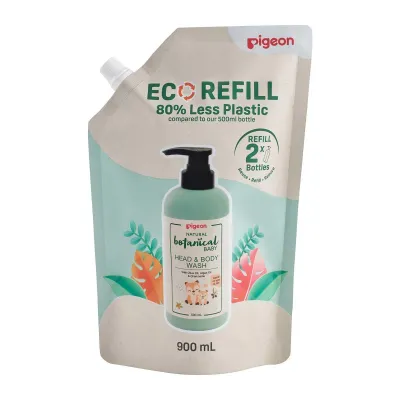
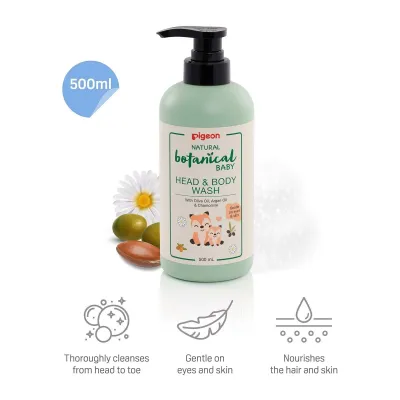
Prices are valid at publication and may change. Please refer to the product page for the latest price.
This regulatory structure places the primary responsibility on local importers, distributors, and manufacturers. These entities must ensure that the formulations are safe for consumer use, free from prohibited substances, and manufactured under hygienic conditions. The HSA monitors the market through post-market surveillance, which involves random testing of products already on store shelves and investigating adverse event reports. Understanding this distinction helps parents realize that a product being available in Singapore means it has been notified, but it does not mean the HSA has individually tested or endorsed that specific bottle.
How to Verify Pigeon Shampoo Compliance and Safety
Ensuring that the Pigeon baby shampoo you purchase is compliant with Singapore’s safety standards requires a proactive approach. The first step is to carefully examine the physical product packaging. Legitimate cosmetic products notified with the HSA and intended for the local market must feature clear labeling in English. This label should display the full list of ingredients, the country of manufacture, the batch number, and the contact details of the local importer or distributor responsible for bringing the product into Singapore.

If you want to verify whether a specific Pigeon shampoo variant has been properly notified, you can access the official HSA online database. The HSA maintains a public registry of notified cosmetic products that parents can search. By entering the brand name “Pigeon” along with the specific product name found on your bottle, you can check if a valid notification exists. While this database does not show individual batch test results, it confirms that the local distributor has registered the product and assumed legal responsibility for its safety.
Parents should also remain vigilant against counterfeit, expired, or unauthorized parallel-imported goods. Parallel imports are genuine products intended for other countries that are brought into Singapore through unofficial channels. While they may be cheaper, they might not comply with local labeling laws, could have been stored in poor conditions during transit, or might feature formulations not optimized for Singapore’s humid climate. To minimize risks, look for red flags such as peeling labels, spelling errors, missing batch codes, or the absence of local importer details. Purchasing from established supermarkets, official brand stores, or authorized pharmacies rather than unverified sellers on an online marketplace is the most reliable way to ensure product authenticity.
Key Safety Standards and Ingredients to Check
Infant skin is significantly thinner and more sensitive than adult skin, making it highly susceptible to irritation and chemical absorption. When evaluating any baby shampoo, parents should look for formulations that are specifically designed to be pH-balanced. A baby’s skin barrier has a slightly acidic pH, typically around 5.5, which helps protect against harmful bacteria and environmental irritants. Using a shampoo that matches this natural pH level helps maintain the integrity of the skin barrier and prevents excessive dryness.
Another critical feature to verify on the packaging is a “tear-free” or “mild” formulation claim. Shampoos formulated for infants generally avoid harsh surfactants that can strip natural oils or irritate the delicate mucous membranes of the eyes. When reading the ingredient list, parents often choose to avoid strong synthetic fragrances, artificial colorants, and certain preservatives like parabens or formaldehyde-releasers. While these ingredients are regulated, minimizing exposure can reduce the likelihood of contact dermatitis in sensitive infants.
Many baby shampoos display claims such as “dermatologically tested” or “pediatrician approved” on their labels. While these terms suggest a level of professional oversight, parents should interpret them as indicators of manufacturer testing rather than official government certifications. These claims mean the manufacturer has conducted clinical trials or safety assessments under the supervision of specialists to evaluate skin compatibility. To verify these claims, parents can check the manufacturer’s official website or contact their customer service to request information on the testing methodologies used for that specific product line.
Safe Usage Practices and When to Stop
Even when using a highly rated and properly notified baby shampoo, individual sensitivities can still occur. Before introducing any new bathing product to your baby’s routine, it is highly recommended to perform a localized patch test. Apply a tiny amount of the diluted shampoo to a small, discreet area of your baby’s skin, such as the inner forearm or behind the ear, during bath time. Rinse it off thoroughly and monitor the area for the next 24 to 48 hours for any signs of redness, swelling, or dryness before proceeding with full-body use.
When washing your baby’s hair, proper application techniques can further minimize the risk of irritation. Always dilute a small amount of shampoo with warm water in your hands before applying it gently to the scalp. Avoid vigorous scrubbing, as infant scalps are delicate and prone to cradle cap or minor abrasions. Ensure that you rinse the hair and scalp thoroughly with clean, lukewarm water, leaving no soapy residue behind, as dried shampoo can cause localized itching and flaking.
Caregivers must remain observant during and after bath time to identify any adverse reactions quickly. If you notice signs of skin irritation, such as persistent redness, raised bumps, dry patches, or if your baby shows discomfort by scratching their scalp, discontinue use of the product immediately. For mild irritation, washing the area with plain water and keeping it dry may suffice. However, if the reaction persists, spreads, or is accompanied by swelling or signs of infection, seek professional medical advice from a pediatrician or dermatologist promptly.
Frequently Asked Questions (FAQ)
Does the HSA test every batch of baby shampoo?
No, the HSA does not perform batch-by-batch testing of baby shampoos or any other cosmetic products before they are sold. The regulatory system relies on post-market surveillance and manufacturer accountability. Importers must notify the HSA of the product’s entry into the market, and the HSA conducts random audits, monitors adverse reaction reports, and tests samples from retail shelves to ensure ongoing compliance with safety standards.
What should I do if my baby reacts to Pigeon shampoo?
If your baby experiences an adverse reaction, stop using the shampoo immediately and rinse the affected area thoroughly with clean, lukewarm water. Monitor the skin closely for any changes. If the redness, itching, or swelling does not subside, or if your baby appears to be in pain, consult a qualified healthcare professional or pediatrician. You can also report the adverse reaction to the retailer or the local importer listed on the packaging, who is obligated to track safety events.

Community discussion
Share your experience or ask a question. Comments are reviewed before publication.