
Trimming a baby’s tiny, paper-thin nails can be one of the most nerve-wracking tasks for new parents. The ideal nail care tool depends on your baby’s developmental stage, the thickness of their nails, and your own comfort level with cutting tools. While newborn nails are incredibly soft and closely attached to the surrounding skin, older infants develop thicker nails and a tendency to wriggle during grooming sessions. Pigeon offers three distinct solutions—baby nail scissors, safety clippers, and electric nail files—each designed to address different stages of growth and parental confidence levels. By understanding how these tools function and comparing their design features, you can select the option that ensures a calm, safe, and efficient grooming routine for your family.
In Singapore’s warm and humid climate, babies often bathe frequently, which can soften their nails further, making precise grooming even more critical to prevent accidental tearing. Budgeting for these tools is straightforward, with options typically ranging from S$10 to S$40 depending on whether you choose a simple manual tool or a multi-attachment electric device. Investing in the right tool not only protects your baby from self-inflicted scratches but also transforms a stressful chore into a peaceful bonding moment.
Key Differences Between Pigeon Scissors, Clippers, and Electric Files
To choose the right grooming tool, it is essential to understand how their mechanical designs differ. Pigeon’s baby nail care range is divided into three primary categories: scissors that cut with a shearing motion, clippers that trim with a quick lever action, and electric files that gently wear down the nail edge using rotating or oscillating pads. Each method interacts differently with a baby’s delicate nail bed and requires a different level of manual dexterity from the caregiver.
Products mentioned in this guide

![[Kawaii Kiddy] Pigeon Newborn Baby Nail Scissors & Nail Clipper (NB - 9m+)](https://img.lazcdn.com/g/p/75970d3011c4d2d0270fb46299ee31cb.png_400x400q80.png_.webp)
Prices are valid at publication and may change. Please refer to the product page for the latest price.
The primary decision criteria when choosing between these options are your baby’s age, their nail thickness, and your personal confidence level. Newborn nails are often so soft and pliable that they resemble paper, requiring a tool that offers maximum visibility to avoid nicking the skin. As your baby grows into a toddler, their nails harden significantly, making quick-cutting tools more practical. Your own comfort with handling sharp edges also plays a major role, as some parents prefer the absolute control of manual scissors, while others find peace of mind in the automated safety of an electric file.
Ultimately, there is no single universal winner among these three tools. The best choice is highly subjective and depends entirely on the unique dynamic between you and your baby. Many parents find that their needs change over time, starting with one tool during the newborn weeks and transitioning to another as their child becomes more active. Recognizing this developmental progression will help you decide whether to invest in a single specialized tool or a combination of grooming instruments.
Pigeon Baby Nail Scissors: Precision for Newborns
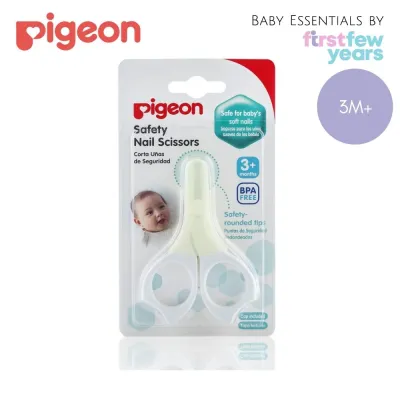
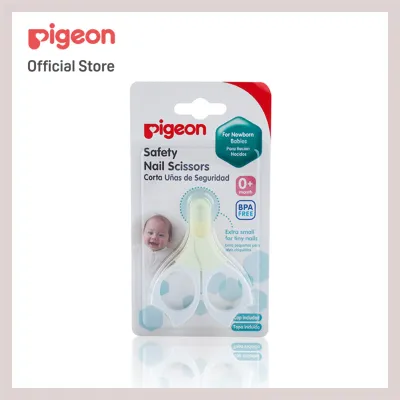
Pigeon baby nail scissors are specifically engineered for the delicate task of trimming newborn nails. Unlike standard household scissors, these specialized tools feature exceptionally short, thin, and rounded blades. This design minimizes the risk of accidentally poking or cutting the baby’s sensitive skin. The handles are ergonomically shaped to fit comfortably in an adult’s fingers, providing a stable grip that is crucial when working on a tiny, moving target.

For the first few weeks of life, a baby’s nails are often fused very closely to the underlying nail bed, making them difficult to separate. Scissors offer superior visibility and control during this stage because you can clearly see the cutting edge as it slides under the nail. The gentle shearing motion allows you to make precise, incremental cuts, following the natural curve of the fingertip without applying sudden pressure to the nail plate.
However, using baby nail scissors does come with a learning curve. Because they require manual alignment and a steady hand, parents must feel confident in their coordination. The process is typically slower than using clippers, meaning you will need to keep your baby relatively still for a longer period. For parents who feel anxious about manual blades, this learning curve can make the initial grooming sessions feel somewhat intimidating.
Pigeon Baby Nail Clippers: Speed for Active Babies
As babies transition out of the newborn phase, their nails begin to harden, and their tolerance for sitting still decreases. Pigeon baby nail clippers are designed to address this shift by offering a quick, efficient trimming method. These clippers utilize a classic lever mechanism scaled down to fit tiny fingers, allowing parents to clip a nail with a single, swift motion. Many models feature built-in safety guards or curved blades designed to match the natural contour of a child’s nail, helping to prevent over-cutting.
The primary advantage of clippers is speed. When dealing with an active, wriggling older baby or toddler, completing the task quickly is often the key to a successful grooming session. The lever action requires minimal setup time, allowing you to trim several nails in the brief moments your child is distracted. Additionally, as nails become thicker and tougher, the clean cut of a clipper is often more effective than the delicate shearing of scissors.
Despite these benefits, clippers carry a specific risk of pinching if not used with care. If the safety guard is not properly aligned with the nail bed, or if the baby makes a sudden, unexpected movement, it is possible to catch the surrounding skin. Parents must remain highly vigilant, ensuring they have a secure hold on the baby’s hand and a clear view of the cutting area before depressing the lever.
Pigeon Electric Nail File: Gentle Filing for Anxious Parents
For parents who experience intense anxiety at the thought of using manual blades near their baby’s skin, the electric nail file offers an alternative approach. This device operates using a battery-powered motor that spins or oscillates a textured filing pad. Instead of cutting the nail in a single motion, the file gradually wears down the nail edge through gentle abrasion. This mechanism virtually eliminates the risk of skin snips, as the soft pads are designed to stop or cause minimal friction if they accidentally touch the surrounding skin.
This gentle approach makes the electric file highly popular among anxious caregivers. It is also exceptionally practical for use while the baby is asleep. Because the device operates with minimal noise and gentle vibrations, many parents can easily file their baby’s nails during naptime without waking them. The file also allows you to smooth out sharp corners and rough edges that manual cutting tools might leave behind, reducing the likelihood of self-scratching.
However, there are several practical considerations to keep in mind before choosing an electric file. The device requires ongoing battery management, and the filing pads must be replaced periodically as they wear down. Additionally, filing is a slower process than clipping; it takes more time to file down a long nail than it does to snip it off. If your baby has particularly thick nails, or if they dislike the sensation of the vibrating pad against their fingers, the extra time required can make the session more challenging.
Feature Comparison: Scissors vs. Clippers vs. Electric File
To help you quickly weigh these options, the following comparison matrix outlines the key design features, ideal age ranges, and practical limitations of each Pigeon nail care tool.
| Tool Type | Best For (Age/Stage) | Key Advantage | Main Limitation | Maintenance Needs |
|---|---|---|---|---|
| Baby Nail Scissors | Newborns to 3 months | Maximum visibility and precise, curved cuts | Requires a very steady hand and manual dexterity | Wipe blades clean; store in a dry place to prevent rust |
| Baby Nail Clippers | 9 months and older | Fast, efficient trimming for thicker nails | Risk of skin pinching if the baby moves suddenly | Clean out nail debris; inspect alignment regularly |
| Electric Nail File | All ages (especially anxious parents) | Extremely safe with no sharp blades; great for sleep | Slower process; requires batteries and replacement pads | Replace worn filing pads; remove batteries when stored |
This matrix highlights how each tool is optimized for a specific stage of your parenting journey. While scissors excel at providing the delicate precision needed for a newborn’s paper-thin nails, clippers offer the rapid action required for active older infants. The electric file serves as a versatile, low-stress alternative that can span multiple age groups, provided you are comfortable with a slightly longer grooming process and ongoing battery maintenance.
Decision Framework: Which Pigeon Nail Tool Should You Buy?
Choosing the right tool involves matching the product’s design with your current family situation. To simplify your decision, consider the following conditional scenarios based on your baby’s age, your personal confidence, and your daily routine.
Choose the baby nail scissors if you are preparing for a newborn and prioritize maximum visibility. If you want to make precise, incremental trims on incredibly soft, tiny nails and feel confident in your hand-eye coordination, the manual control of scissors is unmatched. This tool is ideal for the quiet, slow-paced grooming sessions typical of the first few weeks of parenthood.
Choose the baby nail clippers if your baby is older, highly active, and has developed thicker nails. If your primary challenge is getting the job done as quickly as possible before your child loses patience, the swift lever action of clippers is the most efficient choice. This option is best suited for parents who have established a reliable way to hold their child still during grooming.
Choose the electric nail file if you feel highly anxious about using metal blades or prefer to trim your baby’s nails while they sleep. If you want to eliminate the risk of accidental cuts entirely and do not mind spending a few extra minutes on nail care, the gentle, vibrating pad of an electric file provides excellent peace of mind. It is also a great secondary tool for smoothing out sharp edges left behind by manual scissors or clippers.
Before making your final purchase, always verify the specific age recommendations and safety warnings printed on the product packaging. Manufacturers design these tools with specific developmental stages in mind, and checking these details ensures you select a model that aligns safely with your baby’s current physical growth.
Essential Safety and Maintenance Practices
Regardless of which tool you choose, maintaining your grooming equipment is vital for ensuring safe and effective use. Before every session, perform a quick pre-use check. Inspect scissor and clipper blades for any signs of dullness, rust, or misalignment, as dull blades can tear the nail rather than cut it cleanly. For electric files, ensure the battery contacts are clean and the filing pad is securely attached and not overly worn.
Proper cleaning is essential to prevent the buildup of bacteria and skin oils. For manual scissors and clippers, wipe the blades with a cotton pad dipped in rubbing alcohol after each use, and allow them to air dry completely before storing. Never submerge electric files or their motorized components in water; instead, wipe the exterior body with a dry or slightly damp cloth, and use a small brush to clear away nail dust from the filing head.
Establish clear stop conditions to protect your baby’s delicate fingers. Stop using manual tools immediately if you notice the blades have become dull, if the safety guards are cracked, or if the pivot screw becomes loose. For electric files, discontinue use if the motor begins to struggle, makes unusual noises, or if the vibration becomes inconsistent, as this can cause uneven filing and discomfort for your baby.
Frequently Asked Questions (FAQ)
How often should I trim my baby's nails?
A baby’s fingernails grow surprisingly fast and may require trimming once or twice a week to prevent them from scratching their face. Toenails, on the other hand, grow much more slowly and typically only need to be trimmed once or twice a month. It is best to observe your baby’s nails regularly and check for sharp edges or significant growth. If you ever notice redness, swelling, or signs of irritation around the nail bed, stop trimming and consult your pediatrician for guidance.
Can I use regular adult nail clippers for my baby?
It is highly recommended to avoid using adult nail clippers on infants. Adult clippers are designed for much larger, thicker, and harder nails, meaning they lack the delicate curvature and safety guards required for tiny baby fingers. Using adult tools significantly increases the risk of accidentally clipping the sensitive skin of the fingertip or causing painful ingrown nails. Always use grooming tools that are specifically sized, designed, and labeled for infant use to ensure a safe and comfortable experience.

Community discussion
Share your experience or ask a question. Comments are reviewed before publication.