
Pigeon baby laundry detergent is formulated specifically to clean infant clothing safely by using mild, plant-derived surfactants—typically derived from coconut or palm kernel oil—as its primary cleaning agents. Unlike standard adult detergents, which often rely on aggressive synthetic chemicals, Pigeon’s formulation focuses on lifting organic baby stains while protecting sensitive infant skin. Depending on the specific variant, the detergent may also include targeted biological enzymes to break down milk proteins, mild antibacterial agents to prevent musty odors during indoor drying, or gentle conditioning agents for fabric softening.
The core formulation philosophy centers on what is excluded from the bottle. Pigeon baby laundry detergents are generally free from harsh additives such as phosphates, fluorescent brighteners, and artificial colorants, which are common culprits behind contact dermatitis and skin irritation in infants. Because exact ingredient profiles can vary across different product lines—such as the Standard Mild, Antibacterial, or Softener-in-One variants—it is always essential to inspect the physical packaging label of your specific bottle to verify the exact chemical composition before use.
Core Ingredients and How They Clean Baby Clothes
Infant clothing faces a unique set of laundry challenges, dominated by organic, protein-rich stains like breast milk, formula, spit-up, and diaper leaks. Standard adult detergents often use heavy-duty chemical agents to strip away grease and synthetic soils, but these formulas are far too harsh for a baby’s delicate skin barrier. Pigeon baby laundry detergent addresses this by selecting ingredients that target organic matter gently but effectively, ensuring that clothes are thoroughly cleaned without leaving irritating residues behind.
Products mentioned in this guide
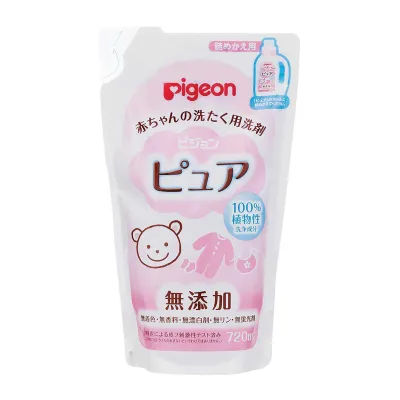
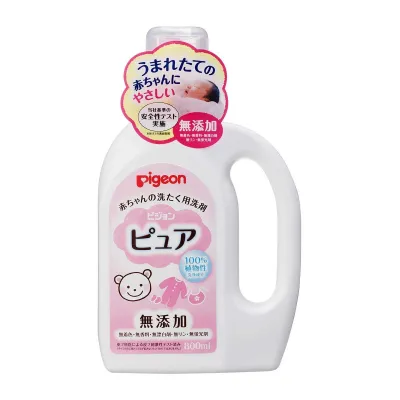
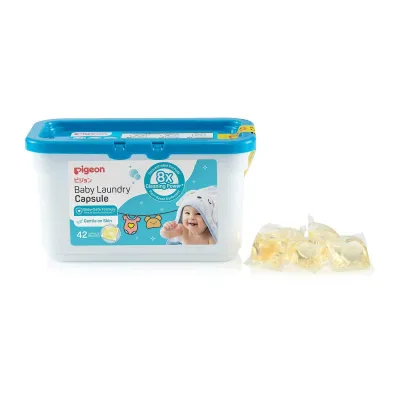
Prices are valid at publication and may change. Please refer to the product page for the latest price.
Plant-Derived Surfactants
Surfactants, or surface-active agents, are the workhorses of any laundry detergent. They work by lowering the surface tension of water, allowing it to wet fabrics more deeply and penetrate fibers to loosen trapped dirt. A surfactant molecule has a dual nature: a hydrophilic (water-attracting) head that binds to water, and a hydrophobic (water-repelling) tail that attaches to oils and grease. During the wash cycle, these molecules surround dirt particles, lift them off the fabric, and suspend them in the water so they can be rinsed away.
Pigeon utilizes plant-derived surfactants, commonly sourced from coconut or palm kernel oil, rather than petroleum-based alternatives. These botanical surfactants are highly biodegradable and tend to be much gentler on the skin, reducing the risk of stripping the natural lipids from an infant’s skin barrier upon contact with washed fabrics. However, parents should remain aware that even plant-derived ingredients can occasionally trigger individual sensitivities. It is always wise to monitor your baby’s skin for any signs of redness or dryness when introducing a new laundry product.
Targeted Enzymes and Stain Lifters
Biological enzymes are specialized proteins that act as catalysts to accelerate the breakdown of specific organic compounds. In baby laundry, enzymes are incredibly valuable because they chemically chop up complex organic stains into smaller, highly water-soluble fragments. This allows the surfactants to wash them away easily without requiring vigorous scrubbing or excessively hot water temperatures.
Many Pigeon detergent formulations incorporate specific enzymes like proteases, which target protein-based stains such as milk, formula, spit-up, and blood. By breaking down these tough protein chains, the detergent prevents the yellowing and stiffening that often occur when milk residues dry into fabric fibers over time. Because these enzymes are highly active at lower wash temperatures, they help preserve the integrity of delicate baby clothes while conserving energy. However, if your baby has a diagnosed skin condition like severe eczema or highly compromised skin, enzymes can occasionally act as mild irritants; in such cases, checking the label for enzyme-free variants may be recommended.
Antibacterial and Odor-Control Agents
In humid tropical climates like Singapore, laundry practices require special consideration. High humidity often forces parents to dry baby clothes indoors, which can lead to slow drying times and create an ideal breeding ground for bacteria and mold. This bacterial growth is the primary cause of the stubborn, musty “indoor drying” smell that standard detergents struggle to eliminate.
Pigeon’s antibacterial variants incorporate targeted sanitizing agents designed to inhibit bacterial growth on damp fibers during the drying process. Additionally, rather than simply masking sour milk or ammonia smells with heavy synthetic perfumes, these formulations utilize odor-neutralizing agents that chemically bind to and neutralize volatile odor molecules. While antibacterial detergents provide excellent peace of mind for humid seasons or indoor drying setups, they are generally an optional upgrade rather than a strict daily necessity; standard, mild variants are perfectly adequate for routine, fast-drying laundry days.
Safety Profile: Evaluating Skin-Friendliness and Residue
An infant’s skin is significantly thinner and more permeable than adult skin, making it highly susceptible to chemical absorption and localized irritation. When evaluating any baby laundry detergent, understanding what is left out of the formula is just as critical as analyzing what goes in. Pigeon designs its products with a strict “free-from” checklist to minimize the risk of contact allergies and preserve the natural defense mechanisms of newborn skin.

Exclusion of Harsh Additives
- Phosphates: Historically used to soften water and improve detergent performance, phosphates can leave a harsh residue on fabrics and contribute to environmental water pollution. Pigeon excludes phosphates to ensure a gentler wash and a lower ecological footprint.
- Fluorescent Brighteners: Also known as optical brighteners, these chemicals absorb ultraviolet light and emit blue light to make fabrics appear whiter and brighter. Because these chemicals are designed to remain chemically bonded to the fabric after rinsing, they come into direct, continuous contact with the baby's skin, which can trigger contact dermatitis in sensitive infants.
- Artificial Colorants: Dyes serve purely aesthetic purposes in detergent liquids and offer zero cleaning utility. Removing them eliminates an entirely unnecessary source of potential skin sensitization.
The Role of pH Balance A newborn’s skin surface is naturally slightly acidic, forming a protective barrier known as the acid mantle (typically with a pH of around 5.5). Traditional adult laundry detergents are highly alkaline, which can disrupt this acidic barrier, stripping away essential moisture and leaving the skin vulnerable to dryness, chafing, and infection. Pigeon baby detergents are carefully formulated to be pH-balanced, matching or sitting close to the skin’s natural pH range to ensure that any microscopic trace residues do not alter the skin’s delicate equilibrium.
Rinsability and Residue Prevention The ultimate safety test of any laundry detergent lies in its rinsability. Even the mildest ingredients can cause irritation if they build up within the fabric weave over multiple wash cycles. Pigeon’s surfactants are engineered to release their grip on fabric fibers during the rinse cycle, dissolving completely into the rinse water to be swept away. This clean-rinsing behavior ensures that the fabric remains soft and breathable, with no stiff, chemical buildup left behind to rub against your baby’s skin.
Safety Boundaries and Best Practices Before washing an entire batch of new baby clothes, parents should establish a safe testing routine. Always check the manufacturer’s care label on the baby’s garments first to ensure compatibility with liquid detergents. If your infant has a history of highly sensitive skin or severe eczema, perform a simple patch test: wash a single garment with the detergent, have your baby wear it for a day, and carefully observe their skin for any signs of irritation. If persistent redness, dryness, or itching occurs, discontinue use immediately and consult a qualified pediatrician or pediatric dermatologist.
Cleaning Performance on Common Baby Stains
Understanding the chemistry of Pigeon’s ingredients helps explain how the detergent performs against the most common, stubborn messes of early parenthood. By matching the right washing technique with the detergent’s active ingredients, you can maximize cleaning efficiency while keeping fabric wear to a minimum.
Milk and Formula Stains Fresh breast milk and infant formula are rich in proteins and fats that bond quickly to cotton fibers. The protease enzymes and plant-derived surfactants in Pigeon detergent are highly effective at breaking down these fresh organic compounds during a standard wash cycle. However, if milk stains have dried and turned yellow, the proteins will have coagulated. In this scenario, a simple pre-soak in warm water with a small amount of dissolved detergent is highly recommended to rehydrate and loosen the proteins before running a full wash cycle.
Fruit and Vegetable Purees As babies transition to solid foods, purees made from carrots, berries, or sweet potatoes introduce tough natural pigments (such as beta-carotene and anthocyanins) to their bibs and onesies. While Pigeon’s surfactants excel at lifting the solid organic matter of the food, the detergent’s lack of harsh chemical bleaching agents means that deep, natural pigments may occasionally leave a faint shadow behind. To resolve this safely without harsh chemicals, hang the damp, washed clothes in direct sunlight; natural UV rays act as a gentle, baby-safe bleaching agent that fades organic pigments naturally.
Bodily Fluids and Diaper Leaks Diaper blowouts and urine leaks contain high concentrations of uric acid, proteins, and bacteria. Pigeon’s formula is designed to break down these compounds effectively while neutralizing the associated ammonia odors. Because these organic soils can harbor bacteria, it is crucial to use an adequate rinse cycle to ensure every trace of waste and detergent is completely flushed out of the fabric, preventing any risk of diaper rash caused by residual ammonia.
Step-by-Step Pre-treatment Guide To tackle highly stubborn or dried-in stains without damaging delicate baby garments, follow this simple pre-treatment method:
- Rinse immediately: Flush the fresh stain from the reverse side of the fabric with cold, running water to push the soil out of the fibers.
- Apply detergent directly: Pour a small drop of undiluted Pigeon baby laundry detergent directly onto the stained area.
- Rub gently: Use your fingertips or a soft-bristled baby brush to work the liquid gently into the fibers. Avoid aggressive scrubbing, which can fray delicate knits.
- Let it rest: Allow the detergent to sit on the stain for 5 to 10 minutes, ensuring it does not dry out completely. This gives the enzymes and surfactants concentrated time to break down the organic bonds.
- Wash as normal: Place the garment into the washing machine and run your standard baby cycle with an extra rinse.
How to Verify Ingredients and Choose the Right Variant
Formulations can change over time due to regulatory updates, sourcing shifts, or product improvements. Therefore, learning how to verify ingredients and select the appropriate product variant is an essential skill for modern parents.
Locating and Reading the Ingredient List Do not rely solely on front-of-package marketing slogans like “all-natural” or “hypoallergenic,” as these terms are often unregulated and do not provide a complete safety picture. Instead, turn the bottle over to locate the full ingredient list, or visit the brand’s official regional website for detailed safety data sheets. When reading the label, look for clear disclosures of the surfactant sources (such as alkyl polyglycosides or coconut-derived agents) and check for the presence of any added botanical extracts. If your child has a known allergy to specific botanical ingredients—such as chamomile, lavender, or aloe vera—verifying the exact botanical species on the ingredient list is critical to preventing an allergic reaction.
Comparing Pigeon Laundry Variants
- Standard / Mild Liquid Detergent: Best for daily, routine washing of baby clothes, swaddles, and bedsheets. This formula focuses on pure, gentle cleaning with maximum rinsability and minimal additives.
- Antibacterial Liquid Detergent: Ideal for households in humid environments like Singapore, especially during monsoon seasons or when indoor drying is unavoidable. It includes mild sanitizing agents to prevent bacterial growth and musty odors.
- Softener-in-One Liquid Detergent: Formulated with mild, plant-based conditioning agents that gently lubricate fabric fibers. This variant is highly convenient because it eliminates the need to purchase and add a separate fabric softener, thereby reducing the overall chemical exposure on your baby's clothing.
Evaluating Certifications and Warnings When choosing a bottle, look for labels indicating that the product has undergone dermatological testing. These markers indicate that the formulation has been evaluated under professional supervision to confirm a low potential for skin irritation. Additionally, pay close attention to manufacturer warnings on both the detergent bottle and your baby’s garments. If the care instructions on a delicate bamboo swaddle or organic cotton sleepwear conflict with the detergent’s usage directions, always prioritize the garment manufacturer’s care instructions to preserve the fabric’s safety and integrity. If instructions conflict or the use is not covered, stop and consult the manufacturer or a qualified professional.
Frequently Asked Questions (FAQ)
Is Pigeon baby laundry detergent safe for newborns?
Yes, Pigeon baby laundry detergent is specifically formulated to be safe for newborn clothing from day one. The formulation avoids harsh chemical irritants, phosphates, and fluorescent brighteners that can easily compromise a newborn’s delicate skin barrier. To ensure maximum safety, always run a thorough rinse cycle to wash away any remaining surfactant traces. If your newborn has a family history of severe skin allergies, contact dermatitis, or eczema, it is highly recommended to perform a localized patch test on a single garment first or consult your pediatrician before washing their entire wardrobe.
Do I need to use a separate fabric softener with Pigeon detergent?
Using a separate, traditional adult fabric softener on baby clothing is generally not recommended. Adult softeners work by coating fabric fibers with a thin layer of chemical conditioning agents and heavy synthetic fragrances, which can severely irritate a baby’s sensitive skin and reduce the absorbency of cotton items like towels and cloth diapers. If you want softer clothes, opt for Pigeon’s specific Softener-in-One detergent variant, which uses highly diluted, baby-safe conditioning agents. Alternatively, you can use natural wool dryer balls in your dryer to soften fabrics mechanically without any chemical additives.
Can I use Pigeon baby detergent for the whole family's clothes?
While Pigeon baby laundry detergent is perfectly safe to use for adult clothing, it may not always be the most practical or cost-effective choice for the entire household’s laundry needs. Baby detergents are specifically optimized to break down organic, protein-based infant stains like milk and spit-up on delicate fabrics. They lack the heavy-duty degreasers, harsh enzymes, and chemical brighteners required to tackle tough adult messes, such as heavy sweat, industrial grease, outdoor mud, or makeup stains. For adult laundry with heavy soil, a standard adult detergent is typically more efficient, though you may still choose to wash adult undergarments or loungewear with the baby detergent if family members have highly sensitive skin.

Community discussion
Share your experience or ask a question. Comments are reviewed before publication.