
Selecting the right laundry detergent for your baby is a crucial step in protecting their delicate skin. Because an infant’s skin barrier is significantly thinner and more permeable than that of an adult, the chemical residues left behind on clothing fibers can easily cause irritation, dryness, or trigger flare-ups. Pigeon is a widely recognized brand among parents, but understanding exactly what goes into their baby laundry detergent requires a careful look at the product label. Since formulations can change over time and vary by region, learning how to read and evaluate these ingredient lists is the most reliable way to ensure the product aligns with your family’s needs.
By understanding the roles of surfactants, enzymes, and preservatives, you can make an informed decision at the store shelf. This guide explains how to locate the exact ingredient list on your detergent bottle, what those chemical terms actually mean, and how to adjust your laundry routine to minimize the risk of skin irritation for your little one.
How to Locate and Verify the Exact Ingredient List
To know exactly what you are putting on your baby’s clothes, you must first locate the official ingredient declaration. For Pigeon baby laundry products, this list is typically printed on the back label of the physical bottle or refill pouch. Manufacturers often print this information in small text near the usage instructions or safety warnings. Always check the physical packaging in your hands, as online product descriptions on third-party retail sites may be outdated or simplified.
Products mentioned in this guide
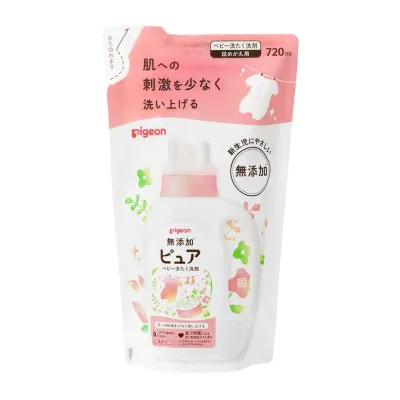
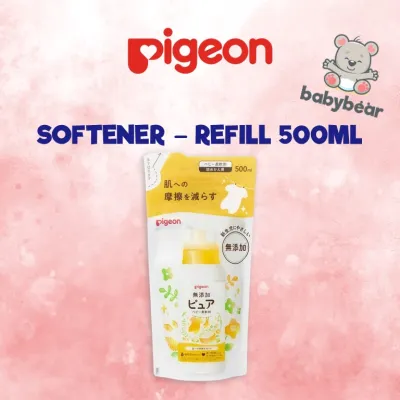
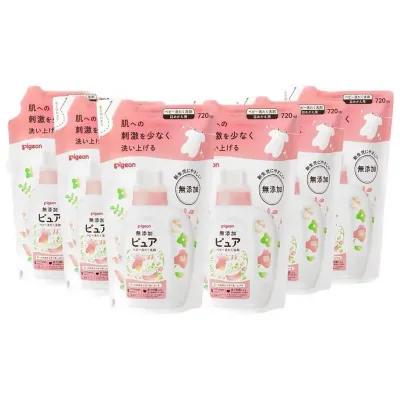
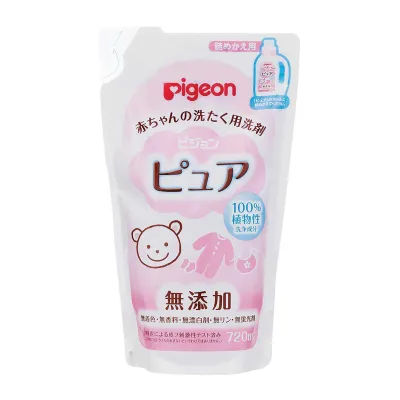
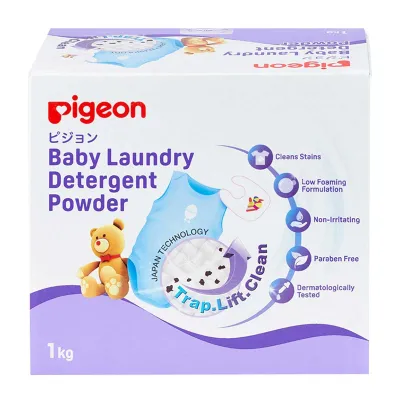
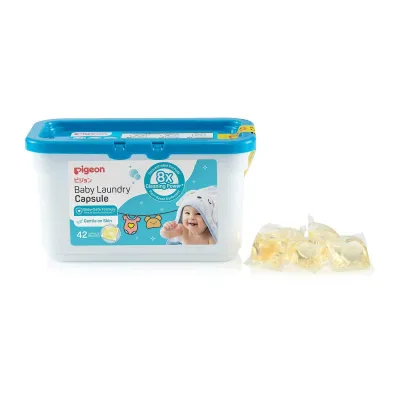
Prices are valid at publication and may change. Please refer to the product page for the latest price.
If you prefer to research before buying, navigate to the brand’s official regional website or their authorized stores on local online marketplaces. Official digital channels are more likely to maintain updated product specifications and ingredient disclosures. When browsing online, ensure you are looking at the specific product page for the exact item you plan to purchase, as liquid detergents, powder detergents, and specialized stain removers carry entirely different formulations.
It is important to recognize that ingredient formulations can vary significantly based on several factors. A Pigeon baby detergent manufactured for one country may use different surfactants or preservatives than one destined for another market due to local regulatory standards or regional consumer preferences. Additionally, manufacturers occasionally update their formulas to improve performance or comply with new environmental guidelines. Checking the batch code and the physical label of each new bottle ensures you are always aware of the exact ingredients currently in use.
Common Ingredient Categories in Baby Laundry Detergents
Deciphering the chemical names on a detergent label can feel overwhelming. However, most ingredients in a baby-specific laundry detergent fall into a few primary categories, each serving a distinct purpose in the cleaning process.

Surfactants and Cleaning Agents
Surfactants, or surface-active agents, are the primary cleaning workhorses in any detergent. Their main job is to break the surface tension of water, allowing it to wet fabrics more thoroughly and penetrate deep into fibers to lift away dirt, oils, and bodily fluids. On a baby laundry label, you will often find surfactants derived from natural plant sources, such as coconut or palm oil, which are selected for their mildness on sensitive skin.
When reviewing the label, look for terms like alkyl polyglucosides (such as coco-glucoside or decyl glucoside) or sodium coco-sulfate. These are common plant-derived surfactants known for their gentle cleaning action. While some manufacturers disclose the specific concentration levels of these active agents on the packaging, others may list them simply in order of predominance. Checking for these specific names helps you verify whether the formula relies on milder cleaning agents rather than harsh synthetic alternatives.
Enzymes, Preservatives, and Fragrances
Enzymes are specialized proteins added to detergents to target and break down specific types of organic stains. Because babies are prone to spills involving milk, formula, baby food, and spit-up, enzymes are highly effective additions to baby laundry formulas. Look for terms like protease (which breaks down protein-based stains like milk and blood), amylase (which targets starch-based food stains), and lipase (which tackles fats and oils). If your baby does not have extremely sensitive skin, these enzymes can make stain removal much easier without requiring harsh scrubbing.
Preservatives are another essential component, particularly in liquid detergents. Because liquid formulas contain a high percentage of water, they are highly susceptible to bacterial growth, mold, and yeast over time. Preservatives ensure the product remains stable and safe to use throughout its shelf life. When reading the label, you may see ingredients like phenoxyethanol, sodium benzoate, or potassium sorbate. While necessary for product safety, parents of highly sensitive infants often monitor these specific preservatives to ensure they do not trigger contact dermatitis.
Fragrances are often added to baby detergents to give freshly washed clothes a clean, pleasant scent. However, added perfumes are among the most common triggers for skin irritation and respiratory sensitivities in infants. If you are looking for a truly gentle option, check the ingredient list carefully. A product labeled “unscented” may still contain masking fragrances to hide the chemical smell of the raw ingredients, whereas a truly “fragrance-free” formula will completely omit fragrance oils and masking agents from its ingredient declaration.
Evaluating Ingredients for Your Baby's Skin Needs
No single detergent formula is universally perfect for every infant. To determine if the ingredients in a specific Pigeon baby detergent are suitable for your child, you must evaluate them against your baby’s unique skin profile. If your family has a history of eczema, asthma, or severe allergies, you should be extra cautious. Cross-reference the printed ingredient list with any known allergens identified by your family doctor or pediatric dermatologist.
After introducing a new laundry detergent, closely observe your baby’s skin for any physical changes. Look for signs of irritation, such as localized redness, dry or rough patches, small bumps, or persistent scratching, particularly in areas where clothing fits snugly against the skin, like the wrists, ankles, and collar line. Keep in mind that skin reactions can sometimes take several days to develop after initial exposure to washed garments.
If you notice any adverse skin reactions, stop using the detergent immediately and re-wash all of your baby’s clothes and bedding in plain water or a known safe alternative. If the irritation persists, spreads, or causes your baby discomfort, consult a qualified pediatrician or dermatologist for a proper assessment. Never rely solely on marketing claims like “hypoallergenic” or “pediatrician-tested” on the front of the bottle, as these terms are not universally standardized; the actual ingredient list and your baby’s physical reaction are the only reliable indicators of compatibility.
Additionally, always check the manufacturer’s packaging for specific age recommendations, dilution ratios, and usage warnings. Some formulations may be optimized for newborns, while others are designed for older babies who have begun eating solid foods and require stronger stain-fighting properties. Adhering to these guidelines ensures you are using the product within its intended safety parameters.
Usage and Rinsing Guidelines Based on Product Instructions
Even the mildest baby detergent can cause skin irritation if it is not properly rinsed out of clothing fibers. To minimize the risk of detergent buildup, always follow the exact dosage instructions printed on the back of the Pigeon packaging. Use the measuring cap provided to dispense the correct amount of liquid based on your washing machine’s load size, the soil level of the clothes, and your local water hardness. In Singapore’s tropical climate, where families wash clothes frequently due to daily sweat and humidity, using too much detergent is a common mistake that leads to stiff, residue-laden fabrics.
To ensure all active cleaning agents are completely removed, consider adjusting your washing machine’s settings. Running an extra rinse cycle is an excellent way to flush out any lingering surfactant or fragrance residues from thick cotton items, such as baby towels, cloth diapers, and heavy sleep sacks. If your washing machine has a dedicated “baby care” cycle, verify in the manual if this setting automatically includes extended rinsing phases.
Finally, adapt your washing routine based on the type of laundry you are handling. For everyday wear that is lightly soiled with sweat, a standard dose of mild detergent is sufficient. For heavily soiled items, such as clothes stained with blowout messes or dropped food, pre-treat the spots directly with a small amount of diluted detergent before placing them in the main wash. This targeted approach allows you to clean tough stains effectively without needing to increase the detergent dosage for the entire laundry load, keeping the overall residue levels as low as possible.
Frequently Asked Questions (FAQ)
Can I mix Pigeon baby laundry detergent with other cleaning products?
No, you should not mix Pigeon baby laundry detergent with other household cleaning products, such as chlorine bleach, fabric softeners, or other detergent brands, unless the product label explicitly states it is safe to do so. Mixing different chemical formulations can cause unwanted chemical reactions, neutralize the active cleaning agents, or leave behind complex chemical residues that are incredibly difficult to rinse out of baby clothing. Always check the specific product packaging for compatibility instructions and use each laundry additive separately according to its directions.
How do I know if the detergent is fully rinsed out of the clothes?
You can check for detergent residue by examining your baby’s clothes both when they are wet and after they have dried. If the wet clothes feel unusually slippery, slimy, or produce bubbles when squeezed under running water, there is still active detergent left in the fibers. Once dry, clothes with detergent buildup may feel stiff, scratchy, or have faint white streaks on darker fabrics. If you notice any of these signs, re-run the garments through a rinse-and-spin cycle without adding any extra detergent, and reduce your dosage in future wash loads.

Community discussion
Share your experience or ask a question. Comments are reviewed before publication.