
Quick Answer: Evaluating Pigeon Detergent for Newborns
When preparing for a newborn’s arrival, selecting a laundry detergent is a critical decision for maintaining delicate skin health. Newborn skin is exceptionally thin, sensitive, and highly susceptible to environmental irritants. While Pigeon is a widely recognized brand, determining whether its baby laundry detergent is safe for your newborn depends on several variables. There is no single universal formula, as product lines vary by region, and manufacturers frequently update their ingredients.
To evaluate safety, caregivers must adopt a systematic approach. This involves reading the specific ingredient label on the bottle or the pigeon laundry detergent refill pack, identifying potential irritants, and carefully monitoring your baby’s skin after the first few washes. Rather than relying solely on brand reputation, safety is best managed through active verification, careful dosage, and close observation.
How to Read the Ingredient List on Pigeon Refills and Bottles
Locating the ingredient list is the first step in verifying what actually comes into contact with your infant’s clothing. On standard Pigeon detergent bottles, this information is typically printed on the back label, near the usage instructions. When purchasing a pigeon laundry detergent refill pouch, do not assume the formulation is identical to the bottle you bought months prior. Manufacturers sometimes adjust formulations for different packaging types or regional markets, meaning you must inspect the back of the refill pouch with the same scrutiny.
Products mentioned in this guide
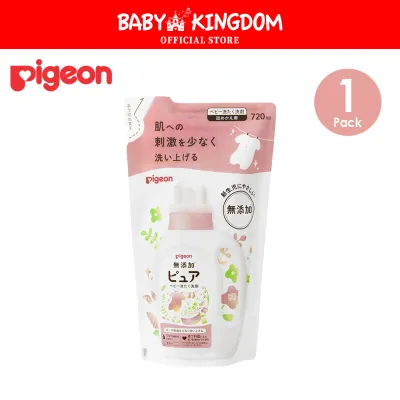
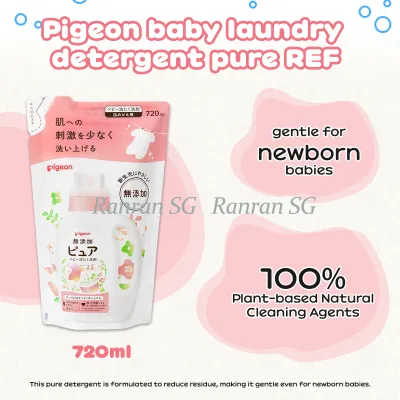
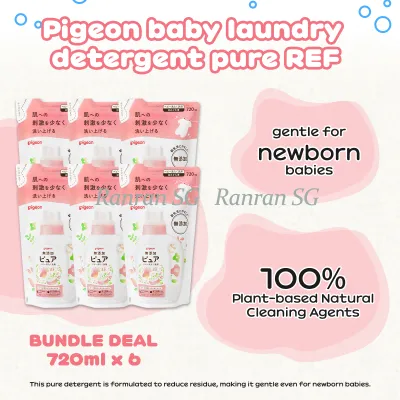
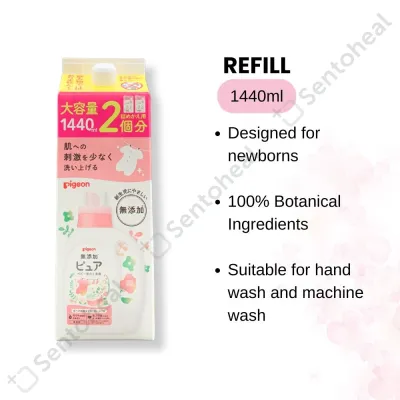
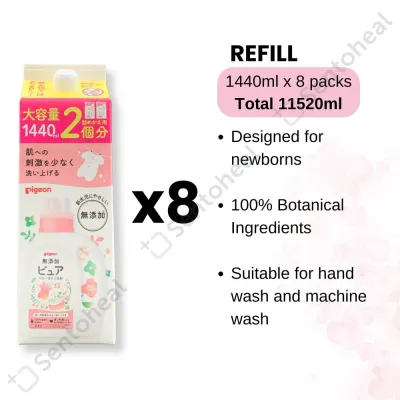
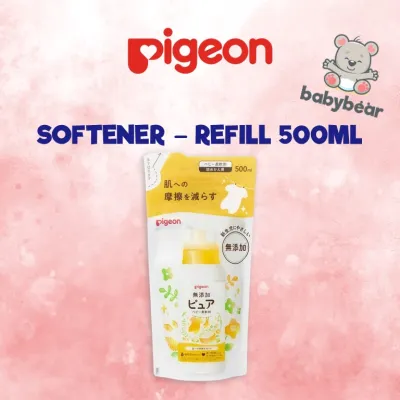
![Pigeon Baby Laundry Detergent 450ml Refill [New & Improved]](https://img.lazcdn.com/g/p/a4badfa68bfac414453a403e6bcc3ffa.png_400x400q80.png_.webp)
![[Made in Japan] Pigeon Laundry Detergent Bottle 800ml + 720ml Refill (Promo)](https://img.lazcdn.com/g/p/74fe3142508fb7d289b404ecf946bfb4.jpg_400x400q80.jpg_.webp)
Prices are valid at publication and may change. Please refer to the product page for the latest price.

Many baby products feature prominent marketing claims on the front of the packaging, such as “hypoallergenic,” “plant-based,” or “gentle on skin.” While these terms suggest a milder formulation, they are not strictly standardized medical classifications. A “plant-based” label, for instance, does not automatically guarantee that a product is free from natural allergens or strong surfactants. You must cross-reference these front-of-pack claims with the actual chemical names listed on the back to ensure they align with your baby’s specific skin needs.
Additionally, pay close attention to batch numbers and expiration dates. If you plan to pour a pigeon laundry detergent refill into an existing bottle, ensure the bottle is thoroughly washed and completely dried beforehand. Mixing leftover, older detergent with a fresh refill can introduce moisture, leading to bacterial growth or mold inside the bottle. This is particularly important in Singapore’s humid climate, where standing moisture in dark laundry areas creates an ideal environment for microbial contamination.
Understanding Common Ingredients in Baby Laundry Detergents
To make an informed decision, it helps to understand the general categories of ingredients found in baby detergents and how they interact with sensitive skin.
Surfactants Surfactants, or surface-active agents, are the primary cleaning agents responsible for breaking up oils and lifting dirt from fabric fibers. Standard household detergents often use strong anionic surfactants like Sodium Lauryl Sulfate (SLS) or Sodium Laureth Sulfate (SLES), which can strip natural lipids from a newborn’s skin barrier if not rinsed completely. Baby-specific detergents typically substitute these with milder, non-ionic or amphoteric surfactants, such as those derived from coconut or corn (for example, coco-glucoside or decyl glucoside). When reviewing your Pigeon label, look for these gentler alternatives, which clean effectively without leaving harsh residues.
Enzymes Enzymes are biological catalysts added to detergents to target specific types of stains. Amylases break down starches, proteases target protein stains like breast milk or formula, and lipases break down fats. While enzymes are highly effective at removing stubborn diaper leaks and spit-up stains, they can sometimes remain trapped in fabric fibers. For newborns with extremely sensitive skin or conditions like eczema, these residual enzymes can cause mild mechanical irritation. If you notice your baby reacting to an enzyme-based detergent, switching to an enzyme-free formula or adding an extra rinse cycle is a practical solution.
Fragrances and Dyes Fragrances and artificial colorants are among the most common triggers for contact dermatitis in infants. Even natural essential oils can cause allergic reactions on delicate newborn skin. When inspecting your detergent packaging, look for terms like “parfum,” “fragrance,” or specific dye codes (such as CI numbers). For the first few months of a newborn’s life, choosing a completely fragrance-free and dye-free variant is generally the safest approach to minimize the risk of respiratory or skin sensitization.
Preservatives and Stabilizers Because liquid detergents contain water, they require preservatives to prevent the growth of harmful bacteria, yeast, and mold over time. Common preservatives include phenoxyethanol, sodium benzoate, or potassium sorbate. While these ingredients are necessary to keep the product shelf-stable, some babies may have specific sensitivities to certain preservative families. Understanding which preservatives are used in your specific batch allows you to track potential triggers if your baby develops a localized skin reaction.
Evaluating Safety and Monitoring Newborn Skin Reactions
Because every baby’s skin barrier develops at a different rate, a detergent that works perfectly for one infant might cause irritation for another. To safely introduce a new detergent, implement a controlled patch-test method. Instead of washing your baby’s entire wardrobe at once, wash a single item—such as a cotton swaddle blanket or a couple of onesies—using the new detergent. Have your baby wear or use the item for 24 to 48 hours while you closely monitor their skin.
When observing your newborn, look for localized signs of contact irritation. These typically manifest as dry, rough patches, localized redness, small red bumps, or a fine rash. Pay extra attention to areas where clothing fits snugly against the skin, such as the wrists, ankles, neck, and diaper line, as friction can exacerbate irritation from detergent residues. If your baby becomes unusually fussy or scratches at their clothes, it may indicate discomfort caused by fabric stiffness or chemical residue.
To minimize the risk of irritation, always adhere strictly to the manufacturer’s dosage guidelines printed on the bottle or refill pack. Using too much detergent does not make clothes cleaner; instead, it oversaturates the wash water, making it difficult for the washing machine to rinse the soap out completely. In Singapore, where high-efficiency front-loading washing machines are common, using excess detergent can also lead to buildup inside the machine drum, which transfers back onto subsequent laundry loads.
As an added precaution, configure your washing machine to run an extra rinse cycle for all newborn laundry. This simple step helps flush away any lingering surfactant or enzyme particles from the fabric weave, ensuring that only clean, soft fibers touch your baby’s skin.
When to Stop Use and Seek Professional Advice
If you observe any adverse skin changes, immediately stop using the detergent and wash all affected clothing in plain, warm water to remove any remaining residue. While mild dryness or slight redness can often be resolved by switching to a fragrance-free formula or increasing the rinse frequency, certain symptoms require immediate medical attention.
Red flags that necessitate a visit to a pediatrician or a pediatric dermatologist include weeping or blistering rashes, widespread hives, swelling, or signs of secondary infection from scratching (such as yellow crusting or warmth to the touch). If your baby shows signs of respiratory distress, such as coughing or wheezing after wearing freshly washed clothes, seek medical care immediately, as this can indicate a sensitivity to airborne fragrance residues.
Avoid applying over-the-counter hydrocortisone creams, heavy herbal salves, or home remedies to newborn skin without direct guidance from a healthcare professional. Newborn skin is highly permeable, and unprescribed topical treatments can easily absorb into their system, potentially causing further complications or masking the underlying cause of the irritation.
Frequently Asked Questions (FAQ)
Do I need to wash new baby clothes before using Pigeon detergent?
Yes, you should always wash new baby clothes, blankets, and fabric toys before they touch your newborn’s skin. During the manufacturing, packaging, and shipping processes, fabrics are often treated with chemical sizing agents, starches, and flame retardants to keep them looking pristine on store shelves. They also accumulate dust and handling residues from factory floors and shipping containers. A quick initial wash using a small amount of gentle baby detergent or even a plain water rinse removes these manufacturing residues, ensuring the fabric is soft and clean for your baby.
Can I mix Pigeon detergent with regular adult laundry soap?
You should avoid mixing baby detergent with adult laundry soaps in the same wash cycle. Adult detergents are formulated to tackle heavy soil, grease, and body odors, and they frequently contain strong surfactants, optical brighteners, and heavy synthetic perfumes designed to linger on fabrics. Mixing the two dilutes the gentle properties of the baby detergent and exposes your newborn’s clothes to harsh chemicals. To protect your baby’s sensitive skin, wash their garments in a dedicated load, and consider running an occasional empty rinse cycle on your washing machine to clear out any leftover adult detergent residue.

Community discussion
Share your experience or ask a question. Comments are reviewed before publication.