
Quick Answer: Is Pigeon Baby Detergent Safe for Newborns?
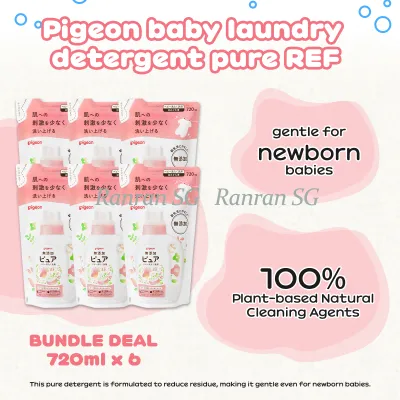
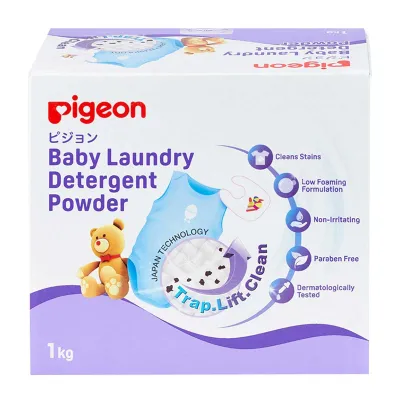
Pigeon baby detergents are generally formulated to be mild, typically utilizing plant-derived or gentle synthetic surfactants while avoiding harsh chemicals like phosphorus and fluorescent brighteners. These formulations aim to minimize the risk of irritation on delicate infant skin while effectively clearing away milk, spit-up, and organic soils.
However, absolute safety is highly dependent on your individual newborn’s unique skin sensitivity. No single product can guarantee a completely reaction-free experience for every baby. Caregivers must always check the specific product label of the exact variant purchased, read the garment manufacturer’s care instructions, and closely monitor the baby’s skin for any adverse reactions—such as redness or dry patches—after the first few washes. If you notice signs of discomfort or skin changes, stop using the product immediately and consult a qualified medical professional.
Breaking Down the Ingredients in Pigeon Detergent Refills
Understanding what goes into a baby laundry detergent helps parents make informed choices. Liquid detergent refills from Pigeon are engineered to balance cleaning efficacy with mildness, but the exact formulation can vary by region, batch, and product variant. Checking the ingredient list on your specific packaging is always the most reliable way to verify what you are using.
Products mentioned in this guide
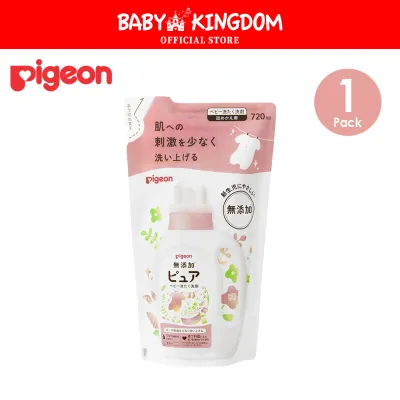
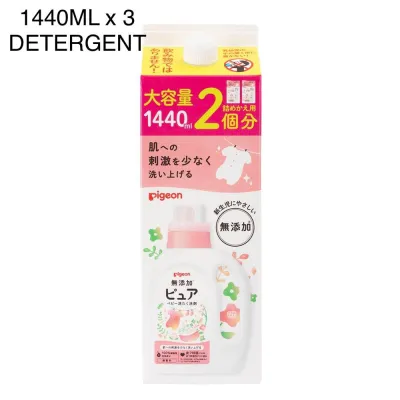
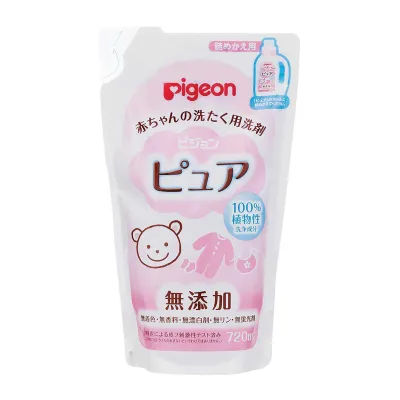
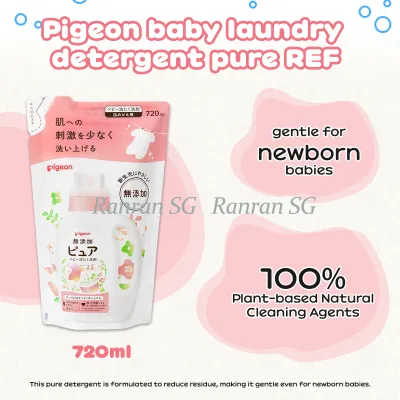
Prices are valid at publication and may change. Please refer to the product page for the latest price.

Surfactants (The Cleaning Agents)
Surfactants, or surface-active agents, are the core cleaning components in any detergent. They work by lowering the surface tension of water, allowing it to wet fabrics more effectively, bind to oily soils, and lift them away from the fibers. In baby-specific detergents, manufacturers typically prioritize plant-derived surfactants, such as those derived from coconut or palm oil, or mild synthetic alternatives.
These gentle surfactants are generally non-ionic or amphoteric, meaning they carry no charge or a neutral charge in typical washing conditions. This chemical structure makes them far less aggressive than the strong anionic surfactants—such as Sodium Lauryl Sulfate (SLS)—frequently found in standard adult laundry detergents. While adult detergents excel at stripping heavy grease, they can leave harsh residues that irritate a newborn’s delicate skin barrier. Plant-derived options provide a milder cleansing action that lifts typical infant soils without leaving behind highly irritating residues.
Enzymes and Stain Targeters
Biological enzymes are specialized proteins added to detergents to target specific types of stubborn stains. In baby laundry, these stains are almost exclusively organic, consisting of breastmilk, infant formula, spit-up, and bodily fluids. Enzymes act as catalysts, breaking down complex proteins, fats, and starches into smaller, water-soluble molecules that can be easily rinsed away.
Common enzymes used in high-quality baby detergents include:
- Protease: Targets protein-based stains like milk, spit-up, and blood.
- Amylase: Breaks down starch-based soils, which become more common as infants transition to solid foods.
- Lipase: Targets lipid or fat-based stains, such as the fats found in breastmilk and formula.
While enzymes are highly effective at stain removal, residues left behind on fabric fibers can occasionally trigger sensitivity in newborns with extremely reactive skin. If your baby has highly sensitive skin, ensuring a thorough rinse cycle is critical to removing any active enzyme residues.
Preservatives and Stabilizers
Preservatives are essential components in liquid detergent refills. Because liquid formulas contain water, they are highly susceptible to bacterial, fungal, and mold growth. This risk is particularly pronounced in warm, humid climates like Singapore, where open refill pouches or improperly sealed bottles can easily become breeding grounds for microbes.
To keep the product shelf-stable and safe for use over several months, manufacturers include a preservative system. When choosing a refill, parents should look for mild, baby-safe preservative systems on the label. Avoid products that contain harsh preservatives known to release formaldehyde or cause contact allergies, such as methylisothiazolinone (MIT) or methylchloroisothiazolinone (CMIT), which are increasingly restricted in infant-specific formulations.
Fragrances, Dyes, and Additives
Fragrances and artificial dyes are added to consumer detergents primarily for aesthetic appeal and to mask the natural chemical scent of the raw ingredients. However, synthetic fragrances and colorants are among the most common triggers for contact dermatitis and skin irritation in infants.
Many Pigeon baby detergent variants are formulated to be completely dye-free, and they either use very mild, hypoallergenic scents or are entirely fragrance-free. If your newborn has highly reactive skin, diagnosed eczema, or a strong family history of atopic allergies, prioritizing fragrance-free and dye-free variants is a prudent step to minimize potential skin exposure to unnecessary chemical additives.
Newborn Skin Sensitivity and Detergent Safety
A newborn baby’s skin is structurally and functionally different from adult skin. The stratum corneum—the outermost layer of the epidermis—is up to 30 percent thinner in infants than in adults. Additionally, a newborn’s skin barrier is highly permeable, meaning it absorbs topical substances more readily and loses moisture much faster.
During the first few months of life, an infant’s skin is also developing its natural “acid mantle,” a slightly acidic film on the skin’s surface that helps protect against harmful bacteria and environmental irritants. Traditional adult detergents are often highly alkaline, and any residues left on clothing can disrupt this delicate pH balance. When the skin’s pH is altered or when residual surfactants bind to the skin’s proteins, the barrier can break down, leading to dryness, micro-cracks, and localized inflammation.
Parents should monitor their baby closely for physical signs of detergent-related skin irritation, which typically present as:
- Localized redness: Red patches or small bumps on areas of the body in direct, friction-prone contact with clothing, such as the collarbone, thighs, or wrists.
- Dry, scaling skin: Rough patches that do not improve with standard infant moisturizers.
- Unexplained fussiness: Increased irritability or rubbing against bedding, which may indicate itching or physical discomfort.
Establish a strict safety boundary: if you observe any signs of contact dermatitis, localized rashes, or persistent dry patches, immediately stop using the detergent. Wash the baby’s clothing in plain water to strip away any remaining residue, and consult a pediatrician or dermatologist for a professional evaluation.
How to Verify Claims on the Pigeon Refill Packaging
Navigating the claims on baby detergent packaging requires a critical eye. To ensure you are choosing the safest possible option for your newborn, you should know how to read and verify the information provided on the refill pouch.
"Free-from" Claims
Many packaging labels prominently feature “free-from” claims. Understanding why these specific exclusions matter helps you evaluate the product’s suitability:
- No Fluorescent Brighteners: Fluorescent whitening agents (FWAs) are chemicals that absorb ultraviolet light and re-emit it as blue light, making fabrics appear whiter and brighter. These chemicals do not clean the fabric; instead, they are designed to remain on the fibers after washing. Because they persist on the clothing, they can easily transfer to a newborn's skin and cause irritation.
- No Phosphorus: Phosphorus compounds, like phosphates, are water softeners that help surfactants clean more effectively. However, they are harsh on sensitive skin and pose significant environmental risks, such as promoting harmful algal blooms in water systems.
- No Bleach: Chlorine bleach is highly alkaline and corrosive. It can damage delicate baby clothing fibers and cause severe skin and respiratory irritation if not completely rinsed out.
Ingredient List Order
By international labeling standards, ingredients are listed on the packaging in descending order of concentration. The ingredients at the very top of the list make up the majority of the product. When reviewing a Pigeon refill pouch, water and the primary surfactants should be at the top, followed by stabilizers, enzymes, preservatives, and any optional fragrance at the very bottom. If you see harsh chemicals or strong synthetic additives high up on the list, it may indicate a formulation that is less ideal for a newborn’s sensitive skin.
Variant Differences
It is important to note that Pigeon offers several different laundry detergent variants across different markets. Some formulations are designed specifically for newborn clothing, emphasizing organic, plant-derived ingredients and zero added fragrances. Other variants may include antibacterial properties, which are formulated to eliminate odor-causing bacteria but may contain different active ingredients. Always read both the front and back labels of the refill pouch carefully to verify that you have purchased the specific variant intended for newborn use rather than a general-purpose or heavy-duty family formulation.
Best Practices for Washing Newborn Clothes and Bedding
Even the mildest baby detergent can cause skin irritation if used incorrectly. Implementing proper laundry habits is just as important as selecting the right product formulation.
Pre-washing New Items
Always wash all newly purchased baby clothes, blankets, swaddles, sheets, and reusable diapers before they ever touch your newborn’s skin. During the manufacturing, storage, and shipping processes, fabrics are frequently treated with chemical sizing agents, finishing treatments, and starches to keep them looking crisp on store shelves. They can also accumulate dust, chemical residues, and environmental contaminants. A thorough wash with a gentle baby detergent removes these manufacturing residues completely.
Dosage and Rinsing
When measuring your detergent, strictly follow the manufacturer’s recommended dosage guidelines printed on the back of the Pigeon refill pack. It is a common misconception that using more detergent results in cleaner clothes. In reality, excess detergent creates a surplus of suds that cannot be easily rinsed away by standard washing machine cycles. This excess soap remains trapped within the fabric fibers, drying into a stiff residue that can rub against and irritate your baby’s skin.
To ensure maximum safety:
- Measure the liquid precisely using a designated measuring cap.
- Adjust the dosage downward for smaller loads or lightly soiled items.
- Utilize an "extra rinse" or "double rinse" cycle on your washing machine, especially for heavily soiled items, to guarantee that every trace of surfactant and enzyme is thoroughly flushed out of the fabrics.
Patch Testing
Before washing your newborn’s entire wardrobe with a new detergent, perform a simple patch test to check for compatibility. Wash a single, small item—such as a muslin square, a bib, or a single onesie—using the new detergent according to the package instructions. Once dry, dress your baby in this single item or place the muslin square against their skin for a day. Monitor the contact area closely for any signs of redness, bumps, or dry patches. If no reaction occurs after 24 to 48 hours, you can proceed with using the detergent for the rest of your baby’s laundry.
Always check the applied detergent’s label and the treated item’s manufacturer care instructions before washing. If the instructions conflict, the fabric material is unidentified, or the specific use is not covered on the product packaging, stop and consult the manufacturer or a qualified professional.
Frequently Asked Questions (FAQ)
Can I wash baby clothes together with adult laundry using this detergent?
It is highly recommended to wash your newborn’s laundry separately from adult clothing. Adult garments are often exposed to heavy outdoor soils, industrial dust, strong perfumes, and cosmetic residues that can easily transfer to baby clothes during a combined wash cycle. Furthermore, adult laundry is frequently treated with standard detergents and fabric softeners, which can leave irritating chemical residues inside the washing machine drum that may contaminate the baby’s wash load.
Do I need to use a fabric softener with Pigeon baby detergent?
You should avoid using fabric softeners on newborn clothing and bedding. Commercial fabric softeners work by depositing a thin, chemical film over the fabric fibers to make them feel slick and soft. This coating can significantly reduce the natural absorbency and breathability of cotton and bamboo fabrics, which are essential for regulating a baby’s body temperature. Additionally, softeners are heavily loaded with synthetic fragrances and preservatives that are common triggers for infant skin allergies.
How should I store the detergent refill pouch safely at home?
Always store the detergent refill pouch completely out of reach of children and pets, preferably in a high, locked cabinet. Liquid detergent refills can pose a severe ingestion hazard. Keep the pouch in a cool, dry place away from direct sunlight to prevent the active ingredients, enzymes, and preservatives from degrading over time. Ensure the spout cap is screwed on tightly after every use to prevent accidental leaks, spills, or contamination from environmental moisture.

Community discussion
Share your experience or ask a question. Comments are reviewed before publication.