
Choosing the right laundry detergent for a newborn is a critical safety decision for new parents. Because a baby’s skin is up to thirty percent thinner than adult skin, it absorbs substances more rapidly and is highly susceptible to irritation, dryness, and contact dermatitis. Pigeon baby laundry detergent refills are a popular choice, offering a convenient and eco-friendly way to replenish cleaning supplies. However, determining whether these refills are safe for your newborn requires a close look at their specific ingredient formulation. Since chemical compositions can vary by region, batch, and product line, parents must learn how to read the packaging labels and identify which ingredients are gentle and which might trigger a skin reaction.
How to Read the Ingredient List on Pigeon Detergent Refills
To verify what goes onto your baby’s clothing, start by locating the full ingredient list on the physical refill packaging. On standard Pigeon detergent refill pouches, this information is typically printed on the back panel, near the usage instructions or safety warnings. Manufacturers sometimes list ingredients under terms like “Ingredients,” “Composition,” or “Active Ingredients.” If the text is small or partially obscured by a promotional sticker, take the time to clear the surface so you can read every item clearly.
Once you locate the list, the ingredients are generally arranged in descending order of concentration. The first few items represent the bulk of the formula, which usually includes water and the primary cleaning agents, known as surfactants. Surfactants are responsible for breaking down oils, spit-up, and milk stains on baby garments. When reading these names, look for terms that indicate the source of the surfactant, such as those derived from coconut or palm oil.
Products mentioned in this guide
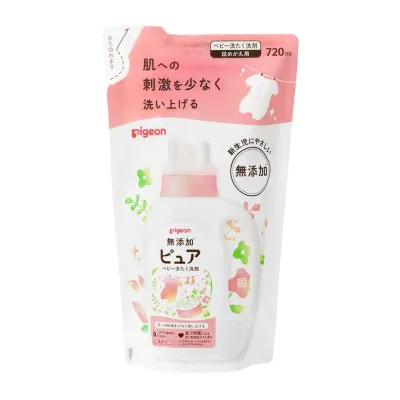
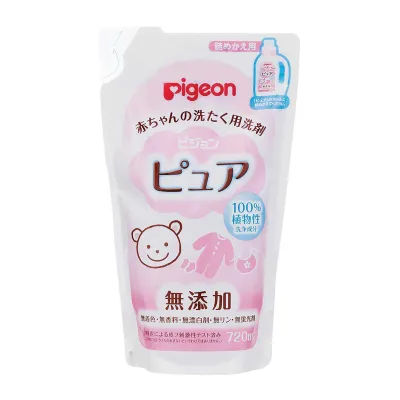
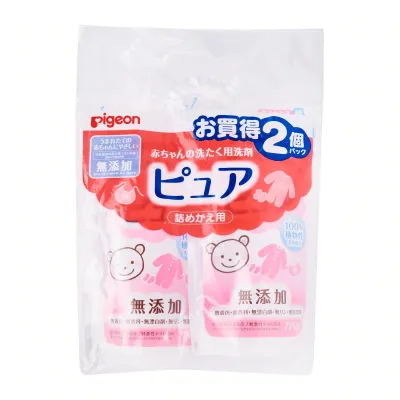
Prices are valid at publication and may change. Please refer to the product page for the latest price.
Further down the list, you will find functional additives, which may include pH adjusters, water softeners, preservatives, and fragrances. Preservatives are necessary to prevent bacterial and mold growth inside the liquid pouch, especially in warm, humid climates like Singapore where storage areas can become damp. However, the specific types of preservatives and fragrances used can vary significantly. If a refill pouch only lists broad categories like “surfactants” or “preservatives” without naming the specific chemical compounds, you may need to check the manufacturer’s official local website or contact their customer service to obtain the complete safety data sheet.
Key Ingredients to Check for Newborn Skin Sensitivity
When evaluating a baby detergent refill for newborn safety, the primary goal is to identify and avoid harsh chemicals that can strip the skin’s natural moisture barrier. Traditional adult detergents often rely on strong synthetic surfactants like Sodium Lauryl Sulfate (SLS) or Sodium Laureth Sulfate (SLES). These compounds are highly effective at removing grease but are known skin irritants that can leave residues on fabric fibers. For newborns, look for milder, plant-derived surfactants such as coco-glucoside, decyl glucoside, or sodium methyl cocoyl taurate, which clean effectively without compromising delicate skin.

Fragrances and colorants are another major source of contact allergies in infants. Even if a product is marketed as having a “clean” or “baby-fresh” scent, synthetic fragrances can contain complex mixtures of chemicals that trigger eczema flare-ups. Essential oils are sometimes used as natural alternatives, but they are not inherently safe; botanical extracts like lavender or citrus oils contain natural allergens that can still irritate a newborn’s respiratory system and skin. Opting for fragrance-free and dye-free formulas is generally the safest approach during the first few months of life.
Preservatives are essential for product stability, but certain types are highly sensitizing. Avoid detergents containing parabens, methylisothiazolinone (MIT), or formaldehyde-releasing preservatives, as these have been linked to skin sensitization and allergic contact dermatitis. While “free-from” claims on the front of the packaging—such as “paraben-free” or “phosphate-free”—are helpful starting points, always cross-reference these claims with the actual ingredient list on the back of the refill pouch to ensure no alternative sensitizing agents have been substituted.
Understanding "Baby-Safe" Claims and Certifications
The front of a baby detergent refill pouch is often covered with marketing claims designed to reassure parents. Understanding the distinction between these terms is crucial for making an informed decision. For example, the label “Dermatologically Tested” simply means the product was tested on human skin under the supervision of a dermatologist. It does not specify the testing methodology, the number of participants, or whether any subjects experienced mild irritation. It is a helpful indicator of basic safety testing, but it is not a guarantee of absolute compatibility with your baby’s skin.
Similarly, “Hypoallergenic” is a term used to indicate that the formulation is less likely to cause allergic reactions compared to standard detergents. However, because there is no universal regulatory standard defining what makes a product hypoallergenic, manufacturers use this label based on their own internal testing protocols. To gain more confidence, look for independent, third-party certifications from recognized dermatological or environmental organizations. These logos indicate that the product has met strict external standards regarding ingredient safety and environmental impact.
It is also important to recognize that terms like “100% natural” or “plant-based” do not automatically mean a product is completely safe for sensitive skin. Natural ingredients can still be potent allergens. For instance, coconut-derived ingredients can occasionally cause reactions in infants with specific sensitivities. Rather than relying solely on broad natural claims, focus on the simplicity of the ingredient list and prioritize formulas that minimize the total number of chemical components.
Practical Steps to Test Detergent Safety for Your Baby
Because every newborn’s skin chemistry is unique, the only way to be certain a detergent is safe for your baby is to perform a controlled test before washing their entire wardrobe. Start by selecting a single, small item that comes into direct contact with your baby’s skin, such as a washcloth, a mitten, or a small onesie. Wash this item using the Pigeon detergent refill, following the exact dosage instructions on the packaging, and ensure it goes through a complete wash and rinse cycle. Do not use any other laundry additives, such as fabric softeners or scent boosters, during this test.
Once the item is dry, place it on a small patch of your baby’s skin, such as the inner arm or the upper thigh, for a brief period under close caregiver supervision. Observe the area over the next 24 to 48 hours for any signs of localized skin irritation. Look closely for redness, dryness, rough patches, raised bumps, or a mild rash. If your baby shows any signs of discomfort, scratching, or skin changes, remove the garment immediately and wash the skin gently with clean, lukewarm water.
If a reaction occurs, stop using the detergent immediately and switch back to a previously tolerated washing method or water-only washing for essential items. Keep a record of the ingredient list from the refill pouch to help identify potential triggers. If the rash persists, spreads, or causes your baby significant distress, consult a qualified pediatrician or dermatologist for a professional diagnosis and treatment plan. Never apply over-the-counter steroid creams or medicated lotions to a newborn’s skin without professional medical advice.
Best Practices for Washing Newborn Clothes and Linens
Using a gentle detergent is only half the battle; how you wash your baby’s clothes plays an equally important role in preventing skin irritation. One of the most common mistakes parents make is overusing detergent, thinking that more soap equals cleaner clothes. In reality, excess detergent is difficult to rinse out, leaving a microscopic film of surfactants trapped within the fabric fibers. This residue rubs against your baby’s skin throughout the day, leading to friction-induced irritation. Always use a measuring cup to follow the manufacturer’s recommended dosage printed on the refill pouch, adjusting the amount based on the load size and water hardness.
To ensure all detergent residues are thoroughly removed, configure your washing machine to run an extra rinse cycle. This is particularly important in Singapore’s humid climate, where clothes are often dried indoors or in high-rise utility yards. High humidity can slow down the drying process, and any trapped detergent residues combined with lingering moisture can create an environment prone to bacterial growth and musty odors. A thorough rinse ensures that only clean, residue-free fabric touches your newborn’s skin.
Additionally, always wash your newborn’s clothes, bedding, and reusable diapers separately from adult laundry. Adult garments are often exposed to heavy outdoor soils, perfumes, cosmetics, and strong industrial detergents that can easily transfer to baby items during a mixed wash cycle. To maintain a clean washing environment, run a monthly maintenance cycle on your washing machine using hot water and a dedicated machine cleaner to remove any accumulated soap scum, mold, or bacterial buildup from the drum and detergent dispenser.
Frequently Asked Questions (FAQ)
Do I need to use a special detergent for newborn clothes?
While it is not strictly mandatory to buy a dedicated baby detergent, it is highly recommended during the first few months of life. Standard adult detergents often contain optical brighteners, heavy synthetic fragrances, and strong surfactants designed to tackle tough outdoor stains, all of which can easily irritate a newborn’s delicate skin barrier. If you choose to use a regular family detergent, ensure it is a mild, fragrance-free, and dye-free formula, and carefully review the ingredient list to confirm it does not contain harsh chemicals or sensitizing preservatives.
Can I mix baby detergent with fabric softeners?
It is best to avoid using liquid fabric softeners on newborn clothing and linens. Fabric softeners work by leaving a thin, chemical coating over the fabric fibers to make them feel softer. This coating can trap detergent residues, reduce the absorbency of cotton diapers and towels, and often contains strong synthetic fragrances that can trigger skin allergies. If you need to soften baby clothes naturally, consider adding a small amount of distilled white vinegar to the fabric softener dispenser during the rinse cycle, or simply tumble dry the garments on a low-heat setting.
What should I do if my baby develops a rash after washing clothes?
If you suspect your baby is reacting to a laundry detergent, stop using the product immediately. Re-wash all recently cleaned baby garments and bedding in plain, warm water without any detergent to strip away lingering residues. Dress your baby in loose, breathable cotton clothing and monitor the skin closely. If the redness, dryness, or rash does not improve within a few days, or if your baby develops a fever, shows signs of infection, or seems unusually fussy, seek immediate advice from a pediatrician or dermatologist.

Community discussion
Share your experience or ask a question. Comments are reviewed before publication.