
Choosing a laundry detergent for your newborn is one of the first safety decisions you will make as a parent. Your baby’s skin is incredibly delicate, thin, and highly permeable, making it far more vulnerable to chemical irritants than adult skin. Pigeon baby detergent is a popular choice among parents, but determining if it is safe for your newborn requires looking closely at its specific ingredients and understanding how they interact with infant skin.
While Pigeon formulates its baby laundry products specifically for delicate skin, “safe” is not an absolute guarantee. Safety depends heavily on the specific product variant you choose and your individual newborn’s skin sensitivity. Pigeon offers several formulations, including liquid detergents, powders, and concentrated options, which may feature different ingredients depending on whether they are designed for standard washing, stain removal, or antibacterial protection.
Because formulations can vary by region and product line, it is essential to check the specific product label for newborn suitability claims, age recommendations, and dermatological testing statements. What works perfectly for an older infant might not be ideal for a day-old newborn with an exceptionally fragile skin barrier. By understanding what goes into these detergents, you can make an informed choice that keeps your baby’s clothes clean without compromising their skin health.
Products mentioned in this guide
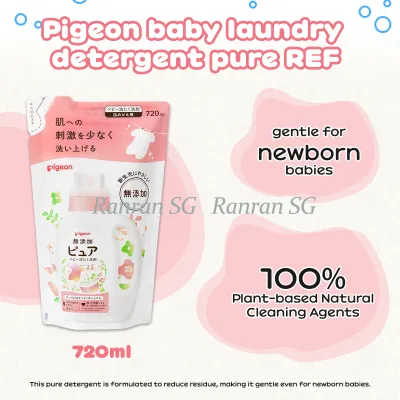
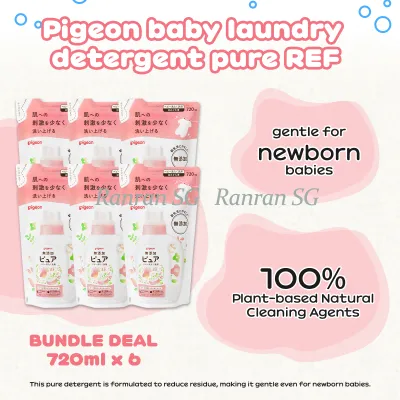
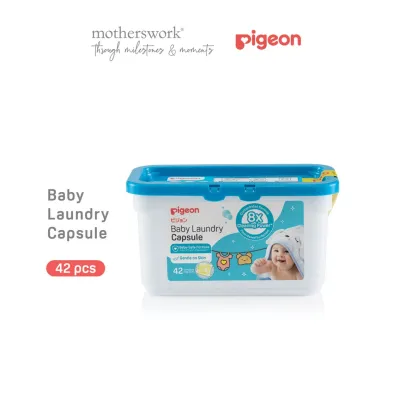
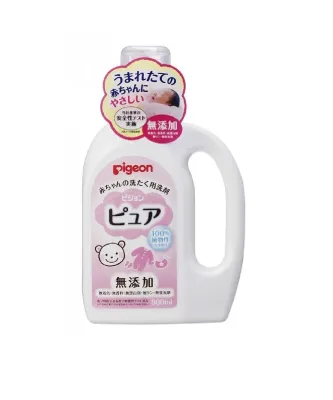
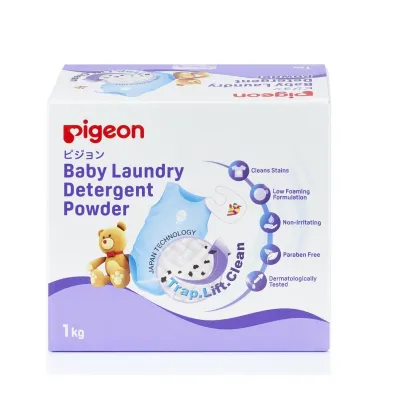
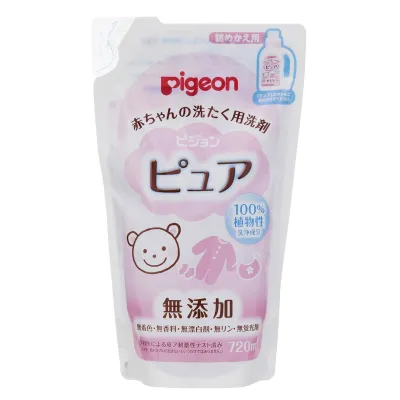
![Pigeon Baby Laundry Detergent 450ml Refill [New & Improved]](https://img.lazcdn.com/g/p/a4badfa68bfac414453a403e6bcc3ffa.png_400x400q80.png_.webp)
Prices are valid at publication and may change. Please refer to the product page for the latest price.
Evaluating Pigeon Baby Detergent for Newborn Skin Safety
Newborn skin is significantly thinner than adult skin, meaning it absorbs topical substances more easily and loses moisture at a faster rate. This high permeability makes infants highly susceptible to contact dermatitis, which can present as dry patches, redness, or itchy bumps. Pigeon baby detergent is generally formulated to minimize these risks by prioritizing mild cleaning agents and avoiding the harsh industrial chemicals commonly found in standard adult detergents.
However, parents must recognize that baby detergents are not one-size-fits-all products. For example, a variant formulated with mild fragrances might be perfectly fine for a baby with normal skin but could trigger a flare-up in a newborn prone to eczema. Similarly, antibacterial variants serve a specific purpose but may contain additional active ingredients that are unnecessary for a newborn’s daily wear.
Before purchasing, always inspect the physical packaging of the specific Pigeon detergent available in your local store. Look for clear labels indicating that the product has been dermatologically tested and is suitable for newborns from day one. In Singapore, where humid weather can exacerbate skin fold irritation and sweat rashes, choosing the mildest possible formula for the first few weeks of life is a prudent step in protecting your baby’s developing skin barrier.
Understanding the Ingredients in Pigeon Baby Detergent
To evaluate whether a detergent is safe for your baby, it helps to break down the formulation into its primary functional categories. Baby detergents typically consist of water, cleaning agents, stabilizers, and optional additives like enzymes or fragrances. Understanding what these ingredients do allows you to assess their safety profile more accurately.

Surfactants and Cleaning Agents
Surfactants are the core cleaning agents in any laundry detergent. Their primary job is to lower the surface tension of water, allowing it to penetrate fabric fibers, lift away dirt and oils, and suspend them in the water so they can be washed away. In baby detergents, the source and concentration of these surfactants are critical.
Pigeon typically utilizes mild, low-foaming surfactants, often derived from natural plant sources such as coconut or palm kernel oil. Plant-based and amino acid-based surfactants are generally preferred over petroleum-based alternatives because they are gentler on the skin and biodegrade more easily.
The low-foaming nature of these surfactants is particularly important for baby laundry. High-foaming detergents can be difficult to rinse out completely, especially in modern high-efficiency washing machines. Any surfactant residue left trapped in the fibers of a baby’s onesie can rub against their skin throughout the day, leading to localized irritation and dryness.
In Singapore, where tap water is generally soft, detergents lather easily and rinse away relatively well. However, because many families dry laundry indoors in high-rise apartments or HDB flats, any residual detergent can trap moisture in the fabric fibers, leading to a musty smell and potential bacterial growth. This makes thorough rinsing and selecting a low-residue surfactant even more critical.
Enzymes for Stain Removal
Newborn laundry is frequently subjected to organic, protein-based stains from breast milk, formula, spit-up, and diaper leaks. Standard washing agents often struggle to remove these stubborn spots without the help of biological enzymes, which act as catalysts to break down complex organic molecules into smaller, water-soluble pieces.
Common enzymes used in laundry detergents include amylase (for starches), protease (for proteins like milk), and lipase (for fats and oils). While these enzymes are highly effective at keeping baby clothes looking clean and fresh at lower washing temperatures, they can occasionally pose a risk to babies with highly sensitive or compromised skin barriers.
If enzyme residues are not thoroughly rinsed out of the fabric, they can reactivate when they come into contact with moisture, such as your baby’s sweat. This can lead to skin irritation. When selecting a Pigeon baby detergent, check the label to see if the specific variant is a “bio” (enzyme-containing) or “non-bio” (enzyme-free) formulation, allowing you to choose based on your baby’s skin history.
Preservatives and Fragrances
Liquid detergents contain a high percentage of water, making them highly susceptible to bacterial and fungal growth over time. To ensure the product remains safe to use throughout its shelf life, manufacturers must include preservatives. This necessity is even more pronounced in Singapore’s warm, highly humid climate, where mold and bacteria thrive.
While preservatives are necessary for product safety, some types can be sensitizing to newborn skin. Pigeon formulates its baby detergents with mild preservation systems designed to keep the product stable without relying on highly irritating chemicals.
Fragrances are another major consideration for parents. While a freshly scented baby outfit is appealing, synthetic fragrances are among the most common triggers for pediatric skin allergies and respiratory sensitivities. Pigeon offers both scented and unscented variants. For the first few weeks of a newborn’s life, or if your family has a history of eczema or asthma, opting for an unscented, fragrance-free variant is the safest approach.
Harsh Ingredients to Check for on the Label
When shopping for baby laundry detergent, knowing what to avoid is just as important as knowing what to look for. Parents can use the following checklist to evaluate the ingredient list on any Pigeon baby detergent bottle to ensure it meets the highest standards of safety for newborn skin.
- Optical Brighteners (Fluorescent Agents): These are chemical compounds added to detergents to make fabrics appear whiter and brighter by absorbing ultraviolet light and emitting blue light. They do not actually clean the clothes; instead, they are designed to remain chemically bonded to the fabric fibers even after rinsing. This constant contact can easily cause contact dermatitis on a newborn's highly permeable skin.
- Strong Synthetic Dyes: Artificial colors are often added to liquid detergents simply to make the product look appealing in the bottle. These dyes serve no functional cleaning purpose and introduce unnecessary chemical compounds that can trigger allergic skin reactions in sensitive infants.
- Harsh Sulfates (e.g., high concentrations of SLS/SLES): Sodium Lauryl Sulfate (SLS) and Sodium Laureth Sulfate (SLES) are common foaming agents. While some mild, highly diluted sulfate derivatives are acceptable in baby products, high concentrations of strong sulfates can strip the skin's natural lipid barrier, causing severe dryness and irritation.
- Certain Strong Preservatives (e.g., MIT/CMIT): Methylisothiazolinone (MIT) and Methylchloroisothiazolinone (CMIT) are powerful preservatives that have been widely linked to contact allergies. While safe for rinse-off adult products in regulated amounts, they should be avoided in laundry detergents used for garments that sit directly against a newborn's skin for extended periods.
Always take a moment to verify the absence of these specific chemicals on the product packaging before making a purchase. A high-quality baby detergent should explicitly state that it is formulated without optical brighteners, artificial colorants, and harsh preservatives.
How to Safely Wash Newborn Clothes with Pigeon Detergent
Even the gentlest baby detergent can cause skin issues if used incorrectly. Establishing a safe, consistent laundry routine is essential to protect your newborn’s skin and ensure their clothes are thoroughly cleaned and sanitized.
- Follow Recommended Dosage and Dilution: It is a common misconception that using more detergent results in cleaner clothes. In reality, excess detergent is incredibly difficult to rinse out, leaving a soapy residue trapped within the fabric fibers. Always use the measuring cap provided and strictly follow the manufacturer's dosage guidelines based on your load size.
- Ensure Thorough Rinsing: Always select an extra rinse cycle on your washing machine when laundering newborn clothes. This extra step helps guarantee that all traces of surfactants, enzymes, and soil are completely flushed out of the fabric. In Singapore, where many families dry clothes indoors in high-rise apartments, thorough rinsing also helps prevent the musty odors that can develop when residual organic matter or detergent remains in damp fabrics.
- Implement a Patch Testing Protocol: Before washing your baby's entire wardrobe with a new detergent, perform a simple patch test. Wash a single, small item—such as a muslin swaddle, a bib, or a washcloth—using the detergent. Have your newborn use or wear this item for 24 hours, and monitor their skin closely for any signs of redness, dry patches, or localized irritation.
- Separate Baby and Adult Laundry: Always wash your newborn's clothes, bedding, and cloth diapers separately from adult garments. Adult laundry is often washed with harsher detergents, fabric softeners, and heavy stain removers. It may also carry outdoor pollutants, heavy perfumes, or industrial grime that can easily transfer to your baby's delicate items during a shared wash cycle.
Frequently Asked Questions (FAQ)
Can I use Pigeon antibacterial detergent for a newborn?
You should check the specific product packaging for age suitability and manufacturer warnings before using an antibacterial variant on newborn clothes. While antibacterial detergents are highly effective at preventing odor-causing bacteria—which is particularly useful in Singapore’s humid climate—the active sanitizing agents can sometimes be too strong for a newborn’s delicate skin. For the first few weeks of life, it is generally safer to stick to the purest, unscented, non-antibacterial baby detergent variant until your baby’s skin barrier has had time to mature.
Do I need to use a fabric softener with Pigeon baby detergent?
No, you should avoid using fabric softeners on newborn laundry. High-quality baby detergents like Pigeon are already formulated to leave fabrics naturally soft without the need for additional additives. Commercial fabric softeners work by leaving a chemical coating over the fabric fibers to make them feel slick. This coating can significantly reduce the breathability and moisture-absorbing capacity of cotton garments, swaddles, and cloth diapers. Furthermore, fabric softeners are often heavily loaded with synthetic fragrances and preservatives that can easily irritate sensitive infant skin.
What should I do if my baby develops a rash after using this detergent?
If your baby develops a rash, you should stop using the detergent immediately. Take all of the baby’s recently washed clothes, bedding, and swaddles, and rewash them thoroughly in plain, warm water or a verified hypoallergenic, fragrance-free alternative to remove any lingering residues. Monitor your baby’s skin closely over the next few days. If the rash does not improve, continues to spread, causes your baby obvious discomfort, or is accompanied by a fever, consult a pediatrician or a qualified healthcare professional immediately. Do not attempt to treat the rash with home remedies or over-the-counter medicated creams without professional medical advice.

Community discussion
Share your experience or ask a question. Comments are reviewed before publication.