
Evaluating what goes onto your newborn’s skin is a fundamental step in preventing contact dermatitis, dry patches, and allergic reactions. When choosing a laundry detergent, many parents turn to Pigeon detergent as a trusted household name. Pigeon baby laundry detergents are generally formulated with plant-derived surfactants and are designed to be gentler than standard adult detergents. However, determining whether a specific formulation is entirely safe for your newborn requires looking beyond the brand name and carefully examining the exact ingredient profile, local product variations, and your baby’s individual skin sensitivity.
Decoding Pigeon Baby Detergent Labels and Formulations
When shopping for laundry products, it is important to recognize that Pigeon offers several different detergent lines across various global markets. In Singapore, you will commonly find Pigeon Baby Laundry Detergent in liquid form, concentrated powder, or convenient refill packs. Because formulations can change over time or vary depending on whether the product was manufactured for the local market or imported, you must always locate the physical ingredient panel on the back of the bottle or check the manufacturer’s official product specification sheet.
Reading a detergent label requires distinguishing between marketing claims and actual chemical components. Phrases such as “natural,” “gentle,” “hypoallergenic,” or “plant-based” are frequently displayed on the front packaging. While these terms indicate that the manufacturer designed the product with sensitive skin in mind, they are not strictly regulated medical classifications. The true safety profile of the detergent lies in the fine print of the chemical ingredient list, which details the specific surfactants, builders, preservatives, and fragrances used.
Products mentioned in this guide
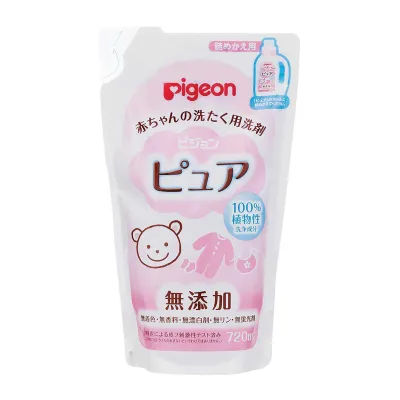
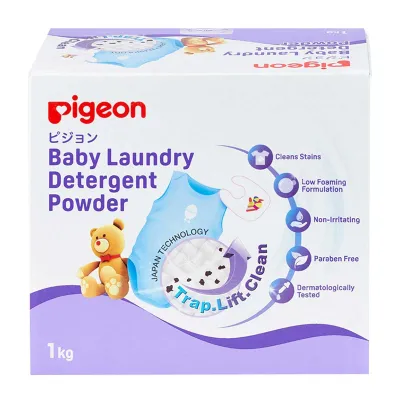
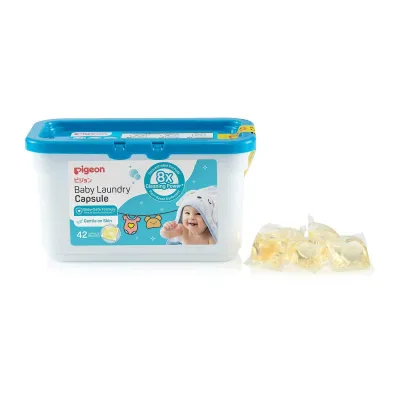
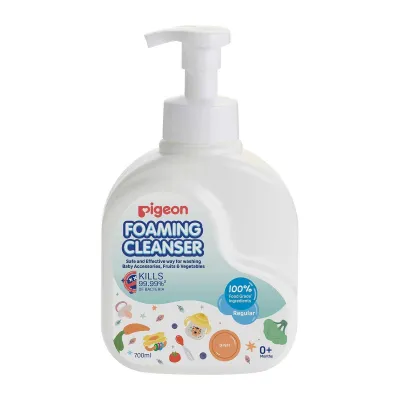
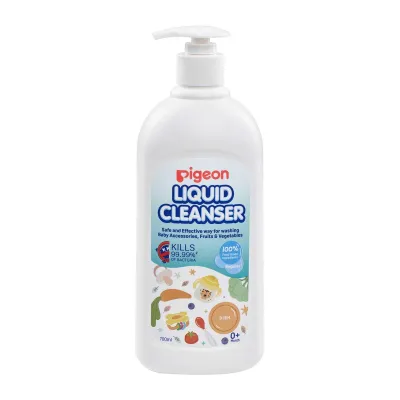
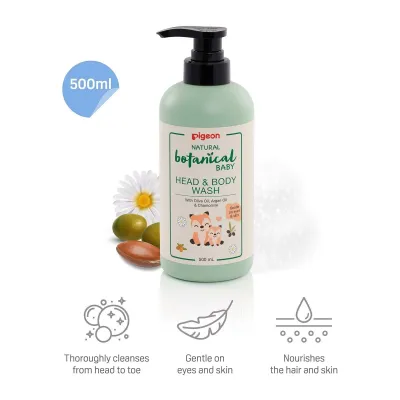
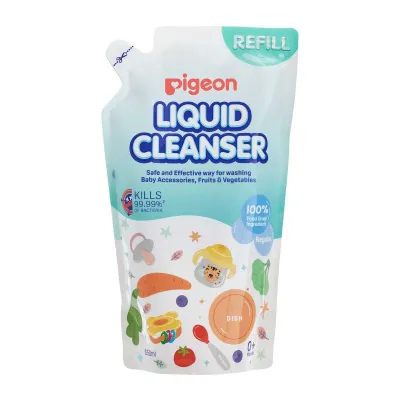
Prices are valid at publication and may change. Please refer to the product page for the latest price.
Before using any new laundry product on your newborn’s clothing, take a moment to read the manufacturer’s specific warnings and usage instructions. Some formulations may have age recommendations or require specific dilution ratios depending on whether you are hand washing or using a front-loading or top-loading washing machine. Adhering to these guidelines helps prevent common laundry mistakes that can lead to skin irritation.
Evaluating Key Ingredient Categories in Pigeon Detergent
To understand how a baby detergent interacts with newborn skin, it helps to break down its components into functional categories. Every detergent requires a combination of active agents to lift stains, preserve the liquid, and provide a pleasant user experience.

Surfactants and Cleaning Agents
Surfactants, or surface-active agents, are the core cleaning ingredients in any laundry detergent. They work by lowering the surface tension of water, allowing it to wet fabrics more effectively, penetrate fibers, and trap oils and dirt so they can be washed away. In baby-specific detergents, manufacturers often prioritize plant-derived surfactants—such as those derived from coconut oil, palm kernel oil, or corn starch (like alkyl polyglucosides)—over traditional petroleum-based surfactants like sodium lauryl sulfate (SLS) or sodium laureth sulfate (SLES).
Plant-derived surfactants are generally favored for baby care because they tend to have a milder profile and are less likely to strip the skin’s natural lipid barrier. However, it is a common misconception that plant-derived ingredients are completely risk-free. Even the mildest surfactant can cause localized skin irritation if it is not thoroughly rinsed from fabric fibers. When detergent residue remains on clothing, the friction of the fabric against a newborn’s delicate skin can trigger redness and itching, making proper dosing and thorough rinsing essential.
Fragrances, Dyes, and Preservatives
Sensory additives like fragrances and artificial dyes are added to detergents solely for consumer appeal; they do not contribute to the actual cleaning power of the product. For newborns, these additives are the most common culprits behind contact dermatitis and allergic skin reactions. Because a newborn’s skin barrier is still developing, synthetic fragrances can easily penetrate the outer layers of the skin, leading to dry, flaky patches or itchy rashes. Many Pigeon detergent lines offer fragrance-free or allergen-tested, mildly scented options to mitigate this risk.
Preservatives are another critical category to evaluate. Because liquid detergents contain water, they are highly susceptible to bacterial and mold growth over time. Preservatives like sodium benzoate, potassium sorbate, or phenoxyethanol are commonly added to ensure product safety and shelf life. While these preservatives are widely used and regulated, parents of babies with diagnosed skin conditions or highly reactive skin should cross-reference the ingredient panel to ensure their child does not have a specific sensitivity to the preservative used.
Evaluating Detergent Safety for Newborn Skin
When assessing whether a detergent is suitable for a newborn, it is vital to understand that “absolute safety” does not exist in a universal sense. A newborn’s skin is highly permeable, thin, and prone to rapid moisture loss, meaning that what works perfectly for one infant might cause mild irritation in another. Therefore, safety evaluation should always be tailored to your individual baby’s skin condition.
A highly suitable detergent for a newborn should ideally be free from harsh optical brighteners, strong synthetic dyes, and heavy industrial fragrances. Optical brighteners are chemical residues designed to remain on clothes after washing to reflect light and make fabrics appear whiter or brighter. Because these chemicals are engineered to stick to the fabric, they are in constant, direct contact with your baby’s skin, which can cause significant irritation for infants prone to eczema.
Parents should also consider their family’s medical history when selecting a laundry product. If parents or older siblings have a history of atopic dermatitis, eczema, asthma, or severe allergies, the newborn is statistically more likely to have sensitive skin. In these scenarios, opting for a completely fragrance-free and dye-free baby detergent is a prudent preventive measure.
Many baby detergents carry labels indicating they have been “dermatologically tested.” While this claim indicates that the formulation underwent clinical evaluation on human skin to verify a low potential for irritation, it is not a guarantee of zero reaction. When introducing a new detergent, it is best practice to wash just one or two items first, have your baby wear them, and monitor their skin closely for 24 to 48 hours before washing their entire wardrobe in the new product.
Best Practices for Washing and Rinsing Baby Clothes
How you wash your baby’s clothes is just as important as the detergent you select. Implementing careful laundry habits can drastically reduce the risk of detergent residue and protect your newborn’s skin, regardless of the brand you use.
- Measure Detergent Accurately: Always use the measuring cap provided with your detergent and follow the dosage guidelines for your load size. In Singapore's humid tropical climate, sweat and humidity can cause clothes to feel damp, prompting some parents to use excess detergent in hopes of a deeper clean. However, using more than the recommended amount does not make clothes cleaner; instead, it creates excess suds that are incredibly difficult for washing machines to rinse out completely.
- Utilize an Extra Rinse Cycle: Most modern washing machines offer an "extra rinse" or "baby care" setting. Activating this option ensures that any remaining surfactant molecules are thoroughly flushed out of the fabric fibers, leaving the garments clean and free of chemical residues.
- Pre-Wash All New Items: Never put brand-new clothes, swaddles, bedsheets, or towels directly onto your newborn. New textiles often carry chemical sizing agents, synthetic starches, dust, and excess dyes from the manufacturing and shipping process. A quick wash with a gentle baby detergent before the first wear removes these potential irritants.
- Keep Baby Laundry Separate: Wash your newborn's items separately from adult clothing, especially heavily soiled workwear, sportswear, or items treated with strong chemical stain removers and fabric softeners. This prevents the cross-contamination of harsh chemicals and heavy perfumes onto your baby's delicate garments.
Recognizing Skin Irritation and When to Seek Help
Even with the gentlest detergent and meticulous laundry habits, newborns can still experience skin flare-ups. Being able to identify the signs of detergent sensitivity allows you to take swift action to comfort your baby.
Mild signs of detergent sensitivity typically manifest as localized redness, rough or dry patches of skin, small red bumps, or mild fussiness when the baby is wearing freshly washed clothes. These symptoms often appear in areas where clothing fits snugly or rubs against the skin, such as the collarbone, wrists, thighs, and diaper line.
If you suspect a reaction, you should immediately stop using the detergent and wash your baby’s clothes, bedding, and towels in plain, warm water to strip away any remaining residue. If your baby develops widespread rashes, hives, blistering, swelling, or signs of a secondary skin infection (such as oozing, yellow crusting, or skin that feels hot to the touch), discontinue use immediately and seek professional guidance.
Always consult a pediatrician or a pediatric dermatologist for persistent, spreading, or severe skin reactions. Avoid attempting to self-diagnose your baby’s skin condition or applying strong over-the-counter medicated creams without a doctor’s explicit recommendation, as infant skin requires specialized, gentle care.
Frequently Asked Questions (FAQ)
Do I really need a special baby detergent for newborns?
While dedicated baby detergents are specifically formulated to exclude common irritants like harsh optical brighteners and strong fragrances, they are not strictly mandatory if you use an alternative mild product. A high-quality adult detergent that is certified fragrance-free, dye-free, and designed for sensitive skin can also be suitable for newborn clothing, provided you rinse the garments thoroughly.
Can I mix baby detergent with regular adult detergent?
It is highly recommended that you do not mix baby detergent with regular adult detergent, fabric softeners, or chlorine bleach in the same wash cycle. Mixing these products reintroduces the very fragrances, dyes, and harsh chemical residues that baby-specific detergents are formulated to avoid, which can trigger skin irritation in sensitive newborns.

Community discussion
Share your experience or ask a question. Comments are reviewed before publication.