
Choosing the right food processor for preparing baby food in Singapore comes down to balancing your daily routine, kitchen space, and long-term cooking needs. While some families prefer dedicated baby food makers that steam and blend in one appliance, others opt for versatile, multi-purpose food processors from established brands like Philips. The ideal choice depends on whether you plan to prepare large batches of purees to freeze or whip up small, fresh meals daily.
To make an informed decision, you must evaluate how different appliances handle the progressive stages of weaning. A baby’s dietary texture needs change rapidly, moving from ultra-smooth purees at around six months to thicker, textured mashes and soft chunks as they grow. The right appliance should not only accommodate these developmental shifts but also fit seamlessly into your household’s cleaning routine and kitchen counter space.
Key Features to Compare for Baby Food Preparation
When comparing appliances for infant meal preparation, the blade design and texture control are paramount. High-quality stainless steel blades and variable speed settings allow you to control the consistency of the food precisely. In the early stages of weaning, you need a machine capable of producing a completely smooth, lump-free puree to prevent choking hazards. As your baby transitions to older developmental stages, the processor should be able to pulse foods gently to create a chunkier texture without turning the ingredients into mush.
Products mentioned in this guide
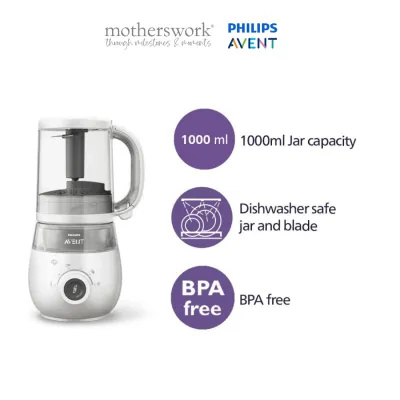
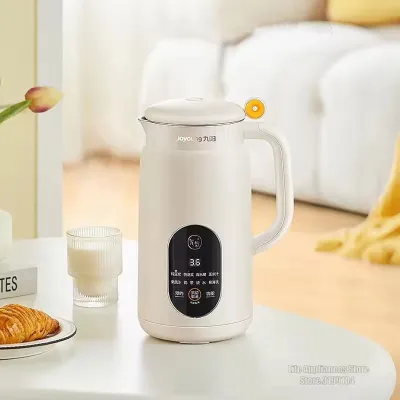
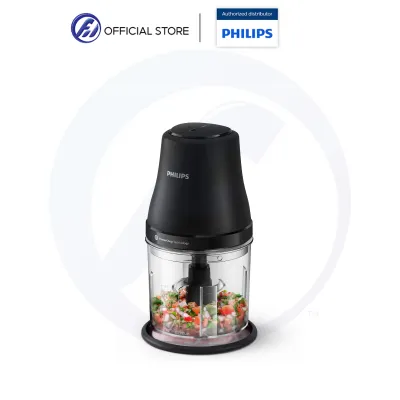
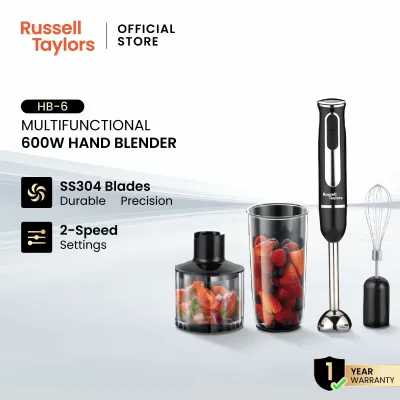
Prices are valid at publication and may change. Please refer to the product page for the latest price.
Container capacity and material safety are equally critical factors to verify before making a purchase. Because baby food is often processed while warm or subsequently stored, you must check the product packaging or manufacturer specifications for clear BPA-free labels. The size of the work bowl determines how much food you can prepare at once. If you live in a typical Singapore apartment where kitchen space is carefully managed, you must weigh the benefits of a large-capacity bowl for batch cooking against the storage footprint of the appliance.
Ease of cleaning is a daily practical consideration that directly impacts infant food safety. Look for models with dishwasher-safe components, smooth interior surfaces, and minimal crevices where food particles can hide. It is particularly important to check if the rubber seals and gaskets on the lid and blade assembly are easily removable. If moisture and food residue become trapped under these seals, they can quickly become breeding grounds for bacteria and mold, compromising the hygiene of your baby’s meals.
Philips Food Processors: Capabilities and Considerations
Philips offers a range of general-purpose food processors that are widely available in Singapore. These appliances typically feature motor power ranges from 500 watts to over 1,000 watts, providing ample power for both delicate pureeing and heavy-duty kitchen tasks. While a high-wattage motor is excellent for grinding tough ingredients or kneading dough for family meals, it is also highly efficient at rapidly breaking down steamed vegetables and fruits into smooth purees for your baby.

The versatility of standard Philips attachments is a major advantage for families looking for a long-term kitchen investment. Most models come equipped with a variety of accessories, including chopping blades, slicing discs, and emulsifying tools. During the early weaning stages, the main chopping blade is ideal for pureeing fruits, vegetables, and cooked meats. As your child grows, the slicing and shredding discs become incredibly useful for preparing finger foods, small vegetable sticks, and ingredients for family soups or stir-fries.
Before purchasing, it is essential to verify the specific model accessories, warranty terms, and replacement part availability. You can check the manufacturer’s official Singapore website or authorized online retailers to ensure that replacement blades, bowls, or seals are easily accessible. Having a reliable local warranty provides peace of mind, especially when using the appliance daily. Additionally, verify whether the specific model you are considering has a minimum processing volume, as some large-capacity bowls require a certain amount of ingredients to blend effectively.
How Competing Brands Compare in Functionality and Value
When exploring the market, you will find a clear distinction between dedicated baby food makers and general-purpose food processors. Dedicated baby food makers, often produced by specialized mother-and-baby brands, combine steaming and blending functions in a single unit. This allows you to steam raw vegetables or meats and immediately blend them in the same container, minimizing cleanup and preserving nutrient-rich cooking liquids. However, these specialized appliances require a higher initial investment and have a limited lifespan, as they are rarely used once your child transitions fully to family meals.
In contrast, compact or mini food processors from various kitchenware brands offer a middle ground. These smaller appliances take up minimal counter space, making them ideal for compact Singapore kitchens. They are highly efficient for processing small, fresh daily portions of baby food without leaving unblended chunks under the blades. The trade-off is their limited capacity; you cannot use them for large-batch cooking or preparing meals for the entire family, meaning you may eventually need to upgrade to a full-sized model.
Evaluating price ranges in S$ against long-term usability is key to determining the best value for your household. A dedicated baby food maker or a premium compact processor can range significantly in price, often representing a substantial upfront cost. A versatile, full-sized food processor from a brand like Philips may carry a similar or slightly higher price tag but offers years of utility for general family cooking, baking, and meal prep long after your baby has outgrown purees. Consider your family’s eating habits and whether you prefer a single-purpose convenience tool or a multi-functional kitchen workhorse.
Decision Framework: Which Processor Fits Your Family?
To choose the right appliance, you must align the technical specifications of the machine with your family’s daily routine and meal preparation style. If you prefer to cook in bulk over the weekend, portioning out meals into containers for the freezer, a general-purpose brand like Philips is highly suitable. These models offer the larger bowl capacities and robust motors needed to process large quantities of ingredients at once, while also providing the flexibility to assist with general family dinners.
Conversely, if you prioritize convenience and want to prepare fresh, warm meals with minimal hands-on effort, a dedicated baby food maker with integrated steaming is often the better choice. This option is particularly convenient for busy parents or caregivers who want to steam and puree a single serving of food without monitoring multiple pots on the stove. Keep in mind that these units are designed specifically for small batches, so they are less practical if you plan to freeze meals in advance.
Before making your final decision, take physical measurements of your kitchen counter and storage space to ensure the appliance fits comfortably. You should also verify that the specific model has clear safety certifications and straightforward cleaning instructions. Look for safety lock mechanisms that prevent the blades from spinning unless the bowl and lid are securely locked in place, which is an essential safety feature in any household with young children.
Safe Preparation and Cleaning Practices
Maintaining strict hygiene standards is vital when preparing homemade baby food, as infants have developing immune systems that are more vulnerable to foodborne illnesses. To prevent cross-contamination, always use separate cutting boards and utensils for raw meats and vegetables before processing them. If your food processor comes with multiple bowls or attachments, consider dedicating specific accessories solely to baby food preparation to minimize any risk of contamination from raw family meal ingredients.
After each use, disassemble the food processor completely for cleaning. Wash the bowl, blades, and lid in warm, soapy water, or place them in the dishwasher if the manufacturer specifies they are dishwasher-safe. Pay close attention to the blade assembly and any removable rubber seals, using a small brush to clean hard-to-reach crevices. Ensure all components are completely dry before reassembling or storing them, as trapped moisture can lead to mold growth and unpleasant, lingering odors.
Regularly inspect your appliance for signs of wear and tear to ensure ongoing safety. You should stop using the processor and look into replacing parts if you notice dull or nicked blades, deep scratches or cloudiness in plastic containers, or degraded, stretched rubber seals. Damaged plastic bowls can harbor bacteria in deep scratches, while worn seals can cause leaks or allow food particles to accumulate in inaccessible areas. Always consult the manufacturer’s manual or customer service for authorized replacement parts.
Frequently Asked Questions (FAQ)
Can I use a regular food processor instead of a dedicated baby food maker?
Yes, a regular food processor is highly effective for blending, chopping, and pureeing baby food, but it does not have an integrated heating element. This means you must cook or steam the ingredients separately on the stove or in a steamer before transferring them to the processor. While this requires an extra step and an additional pot to wash, a standard food processor offers excellent long-term value, as it remains a highly useful kitchen tool for general family meal preparation long after your baby has transitioned to solid foods.
What container size is ideal for making baby food?
The ideal container size depends on your preferred meal preparation method. If you plan to cook large batches of food to freeze in portion trays, a medium to large food processor with a bowl capacity of 1.5 to 2 liters is highly efficient. However, if you prefer to make small, fresh meals daily, a compact or mini processor with a capacity of 500ml to 1 liter is more practical. Always check the manufacturer’s specified minimum processing volume, as large bowls may struggle to puree very small quantities of food effectively, often leaving unblended chunks.

Community discussion
Share your experience or ask a question. Comments are reviewed before publication.