
Choosing the right breast pump is one of the most significant decisions you will make during your breastfeeding journey. The ideal choice depends on your daily routine, how often you plan to express milk, and your lifestyle needs. For occasional use, travel, or a reliable backup, a manual pump offers unmatched portability and simplicity. If you pump regularly but need to balance efficiency with a compact design for commuting or hybrid work, a single electric pump provides a practical middle ground. For exclusive pumping, building a substantial milk supply, or saving valuable time during a busy day, a double electric pump is the most efficient choice.
To find the perfect fit, it helps to understand how each option aligns with your lifestyle, budget, and comfort preferences. By evaluating these factors systematically, you can select a model that supports your feeding goals without adding unnecessary stress to your daily routine.
Decision Framework: Matching Pump Type to Your Pumping Routine
Selecting a breast pump requires a clear assessment of your daily schedule and long-term feeding goals. If you plan to breastfeed directly most of the time and only need to express milk occasionally—such as for a partner to feed the baby or to relieve engorgement—your requirements will differ significantly from someone returning to full-time work.
Products mentioned in this guide
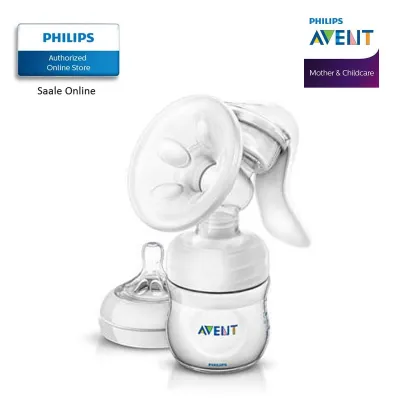
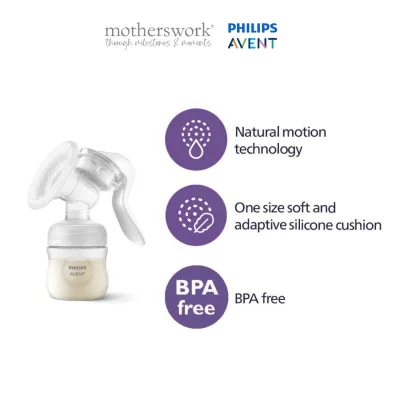
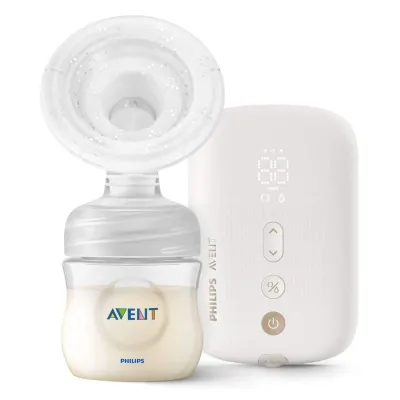
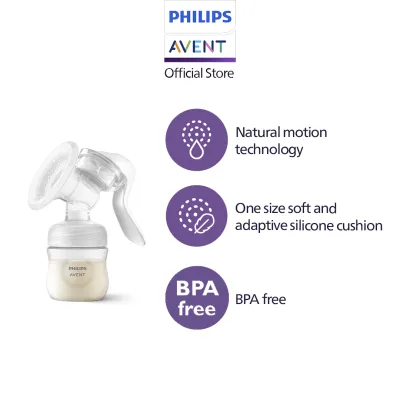
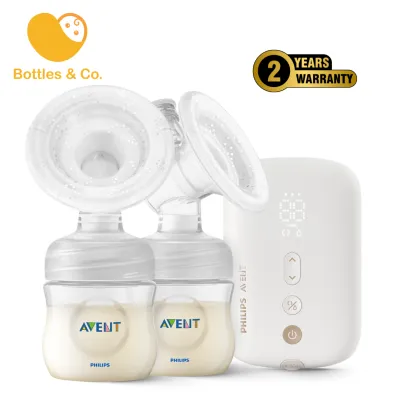
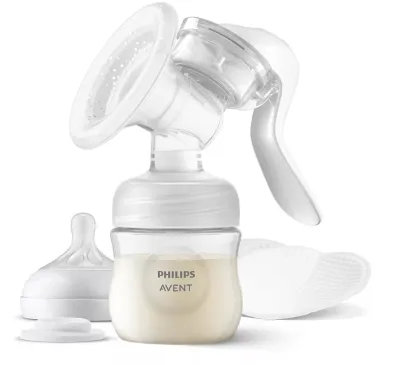
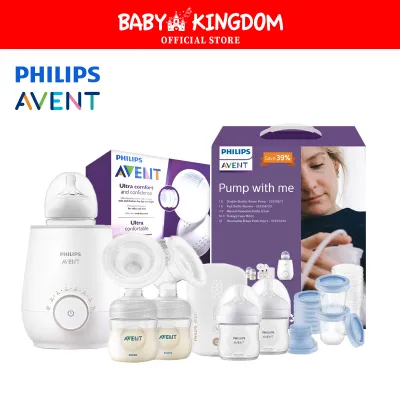
Prices are valid at publication and may change. Please refer to the product page for the latest price.
For parents preparing to return to the workplace after maternity leave, time efficiency becomes a top priority. In fast-paced work environments, lactation breaks must be highly structured. A pump that allows you to express milk quickly and discreetly in an office nursing room can make a substantial difference in maintaining your supply.
Mobility and commuting patterns also play a major role in your decision. If you rely on public transport or commute frequently, carrying a heavy, bulky pump motor daily can become exhausting. In such cases, prioritizing lightweight designs, compact motor units, and versatile power options like USB charging is essential.
Budget is another practical consideration. While manual pumps require a lower upfront investment, electric models offer automated convenience that can save hundreds of hours over several months. Consider the long-term value of your purchase based on how many months or years you plan to use the device. Viewing the pump as an investment in your daily comfort and time management can help clarify whether a premium electric model is worth the higher initial cost.
Manual Breast Pumps: Ideal for Occasional Use and Travel
Manual breast pumps operate entirely on manual power, requiring you to compress a handle to create suction. This straightforward design makes them highly reliable, as they do not depend on electrical outlets, batteries, or motor components. For mothers who primarily direct-feed and only need to express milk once in a while, a manual pump is often the most practical and cost-effective solution.

One of the greatest advantages of a manual pump is its lightweight and compact form factor. It easily slips into a diaper bag or handbag without adding noticeable weight. Because there is no motor, manual pumps operate in complete silence, allowing for highly discreet expression in public spaces, shared offices, or next to a sleeping baby.
However, manual pumping requires continuous hand effort, which can lead to physical fatigue during longer sessions. It also expresses milk from one breast at a time, making the process slower than electric alternatives. If you need to express milk multiple times a day, relying solely on a manual pump may become tiring and time-consuming.
Before purchasing a manual model, verify the ergonomics of the handle to ensure it fits comfortably in your hand. Check how many parts require cleaning and assembly, as a simpler design saves time during late-night sterilization. Additionally, confirm that the included flange size matches your measurements, or check if alternative sizes are readily available from the manufacturer.
Single Electric Breast Pumps: Balancing Convenience and Portability
Single electric breast pumps automate the suction process, using a small, motorized unit to mimic a baby’s natural sucking pattern. This type of pump is designed for mothers who need to express milk regularly—perhaps once or twice a day—but still prioritize a compact, highly portable setup that does not take up too much space.
With a single electric pump, you benefit from consistent, adjustable suction settings without the physical effort of manual pumping. Many modern models feature multiple stimulation and expression modes, allowing you to customize the rhythm to match your personal comfort. Because the motor unit is typically smaller than those found in double electric setups, it remains highly portable and easy to pack for day trips or office commutes.
On the downside, a single electric pump still requires you to express milk from one breast at a time. This doubles the overall pumping time compared to a double electric model, which may not be ideal if you have a tight schedule. Additionally, depending on the design, you may need to hold the bottle and breast shield in place, leaving only one hand free during your session.
When evaluating single electric models, pay close attention to the battery specifications. Look for units that offer USB charging capabilities, which allow you to power the pump using a laptop, power bank, or car charger. It is also wise to check the motor’s noise level to ensure it is quiet enough for discreet use in office environments or public lactation spaces.
Double Electric Breast Pumps: Maximizing Efficiency and Milk Supply
Double electric breast pumps are the gold standard for mothers who pump frequently, exclusively, or need to maximize their milk output in minimal time. By expressing milk from both breasts simultaneously, these pumps significantly reduce the time spent pumping, making them highly suitable for busy schedules and structured workdays.
Simultaneous double pumping is not just a time-saver; it is also designed to stimulate prolactin levels more effectively than single pumping, which can help support and maintain a robust milk supply over the long term. Most double electric models come equipped with advanced comfort features, such as soft massage cushions, personalized memory settings, and multiple expression phases that transition smoothly from stimulation to expression.
However, double electric pumps generally require a higher upfront financial investment. The motor units can be bulkier and heavier than single electric or manual alternatives, requiring a dedicated carrying bag. They also demand careful power management, meaning you must ensure the battery is charged or that you have access to an electrical outlet during your sessions.
Before finalizing your choice, verify the manufacturer’s warranty terms for the motor unit, as frequent use puts more wear on the system. Ensure the pump features a closed-system design, which uses a physical barrier to prevent milk from entering the tubing or motor, maintaining hygiene and protecting the motor from damage. Finally, check if the package includes essential accessories like travel pouches, bottle stands, or sealing discs.
Essential Specifications and Safety Checks Before Purchasing
Regardless of the pump type you choose, ensuring a proper flange fit is critical for comfort, tissue safety, and efficient milk expression. A flange that is too small can cause painful friction and damage to the nipple tissue, while a flange that is too large may draw in too much of the areola, reducing suction efficiency. Measure your nipple diameter at the base before purchasing, and check if the pump model supports interchangeable flange sizes to accommodate changes in your body.
System hygiene is another non-negotiable factor. Always verify that the breast pump utilizes a closed-system design. This setup prevents moisture and milk backflow from entering the pump’s tubing and motor unit, reducing the risk of mold or bacterial growth within the mechanical parts. A closed system is much easier to maintain and ensures that the expressed milk remains clean and safe for your baby.
Lastly, consider the long-term availability of replacement parts and accessories. Over time, silicone components like valves, diaphragms, and cushions will wear out and lose their elasticity, directly impacting the pump’s suction power. Before buying, check how easily you can source official replacement parts from local baby specialty stores or authorized online marketplaces. Ensuring easy access to these consumables will prevent unexpected downtime during your breastfeeding journey.
Frequently Asked Questions (FAQ)
Can I use a manual breast pump if I am exclusively pumping?
While it is physically possible to use a manual pump for exclusive pumping, it is generally not recommended as a primary method. Exclusive pumping requires expressing milk multiple times a day to maintain supply, which can lead to severe hand and wrist fatigue when using a manual lever. A double electric pump is far more practical and sustainable for high-frequency, long-term pumping routines.
Are Philips breast pump parts interchangeable across different models?
Not all parts are interchangeable across different generations and models. While some bottles and storage cups may fit across various manual and electric bases, critical components like silicone diaphragms, valves, and power adapters often differ between specific product lines. Always consult the official user manual or contact customer support to verify compatibility before purchasing replacement parts.
How do I know if the suction level is safe and effective?
Effective milk expression does not require the highest suction setting. Safe and efficient suction should feel comfortable and mimic a baby’s natural, pain-free nursing rhythm. If you experience pain, pinching, or discomfort, reduce the suction level immediately. High suction that causes pain can actually restrict your let-down reflex and reduce the amount of milk you are able to express.

Community discussion
Share your experience or ask a question. Comments are reviewed before publication.