
Quick Answer: Matching the Material to Your Feeding Routine
Selecting the right baby bottle material is a highly personal decision that directly impacts your daily feeding flow, cleaning habits, and budget. Philips Avent offers three primary bottle materials—glass, polyphenylsulfone (PPSU), and polypropylene (PP) plastic—each designed to cater to different caregiving priorities. There is no single “perfect” bottle for every family, as the ideal choice depends on whether you value chemical purity, lightweight portability, or long-term durability under high-heat sterilization.
Glass bottles are the traditional gold standard for parents prioritizing an entirely inert, scratch-resistant material for home use, though they are heavier and susceptible to breaking if dropped. PPSU serves as a premium, medical-grade alternative, offering the lightweight benefits of plastic combined with exceptional heat resistance and durability, making it perfect for frequent travel and intensive sterilization. Standard PP plastic bottles are highly lightweight, shatterproof, and budget-friendly, making them excellent options for daycare or on-the-go feeding, though they degrade and cloud faster than other materials. The following sections break down these materials across safety, durability, and daily maintenance to help you select the best fit for your baby’s developmental stage.
Understanding Your Options: Glass, PPSU, and Standard Plastic
To make an informed decision, it is essential to understand the physical and chemical characteristics of the materials Philips Avent uses across its bottle ranges. These materials react differently to heat, physical impact, and long-term wear, which directly affects their lifespan and safety profiles.
Products mentioned in this guide
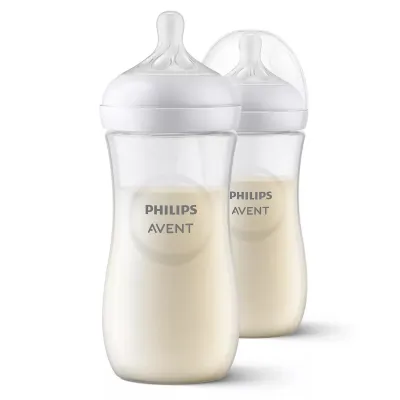
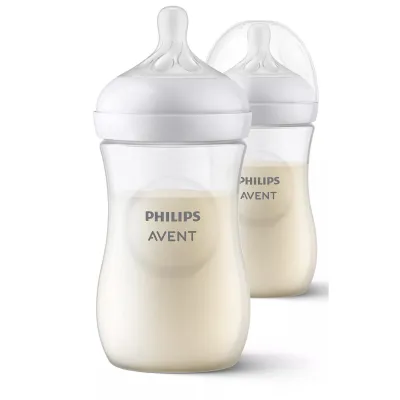
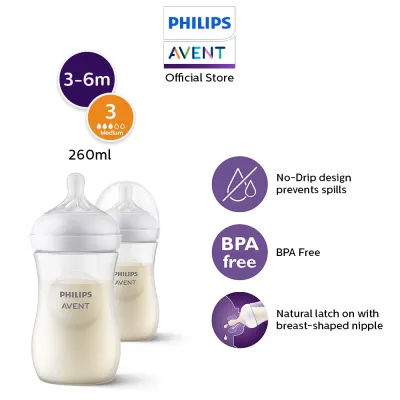
Prices are valid at publication and may change. Please refer to the product page for the latest price.

Glass Bottles
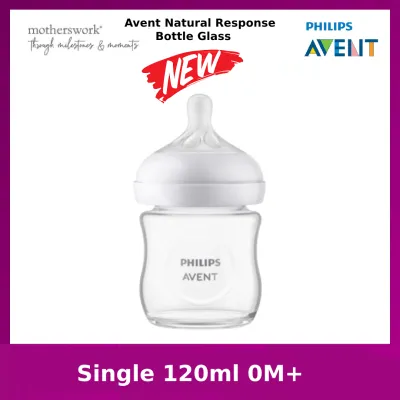
Philips Avent glass bottles are manufactured from high-quality borosilicate glass, a specialized material known for its superior thermal shock resistance compared to standard glass. This material can withstand rapid temperature transitions, such as moving from a cold refrigerator directly into a warm bottle warmer, without cracking or shattering. Borosilicate glass is completely non-porous and chemically inert, meaning it will not absorb odors, retain stains, or leach any chemicals into the milk, preserving the purest taste for your baby.
However, the structural integrity of glass comes with a trade-off in weight and physical vulnerability. Glass bottles are significantly heavier than their plastic counterparts, which can tire a caregiver’s wrist during long nighttime feeds and makes it difficult for infants to hold the bottle independently as they grow. There is also an inherent risk of breakage if a bottle is dropped on hard flooring. Caregivers must always supervise feeding sessions closely and inspect the bottle for hairline cracks or chips before every single use.
PPSU (Polyphenylsulfone) Bottles
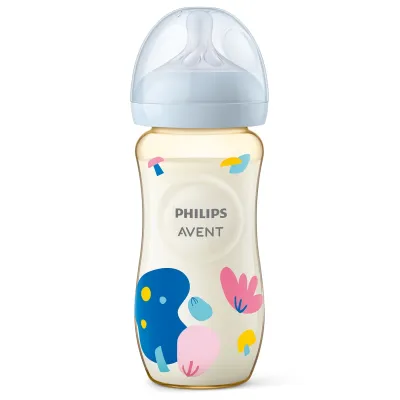
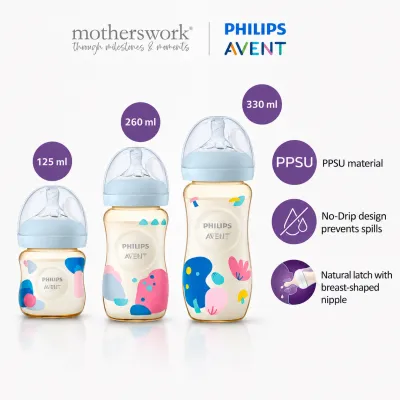
Polyphenylsulfone, commonly known as PPSU, is a high-performance, medical-grade thermoplastic that has become increasingly popular in premium baby bottle manufacturing. You can easily identify Philips Avent PPSU bottles by their distinct, natural honey-colored tint, which is a characteristic of the raw material rather than an added dye. This material combines the best properties of glass and plastic, offering extreme durability, high impact resistance, and a lightweight profile that is easy for both parents and babies to handle.
PPSU is engineered to withstand repeated high-heat sterilization up to high temperatures, often exceeding 180 degrees Celsius, without warping or releasing harmful substances. This makes it exceptionally compatible with steam sterilizers, boiling water, and chemical sterilizing solutions used in daily baby care. While PPSU bottles represent a higher initial financial investment, their resistance to scratching and structural degradation means they do not need to be replaced nearly as often as standard plastic bottles.
Standard Plastic Bottles (PP / Polypropylene)
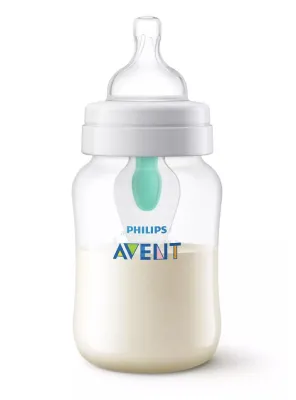
Polypropylene, or PP, is the standard plastic material used in the majority of traditional baby bottles, including the classic and entry-level Natural ranges from Philips Avent. It is a lightweight, semi-translucent, and slightly flexible plastic that is completely shatterproof, providing peace of mind during accidental drops or when older babies begin holding their own bottles. PP bottles are highly accessible and budget-friendly, making them an attractive option for families building a large bottle rotation or preparing supplies for daycare centers.
Despite these practical advantages, PP is more prone to physical and chemical wear over time compared to glass and PPSU. The softer surface of polypropylene is easily scratched by standard bottle brushes, and these micro-scratches can become breeding grounds for bacteria or trap milk fat residues. Additionally, PP has a lower heat tolerance and can become cloudy, discolored, or warped after repeated cycles of high-heat sterilization or exposure to UV sterilizers. Caregivers must perform regular visual inspections and plan to replace these bottles more frequently to ensure ongoing hygiene.
Key Comparison Dimensions: Safety, Durability, and Daily Use
Evaluating these materials side-by-side across key daily usage dimensions helps clarify how they perform under real-world caregiving conditions.
Safety and Chemical Leaching
Safety is understandably the primary concern for parents selecting feeding equipment. All genuine Philips Avent bottles, regardless of whether they are glass, PPSU, or PP, are manufactured to be completely BPA-free, complying with international safety standards for food-contact materials. Glass provides the ultimate reassurance in this category, as its mineral-based composition contains no synthetic plastics, chemical additives, or plasticizers, ensuring zero risk of chemical migration under any temperature condition.
For PPSU and PP bottles, maintaining safety relies heavily on adhering to proper usage and heating guidelines. While these plastics are designed to be stable under normal feeding temperatures, exposing them to temperatures beyond their rated limits can accelerate material breakdown. Caregivers should avoid pouring boiling water directly into plastic bottles and should verify the manufacturer’s temperature limits on the packaging. Additionally, always ensure you purchase genuine Philips Avent products from authorized retailers to guarantee the materials meet strict regulatory standards.
Durability, Dropping, and Breakage Risk
The physical environment where feeding takes place plays a major role in determining which material is most practical. Glass bottles are highly durable against scratching and chemical degradation, but they fail instantly when subjected to hard impacts on solid surfaces. If your home features tiled floors, or if you frequently feed your baby on the go, a dropped glass bottle can create a hazardous zone of sharp shards that poses an immediate safety risk to everyone in the room.
In contrast, PPSU and PP bottles excel in high-impact environments due to their shatterproof nature. PPSU is particularly resilient, resisting cracks and structural fatigue even after hundreds of drops, making it an excellent investment for active families. Polypropylene is also highly impact-resistant, though its softer surface is much more susceptible to developing micro-abrasions during cleaning. These tiny scratches can compromise the structural integrity of the plastic over time, making it look dull and worn.
Cleaning, Sterilization, and Odor Retention
The ease of maintaining hygiene is a daily factor that can significantly impact a caregiver’s stress levels. Glass bottles are exceptionally easy to clean because their smooth, non-porous surface prevents milk fats and proteins from adhering tightly. They do not absorb food odors or retain the yellow stains often caused by washing bottles alongside dishes containing tomato-based sauces. Glass can also be sterilized repeatedly using any method—boiling, steam, or UV—without any risk of material degradation.
PPSU bottles offer excellent cleaning performance, resisting stains and odors much better than standard PP plastic. Because PPSU has a high heat tolerance, it handles intensive steam and boiling sterilization cycles beautifully. PP bottles, however, require a gentler touch; they tend to accumulate a greasy film from milk fat that demands thorough washing with hot, soapy water. Furthermore, standard PP plastic degrades faster when exposed to the UV-C light used in modern UV sterilizers, which can cause the plastic to turn yellow and brittle prematurely, requiring parents to check their sterilizer’s manual for material compatibility.
Weight and Ergonomics for Baby Handling
As infants grow, they reach developmental milestones that include attempting to hold their own bottles during feeds. The weight of the bottle directly influences this progression and affects caregiver comfort during long feeding sessions. Glass bottles are heavy, which can cause hand fatigue for parents during late-night feeds and makes self-feeding practically impossible for young infants. Additionally, a heavy glass bottle can cause injury if a baby accidentally drops it onto their own face or chest while feeding.
PPSU and PP bottles are incredibly lightweight, making them much safer and more ergonomic for growing babies to grasp. Using lightweight bottles under close adult supervision encourages the development of fine motor skills and hand-eye coordination. When selecting a bottle size, always consider your baby’s current age and developmental stage; larger bottles hold more volume but add weight, so matching the bottle capacity to your baby’s feeding requirements is essential for comfortable handling.
Decision Framework: Which Material Should You Choose?
To simplify your purchasing decision, you can evaluate your household’s specific needs against this structured decision framework:
- Choose Glass if: You primarily feed your baby at home, prioritize completely inert and scratch-resistant materials, and do not mind the heavier weight. Glass is ideal for parents who want a bottle that can be sterilized indefinitely without wearing out, provided it is handled carefully on carpeted or cushioned surfaces to avoid breakage.
- Choose PPSU if: You want a premium, long-lasting bottle that combines the safety and durability of glass with the lightweight, shatterproof benefits of plastic. This material is perfect for busy households, frequent travel, and parents who use intensive steam or UV sterilization systems and want to minimize how often they buy replacement bottles.
- Choose Standard Plastic (PP) if: You need an affordable, lightweight, and completely shatterproof option for daycare, outdoor excursions, or older babies who are learning to feed themselves. PP is highly practical for families on a budget or those who prefer to maintain a large rotation of bottles and do not mind replacing them every few months as they show signs of wear.
- Verify first if: You use specialized bottle warmers or sterilizing equipment. Different materials conduct heat at different rates; glass heats up and cools down more slowly than plastic, which can affect warming times. Always cross-check the compatibility of your specific warming and sterilizing devices with the bottle material to prevent accidental overheating or uneven milk temperatures.
Daily Care, Sterilization, and When to Replace
Proper maintenance is key to extending the lifespan of your Philips Avent bottles and ensuring your baby’s feeding environment remains hygienic. Always wash bottles immediately after feeding to prevent milk residues from drying and sticking to the inner surfaces. Use a dedicated, soft-bristled silicone brush or a gentle sponge rather than stiff nylon or wire brushes, which can easily scratch plastic and PPSU surfaces. After washing, place all components on a clean, well-ventilated drying rack; in humid climates like Singapore, ensuring adequate airflow is crucial to prevent the growth of mold and mildew on damp surfaces.
Establishing a regular visual inspection routine is vital for infant safety. Before assembling any bottle, examine the body and collar under good lighting for any of the following signs of wear:
- Cloudiness or severe discoloration that does not wash away, indicating material degradation.
- Deep scratches or micro-abrasions on the inner walls of plastic bottles, which can harbor bacteria.
- Cracks, chips, or fractures, particularly around the rim of glass bottles, which can pose a cutting hazard or cause leaks.
- A sticky or tacky texture on plastic surfaces, showing that the polymer structure has broken down from excessive heat.
If you observe any of these conditions, stop using the bottle immediately and discard it. As a general guideline, standard PP plastic bottles should be replaced every 3 to 6 months depending on the frequency of use and sterilization. PPSU bottles can last significantly longer—often up to 12 months—if they remain structurally sound and free of deep scratches. Glass bottles do not have a set expiration date and can be used indefinitely, provided they are completely free of chips, cracks, or deep scratches. Always defer to the manufacturer’s printed lifespan guidelines included in your specific product packaging.
Frequently Asked Questions (FAQ)
Can I mix different Philips Avent bottle materials?
Yes, Philips Avent design principles generally allow for interchangeability, but you must ensure you are matching components within the same product line. For example, the collars, nipples, and caps of the Philips Avent Natural range are designed to fit Natural bottle bodies, whether they are made of glass, PPSU, or PP plastic. However, you should not mix parts between different product lines, such as placing an Anti-colic collar on a Natural bottle body, as this will prevent a proper seal and lead to frustrating leaks during feeding. Always check the specific product packaging to verify compatibility before mixing parts.
How often should I replace PPSU and plastic bottles?
The replacement frequency for baby bottles depends primarily on visible material wear rather than a strict calendar timeline. Standard polypropylene (PP) bottles are softer and typically require replacement every 3 to 6 months due to scratching, clouding, or warping from heat exposure. Premium PPSU bottles are much tougher and can safely be used for 6 to 12 months, provided they pass your daily visual inspections. Regardless of the material or time elapsed, always follow the specific replacement recommendations provided in your product’s user manual, and discard any bottle immediately if you detect cracks, chips, or structural degradation.

Community discussion
Share your experience or ask a question. Comments are reviewed before publication.