
Preparing fresh, nutrient-dense meals for your baby is a rewarding milestone, but it can quickly become overwhelming when balanced against a busy lifestyle. In Singapore, where many parents manage demanding work schedules alongside household responsibilities, efficiency in the kitchen is paramount. When evaluating baby food preparation methods, the choice often comes down to specialized all-in-one appliances versus traditional kitchen tools. The Philips Avent 4-in-1 healthy baby food maker is a popular contender in this space, but understanding which features truly matter for your daily routine is key to making a practical investment.
Rather than focusing solely on brand prestige, parents must look at how these appliances perform in real-world conditions. Factors such as kitchen counter space, ease of cleaning, batch-cooking capacity, and how well the machine adapts to your baby’s changing dietary needs should guide your decision. By examining the core functions of the Avent 4-in-1 and comparing them to alternative methods, you can identify the setup that best fits your home, budget, and parenting style.
Evaluating the Philips Avent 4-in-1 Core Functions
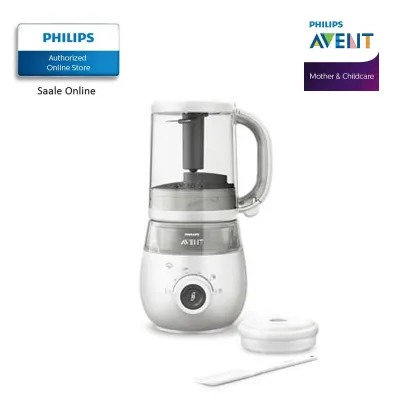
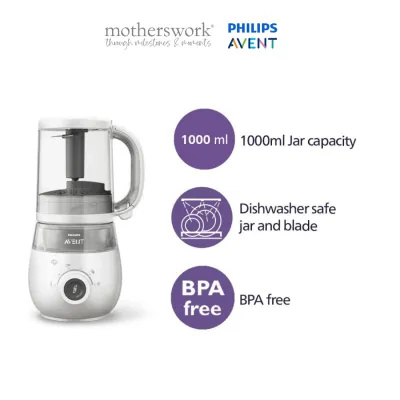
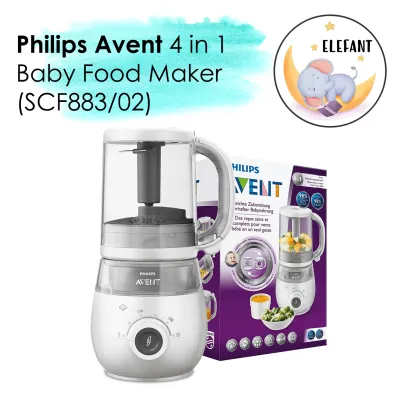
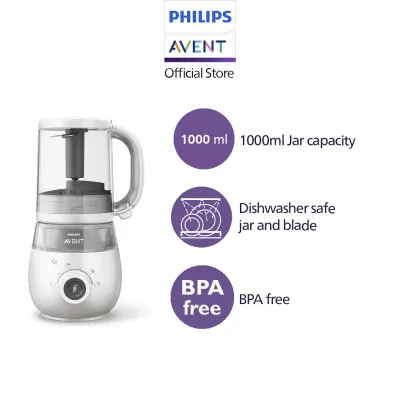
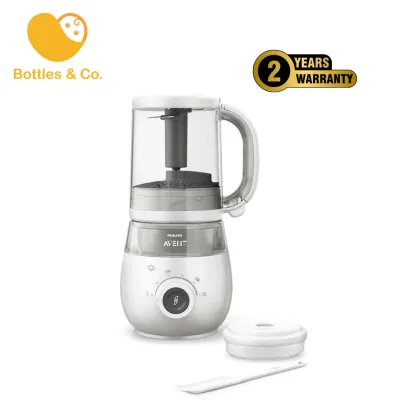
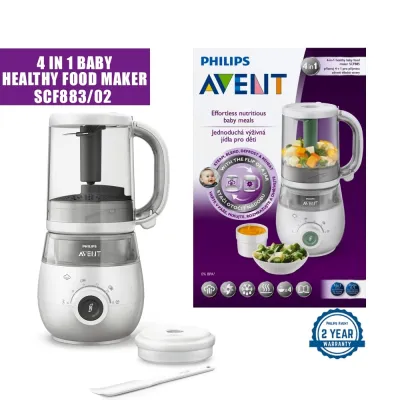
The Philips Avent 4-in-1 is designed around a unique, space-saving workflow that combines steaming, blending, defrosting, and reheating in a single jar. The standout feature of this design is the integrated steam-and-flip mechanism. Instead of transferring hot, freshly steamed ingredients into a separate blender jar—which can be messy and increases the risk of steam burns—you simply lift the jar from the base, flip it upside down, and lock it back into place to begin blending. This integrated process helps retain the cooking liquids and nutrients that are often lost during manual transfers.
Products mentioned in this guide
Prices are valid at publication and may change. Please refer to the product page for the latest price.
The blade and jar design are engineered to handle a variety of ingredients, from soft fruits and vegetables to meats and fish. The blade assembly sits securely at the bottom of the jar during blending, but it is important to review the manufacturer’s instructions regarding food preparation. For the best results and even cooking, ingredients should be cut into small, uniform cubes before being placed in the steaming basket. The water tank, located at the back of the base unit, must be filled with the correct amount of water corresponding to the required steaming time, as the appliance relies on water volume to control the duration of the steam cycle.
Defrosting and reheating modes offer a gentle alternative to microwave heating. These functions use steam to gradually warm pre-prepared baby food stored in specialized pots, helping to preserve essential vitamins and minerals while ensuring there are no dangerous hot spots in the food. To use these modes effectively, you must verify the recommended water levels in the user manual, as overheating can degrade nutrients and underheating may leave the food unsafe for consumption.
Capacity limits are another critical specification to check before purchasing. The jar features clear maximum fill lines for both steaming and blending. Overfilling the jar can lead to unevenly cooked food, poor blending performance, or even motor strain. Always refer to the user manual to understand the maximum weight and volume limits for different food groups, ensuring the appliance operates safely and efficiently over its lifespan.
Maintenance is a vital consideration, particularly in Singapore where tap water mineral content can lead to rapid limescale buildup in the heating element. Regular descaling is necessary to keep the steam function working correctly and to prevent the water tank from overheating. The manufacturer typically outlines a specific descaling routine using a mixture of white vinegar or citric acid and water. Checking the manual for these exact instructions and establishing a routine based on your water hardness will protect your appliance from premature wear.
How Competing Baby Food Makers Compare in Everyday Use
When comparing the Avent 4-in-1 to other baby food makers on the market, the primary trade-off lies between all-in-one convenience and the versatility of separate appliances. A dedicated baby food maker streamlines the entire process into one compact footprint, reducing the number of pots, pans, and blenders you need to wash. However, if you already own a high-quality food processor or a powerful immersion blender, adding another single-purpose appliance to your kitchen might feel redundant.

Jar capacity is a major differentiator among competing models. While the Avent 4-in-1 is highly efficient for daily meal preparation, parents who prefer large-scale batch cooking may find its capacity limiting. Some competing multi-function food makers feature larger jars or multiple, stackable steaming baskets that allow you to cook different ingredients, such as fish and vegetables, separately at the same time. If you plan to prepare a week’s worth of meals in one go and freeze them, a model with a larger capacity or multiple compartments may save you significant time.
Ease of cleaning is often the deciding factor for busy parents. While the Avent 4-in-1 jar and blade assembly are designed to be easily disassembled, some users find that food residue can accumulate in the hard-to-reach crevices of the lid or around the rubber seals. When comparing models, look for designs with fully detachable blades and minimal small parts. Check whether the components are dishwasher-safe, though hand-washing with warm, soapy water and a dedicated cleaning brush is often the best way to maintain the seals and keep the blades sharp.
Physical footprint and storage are especially important in Singapore’s urban housing, where kitchen counter space is often limited. The vertical design of the Avent 4-in-1 is highly space-efficient, making it suitable for smaller kitchens or crowded countertops. In contrast, some competing models with side-by-side steaming and blending stations have a much wider footprint, which can make them difficult to store in standard kitchen cabinets when not in use.
Matching Food Maker Features to Your Baby's Feeding Stages
A baby’s nutritional and developmental needs change rapidly during their first year, and your food preparation tools must be able to keep pace. During the early stages of weaning, typically around six months of age, the focus is on introducing single-ingredient, ultra-smooth purees. At this stage, a powerful blending function is essential to eliminate any lumps that could pose a choking hazard. The appliance must be capable of blending small quantities of food effectively, as some larger blenders require a minimum volume of ingredients to catch the blades properly.
As your baby transitions to the next stage of feeding, usually between seven and nine months, they will begin to tolerate thicker, mashed, or finely textured foods. This stage requires precise control over the blending process. Rather than continuous blending, you will need a pulse function or manual control to achieve a textured, chunky consistency. Evaluating how easily a baby food maker allows you to control the texture is crucial during this transitional phase, as over-processing can turn a textured meal into a liquid puree.
By the time your child reaches toddlerhood, they will gradually transition to eating modified versions of family meals. At this point, the steaming and blending functions of a dedicated baby food maker may become less frequent, while the defrosting and reheating capabilities remain highly useful for quick, portion-controlled meals. If your appliance has a robust reheating function, it can continue to serve as a convenient tool for warming up pre-made toddler portions without resorting to a microwave.
Recognizing when a dedicated baby food maker is no longer necessary is an important part of the product’s lifecycle. Once your child is fully integrated into family meals, the appliance may be retired. Some parents choose to repurpose their baby food makers for preparing family sauces, dips, or small portions of soup, while others prefer to sell the appliance. Choosing a well-known brand with a strong reputation can make it easier to find a buyer on local secondhand marketplaces when you no longer need it.
Decision Framework: Choosing the Right Baby Food Maker
To help you make the right choice for your household, consider the following condition-based guidelines:
Choose the Philips Avent 4-in-1 if you value a compact, integrated workflow. This model is ideal for parents who prefer to prepare fresh meals daily or in small-to-medium batches, have limited kitchen counter space, and want to minimize the number of dishes to wash by using a single jar for both steaming and blending.
Choose a competing multi-function model if you prioritize large-scale batch cooking. If you prefer to spend your weekends preparing and freezing large quantities of food for the entire week, look for a model with a larger jar capacity, multiple steaming baskets, or automated preset menus that allow you to walk away while the machine handles complex cooking cycles.
Choose separate standard appliances if you already own high-quality kitchen gear. If you have a powerful blender or food processor and a reliable stovetop steaming setup, you may not need a dedicated baby food maker. This approach saves money and avoids cluttering your kitchen with an appliance that has a limited operational lifespan.
Before making your final decision, verify that the appliance’s electrical specifications match your home’s outlets, assess your local water quality to plan your descaling routine, and ensure that replacement parts, such as spare seals or blending blades, are readily available through local distributors or online marketplaces.
Frequently Asked Questions (FAQ)
Is it safe to leave a baby food maker unattended while steaming?
Most modern baby food makers, including the Avent 4-in-1, are equipped with automatic shut-off mechanisms that turn off the heating element once the water tank is empty or the steaming cycle is complete. However, you must always check your specific model’s user manual to confirm the presence of boil-dry protection and other safety features. Even with these automated systems, it is highly recommended to remain nearby while the appliance is operating. Monitoring the water levels and ensuring the appliance is placed on a flat, stable surface away from the edge of the counter are essential kitchen safety practices, especially when young children are present in the home.
Can I use a regular kitchen blender instead of a dedicated baby food maker?
Yes, you can use a standard kitchen blender, but there are several practical trade-offs to consider. Standard blenders are often designed for larger volumes, meaning they may struggle to blend the small, single-portion meals typical of early weaning. Additionally, you will need to steam or boil the food separately using stovetop pots or a microwave steamer before transferring the hot ingredients to the blender, which increases prep time and cleanup. If you decide to use a shared family blender, pay close attention to hygiene; ensure all parts are thoroughly cleaned and sanitized to prevent cross-contamination with adult foods, spices, or potential allergens.

Community discussion
Share your experience or ask a question. Comments are reviewed before publication.