
Choosing the right diaper for a growing toddler is a balancing act between comfort, leak protection, and skin health. As children reach the toddler stage, their increased mobility, changing body shapes, and larger urine volumes place higher demands on disposable diapers. While Pampers, Huggies, and Mamypoko are all household names in Singapore, each brand approaches diaper construction, fit, and absorbency differently.
Rather than searching for a universal winner, the key to finding the best diaper lies in understanding how each brand’s unique design aligns with your toddler’s physical build and daily routine. A diaper that fits one child perfectly might cause leaks or chafing on another. By examining sizing nuances, core performance, material safety, and cost efficiency, you can establish a reliable diapering routine that keeps your toddler dry and comfortable throughout the day and night.
Understanding XXL Diaper Sizing and Fit for Toddlers
Transitioning to XXL diapers is a significant milestone that usually coincides with increased physical activity, such as running, climbing, and early potty training. While manufacturers print weight guidelines on their packaging, these numbers are only starting points. Toddlers of the exact same weight can have vastly different body shapes, meaning a diaper’s physical dimensions and cut are often more critical than the weight range on the label.
Products mentioned in this guide
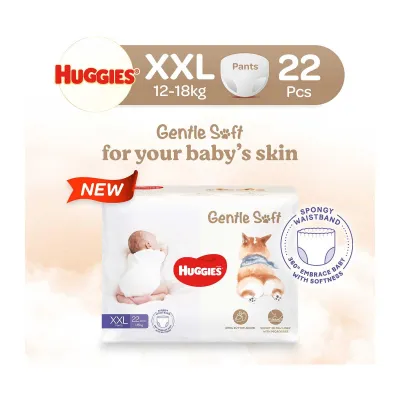
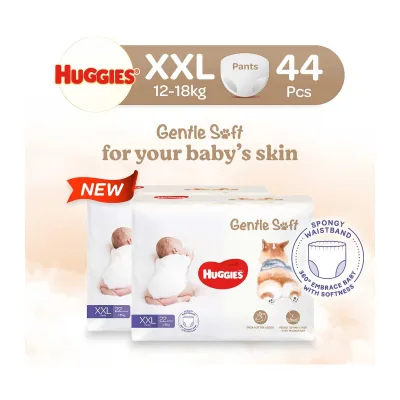
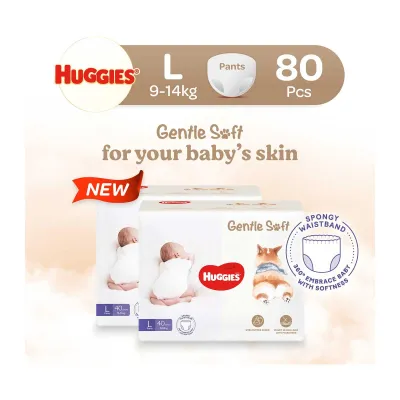
Prices are valid at publication and may change. Please refer to the product page for the latest price.
To determine if an XXL diaper fits your toddler correctly, you must observe several key physical indicators during active play and rest. First, examine the leg cuffs, which feature double elastic barriers designed to contain leaks. These cuffs should sit snugly in the groin creases without gaping, yet they must not pinch or leave deep red marks. Second, evaluate the waistband elasticity; the band should rest comfortably above the hips, near the belly button, and stretch easily as your toddler breathes and moves. Finally, check the overall rise of the diaper, ensuring it covers the lower back and abdomen adequately without sagging.
Recognizing the signs that your toddler has outgrown their current size is essential for preventing leaks and skin irritation. If you notice frequent side leaks despite the diaper not being fully saturated, the fit is likely incorrect. Deep red indentations on your toddler’s thighs, hips, or waist are clear indicators that the elastics are too tight, signaling an immediate need to size up. Additionally, if the waistband constantly slips below the belly button or if you find yourself pulling the diaper up repeatedly during the day, transitioning to a larger size or a different brand’s cut is highly recommended.
Comparing Core Performance and Design Features
The internal structure of a diaper determines how well it manages moisture and prevents leaks during high-activity hours and long overnight sleep stretches. Pampers, Huggies, and Mamypoko utilize distinct core technologies that distribute and lock away liquid differently. Understanding these design variations allows you to match the diaper’s performance characteristics to your toddler’s specific wetting patterns.

Pampers XXL diapers often feature thin, channeled absorbent cores designed to distribute wetness evenly across the front and back. This design minimizes sagging and bulkiness, making it highly suitable for active daytime wear where freedom of movement is a priority. Huggies typically employs a centralized absorbent zone that targets rapid absorption, which can be particularly effective for toddlers who flood their diapers quickly. Mamypoko is widely recognized for its thick, high-capacity cores that offer substantial barrier protection, making them a popular choice for overnight use when maximum absorption is required over several hours.
For active toddlers, the fastening mechanism and waistband design are critical for keeping the diaper secure. Diaper pants are the preferred choice in the XXL category due to their ease of use during standing changes. When evaluating diaper pants, check the strength of the tear-away side seams; they must be robust enough to withstand vigorous climbing and running but easy for a caregiver to tear open during a change. If using open tape diapers, ensure the fastening tabs have rounded edges to prevent scratching and possess sufficient grip to hold fast against a toddler’s constant movement.
Wetness indicators are another valuable design feature, consisting of a color-changing strip on the outer cover that signals when a change is needed. While highly convenient, parents should note that high humidity levels can sometimes cause these indicators to change color slightly even before the diaper is soiled. Storing your diaper packs in a cool, dry place helps maintain the accuracy of these indicators and preserves the integrity of the absorbent materials.
Skin Sensitivity and Material Considerations
A toddler’s skin remains delicate and susceptible to irritation, making material composition a primary consideration when selecting an XXL diaper. Because diapers remain in close contact with the skin for extended periods, understanding what goes into the inner and outer layers is essential for preventing diaper rash and contact dermatitis.
When shopping for diapers, carefully review the packaging labels for material claims and ingredient lists. Many brands offer specialized lines that are fragrance-free, elemental chlorine-free, and hypoallergenic to cater to sensitive skin. Some diapers incorporate botanical extracts, such as organic cotton or soothing lotions, into the inner liner to help protect the skin barrier. While these additives are beneficial for many children, they can occasionally trigger sensitivities in highly reactive individuals, so it is wise to monitor your child’s skin closely whenever introducing a new product line.
Regularly inspect your toddler’s skin during diaper changes for any signs of irritation. Localized redness along the waistband or leg cuffs typically indicates mechanical friction or chafing, which can be resolved by adjusting the fit or switching to a brand with softer, more flexible elastics. In contrast, a generalized red rash across the diaper area, particularly within the skin folds, often points to moisture retention or a reaction to chemical components within the diaper core.
If your toddler develops a persistent rash that does not improve with frequent changes, thorough drying, and the application of a suitable barrier cream, stop using the current diaper brand immediately. If the skin irritation worsens, blisters, or causes your child visible distress, consult a pediatrician or qualified healthcare professional. They can provide an accurate diagnosis, recommend appropriate treatment, and offer guidance on the safest diapering materials for your child’s specific skin type.
Evaluating Price, Value, and Purchasing Options
As toddlers grow, the cost of diapering can become a significant household expense, especially since larger sizes like XXL contain fewer diapers per pack. To manage your budget effectively without compromising on quality, it is important to calculate the true cost of each diaper and navigate the purchasing landscape strategically.
To make accurate price comparisons, always calculate the unit price by dividing the total cost of the pack by the number of diapers inside. For example, divide the total package price in S$ by the total count of diapers in the pack to determine the cost per individual diaper. Comparing this unit cost across different packaging sizes—such as standard packs, jumbo boxes, and bulk cartons—allows you to identify the most economical purchasing option. Often, buying in bulk or purchasing carton deals yields a lower cost per diaper than buying individual packs.
When purchasing diapers, ensuring product authenticity is crucial for safety and performance. Counterfeit or poorly stored diapers may feature degraded absorbent cores, weak elastics, or compromised materials that can irritate your toddler’s skin. To guarantee authenticity, purchase your diapers from official brand stores, authorized distributors, or reputable supermarkets and online marketplaces. These retailers adhere to proper storage and handling standards, ensuring the products remain clean, dry, and safe for use.
Subscription models offered by online retailers can provide both convenience and cost savings, delivering diapers to your doorstep at regular intervals at a discounted rate. While subscriptions are highly practical, compare these rates against major promotional events, baby fairs, and seasonal sales where bulk clearance discounts might offer even greater savings. Additionally, keep in mind that toddlers can transition to potty training or outgrow a size unexpectedly, so avoid overcommitting to massive subscription volumes that might leave you with excess, unused stock.
Decision Framework: Matching the Brand to Your Toddler
Selecting the right XXL diaper brand requires matching your toddler’s physical needs and your daily routine to the specific strengths of each product. Use this framework to guide your decision:
- Consider Pampers XXL if your toddler is highly active, has a slender or average build, and benefits from a lightweight, flexible diaper that minimizes bulk under clothing and allows for unrestricted movement during daytime play.
- Consider Huggies if you prefer a soft, cushioned feel with a highly secure waistband that hugs the lower back, and if your toddler's wetting patterns align with a centralized, rapid-absorption core design.
- Consider Mamypoko if your primary requirement is maximum absorption capacity for long stretches, such as overnight sleep or extended travel, where a thicker, highly absorbent core is necessary to prevent leaks.
Before committing to a bulk purchase of any brand, always verify if your toddler has known skin sensitivities or allergies. If your child requires specific pediatric guidance, consult your doctor before changing diaper brands. When testing a new brand, start with a single trial pack to observe the fit, absorbency, and skin tolerance before investing in larger carton quantities.
Frequently Asked Questions (FAQ)
When should I transition my toddler to XXL diapers?
You should transition your toddler to XXL diapers when they approach the upper limit of the XL weight range printed on the packaging, or when you observe physical signs of a poor fit. These signs include frequent side leaks despite the diaper not being fully saturated, deep red elastic marks on your toddler’s thighs or waist, and a waistband that sits significantly below the belly button or slips down during active play.
Can I mix different diaper brands for day and night use?
Yes, mixing different diaper brands for day and night use is a highly practical and cost-effective strategy. Many parents choose a thinner, more flexible diaper for active daytime play to maximize comfort and mobility, while utilizing a thicker, high-capacity diaper from a different brand for overnight sleep to ensure leak-free rest. When adopting this approach, monitor your toddler’s skin closely to ensure they tolerate the different material compositions of both brands.

Community discussion
Share your experience or ask a question. Comments are reviewed before publication.