
Quick Answer: Which Diaper Brand Should You Choose?
Choosing the right diaper brand in Singapore—where the tropical humidity makes breathability and skin health top priorities—comes down to matching your baby’s unique body shape, activity level, and skin sensitivity to the right product. There is no single brand that reigns supreme for every infant. Pampers, Huggies, and MamyPoko each offer distinct advantages across their various product tiers. While one baby might thrive in a slim-fitting diaper designed for active movement, another might require a high-rise waistband to prevent overnight leaks.
Rather than committing to a bulk purchase immediately, the most reliable approach is to evaluate specific product lines and purchase small trial packs. This allows you to test how the materials interact with your baby’s skin and how the cut conforms to their body before investing in larger quantities.
Navigating Product Lines: Premium vs. Standard Editions
To make a fair comparison, parents must first understand that diaper brands do not offer a single, uniform product. Instead, Pampers, Huggies, and MamyPoko segment their offerings into distinct tiers, ranging from premium, skin-focused lines to standard, everyday options. For instance, Pampers features its premium Japanese-made lines alongside its standard dry series. Huggies offers its ultra-premium, organic-material lines alongside its standard active-wear options. MamyPoko similarly ranges from its premium, highly contoured designs to its high-absorbency standard lines.
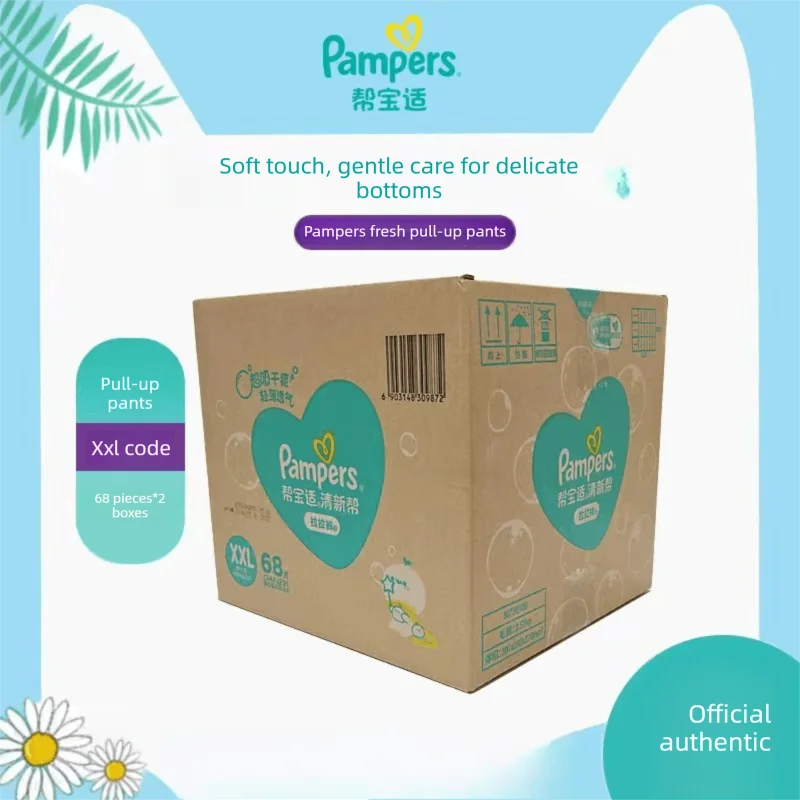
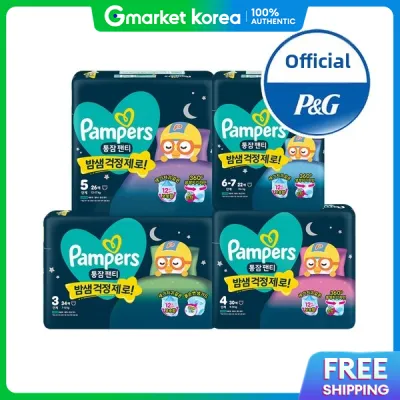
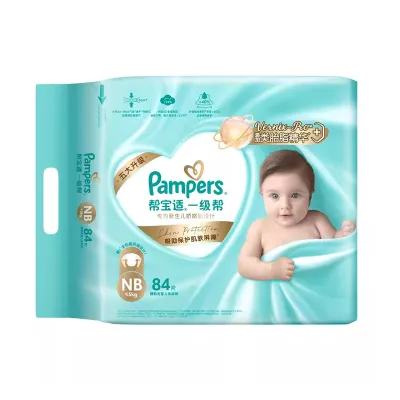
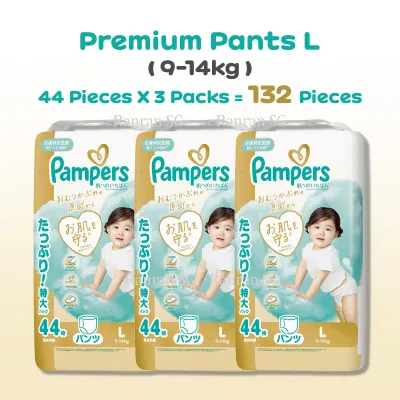
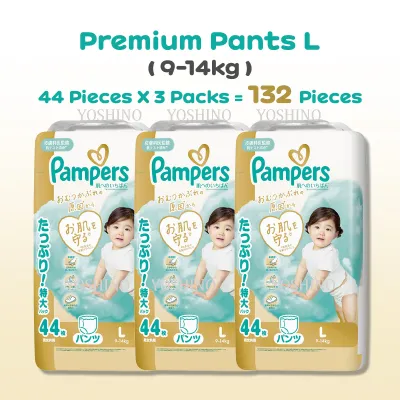
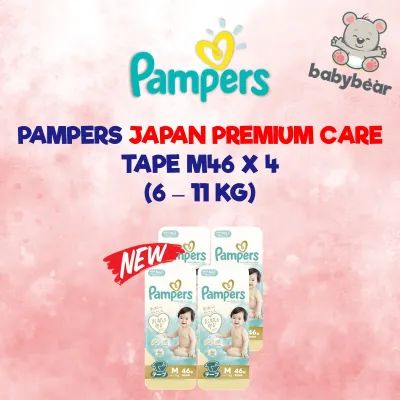
Products mentioned in this guide
![💕 BEST DEAL 💕 PAMPERS Japan Disposable Diaper - Tape & Pants [Carton Deals]](https://img.lazcdn.com/g/p/1387e22c10b638fa5e1192d58522554a.jpg_400x400q80.jpg_.webp)
Prices are valid at publication and may change. Please refer to the product page for the latest price.

Comparing a premium line from one brand to a standard line from another will inevitably skew your assessment of softness, absorbency, and overall value. Premium lines often incorporate softer, more breathable materials, advanced channel designs for rapid distribution, and specialized indicators. Standard lines, while highly functional and cost-effective, may feel slightly stiffer or bulkier. When shopping, always look past the prominent brand logo and carefully read the specific series name and features listed on the packaging. This ensures you are comparing equivalent tiers to get an accurate picture of performance and cost.
Evaluating Absorbency and Leak Protection
Absorbency is the cornerstone of diaper performance, but your baby’s needs will change significantly between daytime play and overnight sleep. During the day, babies are active, feeding frequently, and requiring changes every three to four hours. Daytime diapers should focus on a lightweight, flexible core that allows for unrestricted movement while quickly drawing moisture away from the skin. Overnight, however, the priority shifts to maximum capacity and moisture retention. A high-quality overnight diaper must lock away multiple wettings over a twelve-hour period to ensure uninterrupted sleep and protect the skin barrier.
When assessing absorbency, look for the manufacturer’s recommended wear time and core technology on the packaging. Once the diaper is on your baby, monitor observable indicators of saturation. While a color-changing wetness indicator is a convenient visual cue, you should also physically check the diaper. A fully saturated diaper will feel heavy, sag significantly, and have a firm, gel-like texture when squeezed. If your baby’s skin feels damp or cool during a change, or if you notice moisture wicking through the outer cover, the diaper’s core has reached its limit.
It is also vital to distinguish between capacity-related leaks and fit-related leaks. A capacity leak occurs when the absorbent core is completely full and can hold no more liquid, often resulting in dampness all over the diaper. A fit leak, on the other hand, occurs when liquid escapes through gaps around the leg cuffs or waistband before the core is fully saturated. If you notice leaks but the diaper core still feels relatively light and dry, the issue is likely a mismatch in fit or size rather than a failure of absorbency.
Assessing Fit, Comfort, and Skin Health
A diaper’s fit is highly dependent on your baby’s unique physical build. Babies grow at different rates, and their body proportions—such as the roundness of their thighs, the width of their hips, and the rise of their waist—will dictate which brand fits best. Pampers is widely recognized for its slim profile and highly elastic side panels, which contour closely to the body. This design is often ideal for slender, active babies who need a snug fit that moves with them. Huggies designs frequently feature pocketed waistbands and robust, double-layered leg guards, which are highly effective at containing liquid messes for babies with rounder bellies. MamyPoko often provides a generous, high-rise cut with deep, soft leg gathers, offering extensive coverage that works well for larger or taller babies.
In Singapore’s warm and humid climate, material softness and breathability are critical for maintaining skin health. Trapped moisture and heat can quickly lead to friction, skin irritation, and diaper rash. When evaluating a diaper, feel the inner lining to ensure it is soft to the touch, and check the packaging to verify dermatological testing, hypoallergenic claims, or the absence of added fragrances and chlorine.
Always monitor your baby’s skin for physical warning signs of a poor fit or material sensitivity. Deep red marks or indentations around the thighs or waist indicate that the elastic is too tight, suggesting it is time to size up. Chafing, localized redness, or a persistent diaper rash can indicate that the material is rubbing against the skin or trapping too much moisture. If a diaper rash develops and does not improve with regular application of a barrier cream and frequent changes, stop using the brand and consult a qualified healthcare professional or pediatrician for guidance.
Calculating Value for Money and Cost Per Diaper
Determining the true value of a diaper brand requires looking beyond the retail price of a single pack. Because different brands and sizes pack varying numbers of diapers into a bag, comparing pack prices can be highly misleading. Instead, the most accurate method is to calculate the cost per diaper. To do this, divide the total price of the pack by the number of diapers inside. For example, if a pack costs S$25.00 and contains 50 diapers, the cost per diaper is S$0.50. Keep in mind that as your baby grows and moves up in sizes, the number of diapers per pack decreases, which naturally increases the cost per individual diaper.
True value also encompasses absorbency efficiency and usage rates. A premium diaper that costs slightly more upfront but keeps your baby dry and comfortable for a full twelve-hour night can replace the need for multiple nighttime changes. This not only saves you money but also reduces the total number of diapers you use daily. Conversely, a cheaper diaper that leaks frequently or causes skin irritation will end up costing more in extra changes, laundry, and rash creams.
To maximize your diaper budget without compromising on quality, consider strategic purchasing habits. Many parents in Singapore utilize online marketplace subscriptions, which offer recurring delivery discounts. Buying in bulk during major promotional events or purchasing bundle deals can also significantly lower the cost per diaper. However, always ensure your baby is not on the verge of a growth spurt before buying large quantities of a single size, as they may quickly outgrow them.
Final Decision Framework: Matching Brand to Baby
To help you finalize your choice or decide which brand to test next, use this practical checklist based on common diaper characteristics and baby needs:
- Choose Pampers if: You prefer a lightweight, ultra-thin diaper with highly flexible stretch panels that fit snugly under clothing, making it ideal for active babies who dislike bulky designs.
- Choose Huggies if: Your baby is prone to back leaks or blowouts, and you require a structured, pocketed waistband combined with secure, double-layered leg guards to keep messes contained.
- Choose MamyPoko if: You need a generous, high-rise fit with deep, soft leg gathers that provide extensive coverage and reliable overnight capacity for heavy wetters.
- Verify first if: Your baby has highly sensitive skin, is transitioning between weight classes, or has unique body proportions. In these cases, always purchase a small trial pack to check for skin compatibility and fit before committing to a bulk purchase.
Frequently Asked Questions (FAQ)
Can I mix different diaper brands for daytime and nighttime use?
Using a dual-brand diapering strategy is a highly effective way to balance your household budget while optimizing your baby’s comfort. Many parents choose a standard, cost-effective diaper for daytime use, when changes are frequent and the baby is active. They then switch to a high-absorbency, premium diaper from another brand for overnight sleep to ensure the baby remains dry and undisturbed. When implementing this strategy, monitor how your baby transitions between the different cuts and elastic tensions to ensure there are no gaps that could cause leaks during position changes.
How do I know if a diaper is too small or just lacking absorbency?
Distinguishing between a sizing issue and an absorbency limit is essential for troubleshooting frequent leaks. If you observe deep red marks on your baby’s thighs or waist, or if the waistband sits significantly below the belly button, the diaper is too small and you should size up. However, if the diaper fits well but leaks occur within a short period, or if the absorbent core feels completely dry while liquid escapes from the sides, the issue is likely a fit mismatch. Ensure that the leg cuffs are fully flared outward after every change to maintain a proper seal.
Community discussion
Share your experience or ask a question. Comments are reviewed before publication.