
Quick Answer: Finding the Right Diaper for Humid Weather
Singapore’s tropical climate, with its high relative humidity and year-round warmth, presents a unique challenge for parents managing diaper duty. When your baby reaches the active stage requiring an XL tape diaper, finding a balance between reliable containment and optimal airflow becomes a daily priority. There is no single, universally superior breathable diaper that works for every infant. Instead, the most suitable choice depends on your baby’s specific skin sensitivity, their daily movement level, and how closely you monitor the fit and condition of the diaper throughout the day.
To navigate the options available in local supermarkets and online marketplaces, parents must look beyond marketing buzzwords. True breathability is a combination of material design, structural fit, and regular care routines. By understanding how to verify breathability claims on packaging labels, physically inspecting diaper textures, and closely observing your baby’s skin reactions, you can establish a personalized diapering routine that keeps your little one comfortable even during the most humid afternoons.
How to Evaluate Diaper Breathability and Texture
When shopping for diapers in Singapore, the packaging is your first line of information. Look for specific indicators that point to engineered airflow. Manufacturers often highlight features such as micro-pores in the outer cover, specialized 3D airflow channels, or fully breathable backing sheets. These design elements are intended to let warm, moist air escape from inside the diaper while keeping liquid securely contained. Rather than relying on generic breathability claims, check the product description for technical details explaining how the air circulation is achieved.
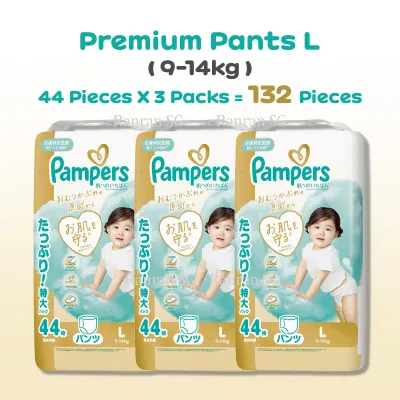
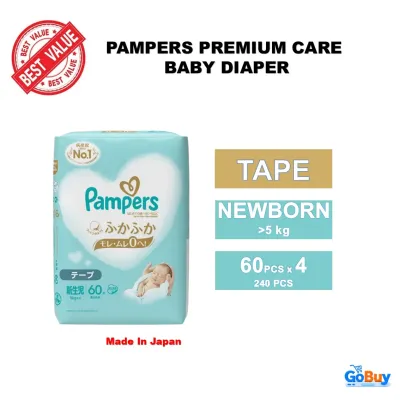
Products mentioned in this guide
![[CARTON SALES] PAMPERS Baby Diapers - Taped Newborn/L Taped/L Pants/XL Pants](https://img.lazcdn.com/g/p/15a28450befbb7ebe85e549a5bca30c0.png_400x400q80.png_.webp)
![[CARTON DEAL] PAMPERS PREMIUM CARE DIAPERS - NEW BORN / SIZE L / XL / XXL // TAPE OR PANTS](https://img.lazcdn.com/g/p/dab3f655ee03138f6c3a03acd74faf83.png_400x400q80.png_.webp)
Prices are valid at publication and may change. Please refer to the product page for the latest price.

Physical inspection is another highly effective method for evaluating diaper quality. If you have access to sample packs or trial diapers, take the time to feel both the inner lining and the outer cover. A high-quality diaper should feel soft to the touch, with a texture that minimizes friction against delicate skin. Note whether the inner lining is quilted, smooth, or cotton-like, as these textures interact differently with moisture. Quilted surfaces, for instance, are often designed to lift wetness away from the skin, creating tiny pockets where air can still circulate.
Beyond the physical attributes of the diaper, manufacturer guidelines on changing frequencies play a critical role in maintaining skin dryness. Even a highly breathable diaper cannot perform effectively if it is left on for too long in high-humidity conditions. Most manufacturers recommend changing diapers immediately upon soilage or every three to four hours during the day. In tropical climates, you may need to adjust this frequency depending on how much your baby perspires and their liquid intake, ensuring that moisture does not remain trapped against the skin for extended periods.
Comparing Pampers XL Tape, Merries, and Moony Features
Pampers XL Tape Features to Verify
When evaluating Pampers XL Tape, pay close attention to the specific variant’s topsheet design. Many variants feature a dry-weave topsheet designed to draw liquid away rapidly, keeping the surface in contact with the skin as dry as possible. Additionally, inspect the stretchable tape fasteners. These fasteners are designed to provide a secure, customizable fit around the waist, which is particularly useful for active babies who are beginning to crawl or walk. You should also check the packaging for indicators of core thickness; a thinner core can sometimes feel less bulky in hot weather, though you must verify that it still offers the absorbency your baby requires.
Merries XL Tape Features to Verify
Merries diapers are widely recognized for their focus on softness and ventilation. When examining a pack of Merries XL Tape, look for information regarding their signature wavy top sheet or triple-layer air-through system. These features are designed to create pathways for air to flow freely between the diaper and the baby’s skin, reducing the surface area that directly touches the skin. Additionally, check the placement and clarity of the wetness indicator. A clear, easy-to-read indicator helps caregivers identify exactly when a change is needed, preventing unnecessary moisture buildup in humid conditions.
Moony XL Tape Features to Verify
Moony diapers often emphasize ergonomic design and gentle materials. When inspecting Moony XL Tape packaging, look for details about their specialized waistband materials and stretchable leg gathers, which are engineered to reduce friction and red marks on active babies. Many Moony variants also feature a highly breathable outer cover designed to release humidity quickly. Take note of any specific material callouts, such as organic cotton blends or specialized soft-stretch fibers, which are intended to provide a smooth, non-irritating barrier against the skin during long periods of wear.
The Importance of Verifying Packaging Updates
It is essential for parents to remember that diaper manufacturers frequently update their product formulations, materials, and designs. A diaper that performed a certain way last year may have undergone design changes since then. Always verify the specific features, weight ranges, and material compositions printed on the exact packaging of the product you are purchasing. Do not assume that different variants within the same brand share the same breathability features, as premium and standard lines often utilize different technologies.
Monitoring Your Baby's Skin in Hot Weather
In Singapore’s warm climate, regular skin monitoring is a fundamental part of diaper care. Caregivers should actively look for early visual signs of skin irritation during every diaper change. These signs include heat rash (which often appears as tiny, red bumps), friction marks around the thighs or waist, localized redness, and general moisture buildup. If the skin feels damp or clammy immediately after removing a diaper, it may indicate that the diaper’s breathability or absorbency is not keeping up with the ambient humidity and your baby’s perspiration.
To ensure your baby’s skin remains healthy, establish a thorough checking routine. Gently wipe the diaper area with alcohol-free, fragrance-free wipes or clean water, and allow the skin to air-dry completely before putting on a fresh diaper. Pay close attention to the skin folds around the thighs and lower abdomen, as these are the primary areas where moisture and friction can cause irritation. If you notice persistent redness or chafing, it may be a sign that the current diaper size or brand is not providing the necessary airflow or fit for your baby’s current developmental stage.
Knowing when to take action is crucial for preventing minor irritation from developing into more severe skin conditions. If you observe persistent redness, broken skin, or a rash that does not improve after a few days of frequent changes and careful skin hygiene, stop using the current diaper brand or size immediately. Consult a pediatrician or qualified healthcare professional to receive an accurate diagnosis and appropriate treatment. Never rely solely on diaper changes to resolve severe or ongoing skin issues.
Decision Framework: Which Diaper Fits Your Baby?
Choosing the right diaper involves matching your baby’s unique physical needs and behavior with the specific features you have verified on the product packaging. If your baby is highly active, constantly moving, and you observe that their skin remains dry and free of irritation with a dry-weave surface, Pampers XL Tape may be a suitable choice. The secure, stretchable tape fasteners are designed to keep the diaper firmly in place during active play, reducing the risk of sagging and leaks.
If your baby has highly sensitive skin that reacts quickly to friction, and you prefer a diapering routine centered around frequent, proactive changes, Merries XL Tape is worth considering. The emphasis on ultra-soft inner linings and dedicated airflow channels is designed to minimize direct skin contact and maximize ventilation, provided you maintain a regular changing schedule to prevent the core from becoming oversaturated.
For babies who frequently experience red marks or chafing around the waist and legs, Moony XL Tape offers a design focused on ergonomic fit and gentle containment. The specialized waistband materials and contoured leg gathers are engineered to move with your baby, reducing the friction that can lead to heat rash in humid conditions.
Before making any final decisions or switching brands, always verify if your baby has a history of severe skin sensitivities or allergies. If your baby is prone to eczema or other chronic skin conditions, consult a healthcare professional for personalized recommendations on diaper materials and skincare routines.
Frequently Asked Questions (FAQ)
Does a higher price guarantee better breathability?
No, a higher price tag does not automatically guarantee that a diaper will offer better breathability or perform better in Singapore’s humid climate. Premium pricing is often a reflection of various factors, including imported material sourcing, brand positioning, specialized absorbency cores, or proprietary manufacturing technologies. While some premium diapers do feature advanced airflow designs, standard or mid-tier diapers may perform equally well for your baby’s specific skin type. Instead of relying solely on the price point, focus on verifying physical product features, checking packaging claims for breathable zones, and observing how your baby’s skin actually reacts to the diaper during daily wear.
Should I size up to an XL diaper for better airflow in hot weather?
Sizing up to an XL diaper before your baby meets the manufacturer’s recommended weight range is generally not advised as a method to increase airflow. While a larger diaper might seem like it would allow more air to circulate, it often creates loose gaps around the legs and waist. These gaps can lead to frequent leaks of urine and stool, which can cause significant skin irritation and hygiene issues that far outweigh any perceived benefit of increased airflow. To ensure proper containment and skin health, strictly follow the manufacturer’s weight and size guidelines printed on the packaging. A snug, properly fitted diaper that matches your baby’s current weight is the most effective way to prevent leaks and maintain comfort.

Community discussion
Share your experience or ask a question. Comments are reviewed before publication.