
When toddlers reach the active milestone of walking, running, and climbing, transitioning to diaper pants like Pampers XL pants becomes a common step for parents in Singapore. However, finding the right diaper is not about finding a single universal winner. It requires comparing physical design, fit, absorbency, and value against your toddler’s unique build and skin sensitivity. In Singapore’s warm and humid climate, factors like breathability and waistband flexibility are just as critical as raw absorbency. This guide outlines how to systematically compare Pampers XL pants with other major diaper brands to find the ideal match for your toddler.
Selecting the right diaper pant involves looking beyond brand names and focusing on observable design features. Because every toddler’s body shape and activity level differ, a diaper that works perfectly for one child might cause leaks or discomfort for another. By establishing a structured evaluation process, you can avoid the trial-and-error cycle that often leads to wasted packs and skin irritation.
Key Factors to Evaluate When Comparing XL Diaper Pants
Before purchasing any diaper pants, the first step is to carefully examine the product packaging for specific weight guidelines and sizing charts. While XL is generally designed for toddlers within a specific weight range, such as 12 to 22 kilograms, these ranges vary slightly between brands. Some brands may design their XL pants with a narrower cut for leaner toddlers, while others cater to rounder builds. Checking the manufacturer’s weight chart ensures you do not accidentally purchase a size that is too small or excessively loose.
Products mentioned in this guide
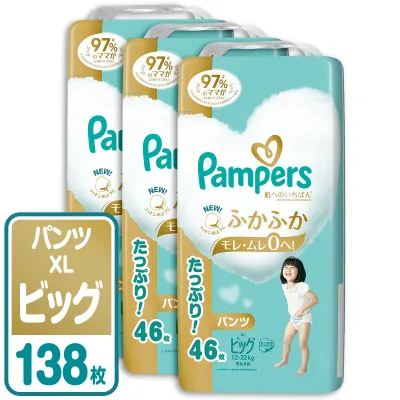
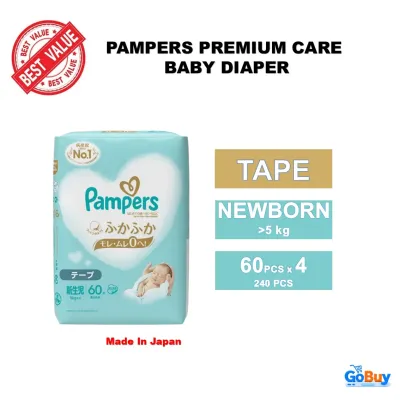
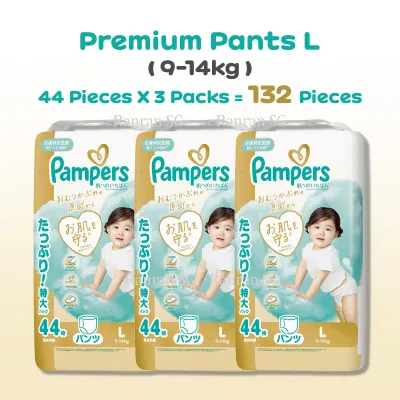
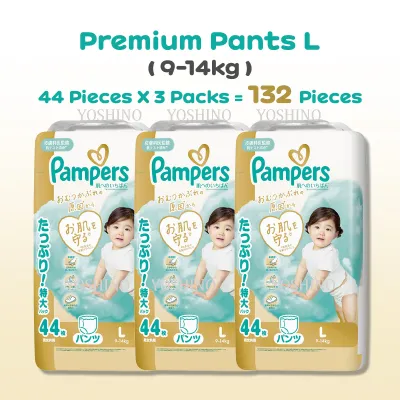
![💕 BEST DEAL 💕 PAMPERS Japan Disposable Diaper - Tape & Pants [Carton Deals]](https://img.lazcdn.com/g/p/1387e22c10b638fa5e1192d58522554a.jpg_400x400q80.jpg_.webp)
Prices are valid at publication and may change. Please refer to the product page for the latest price.
Material composition and dermatological labels printed on the wrapper provide essential clues about skin compatibility. Look for terms indicating that the materials are breathable, hypoallergenic, or free from elemental chlorine and added fragrances. In Singapore’s humid weather, diapers with micro-porous outer covers help heat and moisture escape, reducing the risk of sweat rashes. Parents should treat these packaging claims as items to verify against their child’s actual skin response rather than absolute guarantees of safety.
Physical design elements are the most reliable indicators of how a diaper pant will perform in daily use. Examine the waistband elasticity to see how easily it stretches and whether the gathers feel soft or stiff. Look at the leg cuff structure, specifically checking for double-layered leak guards that sit flat against the thighs. Additionally, a clear wetness indicator—usually a line that changes color when wet—is a highly useful feature for tracking when a change is needed without tearing the sides of the pants.
Assessing Fit and Comfort for Active Toddlers
To verify if an XL diaper pant truly fits your toddler, you must compare the brand’s stated weight range against your child’s actual proportions. Toddlers of the same weight can have vastly different waistlines and thigh circumferences. A diaper pant might fit a tall, lean toddler perfectly but pinch the thighs of a shorter, sturdier child. Measuring your toddler’s waist and thighs can help you identify whether a brand’s cut aligns with their physical build.

After your toddler wears a new brand of diaper pants for a few hours, perform a physical check of their skin. Look closely at the waistline and around the thighs for any red marks, deep indentations, or signs of chafing. These marks indicate that the elastic gathers are too tight, the material is too abrasive, or the diaper is too small. A well-fitting diaper pant should leave minimal to no marks while remaining secure enough to prevent sagging.
Active play provides the ultimate test for diaper stability and bunching resistance. Observe your toddler while they crawl, walk, run, or climb to see if the diaper shifts out of place or slides down their hips. If the core of the diaper bunches up into a hard lump between the thighs, it can restrict movement and cause friction. High-quality diaper pants should maintain their shape and stay securely positioned on the hips even when the toddler is highly active.
Evaluating Absorbency and Leak Protection
Evaluating absorbency requires practical, observable methods rather than relying on marketing claims of long-lasting dryness. The wetness indicator is your first tool for tracking how quickly a diaper absorbs liquid. By observing how rapidly the indicator changes color after your toddler drinks fluids, you can get a sense of the core’s absorption speed. If the indicator changes color but the outer shell feels damp or cool to the touch, the diaper’s outer layer may lack sufficient moisture barriers.
To assess surface dryness and core texture, examine the inside of the diaper during a change after heavy use. Gently press a dry tissue against the inner lining; if the tissue remains dry, the diaper is successfully locking moisture away from your toddler’s skin. Feel the inner core to see if the superabsorbent polymers have distributed the liquid evenly or if the moisture has pooled in a single spot, which can lead to premature sagging and leaks.
Leakage patterns can help you determine if a specific brand’s XL size is failing or if the fit is incorrect. If leaks consistently occur around the legs, check if the inner leak-guard gussets are standing upright and wrapping snugly around the thighs. If leaks happen at the waist, particularly when your toddler is sleeping on their tummy, the diaper may lack sufficient absorbent material at the front. Consistent overnight leaks often signal that it is time to upgrade to a larger size, try a different brand cut, or switch to a dedicated overnight diaper pant.
Comparing Value and Purchasing Strategies
To find the most economical diapering option, always calculate the true cost per piece rather than comparing the shelf price of different packs. Diaper packs come in various configurations, including standard packs, jumbo packs, and bulk cartons. To find the unit cost, divide the total price of the pack by the number of diaper pants inside. For example, a pack priced at S$24 containing 40 pieces costs S$0.60 per piece, which may offer better or worse value than a larger carton depending on the current promotion.
Before committing to a large carton of a new diaper brand, it is highly advisable to purchase small trial packs or request official samples. Toddlers can develop sudden sensitivities to specific materials, or a brand’s cut may simply not suit their body shape. Buying in bulk prematurely can result in leftover diapers that cannot be used. Testing a small quantity first allows you to verify fit, comfort, and absorbency with minimal financial risk.
When purchasing diaper pants in Singapore, monitor authorized online stores, official brand shops, and reputable physical retailers. Buying from official channels ensures you receive genuine stock that has been stored in climate-controlled conditions. Diapers stored in hot, humid warehouses for extended periods can suffer from degraded adhesives, weakened elastics, and pre-activated wetness indicators. Checking for valid promotions and bundle deals on official platforms is the safest way to secure genuine products at a lower cost.
Decision Framework: Matching Diaper Features to Toddler Needs
Choosing the right diaper pant comes down to matching specific design profiles with your toddler’s physical traits and daily routine. If your toddler has a sturdier build, a prominent tummy, or is extremely active, prioritize brands that feature highly stretchable, wide waistbands. These designs distribute pressure more evenly across the abdomen and hips, preventing the diaper from digging into the skin or slipping down during vigorous play.
For toddlers living in warm, humid climates or those prone to heat rash, prioritize diaper pants that emphasize thin, highly breathable cores and soft, micro-porous top sheets. A thinner core allows for better air circulation and reduces heat retention around the diaper area. While these diapers may need to be changed more frequently during the day, the increased breathability can significantly reduce skin irritation and keep your toddler comfortable.
If your toddler sleeps through the night and produces heavy volumes of urine, look for diaper pants with reinforced overnight absorbency zones and tall, double-layered leak guards. These diapers are specifically designed to distribute liquid evenly along the entire length of the core, preventing pooling and leaks when the child lies down for extended periods. Keep in mind that overnight diapers may feel slightly bulkier, which is a acceptable trade-off for uninterrupted sleep.
Before fully transitioning to a new brand or material, always monitor your toddler for signs of contact sensitivity or friction irritation. Introduce the new diaper pants gradually during the day when you can observe their skin closely. If you notice persistent redness, bumps, or chafing that does not resolve with regular diaper changes and barrier creams, stop using the brand immediately. Consulting a qualified healthcare professional or pediatrician is recommended if skin irritation persists or worsens.
Frequently Asked Questions (FAQ)
When is the right time to transition my toddler to XL diaper pants?
You should consider transitioning your toddler to XL diaper pants when they reach the upper weight limit of their current Large (L) size, or when you notice frequent side leaks despite proper application. Other physical signs include deep red marks around the thighs or waist, indicating the elastic is too tight. If you find it difficult to pull the diaper pants up over your toddler’s hips, or if the waistband sits significantly below their belly button, it is generally time to upgrade to the next size.
How can I prevent diaper rash when using XL pants for long overnight stretches?
To protect your toddler’s skin during long overnight stretches, apply a thick layer of a zinc oxide-based barrier cream before putting on the bedtime diaper. Ensure the diaper area is completely clean and thoroughly dry before application, as trapping moisture beneath the cream can worsen irritation. Use a diaper pant with high breathability and a dedicated overnight core to draw wetness away from the skin. If redness, swelling, or a persistent rash develops and does not improve within a few days, stop use and consult a pediatrician.

Community discussion
Share your experience or ask a question. Comments are reviewed before publication.