
Quick Answer: Which Diaper Brand Fits Your Baby's Needs?
Finding the right disposable diaper in Singapore’s warm, humid climate involves matching your baby’s unique body shape, skin sensitivity, and activity level to the specific design features of each brand. There is no single diaper that works perfectly for every infant, as individual fit and skin tolerance vary significantly.
Consider Pampers if your baby’s shape and skin respond well to its specific cut and material claims, such as lightweight, breathable layers designed to keep moisture away from the skin during active daytime hours.
Consider Huggies if you require a secure fit with a structured waistband design and leg cuff barriers that help prevent leaks during active daytime play, crawling, or rolling.
Products mentioned in this guide
![💕 BEST DEAL 💕 PAMPERS Japan Disposable Diaper - Tape & Pants [Carton Deals]](https://img.lazcdn.com/g/p/1387e22c10b638fa5e1192d58522554a.jpg_400x400q80.jpg_.webp)
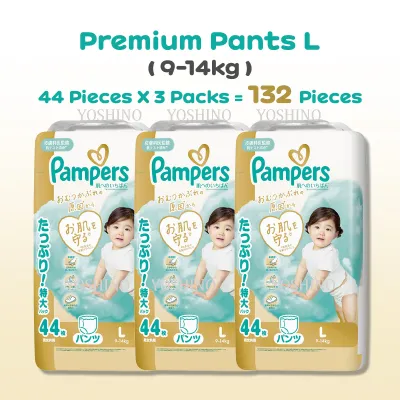
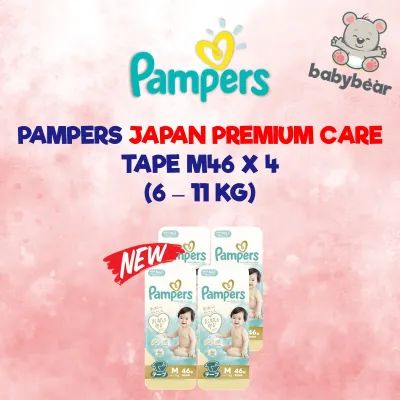
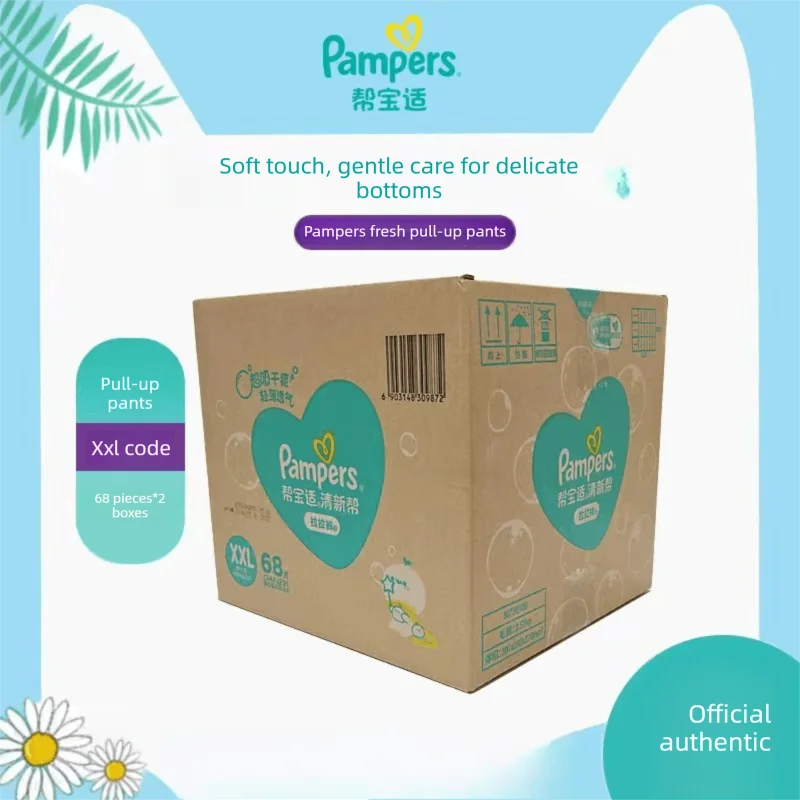
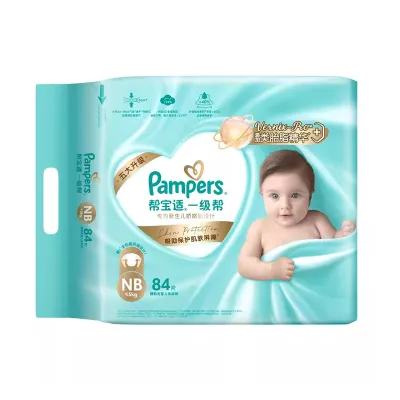

Prices are valid at publication and may change. Please refer to the product page for the latest price.
Consider Mamypoko if your primary focus is overnight protection, as their specialized high-absorbency variants are designed to handle long sleep stretches without leaking.
Before committing to a bulk purchase, always verify your baby’s current weight against the manufacturer’s sizing charts and check the packaging for specific ingredient lists if your child has highly sensitive skin.
Key Comparison Dimensions to Check on the Packaging
When browsing the diaper aisle in Singapore supermarkets or online marketplaces, comparing the technical specifications printed on the packaging helps you make an informed choice. Manufacturers provide detailed indicators that reveal how a diaper is constructed to perform under different conditions.

Absorbency Indicators and Wetness Alerts Look for the presence of a wetness indicator strip, which changes color when the diaper is wet. Check the packaging for claims regarding maximum wear times, often designated for daytime or overnight use, to understand the intended capacity of the core. In Singapore’s humid environment, timely changes are crucial, and a clear wetness indicator helps caregivers monitor wetness without constantly opening the diaper.
Material Composition and Skin-Contact Layers Examine the description of the inner topsheet. Some product lines feature lotion-infused layers, while others emphasize textured, breathable mesh designs intended to minimize direct skin contact with wetness. Because high humidity can trap moisture against your baby’s skin, checking for explicit breathability claims on the packaging is highly recommended.
Sizing Charts and Weight Ranges Diaper sizes are determined by weight rather than age. Always check the weight range on the side of the pack, keeping in mind that overlapping sizes exist to accommodate different body proportions. If your baby is near the upper limit of a weight range, it is often wise to prepare for the next size up.
Fastening Mechanisms and Waistband Elasticity Inspect the illustrations of the fastening tabs and waistbands. Look for features like stretchable side panels, refastenable tape, or high-back waist bands designed to contain blowouts. A secure fastening system ensures the diaper stays in place as your baby becomes more mobile.
Diaper Format (Tape vs. Pants) Packaging clearly indicates whether the diaper is a traditional tape style or a pull-up pants style. Tape diapers allow for a highly customizable fit around the waist, whereas pants styles are designed for quick changes once babies become highly active and resist lying down during changes.
Evaluating Fit, Comfort, and Leak Protection
A diaper’s performance depends heavily on how its physical structure conforms to your baby’s unique shape during movement and rest. Even a highly absorbent diaper will leak if the fit does not match your baby’s build.
Leg Cuff Design and Barrier Height Active babies who are crawling, rolling, or walking require double-layered leg cuffs. Check that the elastic barriers stand upright around the thighs to create a secure seal. When putting on the diaper, run your finger along the inside of the leg cuffs to flare them out, as tucked-in cuffs are a primary cause of side leaks.
Waistband Stretch and Fastening Durability Babies’ tummies expand after feeding, making waistband flexibility crucial. A good diaper should have enough stretch to accommodate this expansion while keeping the fastening tabs securely anchored. Ensure the tabs are fastened symmetrically on the front landing zone to maintain an even distribution of tension.
Conforming to Movement and Sleep Observe your baby while they play and sleep. The diaper should move naturally with their body, maintaining its position without sagging excessively when wet or shifting out of alignment. If the diaper frequently bunches up or slides down, the cut may not be suitable for your baby’s current developmental stage.
The Two-Finger Fit Test When securing a tape diaper, you should be able to slide two fingers comfortably between the waistband and your baby’s tummy. This ensures the diaper is snug enough to prevent leaks at the back but loose enough to allow comfortable breathing, digestion, and movement.
Identifying Signs of Poor Fit Regardless of the brand you choose, watch for clear indicators that the diaper is not fitting correctly. Red marks around the thighs or waist, gaps at the back, or frequent leaks are signs that you may need to adjust the size, try a different cut, or switch to a brand with a different structural design.
Assessing Value and Purchasing Options in Singapore
Managing diaper expenses is a key consideration for households in Singapore. To find the most cost-effective option, you must look beyond the price of a single pack and calculate the unit cost.
Calculating Cost Per Piece Divide the total price of the pack by the number of diapers inside to find the cost per piece in S$. This calculation allows you to make direct comparisons across different pack sizes and brands, as larger sizes typically contain fewer pieces per pack. Tracking this unit cost helps you identify genuine savings.
Bulk-Buy Options and Retailers Compare the pricing of single packs at local supermarkets with bulk-buy cartons available on authorized online marketplaces. Purchasing cartons often reduces the cost per piece, though it requires more storage space at home. Many parents find that bulk buying is most economical once a baby’s growth rate slows down and they stay in one size for several months.
Subscription Discounts and Loyalty Programs Many official brand stores on ecommerce platforms offer subscription services or bundle deals. These programs can provide consistent savings and the convenience of regular home delivery, which is especially helpful for busy parents managing household logistics.
Verifying Product Authenticity When purchasing from third-party sellers online, verify the authenticity of the product. Check the packaging integrity, look for official distributor labels, and inspect the manufacturing or expiration dates to ensure the diapers have been stored in dry, clean conditions before reaching your home.
Storage Considerations in Singapore Homes Given the compact nature of many Singapore apartments, balancing bulk-buy savings with available storage space is essential. Storing diapers in a cool, dry place away from direct sunlight and high humidity helps maintain the integrity of the adhesive tapes and absorbent materials over time.
When to Switch Brands or Sizes
As babies grow and their physical development changes, a diaper brand or size that worked well for months may suddenly become ineffective. Recognizing the signs that it is time to make a change prevents discomfort and leaks.
Physical Signs of Discomfort Persistent skin redness, deep red marks around the waist or thighs, or frequent blowouts at the back are clear indicators that the current diaper is either too small or the wrong shape for your baby’s body. If you notice these signs consistently, it is time to re-evaluate the fit.
Adjusting Size Based on Weight and Build Do not rely solely on the age guidelines printed on the packaging. If your baby’s weight is near the upper limit of the current size, or if they have particularly chubby thighs or a rounder tummy, transitioning to the next size up often resolves leakage issues and improves comfort.
Transitioning to Overnight Variants If standard daytime diapers begin to leak during long sleep stretches, consider using specialized overnight variants. These are designed with enhanced absorbency cores to handle larger volumes of liquid over several hours, helping your baby sleep through the night without disruption.
Switching Formats for Active Babies When your baby starts flipping over during diaper changes, crawling, or pulling themselves up to stand, transitioning from tape diapers to pants styles can make the process much easier for caregivers. Pants styles offer a quick pull-up application and a flexible fit that accommodates high levels of activity.
Consulting a Professional If skin irritation or diaper rash persists despite changing sizes, switching brands, and maintaining regular diaper changes, stop using the product and consult a pediatrician or healthcare professional for guidance. They can help identify potential skin sensitivities and recommend appropriate care.
Frequently Asked Questions (FAQ)
Can I mix different diaper brands for daytime and nighttime use?
Yes, using a dual-brand strategy is a practical way to balance cost and performance. Many parents choose a lighter, highly breathable diaper for active daytime wear when changes are frequent, and reserve a more absorbent, premium diaper for overnight sleep. When mixing brands, ensure both options fit your baby’s current shape correctly to avoid friction or leaks during transitions.
How do I know if a diaper is causing a rash?
To determine if a diaper is the source of skin irritation, check if the redness aligns with friction points like the leg cuffs, waistband, or fastening tabs. Observe whether the rash appeared shortly after switching to a new brand, or if it correlates with prolonged wear times. If the irritation does not improve with frequent changes and barrier creams, consult a pediatrician to rule out other causes.

Community discussion
Share your experience or ask a question. Comments are reviewed before publication.