
Quick Answer: Finding the Right Diaper Pants for Your Baby
Finding the ideal diaper pants for your baby in Singapore’s warm, humid climate is rarely about finding a single, universally perfect brand. Instead, the right choice depends heavily on your baby’s unique body shape, their daily activity level, and your household budget. While Pampers Pants are widely recognized for their specific stretch-fit technology and reliable moisture distribution, other brands in the market may serve your family better if you prioritize organic materials, ultra-budget pricing, or specialized overnight capacities.
To make an informed decision, you must balance three primary drivers: consistent overnight leak protection, skin sensitivity under local weather conditions, and the actual cost per diaper change. Every baby develops differently, meaning a diaper that fits a slender, active crawler perfectly might cause red marks on a baby with chunkier thighs. By understanding how to evaluate structural features and calculate true value, you can confidently match diaper specifications to your baby’s current developmental stage.
How to Evaluate Absorbency Claims Across Diaper Brands
When comparing diaper pants, marketing terms like “ultra-dry” or “12-hour protection” can be misleading. To truly evaluate absorbency, you need to look past the front of the packaging and examine the structural design of the diaper. High-performing diaper pants generally rely on a multi-layer core containing Superabsorbent Polymers (SAP), which lock moisture away from your baby’s skin. Look for channels molded into the core; these channels help distribute liquid evenly, preventing the diaper from sagging heavily in the middle.
Products mentioned in this guide
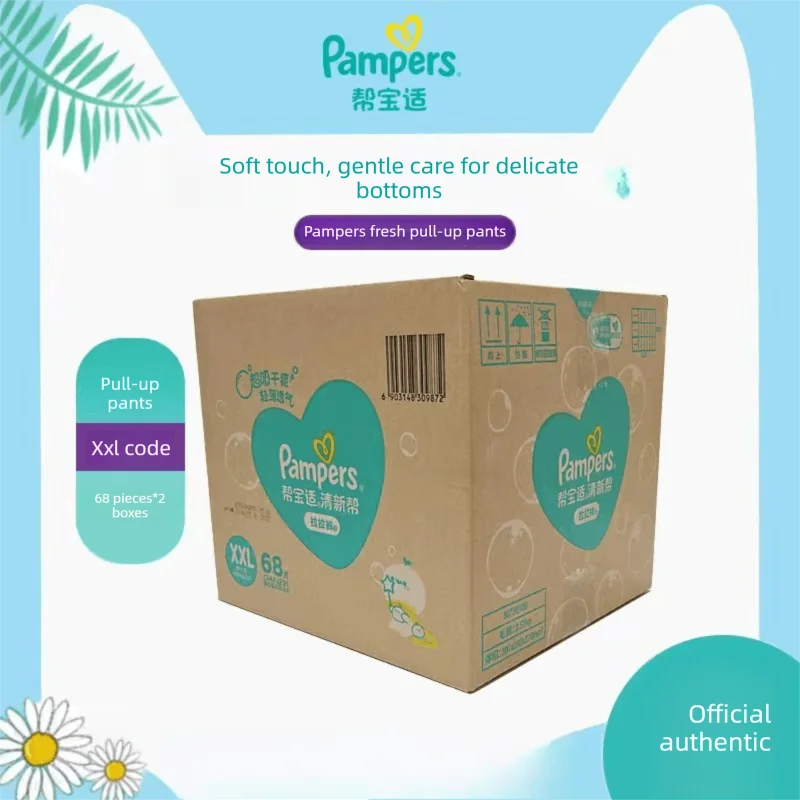
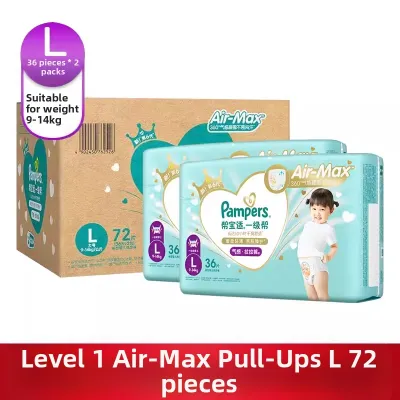
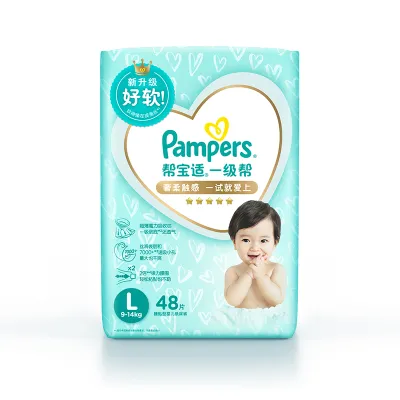
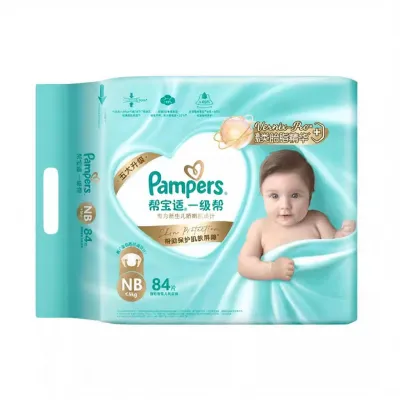
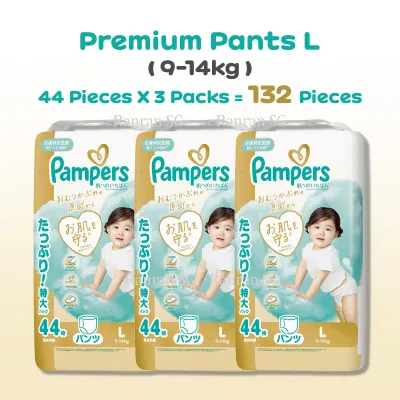
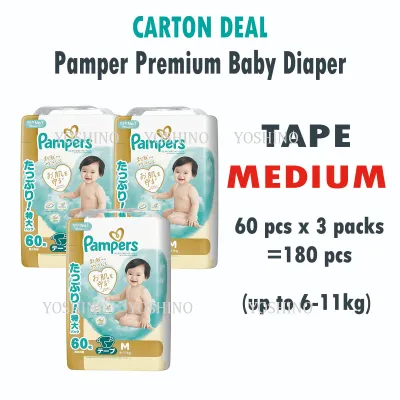
Prices are valid at publication and may change. Please refer to the product page for the latest price.

Another critical structural feature is the presence of double-layer leak guards around the legs. These hydrophobic barriers stand upright to contain sudden gushes before the core can fully absorb them. Additionally, a reliable wetness indicator—a strip that changes color when wet—is highly useful for daytime monitoring, allowing you to change your baby before saturation leads to leaks or skin irritation.
It is also essential to differentiate between daytime diaper pants and those designed specifically for overnight use. Daytime pants prioritize breathability and a slim profile to allow maximum freedom of movement as your baby crawls or walks. Overnight options, on the other hand, feature a thicker absorbent core and a higher waistline to handle prolonged wetting while your baby is lying down.
To monitor real-world performance during a trial period, use this simple checklist:
- Surface Dryness Check: Gently press a dry tissue against the inside of a used diaper during a change; the tissue should remain mostly dry if the core is working efficiently.
- Sagging Assessment: Observe if the diaper pants sag excessively after only one or two urinations, which can restrict movement and cause gaps around the legs.
- Morning Leak Frequency: Track how often your baby wakes up with damp pajamas over a one-week trial of a specific brand.
Assessing Fit, Elasticity, and Skin Comfort
A diaper’s fit is just as important as its absorbency when it comes to preventing leaks and blowouts. Diaper pants rely on a 360-degree elastic waistband to stay secure, but the tension and stretch of this waistband vary significantly between brands. Some brands offer a highly gatherable, soft waistband that stretches easily over round tummies, while others feature a firmer, more structured elastic designed to stay put during vigorous climbing and running.
These differences in elasticity mean that certain brands are naturally better suited for specific baby body types. For instance, babies with slender waists and rounder thighs often benefit from diaper pants with highly flexible, wide leg cuffs that do not pinch. Conversely, babies with prominent tummies may require a waistband that sits higher and stretches generously without rolling down.
Beyond fit, the inner lining material plays a crucial role in maintaining skin health, especially in Singapore’s tropical heat where sweat and friction can quickly lead to diaper rash. When evaluating different brands, check the packaging for labels such as fragrance-free, hypoallergenic, or dermatologically tested. If your baby has highly sensitive skin, look for diaper pants that feature plant-based top sheets or those free from elemental chlorine bleaching.
To ensure a proper fit every time you put on a pair of diaper pants, perform these quick checks:
- The Two-Finger Test: Slide two fingers easily under the waistband to ensure it is snug but not constricting your baby's stomach.
- Leg Cuff Extraction: Run your finger around both leg openings to ensure the outer frills are fully pulled out and pointing downward, rather than tucked inward.
- Symmetry Check: Verify that the waistband is level all the way around, sitting just below the belly button at the front and matching the height at the back.
Calculating True Value and Cost Per Diaper Change
Comparing diaper prices on supermarket shelves can be deceptive because pack counts vary widely between brands and sizes. To find the true economic impact on your household budget, you must calculate the cost per individual diaper change. You can easily determine this using a simple formula: divide the total price of the pack by the number of diapers inside. For example, if a pack costs S$24.00 and contains 40 diaper pants, the cost per diaper is S$0.60.
When performing this calculation, keep in mind that larger bulk boxes or carton deals almost always offer better unit economics than smaller convenience packs. However, the cheapest diaper per piece does not always translate to the best overall value. If a lower-priced diaper has lower absorbency, you may find yourself changing your baby twice as often or dealing with frequent leaks that require extra laundry cycles. A slightly more expensive, highly absorbent diaper that lasts through the night without leaking can often prove more cost-effective in the long run.
To optimize your diapering budget in Singapore, consider these practical purchasing strategies:
- Bulk Buying and Subscriptions: Look for recurring delivery subscriptions on local online marketplaces or specialized baby retail platforms, which frequently offer discounts of 10% to 15% off regular retail prices.
- Supermarket Promotions: Keep track of bi-weekly supermarket flyers and warehouse club sales, where bulk carton discounts can significantly lower the cost per piece.
- Trial Packs: Before committing to a full carton of a new brand, purchase smaller trial packs or request samples online to verify the fit and skin compatibility first.
Decision Framework: Which Diaper Pants Should You Choose?
To help you navigate the many options available in Singapore, use this conditional decision framework to match your family’s specific priorities with the right diaper pants.
Choose Pampers Pants if:
- Your baby is highly active, crawling, or walking, and you require a diaper with a highly flexible, 360-degree stretch waistband that moves with them.
- You prefer a widely available brand that you can easily purchase at almost any local supermarket, convenience store, or online platform.
- You want a reliable, slim-profile daytime diaper that distributes wetness evenly without becoming excessively bulky between changes.
Choose specialized sensitive-skin brands if:
- Your baby has a history of severe diaper rash, eczema, or highly reactive skin that flares up easily in hot weather.
- You prioritize diaper pants made with organic cotton, plant-based materials, or those carrying certified hypoallergenic and chlorine-free credentials.
- You are willing to pay a premium price per piece to ensure the inner lining contains zero added fragrances or lotions.
Choose budget-friendly bulk brands if:
- You are managing a strict monthly household budget and want to minimize your recurring diapering expenses.
- Your baby is changed very frequently during the day—such as at a childcare center—meaning diapers are rarely worn long enough to reach maximum absorbency capacity.
- Your baby does not have highly sensitive skin and tolerates standard synthetic materials well.
Verify first if:
- You are transitioning from tape diapers to pants for the first time; ensure you choose the correct size based on your baby's current weight rather than their age.
- You experience sudden, unexplained leaks; check if your baby has outgrown their current size or if the leg cuffs are not being fully pulled out during changes.
- You notice persistent skin redness or irritation; stop using the current brand immediately and consult a pediatrician to rule out an allergic reaction or yeast infection.
Frequently Asked Questions (FAQ)
When should I switch from tape diapers to diaper pants?
You should consider switching to diaper pants when your baby becomes highly active and resists lying still during changes. Common developmental milestones that make tape diapers challenging include rolling over, crawling away, or attempting to stand up while you are fastening the tabs. Diaper pants are designed to be pulled up quickly while your baby is standing or moving, making the changing process much faster and less stressful for both of you. They also offer a more secure, wrap-around fit that accommodates the constant movement of active toddlers.
How do I prevent leaks at night even with highly absorbent pants?
To prevent overnight leaks, start by ensuring you are using the correct size; many parents find success by sizing up by one size specifically for nighttime use to gain extra absorbent capacity. Before your baby goes to sleep, double-check that the waistband is pulled up high enough and that the inner and outer leg cuffs are fully extended outward. If leaks persist, try to limit large fluid intakes in the hour leading up to bedtime, and ensure you put on a fresh diaper immediately before putting your baby down to sleep.
Can I mix different diaper brands for day and night use?
Yes, mixing different diaper brands for day and night use is a highly practical and cost-effective strategy. Many parents use a budget-friendly, lighter diaper brand during the day when changes are frequent, and switch to a premium, highly absorbent brand specifically for overnight sleep. While this approach requires you to manage and store two different diaper stocks at home, it can significantly reduce your overall monthly diapering expenses without compromising your baby’s sleep quality or skin health.

Community discussion
Share your experience or ask a question. Comments are reviewed before publication.