
Choosing between the P Feather abdominal binder and other maternity support belts in Singapore depends on your specific physical needs, trimester stage, and comfort preferences rather than a single universal winner. While the P Feather binder is known for its structured abdominal support, other brands offer varying degrees of pelvic stabilization, seamless under-clothing profiles, and adjustable tension systems. To find the right fit, expecting mothers experiencing back pain, pelvic girdle pain, or abdominal heaviness must evaluate key design elements like closure mechanisms, material breathability, and targeted support zones.
Defining Your Maternity Support Needs and Baseline
During pregnancy, your body undergoes rapid anatomical changes that shift your center of gravity forward. This shift often places significant strain on your lower back, pelvis, and abdominal muscles. For many expecting mothers in Singapore, managing this physical strain becomes a daily priority, especially when navigating long walks or standing for extended periods.
Maternity support garments, including the P Feather abdominal binder and alternative support belts, are designed to alleviate this strain by redistributing weight. However, because every pregnancy is unique, there is no single brand that serves as a universal solution. The effectiveness of any support garment depends heavily on your specific symptoms, your current trimester, and your daily activity levels.
Products mentioned in this guide
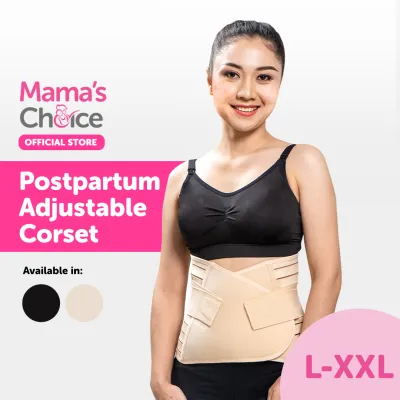
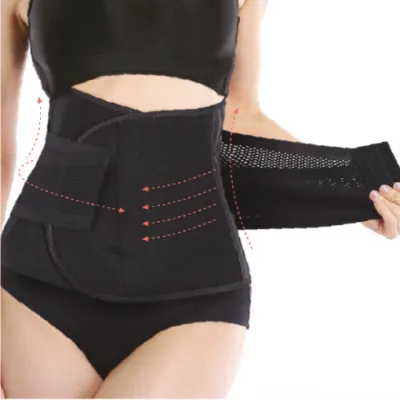
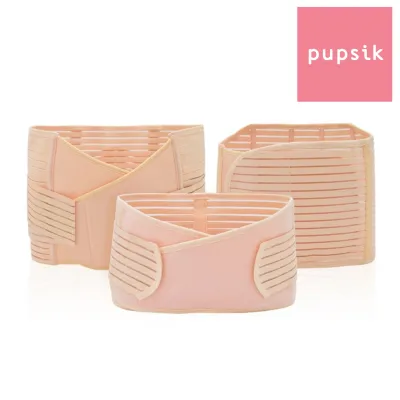
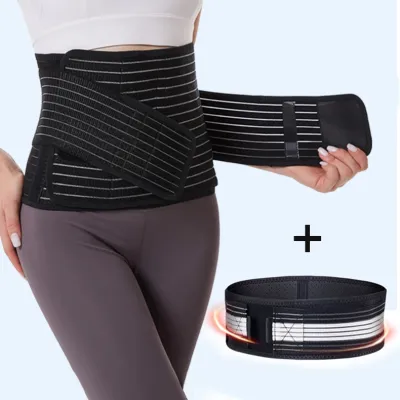
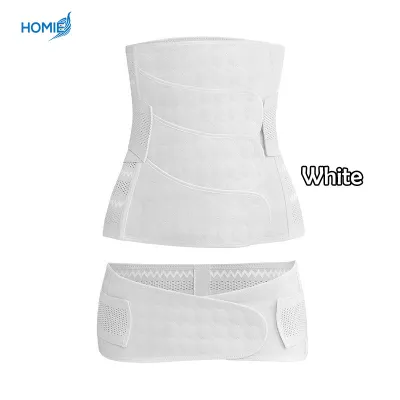
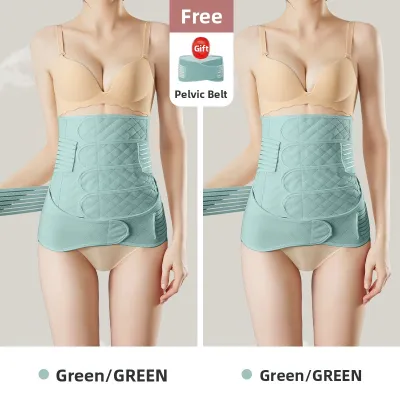
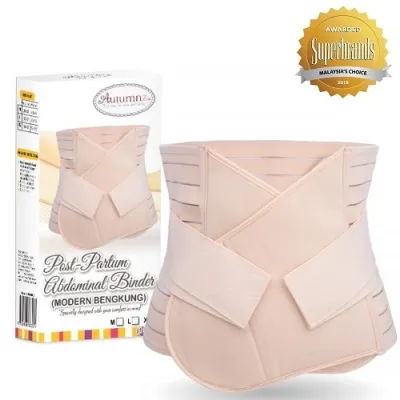
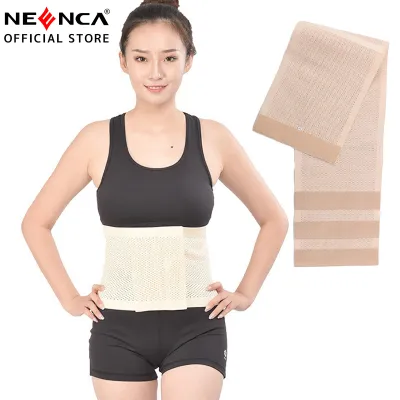
Prices are valid at publication and may change. Please refer to the product page for the latest price.
If you are experiencing lower back pain, your needs will differ from someone dealing with pelvic girdle pain (PGP) or symphysis pubis dysfunction (SPD). Back pain often requires broad lumbar support, whereas pelvic girdle pain typically demands low, snug compression around the hips to stabilize the pelvic ring. Identifying your primary source of discomfort is the first step in selecting a garment.
Additionally, your stage of pregnancy dictates how much adjustability you will need. A belt that fits comfortably during the second trimester may require significant expansion or a completely different support structure by the third trimester. Therefore, evaluating a binder requires looking closely at how well it adapts to a rapidly growing bump.
To make an informed choice, you should focus on four core decision criteria: the level of targeted support, the breathability of the materials, the ease of adjustability, and how practical the garment is for daily wear. By comparing the P Feather binder against alternative options along these lines, you can identify the design that best matches your body’s requirements.
Key Specifications to Compare: P Feather vs. Alternatives
When comparing the P Feather abdominal binder to other maternity belts on the market, looking at physical specifications is the most reliable way to assess performance. The design of a belt determines where it applies pressure and how securely it stays in place.

Closure mechanisms play a critical role in how easily you can adjust the tension throughout the day. Many maternity belts, including the P Feather, utilize hook-and-loop fasteners because they allow for quick, micro-adjustments. Other designs may feature pull-string systems or buckle closures, which can offer high tension but may feel bulkier under clothing or be more difficult to adjust on the go.
Material composition is another vital specification, particularly for direct skin contact. You should check the product labels of the P Feather binder and alternative brands for materials like cotton, elastane, polyester, or nylon. Look for fabrics that offer high elasticity without losing their shape over time, and verify if the manufacturer has obtained any skin-safe or hypoallergenic certifications, especially if you have sensitive skin.
The width and structural design of the band determine its primary support zone. A wide, single-band abdominal binder like the P Feather typically covers a large surface area, distributing pressure evenly across the abdomen and lower back. In contrast, dual-band or multi-strap systems allow you to apply separate tension to the lower pelvis and the upper lumbar region, which can be highly beneficial for targeted pelvic stabilization.
To help you organize your comparison, the table below outlines the key specifications you should verify on the product packaging or official manufacturer websites before purchasing.
| Specification | P Feather Abdominal Binder | Generic Maternity Support Belts |
|---|---|---|
| Primary Support Zone | Abdomen and lower back | Varies (Pelvic, lumbar, or full bump) |
| Closure Type | Check Label | Hook-and-loop, pull-string, or buckles |
| Material Composition | Check Label | Elastane, polyester, nylon, or cotton blends |
| Band Width | Check Label | Single-band (wide) or multi-strap (narrow/dual) |
| Adjustability Level | Check Label | Single-stage or multi-stage tension straps |
| Skin-Safe Certifications | Check Label | Check Label for OEKO-TEX or equivalent |
By using this structured approach, you can avoid relying on vague marketing claims and instead focus on the tangible design features that will directly impact your comfort and support.
Evaluating Comfort, Adjustability, and Daily Use
A maternity support belt is only effective if you can wear it comfortably during your daily routine. Real-world usability often differs from how a product looks in a package, making it essential to anticipate how a binder behaves when you move, sit, or walk.
One common issue with wide abdominal binders is their tendency to roll down at the top or ride up from the bottom when you transition from standing to sitting. When evaluating the P Feather binder or any alternative, look for structural elements like flexible boning or contoured edges designed to prevent rolling. If possible, try the belt on and practice sitting down to see if the edges dig into your thighs or ribs.
Singapore’s warm and humid climate adds an extra layer of complexity to choosing a maternity garment. Wearing a thick, non-breathable binder can quickly lead to excessive sweating, heat rashes, or skin irritation. You should prioritize lightweight fabrics with open-weave patterns or mesh panels that facilitate airflow, keeping your skin dry even during outdoor activities.
Adjustability is also crucial for accommodating your changing body shape. As your baby bump grows, the angle of support needed will shift. A high-quality belt should allow you to adjust the tension easily without requiring you to completely remove the garment, allowing you to loosen it slightly after meals or tighten it when preparing for a long walk.
Finally, the longevity of a support belt’s elasticity depends heavily on proper maintenance. Sweat and body oils can degrade elastic fibers over time, requiring regular washing. Always review the manufacturer’s care instructions; many binders require gentle hand washing in cool water and air drying, as machine washing or high heat in a dryer can permanently damage the elastic tension and hook-and-loop fasteners.
Assessing Value and Pricing Tiers in Singapore
When shopping for maternity support garments in Singapore, you will encounter a wide range of prices across local pharmacies, specialty maternity boutiques, and online marketplaces. Understanding how these products are priced can help you determine whether a premium option like the P Feather binder or a budget alternative offers the best value for your situation.
Maternity support belts generally fall into three pricing tiers. Budget options typically range from under S$20 to S$40, offering basic elastic bands with simple hook-and-loop closures. Mid-range options, which often include the P Feather binder and other popular regional brands, generally sit between S$40 and S$80, providing better material durability, contoured designs, and improved breathability. Premium medical-grade orthotic supports can range from S$80 to well over S$150, often featuring highly specialized ergonomic designs, multi-strap tension systems, and clinical-grade materials.
A higher price tag is typically justified if the garment incorporates advanced features that directly improve your comfort or recovery. For instance, medical-grade materials that maintain their elasticity after dozens of washes, or patented ergonomic designs that target specific pelvic joints, can be worth the investment if you suffer from severe pelvic girdle pain or require postpartum abdominal binding.
To ensure you are purchasing a genuine product, always buy from authorized retailers, official brand stores, or reputable local maternity shops in Singapore. Purchasing from unverified sellers on online marketplaces carries the risk of receiving counterfeit items that may look identical but use inferior, non-breathable materials or weak elastics that fail to provide adequate support.
Be particularly cautious of unusually low-priced alternatives. While they may seem like a bargain, these products often lack rigorous material safety testing, which can lead to skin allergies. Furthermore, poor-quality elastics tend to stretch out permanently after only a few uses, forcing you to purchase a replacement and ultimately spending more than you would have on a reliable mid-range or premium option.
Decision Framework: Which Belt Fits Your Pregnancy?
To help you finalize your decision, you can use a structured framework based on your specific physical symptoms, lifestyle, and comfort preferences. This ensures you select a garment that aligns with your daily needs rather than relying solely on brand popularity.
Choose the P Feather abdominal binder if:
- You prefer a wide, single-band design that provides broad coverage across your entire abdomen and lower back.
- Your primary goal is to support a heavy, sagging sensation in your lower abdomen during the second and third trimesters.
- You want a straightforward, easy-to-apply closure system that does not involve managing multiple overlapping straps.
Choose an alternative maternity support belt if:
- You suffer from severe pelvic girdle pain (PGP) or symphysis pubis dysfunction (SPD) and require a narrow, highly targeted pelvic stabilization band.
- You plan to wear the support garment under tight-fitting clothing and need a seamless, ultra-thin profile that remains virtually invisible.
- You require a multi-strap system that allows you to adjust the upper and lower tension independently to target different areas of back pain.
Verify first with your obstetrician or a qualified physiotherapist if:
- You have a high-risk pregnancy, are carrying multiples, or have been diagnosed with conditions like placenta previa.
- You have pre-existing skin conditions, severe eczema, or known allergies to synthetic elastic materials.
- You are unsure whether your pain is muscular, joint-related, or requires specialized physical therapy alongside a support garment.
Before making your final purchase, it is highly recommended to review the retailer’s return and exchange policy. Because sizing can vary significantly between brands, and your body shape will continue to change, having the option to exchange an unused garment for a different size ensures you get a safe, supportive, and comfortable fit.
Frequently Asked Questions (FAQ)
Can You Wear a Maternity Support Belt While Sleeping or Driving?
You should always consult the specific manufacturer’s guidelines for the P Feather binder or any alternative belt regarding recommended wear times. Generally, maternity support belts are designed for use during active upright movement, such as walking, standing, or performing household chores, rather than during prolonged periods of rest.
Wearing a tight abdominal binder while sleeping or driving can restrict blood circulation, compress major blood vessels, and cause discomfort as your body shifts into static positions. For long car rides, it is usually safer to adjust the belt to a looser setting or remove it entirely, ensuring your seatbelt is positioned correctly below your baby bump.
To prevent muscle dependency and ensure optimal blood flow, most healthcare professionals recommend limiting wear time to a few hours at a time. For personalized advice tailored to your physical condition and daily routine, consult your obstetrician or a women’s health physiotherapist.

Community discussion
Share your experience or ask a question. Comments are reviewed before publication.