
Choosing the right weaning spoon is a pivotal step in your baby’s transition to solid foods, and comparing OXO Tot spoons with other options on the market reveals that the ideal choice depends entirely on your baby’s developmental stage and your preferred feeding method. While some families prefer the structured, ergonomic grip of an OXO Tot spoon for caregiver-led feeding, others may find that highly flexible, textured silicone training spoons or durable stainless steel utensils better suit their baby-led weaning journey. By evaluating how different spoon designs match your baby’s motor skills, you can select a tool that minimizes frustration and supports a positive relationship with food.
What to Look for in a Weaning Spoon
When embarking on the weaning journey, it is easy to feel overwhelmed by the sheer variety of infant utensils available in stores and online marketplaces. However, finding the right tool becomes much simpler when you realize that no single spoon is universally perfect for every baby or every meal. The ideal utensil changes as your child transitions from swallowing smooth purees to scooping up chunky textures, meaning you will likely use several different styles over the course of their first year of eating.
The first major factor to consider is the feeding method you plan to use, which typically falls into caregiver-led feeding, baby-led weaning, or a combination of both. Caregiver-led feeding benefits from longer, sturdier handles that allow an adult to comfortably guide the spoon into a baby’s mouth without blocking the view of their face. Conversely, baby-led weaning requires short, chunky handles that a baby can easily grasp with a palmar grasp, allowing them to practice bringing the utensil to their mouth independently.
Products mentioned in this guide
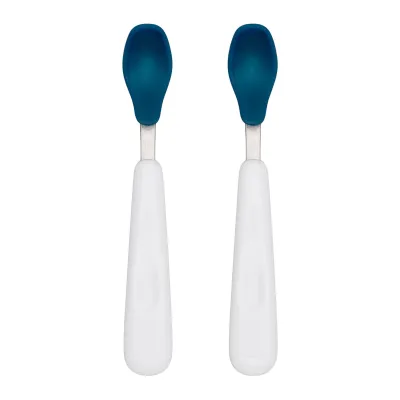
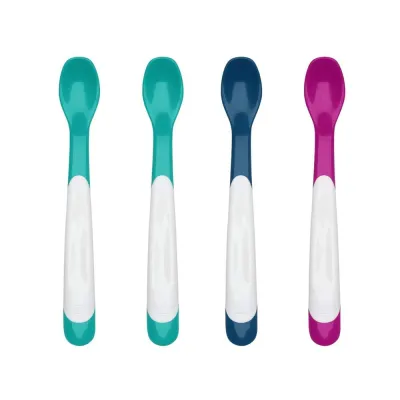
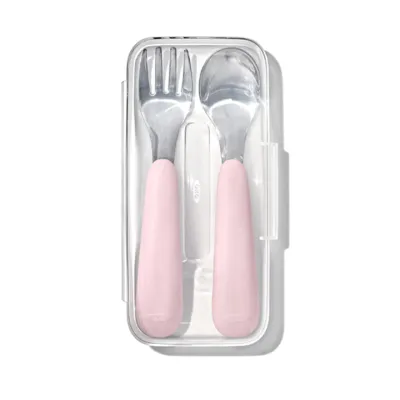
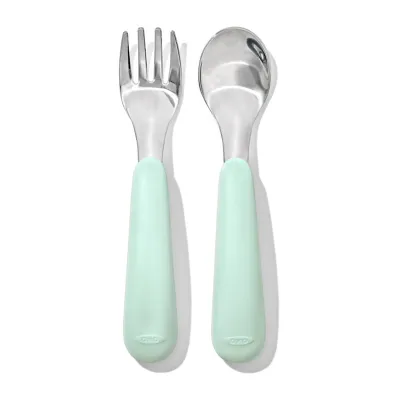
![[2 Pack] OXO TOT Fork & Spoon Set](https://img.lazcdn.com/g/p/f5d193fe969ad0eb89361c06831ea37c.png_400x400q80.png_.webp)
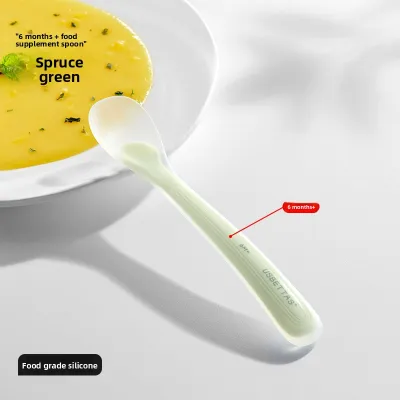
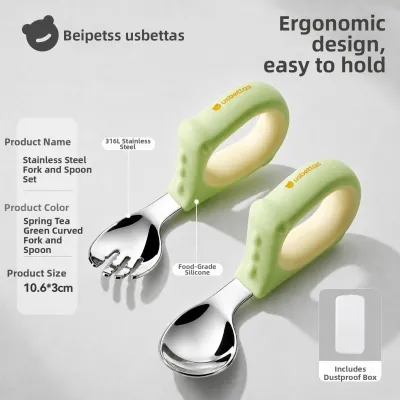
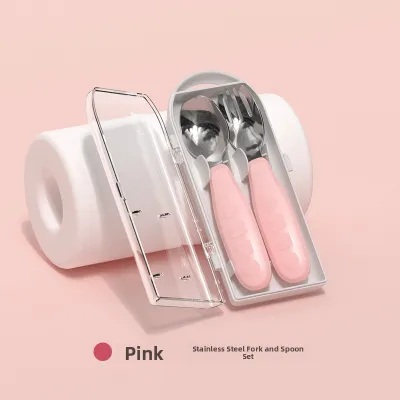
Prices are valid at publication and may change. Please refer to the product page for the latest price.
Material safety and physical properties form the next critical dimension of your decision. Food-grade silicone is highly favored for early weaning because it is soft on sensitive, teething gums and flexible enough to bend during clumsy self-feeding attempts. Stainless steel, on the other hand, offers unmatched durability and a realistic weight that helps older babies transition to adult-style cutlery, though it requires more careful supervision to prevent accidental bumps to the mouth.
Bowl depth and shape also play a massive role in how easily your baby can clear food from the spoon. A shallow, flat bowl is ideal for beginners because they only need to use their upper lip to sweep off the puree, whereas a deep bowl can trap food and cause frustration. Additionally, the handle’s ergonomics should prevent the spoon from rolling off highchair trays or slipping into deep food jars, keeping mealtime as tidy as possible.
Finally, safety must remain your top priority throughout the selection process. Always check the manufacturer’s packaging for specific age recommendations, as utensils designed for toddlers can pose choking or gagging hazards if introduced to younger infants too early. Before every single meal, take a moment to inspect the spoon for signs of wear, such as tears in the silicone or loose components, and discard any damaged utensils immediately.
Evaluating OXO Tot Spoons for Weaning
OXO Tot spoons are widely recognized for their thoughtful engineering, which aims to bridge the gap between caregiver assistance and early infant independence. One of their most prominent design features is the handle, which typically combines a sturdy core with a soft, non-slip outer grip. This contoured shape is designed to fit comfortably in an adult’s hand during long feeding sessions, while also providing enough traction for a baby’s slippery, food-covered fingers to hold onto during early self-feeding practice.

The bowl of these spoons is another area where design details make a practical difference. Many models feature a shallow silicone bowl that is gentle on delicate gums, allowing babies to easily clear purees with their lips without needing to tilt their heads back excessively. Some designs also incorporate a flat edge that helps scrape the last bits of food from bowls or jars, alongside built-in rests on the underside of the handle that keep the dirty spoon tip elevated off the table or highchair tray.
However, as with any baby product, there are specific limitations and care instructions that parents must verify on the product packaging. While many silicone and plastic utensils are labeled as dishwasher safe, you should always check the manufacturer’s instructions regarding temperature limits and rack placement to prevent warping or material degradation. Additionally, certain highly pigmented foods, such as carrots, sweet potatoes, or tomato-based purees, can stain light-colored silicone over time, which is an aesthetic factor to keep in mind.
It is also important to verify the specific materials used in the model you choose, as some variations feature a combination of silicone and stainless steel. While the stainless steel core provides excellent structural rigidity, it changes the weight and flexibility of the spoon compared to all-silicone alternatives. Checking the age grading on the box ensures that the weight and size of the specific model align with your baby’s current physical capabilities.
How OXO Tot Compares to Other Spoon Categories
To make an informed decision, it helps to contrast the structured design of OXO Tot spoons with other common categories of weaning utensils. All-silicone training spoons, for example, are often much more flexible and bendable than OXO Tot models. These highly flexible spoons are excellent for babies who are actively teething, as they double as safe chew toys and provide soothing sensory feedback to sore gums, though they may lack the structural support needed to scoop heavier, thicker foods.
When compared to traditional stainless steel baby spoons, the differences in durability and sensory experience become clear. Stainless steel is incredibly long-lasting and will not stain or absorb food odors, making it a highly hygienic choice for long-term use. However, metal conducts temperature rapidly, meaning a stainless steel spoon can feel uncomfortably cold or warm to a sensitive baby, whereas silicone maintains a neutral, comfortable temperature and offers a much softer impact if a baby accidentally hits their teeth.
Another category includes specialized spoons featuring sensory bumps, textured ridges, or angled handles. Spoons with textured bowls are designed to hold purees in place through surface tension, making it easier for self-feeding babies to get food to their mouths without it sliding off. Angled handles are engineered to compensate for a baby’s limited wrist rotation, guiding the spoon bowl directly toward the mouth; while highly helpful for independent toddlers, these specialized shapes differ significantly from the straight, versatile ergonomic grips found on standard OXO Tot models.
Ultimately, these comparisons highlight that each spoon category serves a distinct developmental purpose. A rigid, contoured spoon excels at helping caregivers feed smooth purees efficiently, while flexible, textured, or angled alternatives focus heavily on facilitating the awkward, early stages of self-feeding. Understanding these structural differences allows you to match the utensil’s physical properties to your baby’s immediate learning goals.
Decision Framework: Choosing the Right Spoon for Your Baby
To finalize your choice, it is helpful to use a conditional framework that aligns the utensil’s features with your daily feeding routine and your baby’s developmental milestones.
You may want to choose OXO Tot spoons if you prioritize a comfortable, non-slip grip that allows you to easily feed your baby purees, combined with a gentle, shallow silicone bowl that helps your little one learn to clear food with their lips. This style is highly suitable for families starting with caregiver-led weaning who want a durable, structured spoon that can transition into early self-feeding practice as the baby’s grip strengthens.
On the other hand, you should consider alternative all-silicone training spoons if your baby is actively teething, prefers to feed themselves from day one, and needs a highly flexible, bite-resistant tool. These softer, more pliable spoons are ideal for baby-led weaning because they minimize the risk of oral discomfort when a baby enthusiastically jams the utensil into their mouth.
If your baby has already mastered basic self-feeding, is transitioning to older toddler meals, and requires a sturdier utensil to scoop up denser foods, stainless steel or angled spoons may be the most appropriate next step. These materials offer the durability and realistic feel needed to prepare your child for standard family tableware.
Before making any purchase, always verify the specific product details on the packaging. Check the manufacturer’s guidelines regarding dishwasher safety, heat resistance, and age recommendations to ensure the utensil matches your household cleaning habits and your baby’s current developmental stage.
Frequently Asked Questions (FAQ)
When should I introduce a spoon during weaning?
You can introduce a spoon as soon as your baby shows signs of developmental readiness for solid foods, which typically includes the ability to sit upright with minimal support, good head control, and an interest in watching you eat. Rather than relying solely on age milestones, look for observable motor skills, such as your baby reaching for your utensils or attempting to grasp objects and bring them to their mouth. If you are unsure whether your baby is ready to begin their weaning journey, it is always best to consult your pediatrician or a qualified pediatric feeding specialist for personalized guidance.
How do I clean and maintain silicone baby spoons?
To keep silicone baby spoons hygienic and in good condition, always start by reviewing the manufacturer’s specific cleaning instructions on the packaging. While many silicone utensils are dishwasher safe, placing them on the top rack can protect them from the intense heat of the bottom heating element. To minimize staining from bright foods like carrots or squash, rinse the spoons immediately after use and avoid letting them soak for extended periods in heavily pigmented sauces. Regularly inspect the silicone surfaces under good lighting, and discard the spoon immediately if you notice any tears, stickiness, or material degradation.

Community discussion
Share your experience or ask a question. Comments are reviewed before publication.