
Organic broccoli is highly recommended as an early baby food because it packs an exceptional concentration of essential vitamins, minerals, and dietary fiber into small, manageable portions. Introducing this vibrant green vegetable early helps shape a baby’s palate toward savory, nutrient-dense foods while supporting rapid physical development. Sourcing organic broccoli further protects your infant’s developing system by minimizing exposure to synthetic chemical residues during a critical window of growth. By understanding how to select, prepare, and safely serve this vegetable, parents can confidently introduce a lifelong healthy eating habit.
Nutritional Benefits of Broccoli for Your Baby's Growth
Broccoli serves as a nutritional powerhouse for growing infants, offering a wide array of vitamins that support daily developmental milestones. It is particularly rich in Vitamin C, an essential nutrient that aids in iron absorption from other foods and supports a developing immune system. Because infants experience rapid growth, ensuring they receive adequate Vitamin C helps maintain their natural defenses and supports cellular repair.
Additionally, the presence of Vitamin K plays a vital role in healthy bone development and blood clotting mechanisms as your baby grows. This fat-soluble vitamin works in tandem with other minerals to build a strong skeletal foundation during the crucial first year of life. Broccoli also contains notable amounts of folate, which supports DNA synthesis and rapid cell division.
Products mentioned in this guide
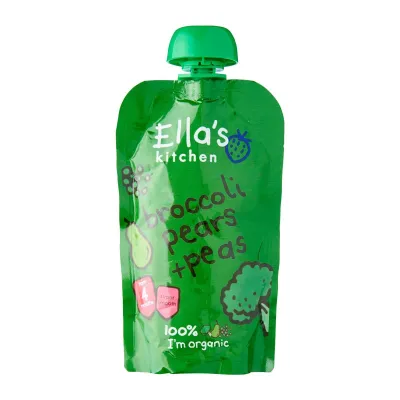
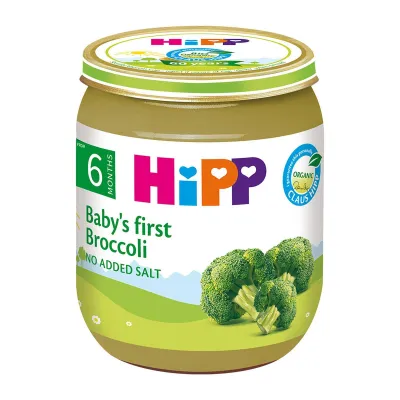
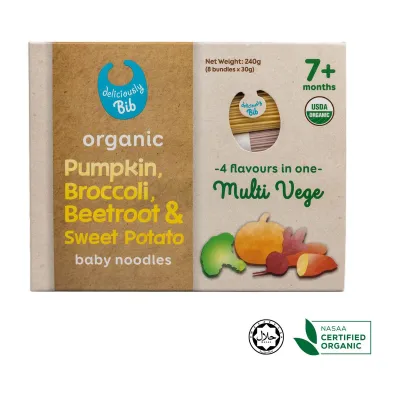
Prices are valid at publication and may change. Please refer to the product page for the latest price.
The dietary fiber found in broccoli is another crucial component for infants transitioning to solid foods. This fiber helps regulate bowel movements, supporting a healthy gut microbiome and preventing early digestive issues like constipation. Because babies have small stomachs, choosing nutrient-dense foods like broccoli ensures they receive maximum nutritional value from just a few spoonfuls, making every bite count toward their daily requirements.
Why Organic Broccoli Is a Safer Choice for Infants
An infant’s developing organs and rapid metabolic rate make them uniquely sensitive to environmental toxins, including synthetic pesticide residues. Choosing organic broccoli helps minimize their exposure to these chemical inputs during critical developmental windows. Because babies consume more food relative to their body weight than adults, any chemical residues present in their diet can have a more pronounced impact on their systems.

Conventional farming often utilizes synthetic fertilizers and chemical pesticides, which can leave trace residues on the outer crevices of tightly packed broccoli florets. The complex, bumpy structure of broccoli makes it particularly adept at trapping surface sprays, which can be difficult to wash away completely. Organic farming practices, by contrast, prioritize natural soil management, biological pest control, and strict limitations on synthetic chemical applications.
For parents in Singapore, verifying the organic status of fresh produce involves checking for recognized international certification labels on the packaging. Look for trusted seals such as the USDA Organic logo, the European Union organic leaf, or certified organic stamps from Australia and New Zealand, which ensure the produce meets rigorous ecological standards from farm to shelf. Checking these labels provides peace of mind that the vegetables have been grown without synthetic chemical interventions.
When and How to Safely Introduce Broccoli
Most infants are ready to explore solid foods around six months of age, provided they show key signs of developmental readiness. Your baby should be able to sit upright with minimal support, maintain excellent head control, and show active interest in the food you are eating. It is important to wait for these milestones rather than relying solely on age to ensure their digestive and motor systems are prepared.
When introducing broccoli, start with a completely smooth, thin puree mixed with breast milk, formula, or water to make the transition familiar. This smooth texture allows your baby to practice swallowing without the challenge of managing solid pieces. As your baby develops better chewing and swallowing coordination, you can gradually transition to a thicker mash, and eventually to soft, easily mashable florets for baby-led weaning.
Always ensure the florets are cooked until they can be effortlessly squashed between your thumb and forefinger. While broccoli is not a common allergen, any new food should be introduced in isolation over a three-day period to monitor for adverse reactions. This gap allows you to pinpoint the source of any potential sensitivity.
Watch closely for signs of digestive discomfort, such as excessive gas, bloating, or skin rashes. If you notice persistent discomfort or unusual symptoms, pause the introduction and consult your pediatrician or a qualified healthcare professional.
Preparing and Serving Broccoli to Prevent Choking
Thorough preparation is essential to ensure broccoli is both safe and clean for your baby. Even certified organic broccoli can harbor natural soil residues, tiny insects, or dust within its dense florets, making a meticulous wash necessary. Submerge the broccoli in cool water, swish it gently, and rinse it thoroughly under running water before cutting it into pieces.
Steaming is the preferred cooking method for baby food because it softens the tough, fibrous stalks while preserving water-soluble nutrients like Vitamin C, which can easily leach into boiling water. Avoid serving raw or undercooked broccoli, as hard pieces present a severe choking hazard for infants who lack mature grinding teeth.
For babies starting self-feeding, cut the steamed broccoli into large, graspable florets with long stems that act as natural handles. The floret head must be incredibly soft, easily melting under gentle pressure. Always supervise your baby closely during meals, ensuring they sit upright, and never leave them unattended while eating.
Frequently Asked Questions (FAQ)
Can I freeze cooked organic broccoli puree for later use?
Yes, freezing is an excellent way to preserve batch-prepared organic broccoli puree. Freshly prepared puree can be stored in an airtight, BPA-free container in the refrigerator for up to 48 hours, or in the freezer for up to three months for optimal quality. When ready to serve, thaw the portion in the refrigerator overnight or use a warm water bath, and reheat it thoroughly until steaming hot to eliminate any potential bacterial growth. Allow the food to cool completely to a safe, lukewarm temperature, and always discard any leftovers from the serving bowl that have come into contact with your baby’s saliva.
Does broccoli cause gas or constipation in babies?
Broccoli is a cruciferous vegetable containing complex carbohydrates and high fiber, which can occasionally cause temporary gas or mild bloating as a baby’s digestive system adapts. To minimize this, introduce broccoli in very small portions alongside easier-to-digest foods, allowing the gut flora time to adjust. If your baby experiences severe abdominal discomfort, prolonged crying, or persistent changes in bowel habits, temporarily remove broccoli from their diet and consult a pediatrician for personalized guidance.

Community discussion
Share your experience or ask a question. Comments are reviewed before publication.