
Quick Answer: Is Offspring the Right Premium Diaper for Your Baby?
Selecting the ideal premium diaper for your baby in Singapore involves balancing performance, skin health, and your family’s lifestyle. There is no single diaper brand that serves as a universal solution. Instead, the right choice depends on your baby’s unique skin sensitivity, their physical body shape, and your personal purchasing habits.
Offspring has established a distinct reputation in the premium diaper market by focusing on a plant-based, total chlorine-free (TCF), and fragrance-free design philosophy. This approach directly contrasts with established legacy premium brands available in Singapore, such as Pampers Ichiban, Merries, and Moony, which rely on highly engineered synthetic materials, advanced channel structures, and sometimes skin-conditioning lotions or mild scents to manage wetness and odor.
For parents prioritizing eco-conscious manufacturing, minimal chemical exposure, and a solution for babies with mild sensitivities to synthetic additives or fragrances, Offspring represents an excellent choice. Its clean ingredient profile reduces the risk of contact irritation. Conversely, legacy premium brands are often better suited for parents who prioritize maximum overnight absorbency for heavy wetters, require the convenience of purchasing diapers during routine supermarket trips, or have babies whose body shapes align better with the specific elastic structures of traditional Japanese or American designs. Ultimately, finding the best value means matching the diaper’s core design philosophy to your baby’s daily physical needs and your household budget.
Products mentioned in this guide
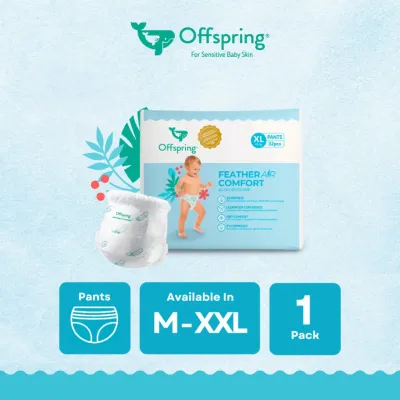
![OFFSPRING FeatherAir Comfort Baby Diapers Pants M176/L152/XL128/XXL112 [4 Packs]](https://img.lazcdn.com/g/p/7c5c3ba1c48b8a8172c91a3478e8edba.png_400x400q80.png_.webp)
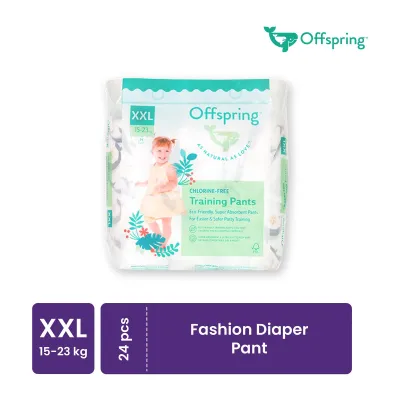
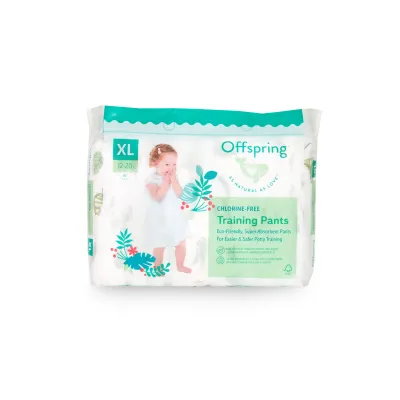
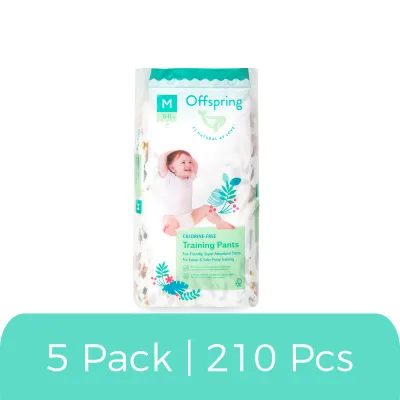
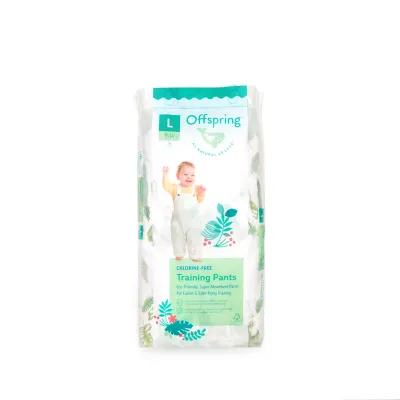
Prices are valid at publication and may change. Please refer to the product page for the latest price.
Key Performance Metrics: Absorbency, Breathability, and Softness
When comparing premium diapers, parents usually evaluate three primary performance metrics: absorbency, breathability, and softness. While marketing materials frequently use impressive terminology to describe these features, understanding the physical construction of the diaper is essential for making an informed decision. By examining how these diapers are built, you can better predict how they will perform during daily wear and long overnight stretches.

Absorbency and Overnight Performance
The core of any diaper relies on a combination of fluff pulp and Super Absorbent Polymer (SAP) to draw moisture away from the skin. Traditional premium brands like Merries or Pampers Ichiban typically utilize highly engineered, multi-channel synthetic cores. These channels distribute liquid evenly across the diaper, preventing sagging and maximizing the total volume of liquid the diaper can hold, making them highly effective for overnight use.
In contrast, plant-based brands like Offspring often employ a thinner, more compact core design. While Offspring diapers feature an advanced dual-layer SAP sheet that provides excellent daytime protection and moderate overnight dryness, they prioritize a flat, non-bulky profile that moves naturally with the baby. This construction is highly efficient but may reach its absorption limit sooner than the thick, highly channeled cores of legacy overnight specialists.
To evaluate overnight performance in your own home, avoid relying solely on packaging claims. A practical way to test a diaper’s efficiency is the tissue-press check: after your baby has worn the diaper for several hours, press a dry, clean tissue firmly against the inner top-sheet for three seconds. If the tissue remains dry, the diaper’s core is successfully locking away moisture; if dampness transfers, the surface dryness is compromised, indicating that a more absorbent option or a faster changing schedule is required.
Breathability in a Tropical Climate
Singapore’s year-round high humidity and warm temperatures create a challenging environment for diapering. When moisture and body heat are trapped inside a diaper, the risk of heat rash and diaper dermatitis increases significantly. Premium diapers address this issue by using micro-porous backsheets—the outer cover of the diaper—which feature microscopic holes large enough to let hot air and moisture vapor escape, but small enough to keep liquid water safely inside.
While almost all premium brands claim high breathability, the actual performance is heavily influenced by the thickness of the core and the density of the outer materials. Traditional Japanese premium brands like Moony and Merries are highly regarded for their airy, breathable outer covers that feel cool to the touch. Offspring also utilizes a highly breathable, cloth-like backsheet made from biodegradable materials, which facilitates excellent air circulation.
You can physically monitor breathability during daily use. When changing your baby, feel the outside of the diaper. A highly breathable diaper will often feel slightly warm or damp on the exterior surface, which is a positive sign indicating that heat and humidity are actively escaping the diaper rather than remaining trapped against your baby’s skin. If the outside of the diaper feels completely cool and dry while the inside is heavily wet and hot, the backsheet may not be providing sufficient airflow for a tropical climate.
Softness and Surface Texture
The texture of the diaper’s inner top-sheet is the only material in direct, continuous contact with your baby’s delicate skin. Consequently, the tactile feel of this layer plays a significant role in preventing friction-induced redness. Offspring diapers feature a smooth, plant-based top-sheet that is completely free of synthetic lotions, fragrances, and dyes. This flat, uniform surface is designed to minimize friction against the skin, making it highly comfortable for babies who are sensitive to textured materials.
In comparison, legacy premium brands like Merries or Pampers Ichiban often use 3D embossed or wavy top-sheets. These textured surfaces create tiny air pockets between the diaper and the skin, which serves two main purposes: it reduces the total surface area of the diaper touching the baby’s skin, and it helps trap runny newborn stool, preventing it from spreading and causing irritation.
Softness is ultimately subjective. A fluffy, embossed top-sheet may feel soft, but textured ridges can sometimes cause mild friction marks. Conversely, a smooth, flat top-sheet like Offspring’s provides a consistent barrier that prevents stool from sticking, though it may not isolate liquid stool as quickly as a 3D textured design. Observing your baby’s skin after wear will help you determine which texture is most compatible.
Materials and Skin Sensitivity: Plant-Based vs. Traditional Premium
For many parents in Singapore, the decision to choose a premium diaper brand is driven by a desire to protect their baby’s sensitive skin from rashes and chemical exposure. Understanding the differences in material composition between plant-based options and traditional premium brands is crucial for navigating marketing claims and selecting a safe product.
Offspring positions itself at the forefront of the eco-friendly, sensitive-skin segment by utilizing a plant-based core made from FSC-certified wood pulp. One of the most significant distinctions of Offspring diapers is their use of Total Chlorine-Free (TCF) bleaching. Traditional diaper manufacturing often uses chlorine gas or chlorine dioxide to bleach the wood pulp, a process that can leave trace amounts of chlorinated compounds. While modern Elemental Chlorine-Free (ECF) bleaching used by many legacy premium brands is considered safe and meets international regulatory standards, TCF bleaching completely eliminates the use of chlorine and its derivatives, providing an extra layer of reassurance for highly sensitive babies. Additionally, Offspring completely excludes added fragrances, skin lotions, parabens, latex, and heavy metals from their manufacturing process.
Traditional premium diapers, while dermatologically tested and highly safe, rely more heavily on synthetic polyester and polypropylene fibers. To enhance comfort, these brands frequently incorporate mild, skin-safe lotions (such as petrolatum or mineral oil) and very light fragrances directly into the top-sheet. While these additives are designed to soothe the skin and mask odors, they can occasionally trigger allergic contact dermatitis in babies with highly reactive skin or compromised skin barriers.
To verify these material claims, parents should develop the habit of reading the ingredient and material specifications listed on the diaper packaging or the manufacturer’s official website. Look for recognized independent certifications, such as the Forest Stewardship Council (FSC) certification for sustainable wood pulp, or dermatological test ratings from reputable European institutes. These certifications provide objective verification of a brand’s safety and environmental claims.
Safety Warning: It is vital to understand that labels such as “plant-based,” “natural,” “organic,” or “hypoallergenic” do not guarantee that a diaper will never cause an allergic reaction. Every baby’s skin chemistry is unique, and contact dermatitis can still develop from natural fibers or binding polymers. Parents must carefully monitor their baby’s skin for signs of irritation, such as localized redness or dry patches along the waistband and leg cuffs. If a persistent rash or severe skin irritation occurs, stop using the diaper immediately, revert to a basic, unfragranced changing routine, and consult a qualified pediatrician for a professional evaluation.
Fit, Sizing, and Leak Protection
Even the most absorbent diaper in the world will leak if it does not fit your baby’s body shape correctly. One of the most common frustrations for parents is discovering that diaper sizing is not standardized across different brands. A size Medium diaper from Offspring may have a completely different cut, waistband height, and leg elastic tension than a size Medium from Pampers Ichiban or Moony.
Diaper sizing is generally categorized by weight ranges, but these ranges are broad and do not account for variations in infant body proportions. For example, some babies have rounder thighs and a narrower waist, while others are long-bodied and lean. Offspring diapers are known for having a slightly wider, more generous cut with a high waistband and highly elastic side panels. This shape is often highly effective for babies with chubby thighs or those who are prone to “blowouts” up the back. On the other hand, traditional Japanese premium brands like Moony often feature a more contoured, snug fit around the legs, which can be highly effective at preventing side leaks on leaner, more active babies.
Reliable leak protection requires looking beyond the size label to structural features like 3D leak guards and stretchable waistbands. Offspring diapers feature wide, double-layered elastic leg cuffs for robust containment. Notably, Offspring often omits wetness indicators on its printed diaper lines to minimize chemical dyes. While some parents find this inconvenient, others appreciate the reduction in synthetic components.
To verify if a diaper fits your baby correctly, perform this quick three-step fit-check during your next diaper change:
- The Two-Finger Rule: You should easily slide two fingers between the fastened waistband and your baby's tummy. Any tighter means the diaper is too small; any looser may lead to leaks.
- The Ruffle Check: Always run your finger along the inner leg cuffs after fastening to ensure the elastic ruffles are flared outward. Tucked-in ruffles are a primary cause of immediate leg leaks.
- The Red Mark Inspection: Check your baby's skin around the thighs and waist upon removal. Deep, persistent red indentations indicate the elastic is too tight, signaling it is time to size up or switch cuts.
If you experience frequent leaks, it is rarely due to a manufacturing defect or a lack of absorbency. In most cases, leaks indicate a sizing mismatch or that your baby’s body shape has outgrown the current brand’s specific cut. Sizing up or transitioning to a brand with a different structural shape is often the fastest way to resolve persistent leak issues.
Price per Diaper and Overall Value in Singapore
When evaluating the cost of premium diapering in Singapore, focusing solely on the price of a single pack can be highly misleading. Diaper packs vary significantly in the total number of pieces they contain, especially as you move up in sizes. To determine the true financial impact on your household budget, you must calculate the cost per diaper by dividing the total pack price by the number of diapers inside.
In Singapore, legacy premium brands like Merries, Pampers Ichiban, and Moony enjoy massive distribution networks, appearing in local supermarkets, hypermarkets, and pharmacies. Because of this widespread presence, they frequently participate in supermarket promotions, baby fairs, and credit card rebate programs, allowing diligent parents to purchase them at highly competitive prices in bulk.
Offspring operates on a boutique, eco-friendly model. While less common in physical supermarkets, it is highly accessible through its official direct-to-consumer online store and major e-commerce platforms. Although its single-pack retail price is typically higher, Offspring offers substantial value through bulk bundle deals, subscription programs, and online-exclusive discounts, making its per-diaper cost highly competitive for parents willing to buy in bulk.
When calculating overall value, you must also factor in the hidden costs of diapering. Buying a massive jumbo pack of a cheaper diaper that ultimately causes a severe skin rash or frequent leaks results in wasted money and unused diapers. Conversely, investing in a slightly higher-priced diaper that fits perfectly and keeps your baby’s skin healthy saves money on barrier creams, pediatrician visits, and ruined clothing. The true value lies in finding the diaper that minimizes waste and skin irritation for your specific baby, rather than simply choosing the lowest unit cost.
Final Verdict: How to Choose the Best Premium Diaper
To finalize your decision and choose the best premium diaper for your baby, consider this practical, conditional framework based on your family’s priorities and your baby’s physical needs:
- Choose Offspring if: You prioritize a plant-based, eco-friendly manufacturing process; you want a diaper that is completely free of chlorine bleaching, synthetic fragrances, and added lotions; your baby has mild skin sensitivities to traditional diaper materials; and you prefer the convenience of ordering in bulk via official online channels with direct doorstep delivery.
- Choose Legacy Premium Brands if: Your baby is a very heavy wetter who requires maximum overnight absorbency with engineered distribution channels; you prefer the flexibility of buying diapers during your regular supermarket or pharmacy visits; your baby has a long, lean body shape that benefits from a highly contoured, snug leg fit; or you want to take advantage of frequent physical retail promotions and loyalty points.
- Verify first if: Your baby has been diagnosed with severe eczema, open skin wounds, or specific contact allergies. In these situations, do not rely on product marketing labels like "natural" or "hypoallergenic." Always consult a qualified pediatrician or dermatologist to obtain professional medical advice on suitable materials, barrier creams, and skin care routines before switching diaper brands.
Frequently Asked Questions (FAQ)
Are plant-based diapers actually more absorbent than traditional ones?
Plant-based diapers are highly efficient and use high-quality wood pulp and Super Absorbent Polymers (SAP) to provide excellent absorbency. However, they are not inherently more absorbent than traditional premium diapers. Traditional brands often use highly engineered, multi-channel synthetic cores specifically designed to distribute and lock away massive volumes of liquid, making them slightly more effective for heavy overnight wetters. Plant-based diapers like Offspring prioritize a thinner, more natural profile that is ideal for daytime comfort and moderate overnight use.
How do I know if my baby is reacting to a specific diaper brand?
A reaction to a diaper material, known as contact dermatitis, typically presents as localized redness, small red bumps, or dry, peeling skin precisely where the diaper makes contact with the body, such as along the waistband, side panels, or leg cuffs. This is distinct from standard diaper rash, which usually appears in the warm, moist creases of the groin due to prolonged exposure to wetness. If you suspect a reaction, stop using the diaper immediately, switch to a plain, fragrance-free alternative, and consult a healthcare professional if the skin is broken, weeping, or fails to improve.

Community discussion
Share your experience or ask a question. Comments are reviewed before publication.