
Quick Answer: Is Nuviebaby the Right Bottle for Your Baby?
Choosing between Nuviebaby and other popular baby bottle brands in Singapore depends heavily on your specific parenting priorities, budget, preferred materials, and your baby’s individual feeding habits. No single bottle is universally perfect for every infant, as babies often show strong individual preferences for specific nipple shapes and flow rates. Evaluating these options requires looking closely at how each brand matches your daily routine and your baby’s developmental stage.
Nuviebaby may be a strong candidate if you are looking for specific high-performance material options, such as durable polyphenylsulfone (PPSU) or soft silicone, combined with a competitive pricing structure. These materials offer excellent heat resistance and durability, making them highly suitable for frequent sterilization. If you appreciate modern designs and want to balance premium material quality with reasonable upfront costs, this brand is worth considering.
Conversely, established mainstream brands might be preferred if you require immediate, widespread access to replacement parts or highly specialized anti-colic systems. Mainstream brands are often stocked in almost every local supermarket, department store, and pharmacy across Singapore, making it incredibly easy to purchase a replacement nipple or bottle collar in an emergency. Furthermore, some parents prefer legacy brands that carry specific clinical recommendations from pediatricians or lactation consultants.
Products mentioned in this guide
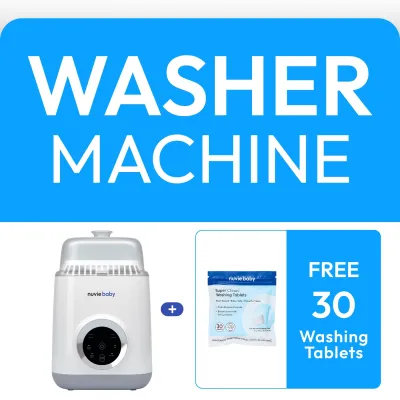
Prices are valid at publication and may change. Please refer to the product page for the latest price.
As you read further, this guide will break down the exact dimensions you need to verify before making a purchase. We will evaluate material safety, compare long-term ownership costs, examine anti-colic venting designs, and provide a structured decision framework to help you select the most suitable bottle for your family.
Core Comparison Dimensions: Nuviebaby vs. Mainstream Brands
When comparing baby bottles, looking beyond aesthetic appeal is essential for finding a safe, functional, and durable product. The primary factors that differentiate baby bottles include material durability, nipple flow and shape, anti-colic venting mechanisms, and ease of daily cleaning. Each of these dimensions directly impacts how well your baby feeds and how much time you spend on maintenance.

Nipple flow and shape are critical because they directly affect your baby’s latch and feeding comfort. Nipples are typically designed to mimic either the natural shape of a mother’s breast or a more traditional, narrow orthodontic shape. The flow rate must be carefully matched to your baby’s age and developmental stage; for instance, newborns require an ultra-slow or slow-flow nipple to prevent choking, while older infants need faster flows to prevent frustration during feeds.
Anti-colic venting mechanisms are designed to prevent your baby from swallowing air during feeds, which can lead to painful gas, spit-up, and colic. Brands approach this challenge in various ways, ranging from simple valves integrated directly into the silicone nipple to complex, multi-part internal venting tubes. While complex internal systems can be highly effective at reducing vacuum build-up, they also require more meticulous cleaning and assembly, representing a clear trade-off for busy caregivers.
Ease of daily cleaning is a practical consideration that significantly affects your daily routine. Wide-neck bottles are generally much easier to clean because they allow direct access for a standard sponge or bottle brush, and they make scooping powdered formula much cleaner. Standard or narrow-neck bottles, while often easier for small hands to hold, require specialized, slim brushes and extra care to ensure no milk residue remains in the crevices.
Finally, local availability is a crucial factor for parents living in Singapore. While online shopping makes it easy to purchase initial starter sets, the long-term usability of a bottle system depends on how quickly you can source replacement nipples of varying flow rates. Before committing to a specific brand, check whether replacement parts are readily available at local baby specialty stores, pharmacies, or official online flagship stores with rapid local delivery options.
Evaluating Material Quality and Safety Standards
Baby bottles are manufactured from several distinct materials, each offering unique advantages and trade-offs. The most common materials found in the Singapore market are PPSU, glass, silicone, and standard polypropylene (PP). Understanding these materials is key to evaluating safety and durability.
PPSU (Polyphenylsulfone) is a high-grade, medical-safe plastic known for its distinct honey-colored tint. It is exceptionally durable, highly scratch-resistant, and can withstand extreme temperatures up to 180°C or more. This makes PPSU bottles highly resistant to repeated sterilization without degrading, combining the lightweight, shatterproof benefits of plastic with the longevity of glass.
Glass is a traditional material valued for its complete chemical inertness and resistance to scratching, staining, and odor retention. Glass bottles are incredibly easy to clean and can last indefinitely if handled carefully. However, they are heavy, can be difficult for older infants to hold independently, and pose a clear safety risk of breaking or chipping if dropped on hard kitchen tiles.
Silicone bottles are made from soft, flexible, food-grade or medical-grade silicone, giving them a squeezable texture that mimics the feel of skin. They are lightweight, drop-proof, and highly heat-resistant. The primary trade-off is that silicone can absorb odors or food pigments over time and may require more frequent, specialized cleaning to remove milk fat residues.
PP (Polypropylene) is the most common, lightweight, and budget-friendly plastic used for baby bottles. While PP bottles are completely shatterproof and functional, they have lower scratch resistance and a lower heat tolerance (typically around 110°C to 120°C) compared to PPSU. Over time, repeated sterilization can cause PP bottles to become cloudy, and micro-scratches on the inner surface can harbor bacteria, necessitating more frequent replacements.
To ensure you are purchasing a safe product, always use a physical safety verification checklist when buying baby bottles:
- Verify BPA/BPS-Free Declarations: Check the product packaging and official manufacturer documentation to ensure the bottle is certified free from Bisphenol A (BPA) and Bisphenol S (BPS).
- Review Safety Certifications: Look for compliance with international safety standards, such as European Union (EN 14350) or US FDA standards, which should be clearly stated on the packaging.
- Inspect for Physical Defects: Examine new bottles carefully for any molding defects, rough seams, sharp edges, or loose components before the first use.
- Check Temperature Limits: Verify the maximum temperature limit printed on the packaging to ensure the bottle is compatible with your preferred sterilization method.
Matching the bottle material to your preferred sterilization routine is essential for maintaining product integrity. While steam and boiling water are generally safe for all high-quality bottle materials, UV sterilizers can accelerate the aging, yellowing, and degradation of certain plastics and silicone components over time. Always check the applied product’s label and the treated item’s manufacturer instructions. If instructions conflict, the item is unidentified, or the use is not covered, stop and consult the manufacturer or a qualified professional.
Price, Replacement Costs, and Overall Value
Evaluating the true cost of bottle feeding requires looking beyond the initial purchase price of a single bottle. Parents should compare the upfront costs of single bottles versus bundled starter sets. In Singapore, premium single bottles typically range from S$15 to S$40, while comprehensive starter sets—which often include multiple bottles, replacement nipples, and cleaning accessories—can range from S$50 to over S$150. Starter sets generally offer better value per item, but they represent a financial risk if your baby ultimately rejects that specific nipple shape.
Ongoing replacement costs are a significant part of the long-term budget. Nipples must be replaced regularly as your baby grows and requires faster flow rates, or when they show physical signs of wear. If a brand’s replacement nipples are expensive or difficult to purchase individually, the overall cost of ownership rises quickly. Additionally, consider the cost of specialized accessories, such as brand-specific cleaning brushes, sealing discs, and handles.
To evaluate long-term value, consider the lifespan of the bottle material alongside the cost of spare parts. A high-quality PPSU bottle may have a higher upfront cost, but its ability to withstand hundreds of sterilization cycles without degrading means you will replace the bottle shell far less frequently than a cheaper PP bottle. This durability can make premium materials more cost-effective over a year or more of feeding.
Always purchase baby feeding products from official brand stores, authorized local distributors, or reputable physical baby retailers in Singapore. Buying from unverified online sellers on ecommerce platforms carries a high risk of acquiring counterfeit goods that may not adhere to strict safety and material standards. Purchasing from authorized channels ensures you receive genuine products backed by valid safety guarantees and customer support.
Decision Framework: How to Make Your Final Choice
To help you finalize your decision, use this structured framework to match your family’s needs to the right bottle system:
- Choose Nuviebaby if: You want to invest in modern, high-quality materials like PPSU or silicone at a competitive price point, and your baby easily adapts to standard wide-neck nipple shapes. It is also an excellent option if you prefer a sleek aesthetic and are comfortable purchasing replacement parts primarily through official online flagship stores or selected specialty retailers.
- Choose established mainstream brands if: You prioritize maximum convenience, such as being able to buy replacement nipples at any local supermarket or neighborhood pharmacy in Singapore. This path is also ideal if your baby requires highly specialized, clinically tested anti-colic systems to manage severe gas, or if you are following a specific bottle recommendation from your pediatrician.
- Verify first if: You are transitioning your baby from breastfeeding to bottle-feeding, or if your baby has a history of latch difficulties. Nipple acceptance is highly individual, and babies can be very selective. Consider purchasing a single bottle to test your baby's reaction before investing in a complete, expensive starter set.
Ultimately, you should prioritize your baby’s feeding comfort and your own daily convenience over brand prestige or minor price differences. A bottle that is easy for you to clean, simple to assemble correctly under sleep-deprived conditions, and accepted readily by your baby is the best choice for your household, regardless of the brand name on the label.
Frequently Asked Questions (FAQ)
How often should I replace baby bottles and nipples?
Silicone nipples generally require replacement every 1 to 2 months due to hygiene and wear, or immediately if you observe any tearing, thinning, cracking, or changes in the flow rate. Standard plastic (PP) bottles should typically be replaced every 4 to 6 months, or sooner if they become cloudy, heavily scratched, or cracked. High-quality PPSU and glass bottles can last significantly longer, but they must be replaced immediately if they show any chips, deep scratches, or structural damage.
Can I mix different bottle brands for feeding?
While you can use different bottle brands for feeding throughout the day, the individual components—such as nipples, collars, bottles, and caps—are rarely cross-compatible across different brands. Attempting to force a Nuviebaby nipple onto a competitor’s bottle collar can result in improper sealing, milk leaks, or malfunctioning anti-colic vents. Additionally, using vastly different nipple shapes and flow rates simultaneously may cause latch confusion or feeding frustration for some infants.
What is the safest way to sterilize PPSU and silicone bottles?
PPSU and medical-grade silicone are highly heat-resistant materials, making them compatible with boiling water, electric steam sterilizers, and UV sterilizers. However, to prevent damage and ensure safety, you must always check the product’s packaging and follow the manufacturer’s specific care and temperature limits. If you notice any warping, stickiness, or unusual discoloration after sterilization, stop using the product immediately and consult the manufacturer.

Community discussion
Share your experience or ask a question. Comments are reviewed before publication.