
Introducing solid foods is an exciting milestone in your baby’s development, opening up a world of new tastes and textures. Among the many fruits available, organic grapes are a popular choice for parents looking to expand their infant’s palate. These small, sweet fruits are packed with hydration and essential nutrients that support a growing body. However, because of their unique size, shape, and slippery texture, grapes also present one of the most significant choking hazards for infants and young children.
To safely incorporate this fruit into your baby’s diet, you must understand both its nutritional value and the precise preparation methods required to eliminate physical risks. By focusing on certified organic options, you can minimize exposure to synthetic chemical residues while providing a nutrient-dense snack. This guide outlines how to select, wash, and safely cut organic grapes, ensuring your baby enjoys their natural sweetness without compromise.
Why Choose Organic Grapes for Your Baby's Diet
When shopping for baby food ingredients, choosing organic grapes can be a highly beneficial decision. Conventional grapes consistently rank among the fruits with the highest levels of pesticide residues due to their delicate skins and the way they are cultivated. Organic farming practices, by contrast, rely on natural pest control methods and strictly limit the use of synthetic chemical pesticides and fertilizers. For an infant’s developing system, minimizing exposure to these synthetic residues is a proactive step in supporting long-term health.
Products mentioned in this guide
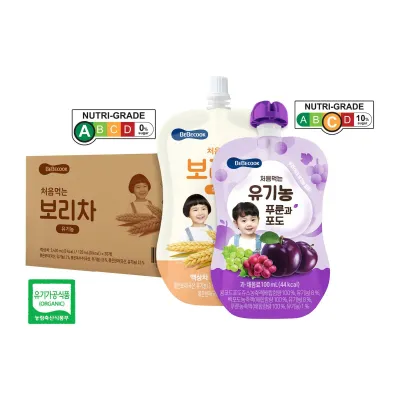
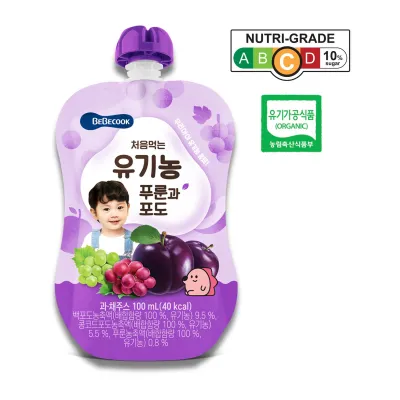
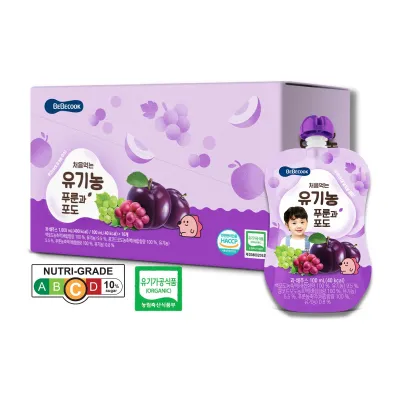
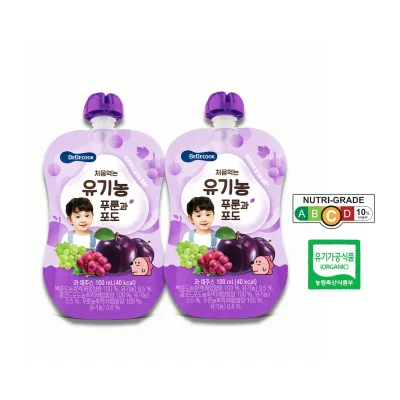
Prices are valid at publication and may change. Please refer to the product page for the latest price.
To ensure you are purchasing genuine organic produce, always look for official certification labels on the packaging. In Singapore, imported organic foods typically carry recognized international seals, such as the USDA Organic logo, the European Union organic leaf, or certifications from Australian and Japanese organic bodies. These labels guarantee that the grapes have been grown and processed according to strict environmental and agricultural standards, giving you peace of mind as a caregiver.
Beyond the reduction of chemical exposure, organic grapes offer a wealth of natural nutrients that support your baby’s rapid growth. They are an excellent source of hydration, consisting of high water content that helps maintain fluid balance. Grapes also provide essential vitamins, including vitamin C to support immune function and iron absorption, and vitamin K, which plays a vital role in healthy blood clotting. Additionally, the natural antioxidants found in grape skins and flesh help protect developing cells from oxidative stress.
However, it is crucial to remember that organic certification does not alter the physical structure of the fruit. Whether organic or conventional, a grape remains a round, firm, and slippery object that can easily block a child’s airway. Thorough washing to remove natural debris and correct cutting are absolute prerequisites for safe feeding, regardless of how the fruit was grown. Organic status is an excellent nutritional choice, but physical safety preparation remains your primary responsibility.
When and How to Introduce Grapes to Your Baby
Most infants are ready to begin their solid food journey around six months of age, but readiness for finger foods like grapes depends on individual developmental milestones. Before offering grapes, ensure your baby can sit upright independently in a high chair with good head and neck control. They should also demonstrate the ability to bring objects to their mouth, show interest in what you are eating, and have lost the tongue-thrust reflex, which automatically pushes solid objects out of their mouth.

As your baby approaches eight to ten months, they typically develop the pincer grasp, using their thumb and index finger to pick up small pieces of food. This milestone indicates they may be ready to handle small, safely prepared pieces of grape. When introducing grapes for the first time, follow the single-ingredient rule. Offer a very small amount of prepared grape on its own, and wait three to five days before introducing another new food. This window allows you to monitor your baby closely for any signs of an allergic reaction or digestive sensitivity.
While grape allergies are relatively uncommon, they can occur. Watch for symptoms such as hives, swelling around the mouth or eyes, vomiting, diarrhea, or difficulty breathing. If you observe any mild symptoms, discontinue feeding the fruit and contact your pediatrician. For severe reactions, seek emergency medical care immediately. Always verify specific age-readiness and texture recommendations with your pediatrician or local health guidelines to tailor the introduction to your baby’s unique developmental stage.
Safe Preparation Methods to Prevent Choking Hazards
The physical characteristics of a whole grape make it a perfect plug for a baby’s small airway. Because of this, serving whole grapes to infants and young children is extremely dangerous. To make grapes safe, you must follow a strict, standardized cutting method. Always cut grapes lengthwise—from the stem end down to the bottom—into quarters. For younger babies or those still adjusting to textures, you may need to chop these quarters into even smaller, bite-sized pieces.
Never cut grapes horizontally or crosswise. A horizontal cut simply creates smaller round discs that can still easily lodge in a child’s trachea. The goal of lengthwise quartering is to destroy the round shape entirely, creating long, thin strips that are easy to gum and swallow. If the grape is particularly large or has a tough texture, continue slicing it until the pieces are thin, pliable, and completely free of any round contours.
In addition to cutting, you must address seeds and skins. Always opt for seedless organic grape varieties when shopping for your baby. If you only have seeded grapes available, you must meticulously remove every single seed with a clean knife or toothpick before serving. Leaving even a small seed in the fruit poses both a choking hazard and an unpleasant texture for your baby. Whether to peel the skin depends on your baby’s chewing proficiency; for beginners, peeling the skin off entirely makes the grape much easier to manage and swallow.
Finally, safe preparation must be paired with active supervision. Your baby must always be seated completely upright in a secured high chair while eating. Never allow your child to eat grapes while crawling, walking, playing, or lying down, as sudden movements can cause them to inhale food into their airway. An adult must watch the baby continuously during meals, remaining within arm’s reach to respond immediately if the baby experiences any difficulty.
Selecting, Storing, and Washing Organic Grapes
To provide the best quality and flavor for your baby, select fresh, high-quality organic grapes using visual and tactile checks. Look for bunches where the grapes are plump, firm, and uniformly colored, without signs of wrinkling or soft spots. The stems should be green, flexible, and healthy-looking; dry, brittle, or brown stems often indicate that the grapes have been sitting in storage for too long and may be losing their freshness.
Proper washing is essential to remove dirt, natural yeasts, and any environmental dust that may have settled on the fruit during transport. Place the grapes in a clean colander and rinse them thoroughly under cold, running potable water. Gently rub each grape with your fingers to loosen any stubborn debris. Avoid using dish soap, commercial produce washes, or chemical detergents, as these products can be absorbed by the fruit’s porous skin and are not safe for infant consumption. A thorough rinse under clean running water is the safest and most effective method.
After washing, gently pat the grapes dry with a clean paper towel or a fresh kitchen cloth. If you are not serving them immediately, store the unwashed grapes in the refrigerator in a ventilated container or a perforated bag to prevent moisture buildup, which accelerates mold growth. Only wash the portion of grapes you plan to serve immediately. Right before preparation, perform a final inspection of each grape, discarding any that show signs of spoilage, bruising, or mold to ensure your baby receives only the freshest fruit.
Frequently Asked Questions (FAQ)
Can babies eat grape skin?
While grape skin contains beneficial dietary fiber and antioxidants, it can be tough, slippery, and difficult for a young baby to chew and break down. For babies who are just starting solids or are still mastering their chewing skills, it is highly recommended to peel the grapes completely before cutting them. As your baby grows older, develops more teeth, and demonstrates advanced chewing and swallowing abilities, you can gradually introduce finely minced grapes with the skin left on, provided they are always cut lengthwise into safe shapes.
Is grape juice a safe alternative for babies?
Pediatric health guidelines generally advise against giving fruit juice, including grape juice, to babies under twelve months of age. Grape juice is highly concentrated in natural sugars and lacks the beneficial dietary fiber found in whole fruit. Introducing sweet juices early can contribute to tooth decay and may fill your baby’s small stomach, displacing the essential nutrition they need from breast milk, infant formula, or nutrient-dense solid foods. It is always better to offer whole, safely prepared organic grapes instead of juice.
What should I do if my baby gags on grapes?
It is important to understand the difference between gagging and choking. Gagging is a normal, loud, and active protective reflex that helps your baby push food away from the back of their throat when they are learning to swallow. If your baby is gagging, they will cough, sputter, or make noise; in this scenario, you should remain calm, watch them closely, and allow them to clear the food on their own. Choking, however, is silent and life-threatening because the airway is completely blocked. If your baby cannot make sound, turn blue, or struggle to breathe, immediate first-aid intervention is required. All parents and caregivers are strongly encouraged to take a certified infant CPR and first aid course to handle these situations confidently.

Community discussion
Share your experience or ask a question. Comments are reviewed before publication.