
Finding the right diaper for your baby in Singapore is a journey of trial and error, particularly when balancing the high humidity of our tropical climate with the daily demands of active babyhood. Among the myriad of choices on supermarket shelves, three brands frequently dominate parental discussions: Nino, Pampers, and Huggies. Each brand brings its own structural design, material philosophy, and price point to the table, making the decision-making process complex for new and experienced parents alike.
There is no single “best” diaper brand that universally suits every infant. The ideal choice among Nino, Pampers, and Huggies depends entirely on your baby’s specific skin sensitivity, physical activity level, and your family’s daily routine. While one infant might sleep through the night without a single leak in a highly structured diaper, another might experience immediate redness or blowouts in the exact same model.
To make an informed decision, parents must evaluate several core dimensions: absorbency capacity, breathability under humid conditions, physical fit, and overall financial value. While established brand reputations provide a helpful baseline, your baby’s unique body shape and skin reaction remain the ultimate test. It is highly recommended to purchase a single small pack or obtain trial samples of a new brand before committing to bulk carton purchases.
Products mentioned in this guide
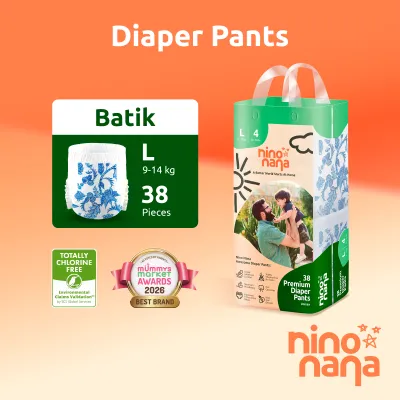
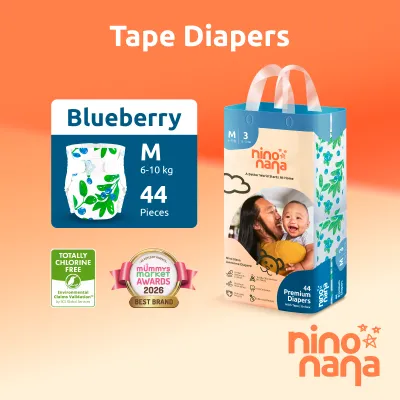
![Nino Nana MegaCase Diaper Pants [Bundle of 4] M (6-11kg) | L (9-14kg) | XL (12-18kg) | XXL (15-23kg)](https://img.lazcdn.com/g/p/f205de36e295ce365678ed48c58c2ab2.png_400x400q80.png_.webp)
![Nino Nana Baby Ultra-Thin Diaper Pants [Single Pack] M(6-11kg) | L(9-14kg) | XL(12-18kg) | XXL(15-23kg)](https://img.lazcdn.com/g/p/f9608196ff35fc1c15c32d0121bf69a9.png_400x400q80.png_.webp)
![Nino Nana Baby Ultra-Thin Diaper Pants Carton [Bundle of 3] | M (6–11kg) / L (9–14kg) / XL (12–18kg) / XXL (15–23kg)](https://img.lazcdn.com/g/p/9957fd368e89aa37136aced2c374aedf.png_400x400q80.png_.webp)
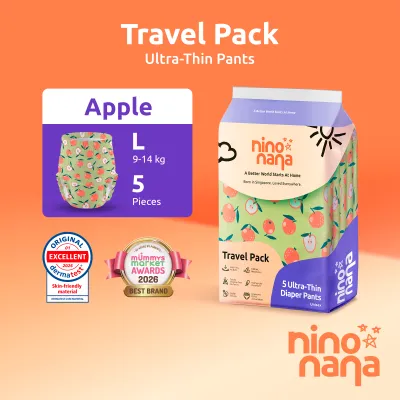
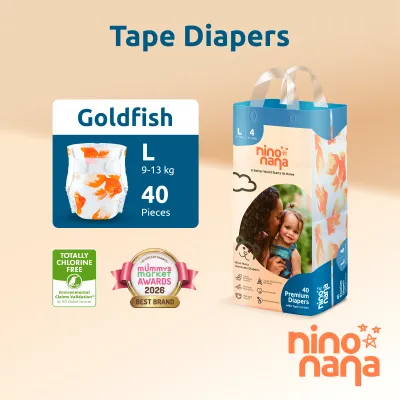
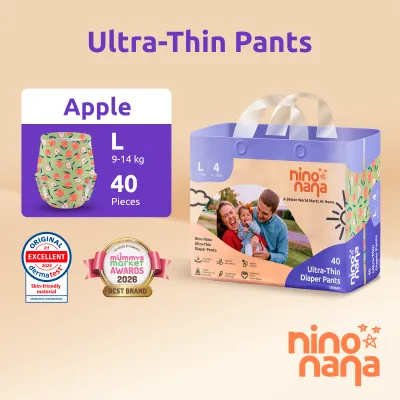
Prices are valid at publication and may change. Please refer to the product page for the latest price.
Absorbency and Leak Protection: Navigating Day and Night Needs
Absorbency requirements shift dramatically as your baby grows and transitions through different developmental stages. During the daytime, infants require frequent changes—typically every two to three hours—meaning that a slimmer, lighter, and more flexible diaper profile is often preferred to facilitate movement. For overnight sleep, however, the priority shifts to high-capacity absorbent cores that can lock away multiple wettings over twelve hours, keeping the baby’s skin dry and preventing sleep disruptions.
When comparing Nino, Pampers, and Huggies, parents should actively inspect the packaging to understand the underlying core technology. Modern disposable diapers rely on superabsorbent polymers (SAP) mixed with wood pulp or structured into advanced composite cores. Look for terms describing absorbent channels, which distribute liquid evenly across the diaper to prevent sagging, and gel bead distribution systems that lock moisture away from the surface. A wetness indicator—a color-changing strip on the outside of the diaper—is also an invaluable tool for caregivers to verify saturation levels at a glance without opening the diaper.
To physically check if a diaper is providing adequate leak protection, perform two simple checks after fastening. First, run your finger around the leg openings to ensure the elasticated leg cuffs are fully pulled out and flared, rather than tucked inward, as tucked cuffs are a primary cause of leg leaks. Second, slide two fingers comfortably under the waistband at the front; if the fit is too tight, it can cause discomfort and digestive pressure, whereas a gap that is too loose will invite leaks along the back.
Heavy wetters or babies going through growth spurts may frequently saturate their usual size overnight. In these scenarios, regardless of whether you use Nino, Pampers, or Huggies, the most effective solution is often to size up by one standard size specifically for nighttime use. This provides a larger absorbent core and higher side guards to contain the increased volume of liquid.
Breathability and Skin Care in a Tropical Climate
Singapore’s hot and humid tropical climate presents a unique challenge for infant skin care. Inside a fastened diaper, the combination of body heat, urine, and ambient humidity creates a warm microclimate. If moisture is trapped against the skin for extended periods, it weakens the natural skin barrier, making the infant highly susceptible to friction, heat rash, and diaper dermatitis. Therefore, high breathability is not just a comfort feature; it is a necessity for maintaining healthy skin.

When evaluating diapers for tropical wear, parents should look for specific structural features detailed on the product labels. Features such as air-flow back sheets, microporous outer covers, and embossed inner linings help facilitate air circulation, allowing heat and vapor to escape while keeping liquid safely contained. Additionally, look for hypoallergenic, fragrance-free, and chlorine-free claims, particularly if your baby has a family history of sensitive skin or eczema.
While terms like “dermatologically tested,” “clinically proven,” or “organic cotton” are common marketing labels, parents must cross-reference these claims with their baby’s actual skin response. Every infant’s skin chemistry is different, and a material that works perfectly for one baby may trigger contact irritation in another. Always monitor the skin during diaper changes for any signs of localized redness or warmth.
A clear safety boundary must be maintained: if your baby develops persistent redness, raw patches, broken skin, or signs of an allergic reaction, stop using the current diaper brand immediately. Allow the skin to air out completely, apply a pediatrician-approved barrier cream, and consult a qualified healthcare professional if the condition does not improve within 24 to 48 hours. Switching diaper brands should never be used as a substitute for professional medical treatment when a severe skin condition is present.
Fit and Sizing: How Nino, Pampers, and Huggies Compare
One of the most common pitfalls for parents is assuming that diaper sizes are standardized across the industry. A “Size M” diaper from Nino may have a completely different physical cut, waistband height, and leg cuff elasticity compared to a “Size M” from Pampers or Huggies. These structural differences mean that a baby might experience frequent blowouts in one brand while fitting perfectly in another of the exact same designated size.
The weight ranges printed on diaper packaging serve as a useful baseline, but they do not account for individual body shapes. A baby with chunky thighs and a round tummy will require a very different diaper silhouette than a baby of the same weight who has a long torso and slim legs. For instance, some brands feature a narrower crotch area and highly stretchable side tabs, which suit leaner babies, while other brands offer a wider, more square cut with a highly elasticated back waistband, which is excellent for containing runny stools in rounder babies.
To evaluate the physical fit of a diaper on your baby, observe how it sits on their body when they are lying down and crawling. The diaper should sit symmetrically on the hips without slanting. The leg gathers should lie flat against the skin, sealing the thigh area comfortably without leaving deep, dark red marks, which indicate the elastic is too tight. Finally, check the rise: for newborns, the diaper should sit comfortably below the healing umbilical cord, while for older, active babies, the waistband should rise high enough to cover the lower back and abdomen securely, preventing shifting during movement.
Calculating True Value and Shopping Safely
Navigating the financial aspect of diapering in Singapore requires looking past the upfront shelf price of a single pack. Because diaper packaging sizes vary wildly—some containing 40 pieces while others contain over 80—the only reliable way to compare costs is to calculate the true “cost per diaper.” To do this, divide the total purchase price of the pack or carton by the exact number of diapers inside.
While bulk buying larger cartons from local supermarkets or authorized online retailers is a highly effective way to lower the cost per piece, parents must manage this strategy carefully. Babies grow rapidly, often transitioning out of newborn and small sizes within a matter of weeks. Overstocking a single size before you are certain of the fit can lead to wasted inventory. It is wiser to buy single packs during transitional growth phases and reserve bulk purchases for when your baby’s growth rate stabilizes.
Safety and hygiene must remain paramount when shopping. Parents should always purchase diapers from official brand stores, established local supermarkets, or authorized pharmacies within Singapore. Avoid buying from unverified third-party sellers on online marketplaces, as parallel-imported or counterfeit products may not have been stored in temperature-controlled environments, potentially exposing them to high humidity and mold, or they may lack the strict material safety standards required for infant products.
Final Decision Guide: Matching the Brand to Your Routine
To select the most appropriate option for your household, it is helpful to match the specific characteristics of each brand to your baby’s physical needs and your daily routine. Use the following conditional framework to guide your final choice:
- Choose Pampers if your primary goal is a highly flexible, slim-fitting diaper that allows for unrestricted movement during daytime play. This profile is particularly suitable for active, crawling, or walking babies who benefit from a lightweight design that does not bunch up between the thighs.
- Choose Huggies if you require robust, high-capacity absorbency for heavy wetters or long overnight stretches, and your baby's body shape benefits from a highly structured fit with a secure, pocketed waistband designed to prevent back leaks and blowouts.
- Choose Nino if you are looking for a modern, cost-effective alternative that balances soft materials with reliable everyday performance, and your baby's skin responds well to its specific cut and material composition after an initial trial period.
- Verify first if your baby has a history of severe contact dermatitis or highly sensitive skin, or if you are currently transitioning between sizes. In these cases, always test a single small pack or obtain a trial sample to evaluate skin compatibility and physical fit before committing to a larger financial investment.
Remember that you do not have to stick exclusively to one brand. Many Singapore parents successfully adopt a hybrid strategy, using a lighter, highly flexible diaper like Pampers or Nino for active daytime wear and a high-capacity diaper like Huggies for uninterrupted overnight sleep.
Frequently Asked Questions (FAQ)
How often should I change my baby's diaper in a humid climate?
In Singapore’s high humidity, it is recommended to change your baby’s diaper every 2 to 3 hours during the day, or immediately after any bowel movement. Prolonged exposure to moisture and warmth accelerates bacterial growth and skin breakdown, making frequent changes the most effective defense against diaper rash.
Can I mix different diaper brands for day and night use?
Yes, mixing diaper brands is a highly practical and safe strategy. Many parents utilize a thinner, more flexible diaper during the day to support their baby’s mobility, while switching to a thicker, maximum-absorbency diaper at night to ensure the baby—and the parents—can enjoy uninterrupted sleep.
What should I do if a new diaper brand causes a rash?
If you suspect a new diaper brand is causing irritation, stop using it immediately and switch back to a known, safe brand or allow the skin to air out. Clean the area gently with warm water and a soft cloth rather than scented wipes, apply a thick layer of doctor-approved barrier cream, and consult a pediatrician if the redness persists, worsens, or shows signs of infection.

Community discussion
Share your experience or ask a question. Comments are reviewed before publication.