
Finding the right diaper for your baby in Singapore’s warm, humid climate is a balancing act between skin comfort and reliable leak protection. While Merries, Pampers, and Huggies are all household names, they approach these diapering challenges with distinct design philosophies. Merries is widely recognized for its exceptional breathability and plush, cloud-like softness, making it a favorite for infants with highly sensitive skin. Pampers focuses on a slim, highly flexible profile designed to wick away moisture rapidly without adding bulk. Huggies emphasizes a secure, snug fit with robust elastic barriers that keep up with active, fast-moving babies.
There is no single “best” diaper; the ideal choice depends on your baby’s specific body shape, skin sensitivity, and activity level. By understanding how each brand’s physical features and materials perform, you can select the option that keeps your baby dry, comfortable, and free from irritation.
Absorbency and Leak Protection Compared
A diaper’s primary job is to manage moisture effectively while preventing leaks during active daytime play and long overnight sleep stretches. To understand how Merries, Pampers, and Huggies perform, we must look closely at their structural designs, core technologies, and physical barrier systems. Each brand utilizes a distinct engineering approach to distribute liquid and lock it away from your baby’s delicate skin.
Products mentioned in this guide
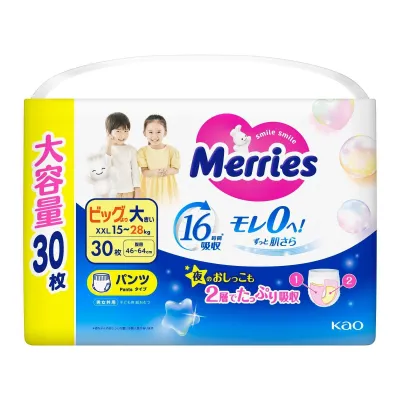
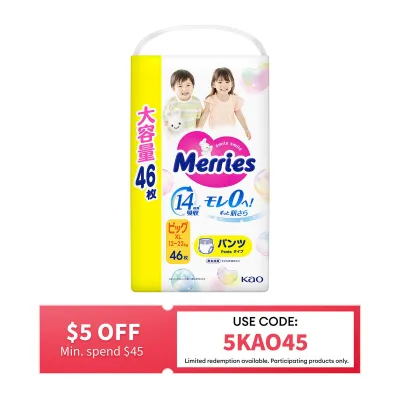
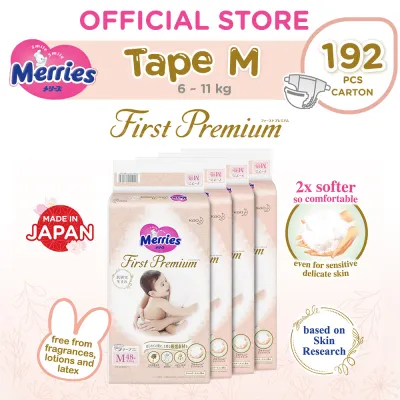
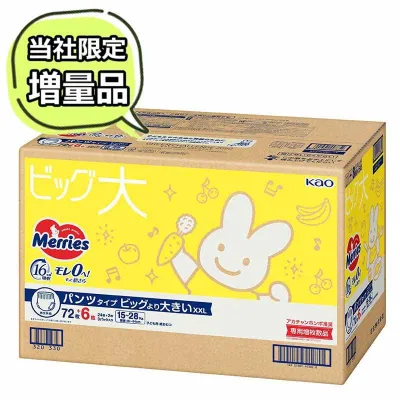
![[NEW] Merries Ultra Jumbo Pants Diapers XL (46s x 3 Packs)](https://img.lazcdn.com/g/p/c717d956d83100fc53830b1ebfd99bc6.png_400x400q80.png_.webp)
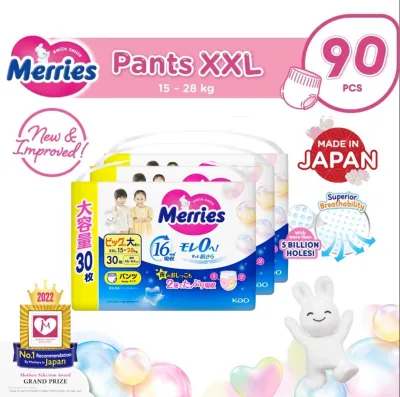
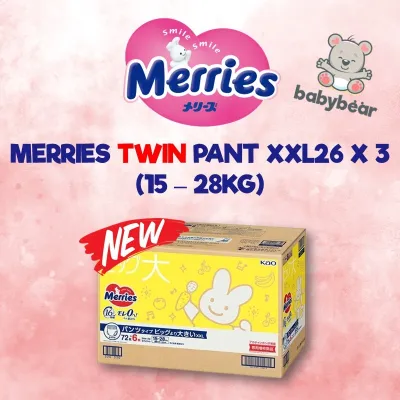
Prices are valid at publication and may change. Please refer to the product page for the latest price.
Merries: Absorbency Core and Leak Guards
Merries diapers are designed with a highly advanced absorbent core that utilizes superabsorbent polymers (SAP) distributed evenly to prevent clumping. The inner surface features a textured, wavy sheet that creates channels, allowing liquid to pass straight down into the core rather than spreading across the surface. This design minimizes the total surface area of wet material in direct contact with your baby’s skin, which is crucial for reducing irritation.
When liquid is absorbed, the superabsorbent polymers turn into a gel, locking the moisture deep within the core. The wetness indicator consists of three vertical yellow lines on the outer cover that turn dark blue when wet, providing a clear visual cue for changes. For leak prevention, Merries employs double-layered, gather-style leg cuffs that rise gently around the thighs. These cuffs are made from a soft, non-woven material that expands to create a gentle seal. To ensure optimal performance, parents should verify that these leg guards are fully flared outward rather than tucked inward after fastening.
Pampers: Moisture-Wicking and Slim Fit
Pampers approaches absorbency with a focus on structural thinness and rapid distribution. Many of their premium lines feature specialized channels that distribute wetness evenly from front to back, preventing the diaper from sagging or forming a single heavy lump between the baby’s legs. This slim-profile core design aims to lock moisture away deep within the diaper, keeping the surface dry and allowing the baby to move with ease.
The leg gussets on Pampers diapers are designed to be highly elastic yet low-profile, conforming closely to the natural crease of the baby’s groin. The waistband is typically sleek and flat, relying on the stretchiness of the fastening tabs to secure the diaper. Depending on whether you purchase their premium line or their standard line, you will observe variations in core thickness and material softness. It is essential to check the specific product packaging to understand the exact features of the line you select, as some standard lines may not feature the same advanced wicking channels as their premium counterparts.
Huggies: Leak Lock Systems and Active Fit
Huggies diapers are engineered with a focus on robust containment, particularly for babies who are crawling, rolling, or walking. Their absorbent core is designed with a dense layer of SAP concentrated where wetness is most likely to pool. This is paired with a unique pocketed waistband at the back, specifically designed to catch and contain runny bowel movements before they can escape upward.
The leg barriers on Huggies are reinforced with double-layered elastic guards that offer a secure, snug fit around the thighs. The physical layout of the absorbent padding extends slightly higher up the back and front compared to slimmer diaper designs, providing a larger overall coverage area. While this structural design provides excellent physical containment for active babies, parents must remember that choosing the correct size is critical. If the diaper is too tight, even the most advanced leak lock system cannot prevent friction leaks or red marks.
Comfort, Breathability, and Skin Feel
In Singapore’s high humidity, a diaper’s breathability and surface texture are crucial for maintaining comfort. A diaper that traps heat and moisture can quickly lead to discomfort and skin irritation. Comparing the tactile feel, inner liners, and airflow designs of these three brands reveals distinct differences in how they prioritize your baby’s comfort.

Merries: Air-Through Technology and Softness
Merries is highly regarded for its “air-through” design philosophy, which focuses on promoting continuous airflow through every layer of the diaper. The inner liner is embossed with a delicate, wavy pattern that creates tiny air channels between the diaper and the baby’s skin. This structure allows heat and moisture to escape upward and outward, rather than remaining trapped against the body.
The outer cover of a Merries diaper is exceptionally soft to the touch, resembling a premium cotton fabric rather than plastic. When purchasing, parents can physically feel the outer layer to observe this high level of softness. This tactile gentleness is designed to minimize friction against the baby’s thighs and waist, making it an excellent option for newborns and infants who spend most of their time lying down. Parents should regularly inspect the diaper’s outer layer to ensure it feels dry, as the highly breathable material naturally allows moisture vapor to escape.
Pampers: Lightweight Feel and Flexibility
Pampers diapers are designed to feel incredibly lightweight and flexible, allowing for unrestricted movement. The inner lining is smooth and flat, designed to sit flush against the skin to quickly draw wetness away. Because the core is exceptionally thin, the diaper does not feel bulky or restrictive, even when it begins to fill.
This lightweight construction allows the diaper to flex naturally with the baby’s movements, reducing the likelihood of the material bunching up and causing friction during playtime. While this slim design is highly comfortable for active toddlers, parents should regularly inspect the skin around the leg openings and waist. If the baby’s body shape is rounder, a slim-cut diaper may occasionally rub against the skin, requiring a transition to a different size or cut to maintain comfort.
Huggies: Cushiony Liners and Stretchability
Huggies emphasizes a plush, protective feel through its cushiony or quilted inner liners. These liners feature soft, pillow-like textures that provide a gentle buffer between the baby’s skin and the absorbent core. The side panels and ears of the diaper are highly stretchable, allowing for a secure, customized fit around the waist.
This stretchability ensures that the diaper moves with the baby during active play, expanding and contracting as they breathe and move. The snug, pocketed fit provides a sense of security, though the overall diaper can feel slightly thicker and more structured than its competitors. Parents should observe their baby during active play to ensure the thicker material does not cause overheating in non-air-conditioned environments, and adjust the fit as needed.
Navigating Skin Sensitivity and Diaper Rash Risks
Maintaining healthy skin in a diaper is a continuous challenge for parents. While diaper manufacturers design their products with advanced breathability and moisture-wicking materials, no single diaper can completely guarantee the prevention of diaper rash. Diaper rash is primarily caused by prolonged exposure to wetness, friction, and the natural chemical reactions that occur when urine and stool mix.
To minimize these risks, the most critical practice is frequent and timely diaper changes. Even the most absorbent diaper should be changed as soon as possible after a bowel movement or when the wetness indicator shows the diaper is full. When selecting diapers, parents should carefully examine the product packaging for specific labels such as fragrance-free, lotion-free, or hypoallergenic, especially if their baby has known skin sensitivities or allergies.
Standard, low-risk hygiene practices are essential during every change:
- Gentle Cleaning: Use alcohol-free, fragrance-free baby wipes or, preferably, warm water and a soft cloth to clean the diaper area gently. Avoid rubbing the skin vigorously.
- Thorough Drying: Allow the baby's skin to air-dry completely before putting on a fresh diaper. Applying a diaper cream or barrier ointment to dry skin can help shield it from moisture.
- Air Time: Giving your baby brief periods without a diaper can significantly help keep the skin dry and healthy.
If you notice persistent redness, swelling, peeling, or if your baby seems in pain despite frequent changes and gentle care, stop using any new products and consult a pediatrician or qualified healthcare professional. Do not attempt to self-diagnose or apply medicated creams without professional medical advice.
Sizing, Fit, and Adjustability for Different Body Types
A diaper’s performance is heavily dependent on how well it fits your baby’s unique body shape. Babies come in all shapes and sizes—some have round, chubby thighs, while others have long, lean torsos. Consequently, a diaper brand that works perfectly for one baby may cause leaks or red marks on another.
The general cut of each brand varies significantly:
- Merries: Tends to have a generous, wider cut with a higher rise, making it highly suitable for babies with rounder bellies and thighs. The elastic waistband is soft and forgiving.
- Pampers: Often features a narrower, more contoured cut. This slim design fits exceptionally well on babies with leaner builds, preventing gaps around the legs where leaks could occur.
- Huggies: Known for its highly adjustable, stretchy waistband and snug fit. The secure waist elastic helps prevent gaps at the back, making it ideal for babies who fall between sizes or have highly active movement patterns.
To ensure a proper fit, parents can use several physical checks during diaper changes:
- The Two-Finger Rule: After fastening the diaper tabs, you should be able to slide two fingers comfortably between the diaper waistband and your baby's tummy. If it feels tight, the diaper is too small.
- Leg Cuff Check: Run your finger around the elastic leg cuffs after putting the diaper on. Ensure the outer ruffles are pulled completely outward. If they are tucked in, leaks are highly likely to occur.
- Symmetry Check: Ensure the fastening tapes are secured symmetrically on the front landing zone. If the tapes are fastened unevenly, the diaper will sit crookedly, leading to uneven absorbency and potential leaks.
It is crucial to remember that weight guidelines printed on diaper packaging are general recommendations and can overlap significantly between sizes. For example, a baby weighing 8 kg might fit into both a Size M and a Size L diaper depending on the brand and product line. Parents should rely on physical fit, comfort, and the absence of red marks rather than relying solely on the baby’s age or weight category on the box.
Price, Value, and Purchasing Channels in Singapore
When managing a household budget in Singapore, diaper expenses are a significant recurring cost. To accurately compare the value of Merries, Pampers, and Huggies, parents should calculate the cost-per-piece rather than comparing the price of a single pack. Because pack counts vary widely between brands and sizes, dividing the total price of the pack by the number of diapers inside provides the only true cost comparison.
Generally, these three major brands occupy different price bands in the Singapore market:
- Premium Tier: Merries and premium lines (such as Pampers Ichiban or Huggies Platinum) sit at a higher price-per-piece, reflecting their specialized soft materials and advanced breathability features.
- Standard Tier: Standard lines from Pampers and Huggies offer a more budget-friendly cost-per-piece, making them highly economical for daytime use when changes are more frequent.
These brands are widely available across Singapore through multiple reputable purchasing channels:
- Physical Retailers: Major supermarkets, hypermarkets, and health and beauty pharmacies carry a wide selection of sizes and lines.
- Official E-commerce Channels: Official brand stores hosted on reputable online marketplaces or e-commerce platforms offer a convenient way to purchase in bulk.
When shopping online, parents must remain vigilant against counterfeit products or parallel imports of questionable quality. Buying from unauthorized third-party sellers carries the risk of receiving diapers that lack proper quality control, which can lead to skin irritation or poor absorbency. Always verify that you are purchasing from official flagship stores or authorized distributors, and inspect the packaging upon delivery to ensure all seals are intact and the print quality is sharp and clear.
Decision Framework: How to Choose the Right Diaper
Selecting the right diaper involves matching your baby’s immediate physical needs with your practical household preferences. Use this conditional framework to guide your decision:
- Choose Merries if:
- Your baby has highly sensitive skin that is prone to irritation from friction.
- You prioritize exceptional softness and a highly breathable, air-through design to combat Singapore's humid climate.
- Your baby has a rounder, chubbier build that benefits from a wider, more generous diaper cut.
- Choose Pampers if:
- You prefer a slim, lightweight diaper that does not bulk up between your baby's legs.
- Your baby has a leaner, longer body shape that requires a contoured, snug fit around the thighs.
- You want rapid moisture-wicking channels that distribute wetness evenly for daytime mobility.
- Choose Huggies if:
- Your baby is highly active, crawling, or walking, and needs a diaper that stays securely in place.
- You require a robust waistband pocket to prevent messy blowouts at the back.
- You prefer highly stretchable side panels that adapt easily to your baby's physical movements.
- Verify first if:
- Your baby has specific skin allergies or extreme sensitivities; always check the packaging for fragrance-free or hypoallergenic designations.
- You are transitioning between sizes; buying a single, small trial pack is the safest way to test the physical fit and skin compatibility before committing to bulk purchases.
Frequently Asked Questions (FAQ)
Finding the perfect diapering routine often involves navigating unique daily scenarios. Here are practical answers to common questions parents face when choosing and using diapers.
Can I mix different diaper brands for day and night use?
Yes, mixing diaper brands is a highly practical and cost-effective strategy used by many parents in Singapore. During the day, when diaper changes are more frequent and your baby is active, you might choose a lighter, more flexible diaper like Pampers or a standard-tier Huggies to allow for easy movement. For overnight sleep, when you want to minimize disruptions and maximize dryness, switching to a highly absorbent, premium diaper like Merries can help keep your baby comfortable for longer stretches. Always ensure both brands fit correctly to prevent leaks.
How do I know if a diaper is too small or too big for my baby?
You can identify a poor diaper fit through several clear physical signs. If a diaper is too small, you will notice red, indented marks on your baby’s thighs or waist, the fastening tabs will sit far apart near the hips, and the rise will feel too low at the waist. If a diaper is too big, you will observe gaps between the elastic leg cuffs and your baby’s skin, the waistband will sag, and you may experience frequent leaks or blowouts. If you encounter these issues despite being within the recommended weight range, it is time to adjust the size.
Do more expensive diapers always mean better absorbency?
A higher price tag does not automatically guarantee superior absorbency for your specific baby. Premium diaper lines often cost more because they use softer, high-grade materials, advanced embossing for breathability, and features like wetness indicators. While these features enhance overall comfort and skin health, a standard-tier diaper may absorb liquid just as effectively if it fits your baby’s body shape perfectly. The most effective diaper is always the one that matches your baby’s unique anatomy and keeps their skin dry and irritation-free.
Community discussion
Share your experience or ask a question. Comments are reviewed before publication.