
When evaluating the best diapering options for your baby, balancing performance with household expenses is a constant challenge for parents in Singapore. The nino nana diaper has emerged as a compelling, value-driven alternative to household giants like Pampers and Huggies. However, determining whether it is a truly viable substitute is not a matter of finding a single absolute winner, but rather understanding how each brand performs under specific conditions.
Pampers and Huggies are long-established market leaders with highly diversified product tiers, whereas Nino Nana positions itself as a streamlined challenger focusing on core functionality at a highly competitive price point. The ideal choice for your household depends heavily on your baby’s unique physical proportions, their urine volume, and the current promotional discounts available on local e-commerce platforms.
While Nino Nana frequently offers a lower upfront cost per unit, parents must evaluate real-world absorbency and skin compatibility before purchasing in bulk. We recommend starting with a single small-pack trial to observe how the diaper performs on your baby during both active daytime play and overnight sleep.
Products mentioned in this guide
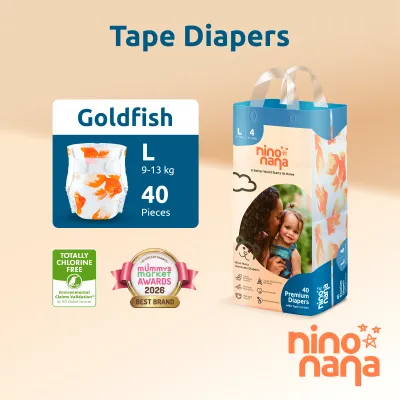
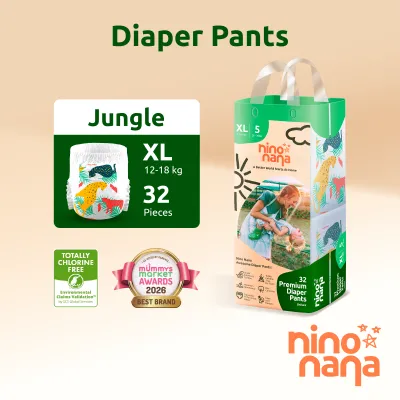
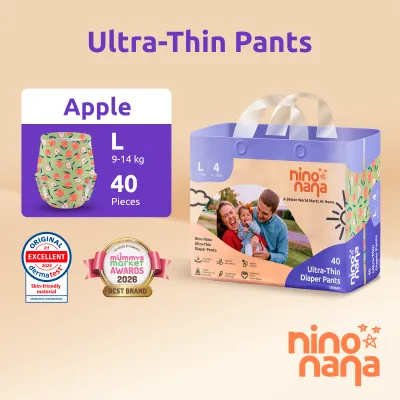
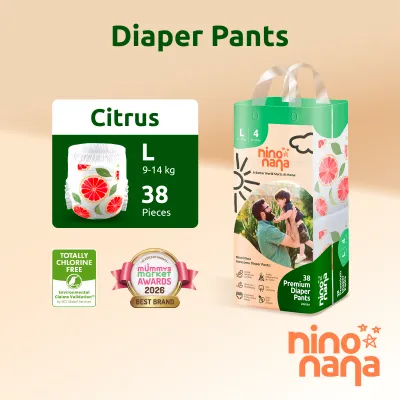
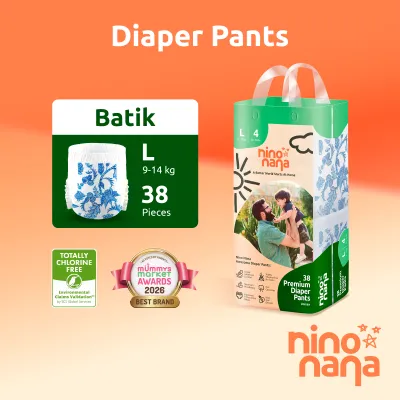
![Nino Nana MegaCase Diaper Pants [Bundle of 4] M (6-11kg) | L (9-14kg) | XL (12-18kg) | XXL (15-23kg)](https://img.lazcdn.com/g/p/f205de36e295ce365678ed48c58c2ab2.png_400x400q80.png_.webp)
![Nino Nana MegaCase Tape Diapers [Bundle of 4] NB (up to 4kg) | S (4-6kg) | M (6-10kg) | L (9-13kg)](https://img.lazcdn.com/g/p/4c434997721a1f1e69597ef0182d3368.png_400x400q80.png_.webp)
Prices are valid at publication and may change. Please refer to the product page for the latest price.
Brand Positioning: Market Leaders vs. the Nino Nana Diaper
To make a fair comparison, it is essential to understand the different market strategies and product line structures of these brands. Pampers and Huggies have spent decades building extensive global supply chains and brand trust, allowing them to offer multiple product tiers. For instance, Pampers ranges from their everyday Baby-Dry line to their premium Premium Care and Pure Protection variants. Similarly, Huggies offers everything from their standard active lines to highly specialized options like Huggies Platinum and Nature Care. These premium lines often feature advanced materials, organic cotton elements, and specialized channels designed to keep moisture away from sensitive skin.
In contrast, the nino nana diaper enters the market with a more focused, value-oriented strategy. Rather than maintaining a complex matrix of basic, mid-tier, and premium sub-brands, Nino Nana typically concentrates on a streamlined product offering designed to deliver reliable performance without the premium price markup. This direct positioning allows parents to access essential features—such as wetness indicators and flexible waistbands—without paying for the extensive marketing campaigns and multi-tiered retail distribution networks associated with global conglomerates.
When comparing these brands, a common mistake is matching a value-focused diaper directly against a competitor’s top-tier premium overnight product. To achieve an accurate assessment of value, parents should compare Nino Nana with the mid-tier or everyday lines of Pampers and Huggies. This ensures that you are evaluating comparable performance levels and finding the true sweet spot between cost efficiency and functional reliability.
Assessing Absorbency: Core Technologies and Real-World Performance
Diaper absorbency is the single most critical factor in preventing leaks and keeping your baby’s skin dry. To understand how these diapers compare, it helps to look at the underlying technology that powers them. Most modern disposable diapers rely on a combination of Super Absorbent Polymer (SAP) and an Acquisition Distribution Layer (ADL). The ADL is designed to quickly draw liquid away from the surface, while the SAP locks the moisture into a gel-like state to prevent it from resurfacing under pressure.

Daytime vs. Nighttime Performance
During the day, a baby’s diapering needs are defined by movement, frequent changes, and a desire for a lightweight fit. Daytime diapers prioritize rapid absorption and a slim profile to allow your baby to crawl, walk, and explore without bulkiness restricting their mobility. Conversely, nighttime diapering requires a high total fluid capacity and reinforced leak guards to handle long-duration sleep cycles of up to 12 hours.
When evaluating the nino nana diaper against Pampers and Huggies, pay close attention to packaging claims regarding overnight protection. While premium variants of Pampers and Huggies often feature specialized overnight designs with extra SAP concentrated in key zones, Nino Nana’s standard design must be closely monitored to see if it holds up to extended sleep. Observe whether the diaper sags excessively or leaks during active daytime play, and note if your baby wakes up with damp pajamas after a full night’s sleep. If a diaper requires multiple middle-of-the-night changes, any initial cost savings may be offset by disrupted sleep for both you and your baby.
At-Home Absorbency Testing
While manufacturer marketing materials often promise dry skin and superior absorption, parents can easily conduct a simple, controlled test at home to verify these claims. To perform a basic pour test, place a fresh diaper from each brand flat on a clean surface. Measure a specific volume of warm water—typically 100 to 150 milliliters, which roughly simulates the urine output of a medium-sized infant—and pour it steadily onto the center of each diaper.
As you pour, observe how quickly the liquid is drawn into the core. A high-performing diaper should absorb the liquid almost immediately without letting it pool on the surface. After waiting two minutes, press a dry paper tissue firmly onto the center of each diaper’s top sheet. The amount of moisture transferred to the tissue will give you a clear, observable indication of surface dryness. Additionally, check if the liquid has spread evenly throughout the core or if it has clumped in one spot, which can cause discomfort and premature sagging during actual use. Keep in mind that synthetic tests cannot fully replicate the dynamic movement and physical pressure of an active baby, so real-world observation remains the ultimate benchmark.
Calculating True Value: Unit Cost vs. Hidden Expenses
Evaluating the financial value of a diaper goes far beyond comparing the sticker price on a retail shelf. A low-cost diaper that fails frequently can quickly become more expensive than a premium option due to secondary expenses. To find the true cost-to-benefit ratio, parents must look at both direct unit costs and the hidden expenses associated with diaper performance.
Calculating the Cost Per Diaper
To establish a reliable baseline for comparison, always calculate the cost per individual diaper rather than comparing the total price of different packages. To do this, divide the total purchase price of the pack by the number of diapers inside. Because diaper packaging sizes vary wildly between brands and retailers, this simple calculation is the only way to ensure a fair comparison.
When shopping in Singapore, look for bulk buying options, monthly subscription boxes, and seasonal promotions on major online marketplaces. Premium brands like Pampers and Huggies frequently offer substantial discounts when purchased in bulk or through subscription models, which can bring their unit costs closer to those of value brands. Additionally, remember to compare identical sizes; as your baby grows, the cost per diaper naturally increases because larger sizes contain fewer units per package. Comparing a Size M diaper from one brand to a Size L diaper from another will skew your financial calculations.
Factoring in Hidden Costs
A cheaper diaper is only a bargain if it performs its job reliably. If a lower-priced diaper suffers from frequent leaks or blowouts, the hidden costs will quickly accumulate. You must factor in the additional water, electricity, and detergent costs of running extra laundry cycles to clean soiled clothing, bedsheets, and sleeping sacks. Furthermore, the time and physical effort required to clean up after a diaper leak add a significant, non-monetary cost to a caregiver’s daily routine.
Another critical hidden cost is the financial impact of diaper rash. When a diaper fails to keep moisture away from a baby’s skin, the resulting irritation can lead to painful rashes. Addressing diaper rash often requires purchasing specialized barrier creams, medicated ointments, or even scheduling consultations with a pediatrician. If a slightly more expensive diaper from Pampers or Huggies consistently keeps your baby’s skin dry and rash-free, it may offer far better overall value than a cheaper alternative that leads to frequent skin irritation. However, if the nino nana diaper fits your baby perfectly and keeps them dry without any adverse skin reactions, it represents an outstanding opportunity to reduce your monthly household expenses.
Fit, Comfort, and Skin Safety: Beyond the Price Tag
Even the most technologically advanced diaper with maximum absorbency will leak if it does not fit your baby’s unique body shape correctly. Babies come in all shapes and sizes—some have rounder bellies, while others have chunkier thighs—meaning that physical design and comfort are just as important as chemical absorbency.
Elasticity and Leak Guards
When comparing Nino Nana, Pampers, and Huggies, take time to physically inspect the waistband elasticity and the flexibility of the side tabs. A high-quality diaper should feature a stretchy, comfortable waistband that expands as your baby breathes and digests, while the side tabs must fasten securely without digging into the skin. The flexibility of these components determines how well the diaper stays in place as your baby rolls, crawls, or takes their first steps.
Equally important are the leg cuffs, which act as the primary barrier against leaks and blowouts. These inner leak guards should stand up automatically when the diaper is opened and sit flush against your baby’s thighs. If the leg cuffs are too loose, liquid will easily escape; if they are too tight, they will leave deep, painful red marks on your baby’s delicate skin. Note how the cut of each brand accommodates your baby’s proportions. Some brands feature a high-waisted cut that is excellent for preventing blowouts up the back, while others have a lower-rise, trimmer fit that suits leaner babies.
Material Breathability and Skin Claims
Singapore’s hot and highly humid climate makes material breathability a top priority for preventing heat rash and diaper dermatitis. When reviewing diaper packaging, look for specific material claims such as breathable outer backsheets, cotton-like top sheets, and the absence of added fragrances, lotions, parabens, or elemental chlorine bleaching. These factors are crucial for minimizing chemical irritation on sensitive skin.
Many brands display recognized dermatological testing logos or hypoallergenic certifications on their packaging. While these indicators are helpful, parents should verify these claims against the manufacturer’s official specifications and product documentation. It is important to remember that every baby’s skin is unique; a diaper certified as hypoallergenic can still cause a reaction if it does not suit your baby’s specific skin chemistry. As a strict safety boundary, if your baby develops persistent redness, swelling, or a severe rash, immediately discontinue using the diaper and consult a qualified pediatrician, regardless of any safety or dermatological claims made by the manufacturer.
Final Verdict: Which Diaper Should You Choose?
Choosing the right diaper is ultimately a highly personalized decision that requires balancing performance, fit, and your household budget. There is no universal winner, but rather a best choice for your specific circumstances.
- Choose Nino Nana if: Your primary goal is maximizing budget efficiency, particularly for daytime use when diapers are changed frequently. It is an excellent choice if your baby has standard physical proportions that align well with the brand's cut, and if your initial small-pack trials confirm that the diaper provides adequate absorbency and skin dryness without causing irritation.
- Choose Pampers if: Your baby is highly active and requires a slim, flexible profile that supports maximum mobility. Pampers is also the ideal choice if you prefer a widely available brand with a proven track record of rapid-dry technology, or if your baby's skin responds best to their premium, lotion-infused or sensitive-skin product tiers.
- Choose Huggies if: Your baby has chunkier thighs and a rounder belly that benefit from Huggies' specific waistband stretch and robust leg-cuff design. It is also the preferred option if you prioritize heavy-duty overnight containment features and want a highly structured diaper that minimizes the risk of back blowouts.
Keep in mind that your baby’s diapering needs will change rapidly as they grow. A diaper brand that fits perfectly and performs flawlessly at six months of age may begin to leak or cause red marks at twelve months as your baby’s body shape and activity levels evolve. Regularly re-evaluating your diaper choices, calculating unit costs, and monitoring your baby’s skin health will ensure you always get the best possible value and performance.
Frequently Asked Questions (FAQ)
How do I know if it is time to size up my baby's diaper?
Knowing when to transition to a larger diaper size is key to preventing leaks and ensuring comfort. Look for clear physical indicators: deep red marks on your baby’s thighs or waist, frequent leaks despite correct fastening, or the diaper looking overly stuffed and sagging heavily after a single wet. Additionally, if the fastening tabs struggle to reach the center of the waistband or pop open during movement, the diaper is too small. Remember that the weight ranges printed on diaper packaging are general guidelines; your baby’s unique body shape, torso length, and thigh circumference are the true indicators of the ideal fit.
Can I mix diaper brands for daytime and nighttime use to save money?
Mixing different diaper brands is a highly practical and cost-effective strategy used by many parents. Because daytime diapers are changed frequently—often every two to three hours—you can safely use a more budget-friendly option like the nino nana diaper during the day when absorbency demands are lower. For overnight sleep, when you want to avoid middle-of-the-night changes and ensure uninterrupted rest, you can switch to a premium, high-capacity tier of Pampers or Huggies. This hybrid approach allows you to maximize your savings without compromising on overnight dryness and leak protection.

Community discussion
Share your experience or ask a question. Comments are reviewed before publication.