
The Core Checklist: What a Newborn Actually Needs
Welcoming a newborn brings a flurry of preparation, and shopping for baby grooming personal care kits is often high on the checklist. However, walking down the baby care aisle or browsing online marketplaces reveals an overwhelming array of multi-piece grooming sets. Many of these commercial kits boast up to twenty different plastic tools, promising to cover every conceivable hygiene scenario. In reality, a newborn baby requires only a minimal, highly specialized selection of tools to stay clean, comfortable, and safe.
The absolute essentials for newborn grooming fall into three primary categories: nail care, nasal care, and hair or scalp care. Beyond these three areas, a newborn’s delicate skin and developing body require very little intervention. Buying massive, padded kits often means paying for low-quality filler items that will sit unused in a drawer. By focusing on a few high-quality, purpose-built tools, you can ensure your baby’s grooming routine is safe, efficient, and free of unnecessary clutter.
The "Must-Have" Tools and How to Use Them Safely
Grooming a tiny, wriggling newborn can feel incredibly daunting for new parents. The key to reducing anxiety and preventing accidental injury is choosing tools specifically engineered for infant anatomy. Before using any grooming tool on your baby, always consult the manufacturer’s documentation for age suitability, weight limits, and safety warnings. Understanding the mechanics, safety features, and proper usage of each essential tool allows you to perform these routine tasks with confidence.
Products mentioned in this guide
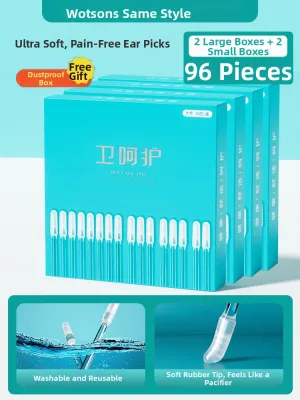
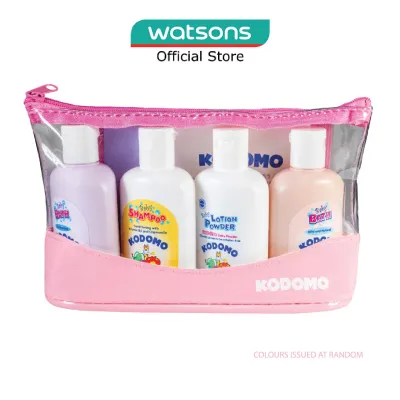
Prices are valid at publication and may change. Please refer to the product page for the latest price.

Nail Care: Clippers, Scissors, or Electric Files?
Newborn nails are paper-thin, grow surprisingly fast, and can be incredibly sharp, often leading to accidental facial scratches. Parents generally choose between three main tools for keeping these tiny nails short: baby nail scissors, infant nail clippers, or electric baby nail files. Each tool offers distinct advantages depending on your comfort level and manual dexterity.
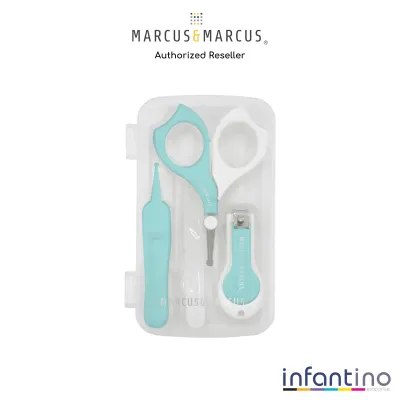
Baby nail scissors feature thin, curved blades with rounded safety tips to prevent accidental punctures. Many pediatricians and experienced parents prefer scissors because they offer excellent visibility of the nail bed, allowing you to see exactly where you are cutting. When using scissors, gently pull the finger pad away from the nail edge to create a clear gap before making small, controlled cuts along the natural curve of the nail.
Traditional infant nail clippers are scaled-down versions of adult clippers, often featuring a textured grip or a loop for steadier handling. They work well for quick, straight cuts, but they can block your view of the skin right beneath the nail. If you choose clippers, look for models with a built-in safety guard that limits how much of the nail can enter the cutting path. Some models also include a small LED light or a magnifying glass attachment; while these are helpful additions, they are not strictly mandatory if you groom your baby in a brightly lit room.
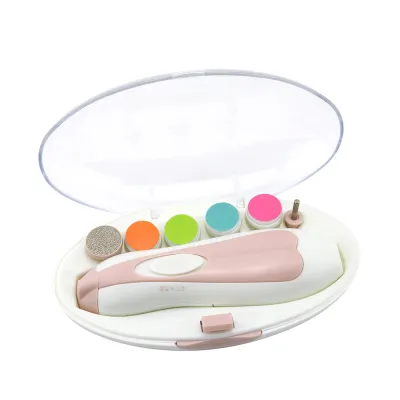
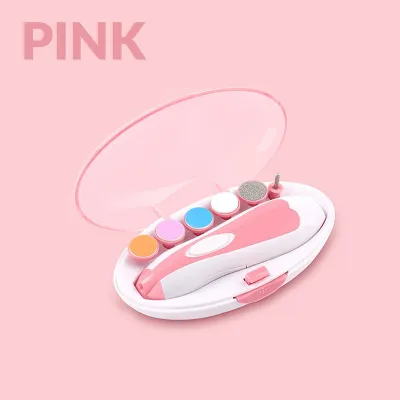
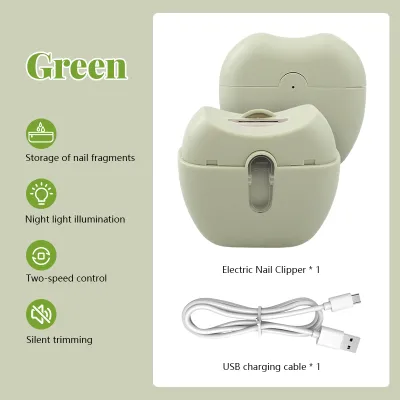
Electric baby nail files, or rotary nail trimmers, have become highly popular because they eliminate the risk of cutting the skin entirely. These battery-operated devices use cushioned, spinning sandpaper pads of varying grits tailored to different age ranges. The spinning pad gently grinds down the soft nail, stopping automatically if it presses too hard against the baby’s skin. While electric files are incredibly safe and stress-free, they do require ongoing battery replacements and take slightly longer to shorten the nails compared to manual cutting.
Nasal Care: Aspirators vs. Bulb Syringes
Newborns are obligatory nasal breathers, meaning they breathe almost exclusively through their noses for the first few months of life. Because they cannot clear their own nasal passages, a minor congestion issue from dry air or mucus can disrupt their feeding and sleeping patterns. Having a reliable, hygienic tool to clear their nose is a vital part of your grooming setup.
The traditional manual bulb syringe—the classic rubber bulb often handed out in hospitals—is a common fixture in pre-packaged kits. While they offer decent suction, bulb syringes are notoriously difficult to clean and dry internally. In Singapore’s warm, humid climate, the dark, damp interior of a non-dismantlable bulb syringe becomes a breeding ground for mold and bacteria within weeks. If you use a bulb syringe, ensure it is a modern, two-piece design that can be pulled apart, thoroughly washed, and completely dried.
A modern manual or electric nasal aspirator is generally a much safer and more hygienic alternative. Manual aspirators use a tube system where the parent provides suction using their own mouth on a mouthpiece, while a physical filter prevents any mucus or germs from reaching the parent. This design offers precise suction control, allowing you to adjust the pressure based on how stubborn the congestion is. Electric nasal aspirators provide consistent, gentle suction at the push of a button. Whichever style you choose, look for models with soft silicone tips, replaceable or washable filters, and components that can be easily dismantled and sterilized in boiling water or a steam sterilizer.
Hair and Scalp: Soft Brushes and Combs
Even if your baby is born with very little hair, a soft brush and comb are essential tools for maintaining scalp health. Newborn skin is incredibly delicate, and the scalp requires gentle stimulation to encourage healthy circulation and manage common benign conditions like cradle cap.
An ultra-soft bristle brush is the primary tool for daily hair care. Look for brushes made with natural goat hair bristles or high-quality, super-soft synthetic fibers. These bristles are gentle enough to smooth fine baby hair and massage the scalp without scratching or irritating the soft spots on the baby’s head, known as the fontanelles. Daily brushing helps distribute the scalp’s natural oils and prevents dry skin buildup.
A fine-toothed, smooth-tipped comb is also necessary, particularly for managing cradle cap, which presents as oily, yellowish scales on the scalp. To treat this safely, apply a few drops of baby-safe oil to the affected areas to soften the flakes, let it sit for a few minutes, and then use the fine-toothed comb to gently loosen and lift the scales. Ensure the teeth of the comb have completely rounded, bulbous tips to prevent any scratching of the delicate skin underneath.
Common "Filler" Items You Can Skip
Many commercial baby grooming personal care kits are marketed based on the sheer number of pieces they contain. A “15-piece kit” might sound like excellent value, but manufacturers often pad these sets with cheap, unnecessary, or even potentially hazardous items to inflate the count. Recognizing these filler items helps you avoid overpaying for tools that will only clutter your home.
- Tweezers: Often included in commercial kits under the guise of clearing nasal crusts or splinters. In reality, using hard plastic or metal tweezers near a newborn's face is highly risky. If the baby jerks or startles suddenly, you risk poking their delicate nasal lining or eyes. A saline drop and a gentle nasal aspirator are far safer ways to clear stubborn dry mucus.
- Finger Cots: These small silicone or fabric sleeves are sometimes marketed as nail-trimming aids or early gum cleaners. However, wearing a finger cot significantly reduces your tactile feedback. When handling a tiny newborn's fingers, you need to feel exactly how much pressure you are applying; a bulky sleeve makes precise handling much more difficult.
- Generic Medicine Dispensers: Many kits include a cheap plastic syringe or dropper for administering liquid medication. These generic dispensers are often poorly calibrated, and the markings can fade quickly after a few washes. It is always safer to use the specific, highly accurate syringe or spoon that comes packaged with your pediatrician-prescribed medication.
- Adult-Sized or "Toddler" Tools: Some low-cost kits repackage standard adult-sized emery boards, metal nail files, or larger clippers with colorful plastic handles, labeling them as baby-safe. These tools are far too abrasive and large for a newborn's tiny fingers, increasing the risk of painful skin nicks.
- Non-Dismantlable Bulb Syringes: As mentioned, any nasal bulb that cannot be opened for visual inspection and thorough cleaning should be avoided. The inability to scrub the interior means you could unknowingly be blowing mold spores back into your baby's nasal passages.
Pre-Packaged Baby Grooming Personal Care Kits vs. Building Your Own (DIY)
When preparing for your baby’s arrival, you must decide whether to purchase a pre-assembled commercial kit or curate your own collection of individual grooming tools. Both approaches have clear trade-offs regarding convenience, cost, and tool quality.
Pre-packaged kits are incredibly convenient and widely available across Singaporean retail stores and online platforms. They offer a quick, all-in-one solution that requires zero research, making them a popular choice for baby shower gifts or last-minute registry additions. They usually come in a compact, zippered travel case, which keeps everything organized. However, the primary drawback is quality; to keep prices low, manufacturers often bundle low-grade clippers that dull quickly, alongside the filler items mentioned above. You may find yourself replacing the core tools within a few months anyway.
Building your own DIY grooming kit requires a bit more upfront research and effort, but it offers far better long-term value. By purchasing a high-quality pair of baby nail scissors, a reliable nasal aspirator, and a premium natural-bristle brush separately, you ensure that every tool you use is durable, ergonomic, and safe. While the initial cost of buying these items individually might be slightly higher than a cheap pre-packaged kit, you avoid wasting money on filler tools and get products that will easily last through the toddler years.
A practical compromise is to utilize both strategies based on your lifestyle. You can purchase a basic, budget-friendly pre-packaged kit to keep in your travel diaper bag or leave at a grandparent’s flat in Singapore for occasional emergencies. For your primary, daily grooming routine at home, invest in high-quality, individual tools that offer the best safety features and performance.
Hygiene and Maintenance Rules for Baby Tools
Proper hygiene and regular maintenance of your baby’s grooming tools are essential to prevent the spread of bacteria, avoid skin infections, and ensure the tools function safely. Because a newborn’s immune system is still developing, keeping their personal care items sanitary is just as important as sterilizing feeding equipment.
Metal tools, such as the blades of baby nail scissors or clippers, should be sanitized after every single use. Wipe them down thoroughly with a cotton pad soaked in rubbing alcohol (70% isopropyl alcohol) and allow them to air dry completely before storing. Never submerge metal clippers with internal springs or electronic components in water, as this can cause them to rust or malfunction.
For hairbrushes and combs, clean them weekly to remove natural oils and dead skin cells. Gently pull any trapped hair from the bristles, then wash the brush head in warm water mixed with a few drops of mild baby shampoo. Rinse thoroughly with clean water and shake out the excess moisture. Lay the brush flat with the bristles facing down on a clean towel to dry; this prevents water from pooling in the wooden or plastic base, which can lead to mold growth.
Always store all grooming tools in a dedicated, clean, and well-ventilated case. Avoid tossing them loose into a diaper bag or bathroom drawer where they can collect dust, lint, and household germs. Keep the storage case in a cool, dry place away from direct sunlight and high humidity.
Inspect your tools regularly for signs of wear and tear. If your baby shows signs of severe nasal congestion, persistent skin irritation on the scalp, or if you accidentally cut the skin while trimming nails, stop grooming and consult a healthcare professional or pediatrician immediately. You should discard and replace tools immediately if you notice any of the following warning signs:
- Nail scissors or clippers that feel dull, drag against the nail, or require excessive force to cut.
- Cracked plastic handles or loose hinges that could pinch your fingers or break during use.
- Any discoloration, black spots, or sour odors inside nasal aspirator tubes or bulb syringes, indicating mold accumulation.
- Frayed or shedding bristles on hairbrushes that could present a choking hazard if loose fibers fall near your baby's face.
Frequently Asked Questions (FAQ)
Can I use regular adult nail clippers for my newborn?
No, you should avoid using regular adult nail clippers on a newborn. Adult clippers are designed for much thicker, wider, and harder nails, and they lack the safety features required for infant care. The cutting blades on adult clippers are too large, making it nearly impossible to see the boundary between your baby’s tiny nail and their delicate skin. Using them carries a high risk of accidentally clipping the fingertip, causing painful cuts and bleeding. Always use baby-specific scissors with rounded tips, infant clippers with safety guards, or an electric baby nail file.
When should I start trimming my newborn's nails?
You should start trimming your newborn’s nails as soon as they appear long or sharp enough to scratch their face, which can be as early as the first week of life. Newborn nails grow incredibly fast and are often surprisingly sharp right from birth. The safest and easiest time to trim your baby’s nails is when they are calm, relaxed, or asleep. Many parents find it easiest to trim nails immediately after a bath because the nails are at their softest, or during a feeding session when the baby is distracted and still.

Community discussion
Share your experience or ask a question. Comments are reviewed before publication.