
Choosing the right newborn baby diapers in Singapore involves balancing three critical factors: reliable absorbency, a secure fit that protects the healing umbilical cord, and overall cost-effectiveness. Because a newborn’s skin is exceptionally thin and prone to irritation, there is no single brand that works perfectly for every infant. The most reliable approach is to understand how to evaluate diaper specifications on the packaging, test small packs first to observe your baby’s skin reaction, and calculate the unit cost to ensure the choice fits your family budget.
Key Factors for Evaluating Newborn Diapers
Newborn babies have highly frequent, liquid bowel movements and urinate multiple times a day, requiring a diaper that can rapidly draw moisture away from the skin. Maintaining skin dryness is the primary defense against diaper rash, which develops quickly when delicate skin is exposed to wetness and friction. While many brands highlight proprietary technologies on their packaging, parents must look past creative marketing terms to evaluate the actual materials and design features.
To make an objective comparison, you should examine the ingredient list and structural specifications printed on the diaper packaging. Look for details regarding the top-sheet material, the presence of breathable outer covers, and the specific type of absorbent core used. These physical specifications provide a more accurate representation of how the diaper will perform under real-world conditions than vague promotional slogans.
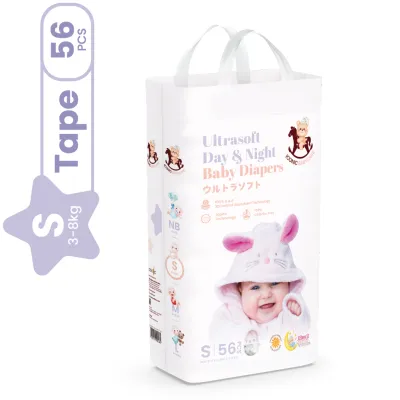
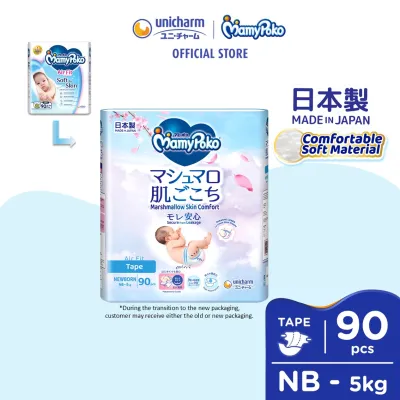
Products mentioned in this guide
![[CARTON] Hoppi AirDream Baby Diaper Tape NB66/S56/M48/L40 (4 Packs) 2mm Ultracore Technology](https://img.lazcdn.com/g/p/e1f5826d490973886d04d649b7b51f4b.jpg_400x400q80.jpg_.webp)
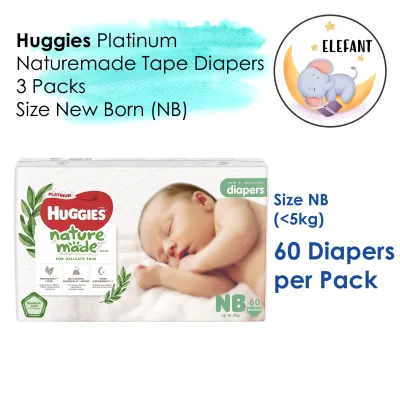
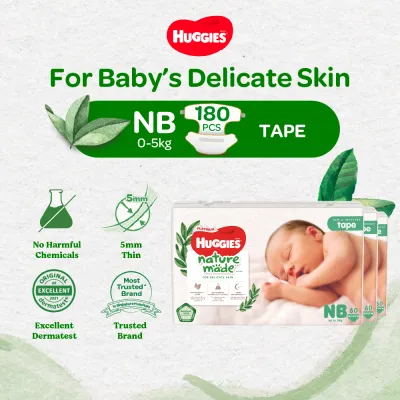
![[Bundle of 3] NEW Pampers Diaper Premium Care Tape NB(60x3 - 180 pcs) - Newborn Baby Diaper (0-5kg)](https://img.lazcdn.com/g/p/f162a241086e717a78a89aa10b457206.jpg_400x400q80.jpg_.webp)
![Mamypoko Airfit Japan Tape & Pants [Carton Sales] - NB to XXL sizes](https://img.lazcdn.com/g/p/c0b1edea94375e8da7368b87443b1644.jpg_400x400q80.jpg_.webp)
Prices are valid at publication and may change. Please refer to the product page for the latest price.
Before purchasing large quantities or bulk boxes, it is highly recommended to test small trial packs. Every baby has a unique body shape and skin sensitivity level, meaning a diaper that works excellently for one infant might cause leaks or rashes on another. Buying a single pack first allows you to observe how the materials interact with your baby’s skin and whether the leg cuffs provide an adequate seal without causing red marks.
Comparing Absorbency and Skin Protection Features
The core of any modern disposable diaper relies on Super Absorbent Polymers (SAP) mixed with wood pulp to lock away liquid. When evaluating different options in Singapore, check the packaging for descriptions of the absorbent core structure, such as channel designs or layered polymer sheets. These designs are engineered to distribute liquid evenly across the diaper, preventing sagging and keeping the wetness away from your baby’s skin.

Dermatological testing claims and hypoallergenic labels are common on premium diaper packaging, but these terms are not universally standardized. Parents should treat these labels as a helpful starting point rather than an absolute guarantee of safety. The true test of a diaper’s compatibility with your baby’s skin is daily observation; look for any signs of localized redness, warmth, or small bumps after a few days of continuous use.
A reliable wetness indicator is an essential feature for newborn care, as it eliminates the need to undo the diaper tabs constantly to check for wetness. This indicator is typically a thin line on the outside of the diaper that changes color, often from yellow to blue, when exposed to moisture. When comparing brands, verify that the indicator runs fully from the front to the back of the diaper, allowing you to check for wetness even when your baby is dressed or sleeping on their stomach.
Assessing Fit and Comfort for Newborn Bodies
A newborn’s physical proportions require specific design accommodations, particularly around the belly button. During the first few weeks of life, the umbilical cord stump must remain clean, dry, and free from friction to prevent irritation or infection. Many specialized newborn diapers feature a curved umbilical cord cutout at the front waistband, or a highly flexible fold-down design that keeps the material safely below the navel area.
Leg cuffs and waistbands must strike a delicate balance between security and comfort. The elastic gathers around the thighs, often referred to as double leak guards, need to fit snugly enough to contain explosive liquid stools without digging into the baby’s skin. When changing your baby, inspect the thighs and waist; if you notice deep red indentations or elastic marks, the diaper is either fastened too tightly or the baby is ready for a different fit profile.
Sizing guidelines vary significantly between manufacturers, and the label “Newborn” or “NB” does not represent a uniform size across all brands. Some brands design their newborn size for babies up to 5 kilograms, while others cap the limit at 4 kilograms or extend it to 6 kilograms. Always check the specific weight range printed in kilograms on the side of the box rather than relying solely on the age recommendation or the generic size name.
Evaluating Cost-Per-Diaper and Purchasing Value
To understand the true financial impact of your diaper choice, you must calculate the exact cost-per-diaper rather than comparing overall pack prices. This is done by dividing the total retail price of the pack by the exact number of diapers contained inside. In Singapore, this unit price can range from approximately S$0.20 to over S$0.50 per diaper, depending on the brand tier, material sourcing, and retail outlet.
While buying large bulk boxes or multi-pack cartons often reduces the unit cost, doing so before your baby is born can lead to unnecessary waste. Newborns grow at an incredibly rapid pace, often outgrowing the initial size within three to six weeks. If you purchase multiple bulk boxes of newborn diapers in advance, you may find yourself with leftover packs that your baby can no longer wear comfortably.
To maximize value without overcommitting, parents can monitor official brand stores and major online marketplaces in Singapore for promotions, subscription discounts, or bundle deals. Many authorized distributors offer trial kits or sample packs for a nominal fee or even free upon registration. Utilizing these sample programs allows you to test various brands side-by-side, helping you identify the most cost-effective option that still meets your standards for absorbency and fit.
Decision Framework: Matching Diaper Profiles to Your Baby
Selecting the right diaper profile depends heavily on your baby’s unique skin sensitivity and your household budget. If your newborn has highly sensitive skin, is prone to redness, or has a family history of eczema, prioritizing premium diaper profiles is often the most practical path. These options typically feature organic cotton top-sheets, pH-balanced inner liners, and are free from added fragrances, which helps minimize the risk of contact dermatitis.
For babies with standard skin sensitivity, choosing a high-absorbency diaper with robust leak guards offers excellent value. These standard profiles focus their design on maximizing polymer distribution and elastic security, providing reliable blowout protection at a lower cost-per-diaper. This allows families to maintain a practical budget while ensuring the baby remains dry and comfortable throughout the day and night.
Finally, always monitor your baby’s physical growth in relation to the diaper’s performance. If you notice that the diaper tabs are difficult to fasten near the front hips, or if leaks become more frequent despite proper application, your baby is likely approaching the upper weight limit of the newborn size. In these scenarios, transitioning to Size 1 or Small diapers is the most effective solution, even if the baby’s weight is technically still within the manufacturer’s stated newborn range.
Frequently Asked Questions (FAQ)
How many newborn diapers should I stock up on before birth?
Newborns typically require between 8 to 12 diaper changes per day during their first few weeks of life. Given this high frequency, stocking up on one or two standard packs of newborn diapers before your baby arrives is generally sufficient. Avoid purchasing more than this initial amount, as your baby may grow out of the newborn size quickly, or you may discover that the specific brand does not fit your baby’s body shape well. Keep receipts for any unopened packs in case you need to exchange them for a larger size.
When is the right time to size up from newborn diapers?
The most reliable indicators that it is time to transition to a larger diaper size are physical fit and performance rather than weight alone. If you experience frequent leaks, find that the diaper waistband sits well below the belly button, or notice red elastic marks on your baby’s thighs, it is time to size up. Additionally, if the fastening tape tabs must be secured at the very outer edges of the waistband to achieve a snug fit, your baby has outgrown the newborn size and requires the next size up for adequate coverage.

Community discussion
Share your experience or ask a question. Comments are reviewed before publication.