
Finding the right newborn diaper in Singapore involves evaluating how different brands accommodate your baby’s unique shape, skin sensitivity, and your household budget. While Pampers, Huggies, and Mamy Poko are household names, no single diaper performs identically for every infant. A diaper that fits one baby perfectly might cause leaks or red marks on another due to subtle differences in leg cuff elasticity, waistband height, and core design.
To make the best choice, parents must look beyond brand popularity and focus on observable design features, material specifications, and cost-per-unit calculations. By understanding how to evaluate absorbency structures, fit indicators, and pricing models, you can systematically identify the diaper that keeps your newborn dry and comfortable. This guide establishes a practical framework for comparing these three leading brands based on real-world performance checks and structural features.
Baseline Requirements for Newborn Diapers
Newborn babies have highly specific physical needs that demand specialized diaper designs. During the first few weeks of life, an infant’s skin is exceptionally thin and sensitive, making it highly susceptible to irritation from friction and trapped moisture. Additionally, the healing umbilical cord stump requires careful protection; friction from a standard diaper waistband can cause discomfort or delay healing.
Products mentioned in this guide
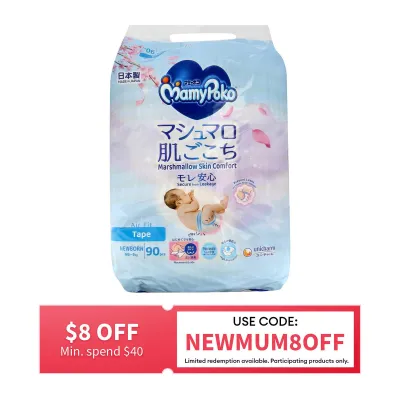
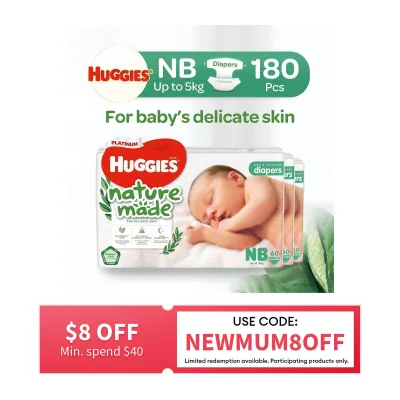
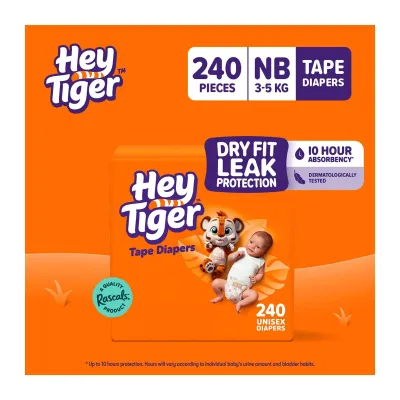
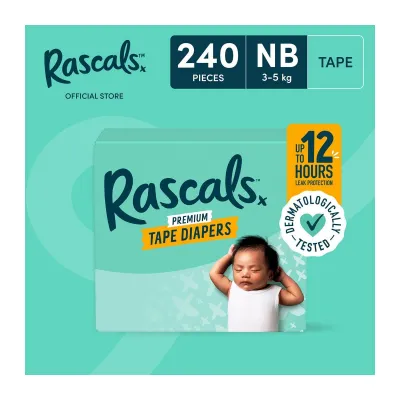
Prices are valid at publication and may change. Please refer to the product page for the latest price.
Another critical factor is the nature of newborn bowel movements. Breastfed and formula-fed infants produce frequent, loose, and runny stools that can easily escape a poorly designed diaper. Consequently, a newborn diaper must prioritize immediate moisture absorption and secure containment over long-term high-capacity storage.
When examining diaper packaging, look for weight guidelines rather than age recommendations. Most newborn sizes are designed for babies weighing up to 5 kilograms, but some brands offer specialized sizes for smaller or premature infants. Check the packaging for specific design callouts, such as an umbilical cord cutout or a curved waistband, which physically prevents the diaper from rubbing against the navel area.
Additionally, verify whether the packaging indicates the presence of wetness indicators—lines that change color when wet—and double leg cuffs. These baseline features provide the foundation for comparing how Pampers, Huggies, and Mamy Poko address the daily realities of newborn care.
Evaluating Absorbency and Leak Protection
Absorbency is the primary defense against diaper rash and clothing changes. When comparing Pampers, Huggies, and Mamy Poko, look closely at the structural design of the inner core as described on the packaging. Some brands utilize a structured channel design to distribute liquid evenly, while others rely on a uniform absorbent pad. A channel design can help prevent the diaper from sagging and clumping when full, which is particularly useful for maintaining a close fit as the baby moves.

For containing runny newborn stool, inspect the back waistband of the diaper. Many modern designs feature a pocketed waistband or a raised barrier at the back. This structural pocket acts as a physical catch, preventing liquid stool from migrating up the baby’s back during bowel movements—a common occurrence known as a blowout. When evaluating these brands, check if the specific product line includes this rear pocket or a similar containment barrier.
Leak protection also depends heavily on the design of the leg gathers. Double-layered leg cuffs, often referred to as leak guards, should sit snugly in the groin creases. To check their effectiveness, observe where leaks occur during daily use. If moisture consistently escapes from the sides, the leg cuffs may lack sufficient elasticity or may not have been properly flared outward during fastening.
While manufacturers often advertise up to 12 hours of dryness, newborn care typically requires diaper changes every two to three hours, regardless of the brand’s maximum capacity. For overnight use, compare the thickness and core specifications of each brand’s premium lines versus their standard lines. Premium tiers often feature faster absorption rates, which keep moisture away from the skin during longer sleep intervals.
Assessing Fit, Comfort, and Skin Sensitivity
A diaper’s fit directly influences both leak prevention and baby comfort. When comparing Pampers, Huggies, and Mamy Poko, pay close attention to the stretchiness of the side panels and fastening tabs. Highly elastic side panels allow the diaper to expand and contract as the baby’s stomach rises and falls with breathing, ensuring a secure fit without restricting movement.
The elasticity of the leg cuffs is equally important. The cuffs must be soft enough to prevent chafing yet firm enough to maintain a seal against the skin. If you notice deep red marks or indentations on your baby’s thighs or waist after removing a diaper, the fit is too tight, indicating it may be time to adjust the fastening tabs outward or transition to a larger size.
Skin sensitivity is a paramount concern for newborns, whose skin barrier is still developing. Review the ingredient list and material descriptions on the packaging of each brand. Parents of babies with highly sensitive skin often prefer fragrance-free and lotion-free options to minimize the risk of contact dermatitis. Some product lines incorporate natural materials or organic cotton in the top sheet, which can offer a softer texture against delicate skin.
Breathability is another critical factor, especially in Singapore’s warm and humid climate. Look for packaging claims regarding micro-pores or breathable outer covers that allow heat and moisture vapor to escape while keeping liquid contained. To verify breathability during use, check if the baby’s skin feels excessively damp or hot immediately after removing a diaper that is only slightly wet.
Calculating Value and Cost per Diaper
Evaluating the financial aspect of diapering requires looking past the retail price of a single pack. Because pack sizes vary significantly between brands and product tiers, the only reliable metric for comparison is the cost per diaper. To calculate this, divide the total price of the pack by the number of diapers inside. For example, a pack costing S$24 containing 60 diapers results in a unit cost of S$0.40 per diaper.
Over the course of a month, a newborn can easily use 240 to 300 diapers, meaning small differences in unit cost accumulate rapidly. To optimize value, explore purchasing options beyond standard retail stores. Bulk buying through online marketplaces or subscribing to recurring delivery services often unlocks significant discounts and free shipping, lowering the overall cost per unit.
Keep in mind that promotional bundles and seasonal sales on ecommerce platforms can temporarily make premium diaper lines more affordable than standard lines. It is wise to monitor these platforms and calculate the unit cost during sales events to stock up on preferred brands at a lower price point.
However, the cheapest diaper does not always deliver the best overall value. If a lower-priced diaper has lower absorbency, you may find yourself changing the baby more frequently or dealing with regular laundry costs from leaks and blowouts. Conversely, a slightly more expensive, highly absorbent diaper that keeps the baby dry longer might reduce the total number of diapers used daily, ultimately proving more cost-effective.
Decision Framework: Choosing the Right Brand
To choose the right brand for your newborn, establish a decision framework based on your baby’s physical build, skin sensitivity, and your budget. If your baby has a rounder build with chubby thighs, look for a brand known for highly elastic leg cuffs and generous side panels to prevent red marks. If your baby is long and lean, a brand with a narrower crotch design and a higher waistband may provide a more secure fit.
For households prioritizing budget without compromising on skin health, a practical strategy is to use a highly absorbent, premium diaper for overnight sleep and a more economical, standard diaper during the day when changes are more frequent. This hybrid approach balances cost while ensuring your baby remains comfortable during longer sleep stretches.
Before committing to bulk purchases or long-term subscriptions, utilize trial packs or request samples directly from manufacturer websites. Testing a small quantity of Pampers, Huggies, and Mamy Poko allows you to observe how each diaper performs on your baby’s unique body shape and skin type without financial risk.
If you observe persistent diaper rash, frequent leaks, or skin irritation that does not improve with regular changes and barrier creams, stop using the current brand immediately. Switch to a fragrance-free, hypoallergenic alternative, and consult a pediatrician if the skin issues persist or worsen.
Frequently Asked Questions (FAQ)
How many newborn diapers should I stock up on before birth?
It is generally advisable to avoid stocking up on too many newborn-sized diapers before your baby arrives. Newborns grow at an incredibly rapid pace, often outgrowing the newborn size (typically up to 5 kilograms) within the first three to six weeks. A safe starting point is to purchase one or two packs of newborn diapers, which will easily cover the first week or two of life when babies require 10 to 12 changes per day. Keeping a pack of size 1 diapers on hand ensures you are prepared for a sudden growth spurt without having wasted money on outgrown sizes.
When is the right time to switch from newborn to size 1 diapers?
The transition from newborn to size 1 diapers is indicated by physical fit and performance rather than age alone. While weight guidelines on the packaging provide a helpful baseline, you should size up if you experience frequent leaks or blowouts, or if the fastening tabs must be secured at the very outer edges of the waistband. Other clear signs include deep red marks on your baby’s thighs or tummy, or if the diaper’s waistband sits significantly below the belly button, indicating the rise is too short.
Community discussion
Share your experience or ask a question. Comments are reviewed before publication.