
Choosing the right Little Blossom products for your baby’s weaning journey depends entirely on matching their current physical developmental milestones with the specific texture, ingredient complexity, and age recommendations printed on the product packaging. Because every infant progresses at an individual pace, parents should look beyond age labels alone and actively observe physical readiness cues before introducing new food formats. By aligning these developmental signs with the brand’s progressive product stages—ranging from smooth, single-ingredient purees to chunkier toddler meals—you can support a safe, gradual, and nutritionally balanced transition to solid foods.
Stage 1: First Tastes and Smooth Textures
Before introducing any solid foods, caregivers must observe specific physical milestones that indicate a baby’s digestive system and motor skills are ready. A primary sign of readiness is the ability to sit upright with minimal support and maintain excellent head and neck control. This physical stability is crucial for safe swallowing and reducing the risk of choking during early feeding sessions.
Another critical developmental milestone is the gradual disappearance of the tongue-thrust reflex. This natural reflex causes young infants to automatically push solid objects out of their mouths with their tongue to prevent choking on non-liquid substances. Once this reflex diminishes, your baby will be physically capable of keeping a small spoonful of smooth puree in their mouth and successfully moving it to the back of their throat to swallow.
Products mentioned in this guide
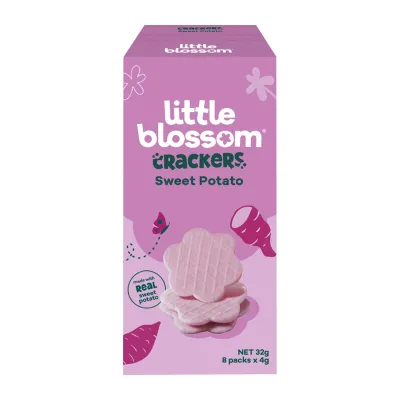
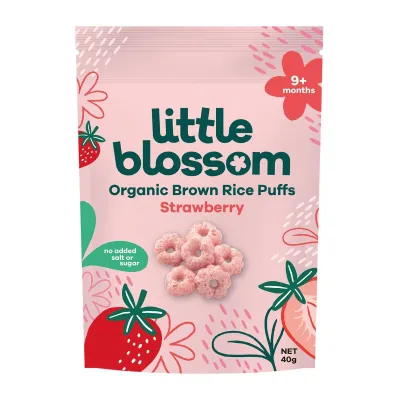
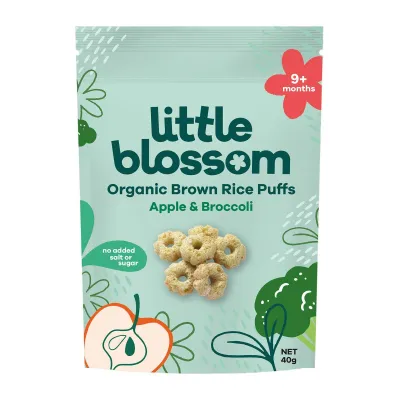
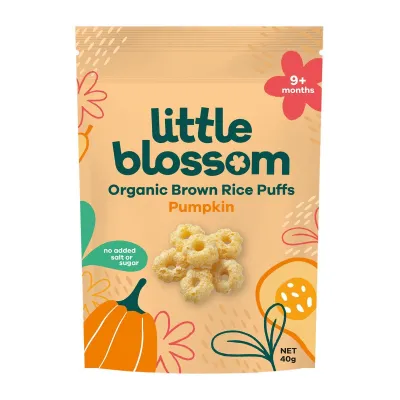
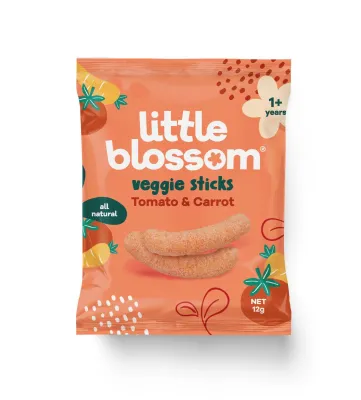
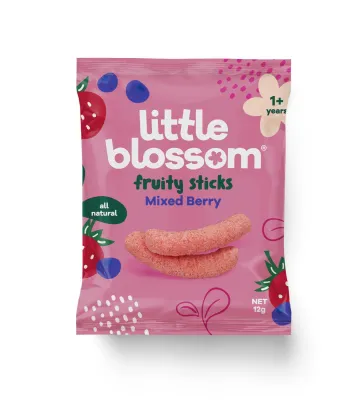
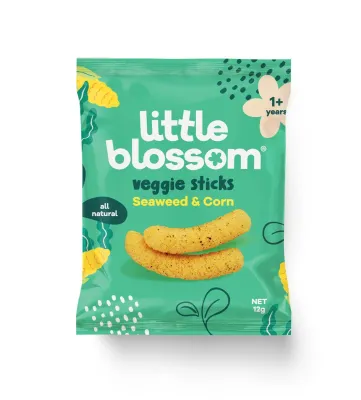
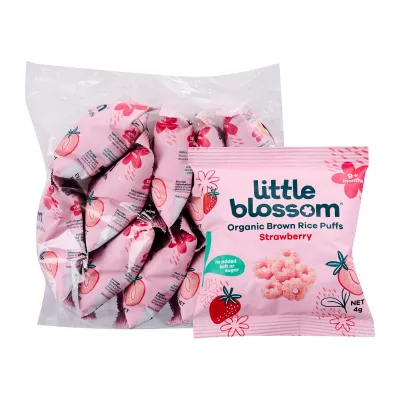
Prices are valid at publication and may change. Please refer to the product page for the latest price.
When browsing Little Blossom products for this initial phase, parents should look for clear Stage 1 indicators on the packaging. These products are typically characterized by completely smooth, homogeneous purees and single-ingredient profiles. Single-ingredient options are highly recommended for early weaning because they allow you to introduce new flavors one at a time, making it much easier to monitor your baby for any adverse reactions or food sensitivities.
The nutritional focus during this first phase of weaning centers heavily on introducing iron-rich foods. Around six months of age, an infant’s natural iron stores begin to deplete, making dietary iron intake increasingly important. When selecting introductory products, carefully inspect the ingredient list on the back of the packaging to verify that the contents align with your baby’s nutritional needs and contain no added salt, sugar, or artificial preservatives.
Stage 2: Exploring Textures and Mixed Flavors
As your baby becomes comfortable with basic swallowing, they will begin to show signs of readiness for more complex textures and flavor combinations. You may notice your baby making active chewing motions with their jaws, even before their first teeth fully emerge. They will also begin to easily swallow thicker purees without spitting them out, signaling that their oral motor skills are advancing.

During this second stage, the goal is to transition from completely smooth liquids to thicker mashes and soft, tiny lumps. Little Blossom Stage 2 products are designed to support this transition by offering multi-ingredient blends and slightly textured consistencies. These products encourage your baby to use their tongue to move food around their mouth, which helps develop the muscle strength required for chewing more complex foods later on.
Stage 2 is also an excellent time to introduce gentle proteins and a wider variety of fruits, vegetables, and grains. When selecting these multi-ingredient options, always check the product label to identify every component in the blend. This careful verification ensures you do not accidentally introduce multiple new ingredients simultaneously, which can complicate the identification of potential food sensitivities.
Managing allergen introduction is a critical safety consideration during this phase of weaning. Common allergens, such as soy, wheat, dairy, or fish, should be introduced systematically and in small quantities while closely monitoring your baby. Before serving any multi-ingredient product, read the packaging thoroughly for allergen warnings, bolded ingredient listings, and cross-contamination statements to ensure the food is safe for your baby’s current stage.
Stage 3: Chunkier Meals and Toddler Transitions
By the time your baby reaches the later stages of infancy, they will require chunkier textures and bite-sized pieces to support their developing chewing skills. You will likely observe them attempting to grasp small objects using their thumb and index finger, a milestone known as the pincer grasp. This physical development indicates that they are ready to practice self-feeding with soft finger foods and thicker, structured meals.
Selecting appropriate Stage 3 or toddler options involves looking for products that offer complex flavor profiles and distinct, chewable pieces. These meals should provide a balanced combination of macronutrients, including high-quality proteins, healthy fats, and complex carbohydrates, to support your toddler’s rapid growth and high energy levels. The textures should be soft enough to be easily mashed between your baby’s gums or emerging teeth, yet firm enough to encourage active chewing.
In a busy urban environment, balancing the convenience of packaged toddler meals with fresh, home-cooked family foods is a common challenge for parents. Packaged options provide an excellent, time-saving solution for meals on the go or busy weekdays, but they should ideally complement a diet rich in fresh, whole foods. Introducing your toddler to modified versions of the meals the rest of the family eats helps them adapt to diverse textures and family eating habits.
When incorporating commercial toddler meals into your routine, it is essential to read the nutrition information panel on the packaging. Pay close attention to the sodium and added sugar levels, as young children have very low daily limits for these ingredients. Choosing products with minimal sodium and no added sugars helps protect your toddler’s developing kidneys and fosters a preference for natural, wholesome flavors.
Essential Label Checks and Feeding Safety
To ensure a safe and successful feeding experience, caregivers must establish a consistent routine of checking product labels before every meal. Do not rely solely on the front-of-pack marketing or product names; instead, turn the packaging over to verify the age recommendations, detailed texture descriptions, and allergen warnings. This systematic check helps prevent the accidental introduction of textures that are too advanced or ingredients that your baby is not yet ready to digest.
Proper storage, reheating, and handling practices are vital to prevent foodborne illness, especially in warm, humid climates. If you are using Little Blossom pouches, jars, or frozen meals, strictly follow the manufacturer’s storage instructions printed on the packaging. For instance, once a pouch or jar is opened, it must be refrigerated immediately and consumed within the timeframe specified by the manufacturer, which is typically within 24 to 48 hours.
When reheating baby food, always transfer the desired portion to a clean, heat-safe bowl rather than heating a pouch directly in the microwave, unless the packaging explicitly states it is safe to do so. Stir the warmed food thoroughly to eliminate any hot spots that could burn your baby’s mouth, and always test the temperature on the inside of your wrist before serving. To prevent bacterial growth, never save or reserve food that has been partially eaten and contaminated with your baby’s saliva; discard any leftovers from the feeding bowl immediately.
Finally, caregivers must remain highly vigilant during every feeding session and know when to stop and seek professional guidance. If your baby exhibits signs of food intolerance, such as sudden vomiting, diarrhea, skin rashes, or facial swelling, stop feeding immediately and consult a pediatrician. Additionally, if your baby consistently gags excessively, chokes, or shows extreme distress when presented with a specific texture, it is a clear sign to pause, revert to a smoother consistency, and consult a healthcare professional to assess their developmental readiness.
Frequently Asked Questions (FAQ)
Can I mix Little Blossom pouches with my baby's homemade food?
Yes, you can safely mix packaged purees with homemade baby food to adjust the texture, consistency, or flavor profile to match your baby’s current developmental stage. For example, mixing a smooth commercial puree into a slightly thicker, homemade oat mash can help ease the transition to more complex textures. However, when combining foods, ensure you are not introducing multiple new ingredients at the same time, and avoid mixing products that contain duplicate ingredients to prevent overfeeding or nutritional imbalances. Always practice strict hygiene when mixing foods, and discard any uneaten portions promptly.
How do I know if a Little Blossom product is too advanced for my baby?
You can determine if a product is too advanced by closely observing your baby’s physical reactions during feeding. Signs of a texture mismatch include persistent gagging, spitting out the food repeatedly, coughing, or showing clear signs of distress and refusing to open their mouth. While mild gagging can be a normal part of learning how to manage solids, frequent or severe gagging indicates that the texture is too complex for their current oral motor skills. If this occurs, immediately stop serving that product, temporarily revert to a smoother, simpler texture that your baby can easily manage, and consult your pediatrician if you have ongoing concerns about their swallowing development.

Community discussion
Share your experience or ask a question. Comments are reviewed before publication.