
Nature Love Mere detergent is a popular choice among parents looking for gentle laundry care, but verifying its safety for your baby requires looking closely at the specific formulation on the bottle. Because infant skin is significantly thinner and more permeable than adult skin, even plant-derived ingredients can sometimes trigger sensitivity. To ensure it is safe for your little one, you must evaluate the active surfactants, preservatives, and fragrance options listed on the physical packaging of the specific product variant you purchase.
In Singapore’s warm, humid climate, babies sweat frequently, which can exacerbate skin friction against clothing fibers. This makes choosing a residue-free, non-irritating detergent crucial for preventing heat rash and contact dermatitis. By understanding how to read the ingredient list and what components to avoid, you can make an informed decision that protects your baby’s delicate skin barrier.
How to Verify the Ingredient List for Nature Love Mere Detergent
When purchasing Nature Love Mere detergent, the physical product label is your most reliable source of truth. Manufacturers frequently update their formulations to improve performance or comply with changing safety standards, meaning online product descriptions may not always reflect the exact bottle in your hands. Look for the full ingredient disclosure, which is often listed using International Nomenclature Cosmetic Ingredient (INCI) names. Because this brand originates from South Korea, some packaging may feature Korean text; in such cases, look for an English translation sticker provided by the official distributor or importer.
Products mentioned in this guide
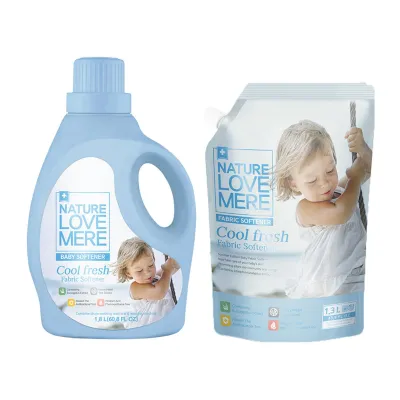
Prices are valid at publication and may change. Please refer to the product page for the latest price.
If the physical label is difficult to read or lacks a clear English translation, navigate to the brand’s official website or authorized retail pages in Singapore. Reputable distributors typically provide detailed component breakdowns and translations of the ingredient list. Be cautious of third-party e-commerce listings, as they may host outdated or incomplete information.
Always cross-reference the batch number on your bottle with any official manufacturer updates if you suspect a formula change. Because baby skin is highly sensitive, taking a few minutes to verify the exact chemical makeup of each new purchase helps prevent unexpected skin reactions.
Key Ingredient Categories to Evaluate for Baby Safety
To determine if a detergent is truly safe for your baby, you must categorize and evaluate its active components. The primary cleaning agents in any laundry detergent are surfactants, which lower the surface tension of water to help lift dirt and oils from fabrics. For infant clothing, look for mild, plant-derived surfactants, such as those derived from coconut or corn (like coco-glucoside or lauryl glucoside), which clean effectively without stripping the natural lipid barrier of your baby’s skin.

In contrast, harsh synthetic surfactants like sodium lauryl sulfate (SLS) or sodium laureth sulfate (SLES) can sometimes leave residues that irritate delicate skin. While these synthetic options create abundant foam, high foaming action does not equate to better cleaning and can be harder to rinse out completely. Non-ionic surfactants are generally preferred for baby laundry because they tend to be gentler and rinse away more cleanly than anionic alternatives.
Fragrances and artificial dyes are among the most common triggers for pediatric contact dermatitis. Even natural essential oils can contain allergens like limonene or linalool that irritate sensitive skin. Opting for unscented and dye-free formulations is generally the safest approach, especially during the first few months of life when the skin barrier is still developing.
Preservatives are necessary in liquid detergents to prevent the growth of harmful bacteria and mold, but some can be highly irritating. Avoid products containing formaldehyde-releasers, parabens, or methylisothiazolinone (MIT). Enzymes are excellent for breaking down organic baby stains like milk, spit-up, and diaper leaks, but they can occasionally leave active residues on fibers; if your baby has eczema, you may need to choose an enzyme-free formula or run an extra rinse cycle.
Decoding Baby-Safe Claims and Certifications
Detergent packaging is often covered in appealing marketing terms like “natural,” “organic,” “gentle,” or “eco-friendly.” It is important to understand that many of these buzzwords are unregulated and do not guarantee that a product is completely safe for your baby’s skin. A product labeled “natural” can still contain plant-derived ingredients that trigger allergic reactions or contact dermatitis.
Instead of relying solely on marketing claims, look for standardized, verifiable testing marks on the packaging. Certifications from recognized dermatological institutes, such as Germany’s Dermatest or other independent clinical testing bodies, indicate that the product has undergone controlled skin compatibility trials. Hypoallergenic labels suggest the formula is free from common known allergens, but they do not offer an absolute guarantee of safety.
Every baby’s skin is unique, and a detergent that is perfectly safe for one infant might cause a reaction in another. Certifications serve as a helpful screening tool to narrow down your choices, but they cannot replace careful observation. Always prioritize how your baby’s skin actually responds to the washed clothing over any seal of approval on the bottle.
Monitoring Skin Reactions and When to Discontinue Use
When introducing a new detergent like Nature Love Mere to your baby’s laundry routine, close observation is essential. Contact dermatitis in infants typically presents as localized redness, dry or rough patches, tiny bumps, or a flaky rash on areas of the skin that have direct contact with clothing. You might also notice unexplained fussiness or scratching, particularly after your baby wears freshly washed garments or lies on freshly laundered bedding.
To minimize risk, conduct a preliminary wash test before laundering your baby’s entire wardrobe with a new detergent. Wash a single, non-essential item, such as a small washcloth or a single sleepsuit, and have your baby wear or use it for a few hours. Monitor the contact area closely over the next 24 to 48 hours for any signs of irritation or discomfort.
If you observe any redness, swelling, or signs of skin irritation, stop using the detergent immediately. Re-wash all affected clothing in plain, warm water or a previously tolerated detergent to remove any lingering chemical residues. If the rash persists, spreads, causes significant distress, or shows signs of infection, consult a pediatrician or a qualified dermatologist promptly for professional guidance.
Frequently Asked Questions (FAQ)
Is it necessary to use a dedicated baby detergent for all infant items?
Using a dedicated baby detergent is highly recommended, especially during the first year, but the necessity depends largely on your baby’s individual skin sensitivity. Infants with pre-existing skin conditions like eczema or extremely dry skin require highly specialized, fragrance-free formulas to prevent painful flare-ups. If your baby has normal skin, you might eventually transition to a mild, fragrance-free, family-wide detergent, provided it is free from harsh dyes and optical brighteners.
You must also balance skin sensitivity with the cleaning power required for heavy organic stains. Baby detergents are formulated to target protein-based stains like milk and baby food while remaining gentle on skin. If you choose to use a standard family detergent, ensure it is thoroughly rinsed from the fabric by utilizing an extra rinse cycle on your washing machine.
Can I use fabric softeners with Nature Love Mere detergent?
It is generally best to avoid using fabric softeners when washing baby clothes, regardless of the detergent brand you choose. Fabric softeners work by leaving a thin, chemical coating over the fabric fibers to make them feel softer. This residue can trap moisture and heat against your baby’s skin, increasing the risk of irritation, heat rash, and contact dermatitis in Singapore’s humid climate.
Furthermore, this chemical coating can significantly reduce the flame-resistant properties of infant sleepwear, posing a safety hazard. The synthetic fragrances and preservatives commonly found in liquid softeners and dryer sheets are also major skin irritants. To keep baby clothes soft safely, consider using a wool dryer ball or simply running an extra rinse cycle to ensure all detergent residue is completely removed.

Community discussion
Share your experience or ask a question. Comments are reviewed before publication.