
Evaluating the safety of any baby laundry product, including Nature Love Mere, requires looking past the charming packaging and diving straight into the ingredient list. For a newborn with an immature skin barrier, even minor chemical residues left on fabric fibers can trigger irritation or contact dermatitis. While Nature Love Mere is widely marketed as a gentle, plant-based option for infants, its safety for your specific newborn depends entirely on the exact formulation of the bottle in your hand and your baby’s unique skin tolerance.
Because formulations can change, vary by batch, or differ depending on whether you purchased an official import or a parallel-imported version in Singapore, there is no single, permanent ingredient list that applies to every bottle. To ensure your newborn’s safety, you must learn how to locate, read, and verify the ingredients on your specific product packaging, cross-referencing them against known dermatological irritants before the first wash.
How to Read the Nature Love Mere Ingredient Label for Newborns
To verify what is actually inside your bottle of Nature Love Mere detergent, locate the full ingredient list, which is typically printed on the back label of the bottle or refill pouch. If you are purchasing the product online through a local Singapore retailer, do not rely solely on the brief product descriptions or bullet points on the storefront. Instead, seek out a high-resolution image of the back label or visit the manufacturer’s official website to view the complete, updated ingredient declaration.
Products mentioned in this guide
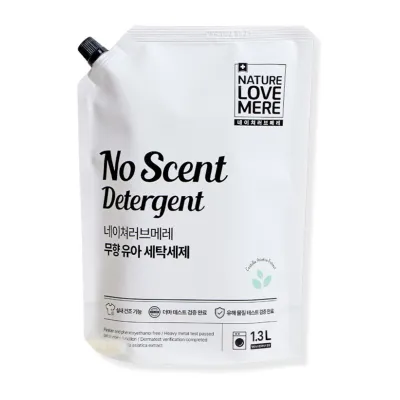
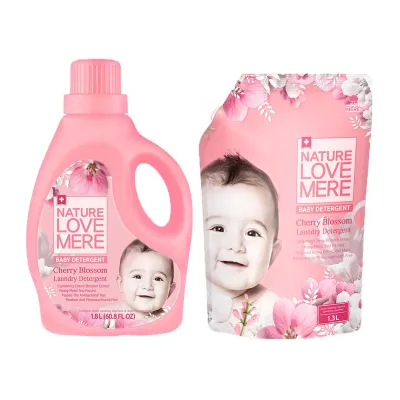
Prices are valid at publication and may change. Please refer to the product page for the latest price.
When reading the label, ingredients are generally listed in descending order of concentration. The primary components will be water and the main cleaning agents, known as surfactants. Further down the list, you will find secondary additives such as pH adjusters, thickeners, enzymes, preservatives, and potentially fragrances or plant extracts. Identifying these distinct categories allows you to isolate which ingredients are doing the actual cleaning and which are merely serving cosmetic or preservation purposes.
It is crucial to remember that manufacturers frequently update their formulations to improve shelf life, performance, or sourcing costs. A bottle of Nature Love Mere purchased today may not share the exact same chemical profile as one purchased a year ago. Always check the physical packaging of the specific batch you have in your home before allowing the washed fabric to touch your newborn’s skin.
If you find that the ingredient list on the packaging is incomplete, written entirely in a foreign language without an English translation sticker, or otherwise unclear, do not make assumptions about its safety. Your best course of action is to contact the manufacturer or the authorized Singapore distributor directly to request a complete Safety Data Sheet (SDS) or a full English ingredient disclosure. If a brand or distributor cannot provide a clear, transparent list of ingredients, it is safer to choose an alternative product with fully disclosed components.
Which Detergent Ingredients Are Safe or Risky for Sensitive Skin?
Understanding the chemical functions of common baby detergent ingredients helps you evaluate the Nature Love Mere label with confidence. Newborn skin is up to 30% thinner than adult skin, meaning it absorbs topical substances more easily and loses moisture rapidly, making it highly susceptible to chemical irritants.

Generally Recognized Safe Ingredients
When scanning a baby detergent label, look for mild, plant-based or gentle synthetic surfactants that effectively lift dirt and oils without stripping the skin’s delicate lipid barrier. Common examples of gentle cleaning agents include:
- Coco-Glucoside, Decyl Glucoside, and Lauryl Glucoside: These are non-ionic surfactants derived from coconut, palm, or corn glucose. They are exceptionally mild, biodegradable, and highly tolerated by sensitive skin.
- Sodium Cocoyl Glutamate: An amino acid-based surfactant that provides gentle cleansing action without causing dryness.
- Glycerin: A natural humectant that acts as a fabric conditioning agent. It helps keep fibers soft and pliable without leaving behind the heavy, synthetic chemical coatings associated with traditional fabric softeners.
While these ingredients are widely recognized as low-risk and gentle, safety is always relative to the individual child. Even the mildest plant-derived ingredients can occasionally trigger an idiosyncratic reaction in a highly sensitive newborn or a baby with an compromised skin barrier, such as active eczema.
Ingredients to Watch Out For
To protect your newborn’s skin, you should actively screen any baby detergent label for several classes of common irritants and sensitizers:
- Synthetic Fragrances and Essential Oils: Added scents are among the leading causes of allergic contact dermatitis in infants. Even natural essential oils (like lavender, eucalyptus, or citrus oils) contain volatile organic compounds that can sensitize newborn skin and irritate developing airways.
- Optical Brighteners and Dyes: Optical brighteners are synthetic chemicals designed to adhere to fabric fibers and reflect blue light, making clothes appear whiter and brighter. They do not aid in cleaning, do not rinse out easily, and remain in constant contact with your baby's skin, presenting a high risk of irritation.
- Harsh Preservatives: Liquid detergents require preservatives to prevent the growth of harmful bacteria, mold, and yeast. However, highly sensitizing preservatives like methylisothiazolinone (MIT), methylchloroisothiazolinone (CMIT), and formaldehyde-releasing agents should be strictly avoided, as they are notorious for triggering severe skin reactions.
- Strong Sulfates: Surfactants like Sodium Lauryl Sulfate (SLS) and Sodium Laureth Sulfate (SLES) are highly effective foaming agents, but they can be overly stripping. If they are not completely flushed from fabric fibers during the rinse cycle, they can cause dryness, itching, and redness on newborn skin.
Decoding "Hypoallergenic" and "Baby-Safe" Marketing Claims
When shopping for Nature Love Mere or any other baby detergent in Singapore, you will encounter numerous marketing claims on the front of the bottle. Understanding what these terms actually mean—and what they do not mean—is essential for making an objective, safety-first decision.
The term “hypoallergenic” is not a legally defined or standardized medical term. When a brand labels its detergent as hypoallergenic, it simply means the product has been formulated to minimize the likelihood of an allergic reaction, typically by omitting common allergens like strong dyes or heavy perfumes. It is not a guarantee that the product is 100% allergy-proof, nor does it mean your newborn is completely immune to experiencing a localized skin reaction from one of its ingredients.
Similarly, there is a distinct difference between a product that is “dermatologically tested” and one that is clinically proven safe for newborns. A “dermatologically tested” label merely indicates that the product was applied to human skin (often adult volunteers) under the supervision of a dermatologist to check for irritation. It does not provide details on the testing methodology, the concentration used, or whether the formula was evaluated on the highly vulnerable skin of infants. True pediatric or clinical safety claims require rigorous, independent clinical trials specifically designed for neonatal skin, which are rarely conducted for standard household laundry products.
To cut through marketing buzz, look for recognized, independent third-party certifications on the packaging. Organizations such as the US Environmental Working Group (EWG), Ecocert, or Germany’s Dermatest provide independent evaluations of cosmetic and household chemical safety. When verifying these claims, cross-reference the certification logo on the bottle with the issuing organization’s public database to confirm the product’s current standing and the specific criteria met.
Finally, do not fall into the trap of assuming that “natural,” “organic,” or “plant-derived” automatically translates to safe for newborn skin. Poison ivy is natural, yet it causes a severe skin reaction. Many botanical extracts, herbal distillates, and natural oils contain complex chemical structures that can act as potent allergens or irritants for an infant. Always judge a detergent by its specific, individual chemical ingredients rather than its natural marketing themes.
Safe Washing Practices to Protect Your Newborn's Skin
Even the mildest, highest-quality baby detergent can cause skin irritation if it is used incorrectly. To minimize the risk of chemical residues lingering on your newborn’s clothing, implement a highly disciplined, low-risk laundry routine.
First, always follow the manufacturer’s dosage instructions printed on the back of the Nature Love Mere packaging. Many parents mistakenly believe that using more detergent results in cleaner clothes, especially when dealing with stubborn diaper leaks or spit-up stains. In reality, excess detergent creates an abundance of suds that cannot be fully cleared by the washing machine’s standard cycles. This leaves a high concentration of surfactant residue trapped within the fabric fibers, which will rub directly against your baby’s skin.
To ensure all detergent residues are thoroughly flushed away, always program your washing machine to run an extra rinse cycle. This simple step is one of the most effective ways to protect sensitive skin, as it uses clean, fresh water to clear away any microscopic surfactant or soil particles that might have clung to the fabric during the primary wash cycle.
Before your newborn wears any newly purchased clothes, blankets, swaddles, or muslin squares, wash them thoroughly. New textiles are often treated with chemical sizing agents, starches, flame retardants, or anti-wrinkle finishes during manufacturing to keep them looking pristine on retail hangers. They also accumulate dust and handling residues during shipping and warehousing. A initial wash in a minimal amount of gentle baby detergent, followed by a thorough rinse, removes these factory chemicals before they can contact your infant’s skin.
Additionally, completely avoid the use of fabric softeners, dryer sheets, or scent boosters on any newborn laundry. Fabric softeners work by depositing a thin, chemical film (often containing quaternary ammonium compounds) over the fabric fibers to make them feel slick and soft. This chemical coating is a common skin irritant and significantly reduces the natural absorbency of cotton items like diapers and towels. Furthermore, fabric softeners can degrade the flame-resistant properties of infant sleepwear.
Managing laundry in Singapore’s hot, highly humid climate presents unique challenges. High humidity levels mean that line-dried clothes can take a long time to dry indoors, creating a prime breeding ground for mold, mildew, and bacteria. To prevent musty odors without relying on heavily scented detergents or chemical sanitizers, ensure your baby’s laundry is dried in a well-ventilated area with plenty of airflow, or utilize a mechanical clothes dryer. Never store baby clothes in drawers or closets if they feel even slightly damp, as mold spores can develop rapidly and cause severe respiratory and skin irritation.
Signs of Detergent Sensitivity and When to See a Doctor
Despite your best efforts, your newborn may still develop a sensitivity to a specific laundry detergent. Being able to recognize the early signs of a skin reaction allows you to intervene quickly and prevent the condition from worsening.
Monitor your baby closely for common visual and behavioral signs of contact dermatitis or detergent sensitivity, which typically present as:
- Localized Redness and Dryness: Red, dry, or rough patches of skin that appear primarily on areas in direct contact with clothing, such as the torso, arms, and thighs, while the diaper area (protected by the diaper itself) remains clear.
- Tiny Red Bumps or Hives: An itchy, raised rash that can appear suddenly after dressing your baby in freshly washed clothing.
- Increased Fussiness and Discomfort: Unexplained crying, restlessness, or rubbing of the limbs against blankets, which indicates that the fabric is causing physical itching or burning.
If you suspect your newborn is reacting to their laundry detergent, take immediate, low-risk action. Stop using the suspected detergent immediately. Gather all of the baby’s recently washed clothing, bedding, and towels, and re-wash them in plain, hot water without any detergent to strip away lingering residues, or switch to a basic, fragrance-free alternative that your baby has previously tolerated. Dress your baby only in loose-fitting, 100% organic cotton clothing that has not been treated with the suspected product.
During this time, do not attempt to self-diagnose the rash or apply over-the-counter medicated creams, such as hydrocortisone or antibacterial ointments, without direct professional guidance. Newborn skin is highly sensitive, and self-treating can mask symptoms, thin the skin, or cause secondary chemical reactions.
Consult your pediatrician or a pediatric dermatologist immediately if you observe any of the following red-flag symptoms:
- The rash spreads rapidly across multiple areas of the body or does not improve within a few days of stopping the detergent.
- The skin develops blisters, open sores, oozing, or yellow crusting, which are signs of a potential secondary bacterial infection.
- Your newborn develops a fever, appears unusually lethargic, or is in severe, inconsolable discomfort.
Frequently Asked Questions (FAQ)
Do I really need a special detergent for my newborn?
You do not necessarily need a product specifically branded for babies, but you do need a detergent that is exceptionally mild, fragrance-free, and dye-free. Many standard adult detergents contain heavy perfumes, optical brighteners, and industrial-strength surfactants designed to tackle heavy outdoor soils, which are far too harsh for a newborn’s delicate skin barrier. A mild, fragrance-free, and dye-free family detergent can often be used safely for the entire household’s laundry, saving you the hassle of running separate wash loads. However, if your newborn has a diagnosed skin condition like eczema, or if there is a strong family history of severe atopic dermatitis and allergies, using a dedicated, highly vetted baby detergent that is free of known sensitizers is highly recommended to minimize risk.
How should I patch test a new baby detergent?
Before washing your newborn’s entire wardrobe with a new detergent like Nature Love Mere, perform a simple, controlled patch test to evaluate skin compatibility. Wash a single, high-contact cotton item—such as a clean muslin square or a cotton onesie—using the new detergent, following the correct dosage and running it through your standard wash and extra rinse cycles. Once dry, place the item in direct contact with a small area of your baby’s healthy skin; for example, let them rest their cheek on the muslin square during feeding, or dress them in the onesie for a few hours. Observe the contacted skin area closely over the next 24 to 48 hours for any signs of redness, tiny bumps, dryness, or localized irritation. If any reaction occurs, discontinue use of the detergent immediately; if the skin remains completely clear and calm, you can proceed with washing the rest of their laundry.

Community discussion
Share your experience or ask a question. Comments are reviewed before publication.