
Choosing between a compact nappy caddy and a full-size diaper bag often comes down to how you travel and your baby’s current developmental stage. While a diaper bag serves as a comprehensive, wearable storage system for long days away from home, a nappy caddy offers a lightweight, open-access solution for quick trips and home organization. For many parents, a practical setup involves using both tools strategically rather than trying to make one handle every scenario.
Understanding your daily routine is the first step in deciding where to invest. If you frequently find yourself running quick errands or have a dedicated vehicle setup, a nappy caddy might be all you need for short jaunts. Conversely, if you rely on public transport or plan to spend hours away from home, the secure, hands-free design of a diaper bag becomes highly valuable.
Quick Guide: Nappy Caddy vs Diaper Bag at a Glance
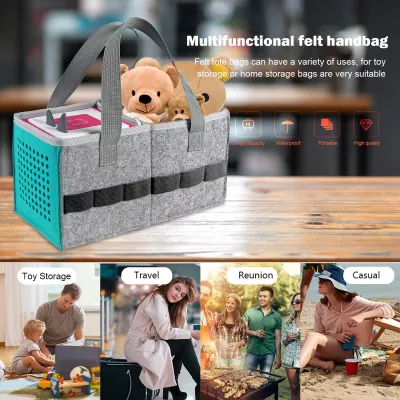
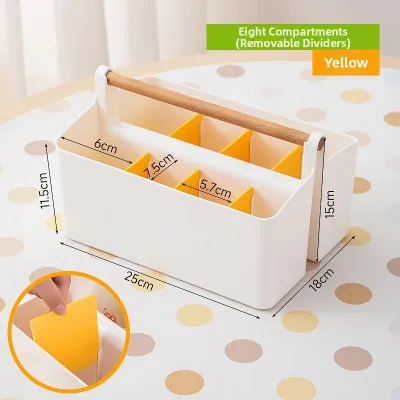
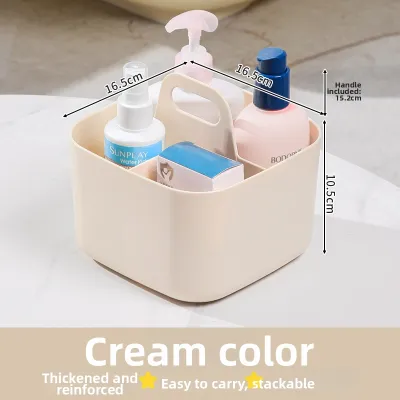
A nappy caddy is typically an open-top organizer made of felt, canvas, or lightweight plastic, featuring multiple compartments and sturdy handles. It is designed for rapid access, allowing you to grab a nappy, wipes, or cream with one hand while keeping your other hand on your baby. Because it lacks a secure zippered closure and backpack straps, it is well-suited for stationary use, such as sitting on a car seat, resting in a stroller basket, or moving between rooms at home.
Products mentioned in this guide
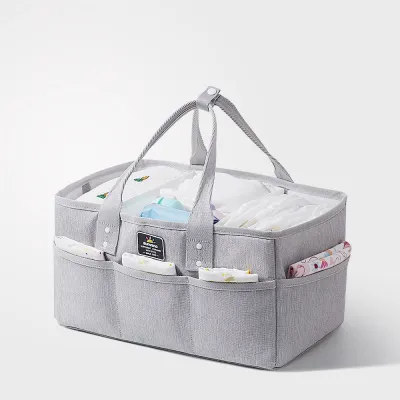
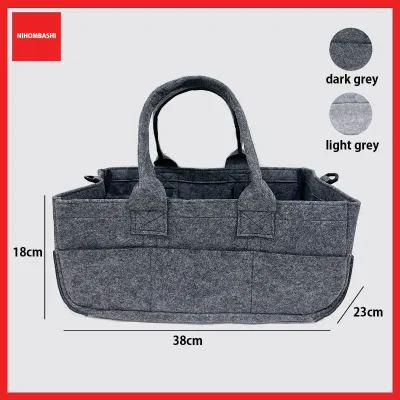
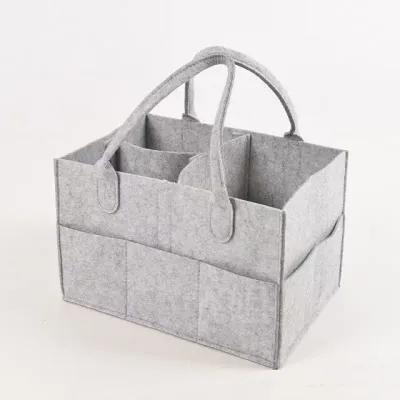
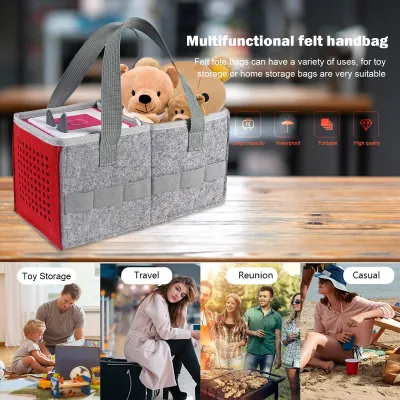
Prices are valid at publication and may change. Please refer to the product page for the latest price.
A diaper bag, on the other hand, is a fully enclosed, heavy-duty travel bag designed to be worn as a backpack, messenger bag, or tote. It features specialized compartments, including insulated pockets for bottles, waterproof wet bags for soiled clothes, and secure zippered pockets for parent essentials. This structure ensures that items remain secure and hygienic, even when the bag is jostled during transit or stored under an airplane seat.
The primary trade-off between the two lies in the balance of capacity and portability. A nappy caddy excels at immediate accessibility and lightweight transport over short distances but offers minimal protection against the elements or accidental spills. A diaper bag provides maximum storage, weather resistance, and hands-free carrying comfort, but it can feel bulky and over-engineered for a simple fifteen-minute trip down the street.
Assess Your Trip Duration and Destination
The length of your outing is one of the most reliable indicators of which gear option you should carry. For short trips lasting under two hours—such as a quick visit to a local clinic, a short drive to a nearby park, or a brief coffee stop—a nappy caddy is often more than sufficient. It allows you to keep a streamlined set of essentials close at hand without the physical burden of a heavy backpack.

For full-day outings, extended travel, or long flights, a diaper bag is an essential requirement. These scenarios require you to carry multiple changes of clothes, an abundant supply of nappies, feeding equipment, toys, and emergency supplies. The secure closures of a diaper bag prevent items from falling out during transit, while the ergonomic straps distribute weight evenly across your shoulders to prevent fatigue.
Your destination’s facilities also play a major role in determining your packing strategy. In urban environments like Singapore, many modern shopping malls and public spaces offer well-equipped nursing pods and clean changing rooms. If you are visiting a location with reliable access to these amenities, you can afford to carry a lighter nappy caddy. However, if you are heading to an outdoor venue or an area with limited public facilities, you must carry a fully stocked diaper bag to handle diaper changes and feedings independently.
Factor in Your Baby’s Age and Feeding Stage
A baby’s age and feeding routine directly dictate the volume of supplies you must carry on any given day. During the newborn stage, babies require frequent diaper changes and feeding sessions, which translates to a high volume of nappies, wipes, burp cloths, and spare outfits. Because newborns are prone to sudden blowouts and spit-ups, parents usually need the extensive storage capacity of a diaper bag even for relatively short outings.
As your baby transitions to solid foods, your packing requirements will shift from purees and milk bottles to a variety of snacks, toddler cups, bibs, and eating utensils. This stage introduces more bulk and potential mess, requiring dedicated compartments to keep food items separate from soiled clothing. A diaper bag with insulated pockets and wipe-clean interiors helps manage these diverse supplies safely and hygienically.
By the time your child reaches the toddler stage, the frequency of diaper changes decreases significantly, and they may even begin toilet training. Toddlers also require fewer specialized feeding tools, as they can often share family meals or consume simple finger foods. For short trips with an older toddler, a compact nappy caddy stored in the car or a lightweight tote is often all you need to carry a single spare change of clothes, a couple of nappies, and a travel pack of wipes.
Audit Your Actual Packing Needs
To determine which bag style fits your lifestyle, it is helpful to perform a practical audit of the items you actually carry on a daily basis. Start by laying out your non-negotiable items: a changing mat, a specific number of nappies based on your outing duration, a travel pack of wipes, diaper rash cream, and disposal bags. These items form the baseline of your daily carry and must fit comfortably into whichever storage solution you choose.
Next, evaluate your feeding gear requirements, which vary greatly depending on whether you breastfeed, formula-feed, or carry toddler snacks. Formula feeding typically requires bottles, a thermos of warm water, and pre-measured formula dispensers, which take up considerable physical space. If you use a breast pump on the go, you will need even more dedicated room, making a spacious diaper bag the practical choice to prevent crushing delicate equipment.
Do not forget to account for your own personal essentials, such as your phone, keys, wallet, hand sanitiser, and perhaps a water bottle. A good diaper bag usually features dedicated parent pockets that keep these items secure and easily accessible without requiring you to dig through baby supplies. If you choose a nappy caddy, you will likely need to carry a small personal handbag alongside it, as caddies rarely offer secure, zippered compartments for valuables.
Finally, perform a simple spill-over test with your current setup. If you find that your diaper bag is consistently half-empty and you are tired of carrying unnecessary bulk, a compact nappy caddy may streamline your routine. Conversely, if your caddy is overflowing, difficult to carry, or constantly spilling its contents in your vehicle, it is a clear sign that you need to transition to a structured, full-size diaper bag.
The Verdict: Should You Buy One, the Other, or Both?
For parents working with a strict budget or those who prefer a minimalist lifestyle, sticking with a single, high-quality diaper bag is often the most practical decision. A diaper bag can do everything a nappy caddy can do, even if it is occasionally larger than necessary for quick trips. By utilizing internal organizing pouches, you can easily adapt a large diaper bag for shorter outings without spending extra money on multiple storage systems.
Adding a dedicated nappy caddy is highly beneficial for parents who spend a lot of time in their vehicles or want an organized, grab-and-go station at home. Keeping a fully stocked caddy in the trunk or on the back seat of your car ensures you always have backup supplies without needing to pack a bag every time you leave the house. It also serves as an excellent portable changing station that you can easily carry from the living room to the nursery.
For maximum convenience, many parents find that investing in both options offers excellent flexibility. You can use your large diaper bag for major day trips, family visits, and travel, while keeping a lightweight nappy caddy ready for quick neighborhood walks, clinic appointments, or car-based errands. This dual-system approach ensures you are never over-burdened on short trips or under-prepared on long outings.
Before making a final purchase, always verify the product specifications provided by the manufacturer. Check for durable, wipe-clean materials that can withstand spills, and look for comfortable, adjustable straps if you are buying a diaper bag. For nappy caddies, inspect the compartment layout and handle strength to ensure the organizer can support the weight of your daily supplies without losing its shape.
Frequently Asked Questions (FAQ)
Can I just use a regular tote bag instead of a dedicated baby bag?
While a regular tote bag can work in a pinch, it generally lacks the specialized features that make dedicated baby bags practical. Standard totes rarely have insulated compartments to keep bottles at the correct temperature, nor do they feature waterproof linings to isolate wet or soiled clothing. Without built-in dividers, items tend to pool at the bottom of the bag, making it difficult to find a clean nappy or wipe quickly during an urgent changing situation.
Using a regular tote also increases the risk of cross-contamination between dirty nappies and clean feeding supplies. However, if you choose to use a standard tote, you can improve its functionality by using independent, color-coded organizing pouches and a portable changing mat. This approach can work well during the toddler stage when the volume of required gear is much lower.
How do I keep my nappy caddy organized and safe in the car?
To keep a car-based nappy caddy functional and safe, it is important to secure it properly to prevent it from sliding or tipping over during sudden stops. You can place the caddy on the floorboard behind the front passenger seat or use a seatbelt to secure it directly to an empty passenger seat. This keeps your supplies within arm’s reach while ensuring they do not become hazards during transit.
Additionally, you should establish a regular routine to restock and inspect the caddy’s contents. Avoid leaving heat-sensitive items, such as certain diaper creams, liquid medications, or plastic-packaged wipes, in a vehicle parked under direct sunlight, as high temperatures can degrade these products. A quick check at the end of each week will ensure your backup supplies are fresh, safe, and ready for your next quick outing.

Community discussion
Share your experience or ask a question. Comments are reviewed before publication.