
Quick Diagnosis: Do You Need a Nappy Caddy or a Diaper Bag?
Choosing between a nappy caddy and a diaper bag depends on where you spend your day and how you manage your baby’s daily routine. A nappy caddy is an open, portable organizer designed to streamline diaper changes within the home. A diaper bag is a secure, wearable travel bag built to withstand the demands of outdoor mobility and public transit.
The primary decision trigger is your daily movement pattern. If your routine revolves around managing frequent diaper changes across different rooms in your home, a nappy caddy keeps your essentials organized and within arm’s reach. If you frequently leave the house for medical appointments, family visits, or daily walks, a dedicated diaper bag is essential to keep your supplies secure and easy to carry on the go.
Evaluating the Nappy Caddy for Home Organization
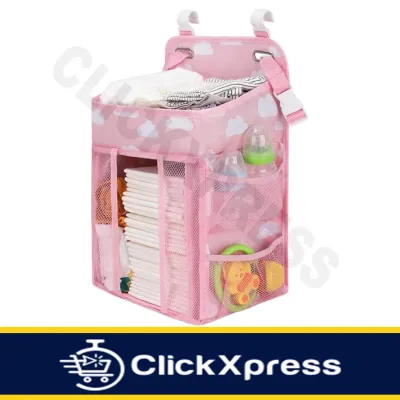
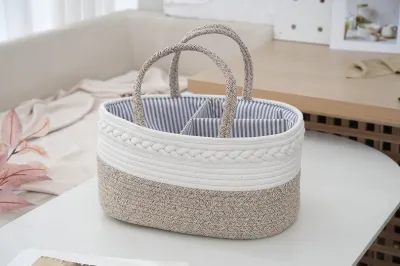
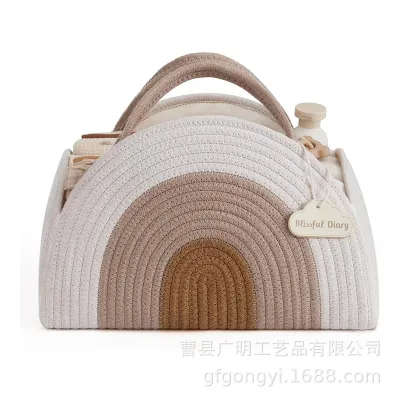
A nappy caddy serves as a centralized, open-top storage hub for your immediate diapering needs. Its primary function is to keep diapers, wet wipes, barrier creams, and small grooming items organized in one accessible spot. Instead of walking back to a fixed changing table in the nursery for every single change, a caddy allows you to set up a temporary, fully stocked changing station on a living room sofa, a playpen, or a bed.
Products mentioned in this guide
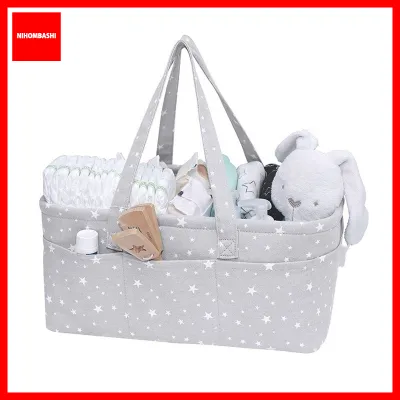
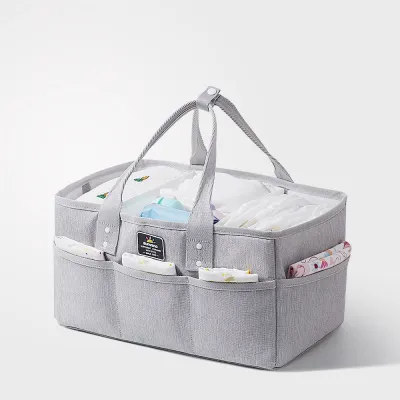
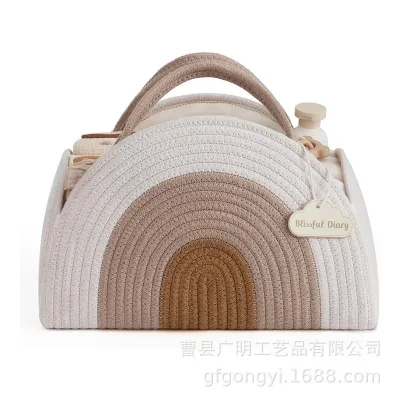
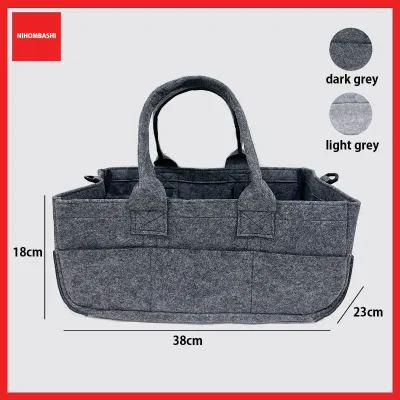
Prices are valid at publication and may change. Please refer to the product page for the latest price.

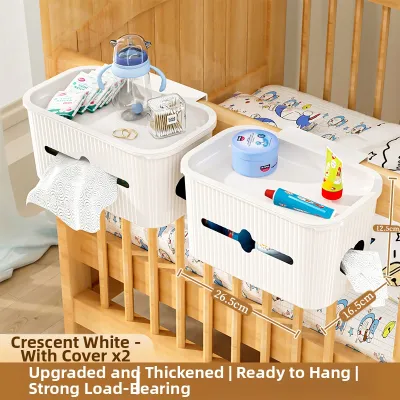
In Singapore, where residential layouts like HDB flats and condominiums require efficient use of space, a nappy caddy helps prevent baby clutter from taking over your living areas. If your nursery footprint is compact, a caddy can sit neatly on a shelf or hang from the side of a cot, eliminating the need for a bulky, dedicated changing table. It also allows you to easily transport supplies between the bedroom and the living room during the day without carrying multiple loose items.
When selecting a nappy caddy, look for observable physical features that match your daily usage. Check the manufacturer’s product label for material specifications; wipeable fabrics or water-resistant synthetic linings are highly practical for handling accidental cream spills or damp wipes. Examine the handle design to ensure it is sturdy enough to support the weight of full wipe packs and multiple diapers. A caddy with adjustable or removable dividers allows you to customize the compartment layout as your baby grows and their diaper size changes.
Evaluating the Diaper Bag for On-the-Go Mobility
A diaper bag is engineered to transport baby essentials safely outside the home while keeping your hands free. Beyond diapers and wipes, a proper diaper bag must accommodate spare clothing, feeding bottles, swaddles, and personal items like your phone, keys, and wallet. It must also protect these items from external elements, such as sudden tropical downpours or high humidity.
Your daily commuting habits play a significant role in determining the right diaper bag style. If you rely heavily on public transport like the MRT or buses, a backpack-style diaper bag is highly practical. It distributes weight evenly across both shoulders, leaving your hands completely free to navigate ticket gates, carry a stroller, or hold your baby. For parents who primarily travel by car or use a stroller with a large under-seat basket, a tote-style or messenger diaper bag might offer quicker access to items.
When evaluating a diaper bag, review the manufacturer’s specifications for functional details. Look for wide, padded shoulder straps to ensure comfort during long outings. Insulated bottle pockets are highly beneficial for keeping milk or water at a stable temperature while traveling. Additionally, check if the bag includes a matching, fold-out changing mat, which provides a clean, familiar surface when you need to use public changing tables in shopping malls or parks.
Self-Assessment Checklist: Match Your Routine to the Right Gear
To determine which storage solution fits your lifestyle, evaluate your daily habits, living space, and parenting dynamics using the following diagnostic criteria.
- Assess Your Home Layout:
- Single-Story Living: If you live in a single-story apartment where the nursery is only a few steps away from the living room, you may not need a portable caddy. A fixed changing station in the nursery might suffice.
- Multi-Story or Large Layout: If you live in a multi-story home, walking up and down stairs for every diaper change is exhausting. Placing a fully stocked nappy caddy on each floor saves time and physical effort.
- Assess Your Outing Frequency:
- Frequent Outings: If you plan to take your baby out daily for walks, grocery runs, or visits to relatives, a dedicated diaper bag is non-negotiable.
- Home-Centric Routine: If you spend the vast majority of your time at home and only leave for occasional pediatric appointments, you might delay purchasing a specialized diaper bag and instead use a secure backpack you already own.
- Assess Caregiver Dynamics:
- Solo Parenting on the Go: If you frequently travel alone with your baby, a hands-free backpack diaper bag with external quick-access pockets is essential for managing tasks single-handedly.
- Shared Home Duties: If multiple family members or helpers assist with diapering at home, a centrally located, clearly organized nappy caddy ensures everyone knows exactly where to find wipes, diapers, and creams.
Based on these assessments, you can map your situation to a clear action plan:
- Action 1: Buy a Nappy Caddy Only. Choose this if you live in a multi-story home or have a compact apartment without room for a changing table, and you rarely travel far.
- Action 2: Buy a Diaper Bag Only. Choose this if you have a single-story home where the nursery is easily accessible, but you frequently travel, commute, or spend weekends outdoors.
- Action 3: Buy Both. This is ideal for active families who want seamless organization at home and preparedness while traveling.
- Action 4: Repurpose and Delay. If you are unsure, use a clean household storage basket as a temporary home caddy and a standard backpack for outings to test your actual needs before spending money.
Do You Need Both? Strategies for Combining Storage Solutions
Many parents find that using both a nappy caddy and a diaper bag offers the most seamless transition between home life and travel. A highly effective way to manage this is the “base and satellite” approach. In this setup, your diaper bag serves as the “base” that remains packed with outdoor essentials, while the nappy caddy acts as the “satellite” station kept in your main living area for quick, everyday changes.
To implement this strategy without overspending or duplicating items, check your current household inventory before making any purchases. You do not need to buy two sets of every baby accessory. For example, keep your primary diaper creams and grooming tools in your home caddy, and only pack travel-sized versions in your diaper bag. This prevents you from constantly moving items back and forth, which often leads to accidentally leaving essential supplies behind when you walk out the door.
If you want to test this system before committing to multiple purchases, try repurposing existing household items. A clean, sturdy fabric storage bin, a plastic organizer, or even a small picnic basket can serve as an excellent temporary nappy caddy. This trial period allows you to observe your daily patterns and determine if a specialized caddy with specific compartments is truly necessary for your home.
Frequently Asked Questions (FAQ)
Can I just use a regular tote bag instead of a specific diaper bag?
Yes, you can use a regular tote bag, but there are distinct trade-offs in organization and convenience. Standard tote bags typically feature one large, open compartment, which can cause small items like pacifiers, creams, and nail clippers to sink to the bottom. This makes it difficult to find what you need quickly during an urgent diaper change or feeding session.
Specialized diaper bags are designed with dedicated compartments, including insulated bottle holders, waterproof wet-dry pockets for soiled clothes, and easy-access wipe dispensers. They also frequently include a matching, wipeable changing mat. If you choose to use a regular tote bag, consider purchasing a structured bag organizer insert to keep your baby’s essentials separated and easy to locate.
How do I clean and maintain a fabric nappy caddy?
To clean and maintain a fabric nappy caddy, always start by checking the manufacturer’s care label for specific washing instructions. Many fabric caddies are made of felt, canvas, or polyester blends that cannot be machine washed without losing their structural shape or shrinking.
For general maintenance, spot clean the fabric using a damp cloth and a small amount of mild, baby-safe soap. Gently rub the soiled area, then wipe it with a clean, damp cloth to remove any soap residue. Allow the caddy to air dry completely in a well-ventilated area before restocking it with diapers and wipes. If you notice the material beginning to pill, fray, or degrade during cleaning, stop immediately to preserve the caddy’s structural integrity.
When should I transition out of using a diaper bag?
You can typically begin transitioning away from a dedicated diaper bag as your child reaches toddlerhood and achieves key developmental milestones. A clear signal to transition is successful toilet training, which significantly reduces the number of diapers, wipes, and spare clothes you need to carry on outings.
Another signal is when your child can comfortably carry their own small backpack containing their water bottle and a small snack. As your daily packing list shrinks to just a few wipes, a spare pair of pants, and a water bottle, you can easily transition to a smaller everyday crossbody bag, a standard backpack, or a compact tote that fits your personal style.

Community discussion
Share your experience or ask a question. Comments are reviewed before publication.