
Quick Answer: Do You Need a Dedicated Nappy Bag?
Is a dedicated nappy bag absolutely necessary? The short answer is no, but your daily routine will determine which option serves you best. If your outings mostly consist of quick trips to the local supermarket or short walks around the neighborhood, a standard backpack you already own is often more than sufficient. It offers excellent long-term versatility and saves you from buying single-use gear.
However, if you frequently embark on full-day outings, travel long distances, or manage multiple young children, a dedicated nappy bag becomes highly practical. These specialized bags are designed specifically to handle the chaotic demands of carrying diapers, bottles, spare clothes, and wipes, offering quick-access features that standard bags lack. Ultimately, the decision depends on your baby’s age, your typical outing duration, and how much you value specialized organization over long-term utility.
Design and Organization: Comparing the Two Options
When comparing a nappy bag to a regular backpack, the most significant difference lies in how the interior space is divided. Regular backpacks are generally designed with one or two large, deep compartments meant for flat items like laptops or documents. While they offer plenty of raw volume, they often lack the specialized pockets needed for baby gear. This can lead to the “black hole” effect, where small items like pacifiers or diaper cream slip to the bottom, forcing you to rummage through the entire bag during a diaper blowout.
Products mentioned in this guide
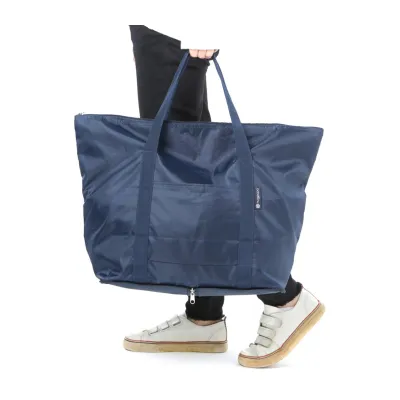
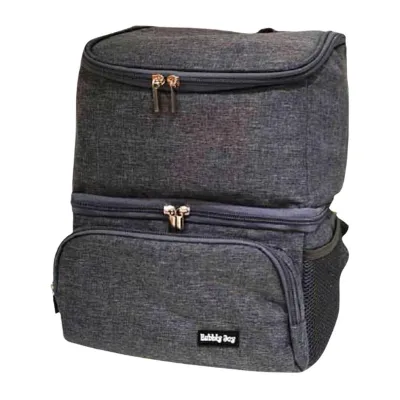
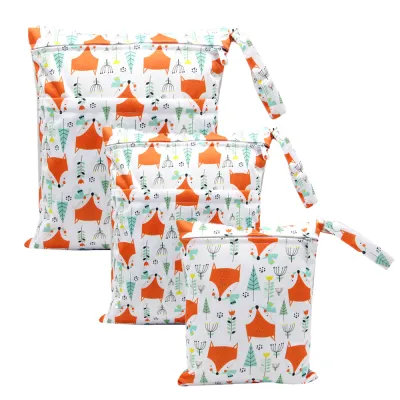
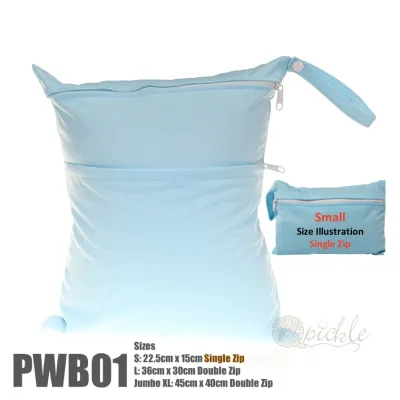
Prices are valid at publication and may change. Please refer to the product page for the latest price.

In contrast, a dedicated nappy bag is built around the specific items a parent carries. These bags typically feature dedicated, insulated bottle pockets designed to keep milk or warm water at a stable temperature. They also frequently include dedicated side slots for quick-access baby wipes, allowing you to pull a wipe directly from the exterior of the bag without unzipping the main compartment.
The style of the main opening is another critical factor to evaluate. Many regular backpacks are top-loading, meaning you must stack items on top of each other. If you need a change of clothes stored at the bottom, you have to unpack everything else first. Nappy bags often feature a wide clamshell opening or a doctor-bag style structured frame that stays open on its own. This design allows you to see the entire contents of the bag at a single glance, making it much easier to grab what you need with one hand.
Before making a purchase, check the internal pocket layouts and dimensions against your specific packing list. Measure your preferred baby bottles to ensure they will actually fit into the insulated pockets, as some wider-neck bottles may not slide easily into standard slots. Look for elasticized interior pockets that can hold diapers upright and separate zippered compartments to keep soiled clothing away from clean items.
Material, Cleaning, and Durability Checks
Baby outings are inherently messy, making the material of your bag a primary consideration. When browsing options, check the manufacturer’s product tags or specifications for water-resistant or wipeable material claims. Avoid assuming a bag is fully waterproof unless the manufacturer explicitly states it. Many nappy bags utilize treated polyester, nylon, or vegan leather on the exterior, which allows you to easily wipe away spilled milk, rain, or dirt with a damp cloth.
The interior lining is just as important as the exterior. Look for bags with light-colored, water-resistant inner linings. A light interior reflects more light, making it easier to locate small items in dim environments like mall nursing rooms. Ensure you verify the care instructions before buying; some bags are machine-washable, while others are strictly spot-clean-only. Choosing a bag that cannot handle a thorough cleaning can lead to lingering odors if a bottle leaks or food gets crushed inside.
Durability is another area where you must inspect the physical construction closely. Baby bags carry a surprising amount of weight, from heavy water flasks to multiple changes of clothes and toys. Examine the quality of the zippers; look for thick, smooth-gliding metal or heavy-duty plastic zippers that will not catch or split under tension.
Pay close attention to the base of the bag and the seam stitching. A reinforced, structured base—ideally with small metal feet—helps the bag stand upright when placed on the floor or a changing table, preventing it from tipping over. Check that the shoulder straps are double-stitched or reinforced with metal rivets at the main tension points, as these areas bear the brunt of the daily load.
Ergonomics and Carrying Comfort
Carrying a fully loaded baby bag for hours can quickly strain your shoulders and back, especially during long walks or when navigating public transport. Regular backpacks, particularly those designed for hiking or commuting, often excel in ergonomics. They frequently feature thick, contoured, padded shoulder straps, adjustable chest straps to distribute weight evenly, and breathable mesh back panels that promote ventilation in warm, humid weather.
Nappy bags have made significant strides in comfort, but their ergonomic features can vary widely by style. Backpack-style nappy bags generally offer decent padding, but tote or crossbody nappy bags can place uneven pressure on a single shoulder, which may become uncomfortable during extended outings. If you plan to share the bag with a partner or other caregivers, look for highly adjustable straps that can comfortably fit different body frames.
Alternative carrying methods are a major selling point for specialized nappy bags. Many come equipped with integrated stroller straps or clips, allowing you to hang the bag directly from the stroller handlebar. While this frees up your shoulders, always verify stroller handle compatibility and check the stroller manufacturer’s weight limits. Hanging a heavy bag on the handlebar of a lightweight stroller can cause it to tip backward, posing a safety hazard to your child.
Additionally, consider the empty weight of the bag itself. Some premium nappy bags made of heavy canvas or thick faux leather can weigh over one kilogram before you even pack a single diaper. Opting for a lightweight base material ensures that the fully loaded bag remains manageable during long days on your feet.
Feature Verification Checklist
To help you compare specific models without relying on unsupported marketing claims, use this physical feature verification checklist when shopping in-store or reviewing online specifications:
- Changing Mat Inclusion: Verify if a fold-out, wipeable changing mat is included with the bag, or if you will need to purchase one separately. Check its dimensions to ensure it fits standard public changing tables.
- Luggage Sleeve: If you travel frequently, check for a trolley sleeve on the back of the bag that allows it to slide securely over the handle of a rolling suitcase.
- Dedicated Key Clip: Look for an internal lanyard or clip to keep your house and car keys secure and easily accessible without digging.
- Insulated Pocket Dimensions: Measure the height and width of the insulated compartments to confirm they accommodate your specific brand of baby bottles or food jars.
- Stroller Attachment Points: Check if the bag includes dedicated, reinforced D-rings or integrated straps for stroller attachment, or if you must buy separate clips.
- Warranty and Support: Verify the manufacturer's warranty terms, return policies, and whether you are purchasing from an authorized retailer to ensure coverage for zipper or seam failures.
The Decision Framework: Which Bag Fits Your Lifestyle?
To make your final decision, evaluate how your daily routine, budget, and personal preferences align with the following scenarios.
Choose a specialized nappy bag if:
- You frequently go on long, full-day outings where you must carry multiple bottles, warm water flasks, and several changes of clothes.
- You highly value dedicated, quick-access compartments, such as exterior wipe dispensers and insulated pockets.
- You want a dedicated bag that remains packed with baby essentials at all times.
- You prefer a bag designed to clip directly to your stroller frame using integrated attachments.
Choose a regular backpack if:
- You prefer a versatile investment that can transition back to work, travel, or gym use once your child outgrows the diaper stage.
- You already own a high-quality, ergonomic backpack with comfortable, padded straps.
- You practice minimalist packing or primarily take short trips where you only need a few essentials.
- You prefer to use your own custom organization system, such as independent packing cubes or pouches.
Verify first if:
- Caregiver Sharing: Both parents or multiple caregivers will be carrying the bag. Ensure the style and strap adjustments are comfortable for everyone.
- Stroller Stability: Your stroller is sturdy enough to support a hanging bag without tipping.
- Budget Limits: The cost of a specialized nappy bag (ranging from S$40 to over S$200) fits your budget, or if investing that money elsewhere makes more sense.
Frequently Asked Questions (FAQ)
Can I convert my existing regular backpack into a nappy bag?
Yes, you can easily adapt a standard backpack for baby outings by using a few simple organization accessories. Instead of letting items float freely in the main compartment, use color-coded packing cubes or zippered pouches to create dedicated zones. For example, keep diapers, a portable changing mat, and diaper cream in one pouch, while placing spare clothes in another. This allows you to pull out only the specific zone you need during a diaper change.
To replicate the specialized features of a nappy bag, you can purchase separate insulated bottle sleeves to keep milk at the right temperature. You can also buy universal, clip-on stroller straps that attach to your backpack’s top handle or shoulder straps, allowing you to hang it from your stroller. Before doing so, always check your backpack manufacturer’s weight capacity and strap limits to ensure the seams can handle the extra tension of being hung.
How do I clean and maintain a nappy bag according to manufacturer guidelines?
Proper maintenance is essential to keep your baby bag hygienic and free from odors. Start by completely emptying the bag, opening all compartments, and shaking out any loose crumbs or debris. For routine maintenance, spot-clean the interior lining and exterior fabric using a soft cloth, warm water, and a mild, baby-safe soap. Avoid harsh chemical cleaners, bleach, or abrasive scrubs, which can degrade water-resistant coatings or damage delicate fabrics.
Before attempting to wash the bag thoroughly, always read the manufacturer’s care label. Some fabric nappy bags are machine-washable on a gentle cycle, while others—especially those made of structured materials, faux leather, or those with built-in metal frames—must be strictly hand-washed or spot-cleaned. Never tumble dry a nappy bag unless the label explicitly permits it, as high heat can melt water-resistant linings and warp the bag’s shape. Always air-dry the bag completely in a well-ventilated, shaded area before storing or packing it again to prevent mold and mildew.

Community discussion
Share your experience or ask a question. Comments are reviewed before publication.