
Choosing the right nappy bag style is one of the most practical decisions you will make as a parent. The ideal format depends entirely on your daily outing routine, how you use your stroller, and your personal physical comfort preferences. While a backpack offers hands-free mobility and balanced weight distribution, a tote provides quick access and a familiar handbag feel, and a shoulder bag serves as a compact option for lighter loads. Matching the bag’s design to your typical transit methods and physical needs ensures you can navigate daily excursions with minimal stress.
How to Identify Your Primary Outing Needs
Before comparing specific bag styles, it is essential to evaluate how you actually move through your day. Parents who rely heavily on public transport, such as navigating train stations, escalators, and buses, often have different physical demands than those who primarily travel by car. If you are frequently lifting a stroller up steps, boarding buses, or carrying your baby in a carrier, keeping your hands completely free becomes a major safety and convenience factor.
Stroller integration is another critical consideration. Some parents prefer to hang their bag on the stroller handlebar for easy access, while others store it in the under-seat basket. If you plan to hang your bag, you must consult your stroller’s manufacturer manual to verify weight limits and tipping hazards. A bag that is too heavy can easily cause a stroller to tip backward when your child is removed, posing a safety risk.
Products mentioned in this guide
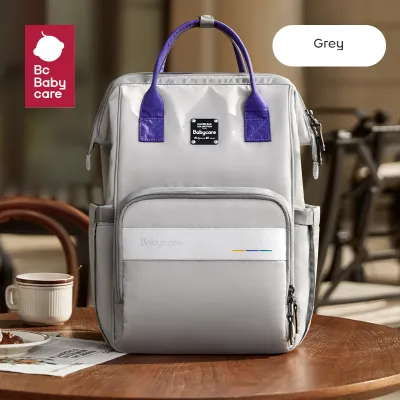
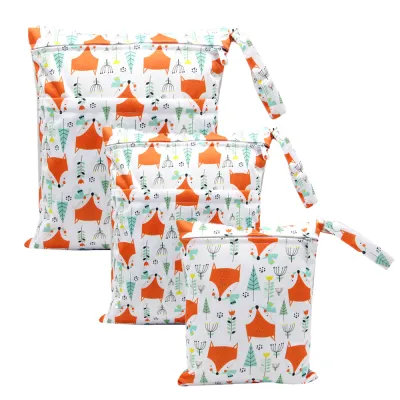

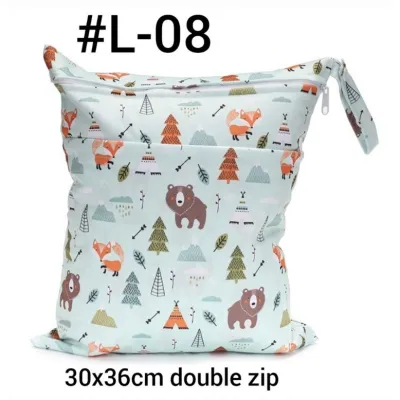
Prices are valid at publication and may change. Please refer to the product page for the latest price.
Climate and weather also play a subtle but significant role in your comfort. In warm, humid environments, carrying a heavy bag directly against your body can quickly cause discomfort. For instance, a backpack might lead to a sweaty back during outdoor walks, whereas a tote or shoulder bag allows for better airflow. Conversely, if you frequently encounter sudden tropical downpours, a bag that can be securely closed and carried close to your body under an umbrella is highly advantageous.
Finally, consider your own physical comfort and any pre-existing back, neck, or shoulder strain. Carrying several kilograms of baby gear—including bottles, spare clothes, nappies, and personal items—for hours can quickly lead to fatigue. Assessing whether you prefer to distribute this weight across both shoulders or if you prefer the quick-grab convenience of a single-strap design will help narrow down your choices.
Backpack Nappy Bags: Hands-Free Mobility for Active Days
Backpack nappy bags have become increasingly popular for parents who prioritize physical comfort and mobility. By distributing the weight of your baby gear evenly across both shoulders, a backpack minimizes the risk of localized muscle strain. This balanced distribution is particularly beneficial during long walking trips, day excursions, or when navigating crowded shopping centres and outdoor parks.

The primary advantage of a backpack is the complete freedom of movement it allows. With both hands free, you can easily push a stroller, carry your baby, hold an older sibling’s hand, or navigate public transit ticket gates without a bag slipping off your shoulder. Additionally, backpacks typically offer a higher overall carrying capacity and numerous dedicated compartments, making them excellent for packing everything needed for a full day out. Many modern designs also feature padded shoulder straps and breathable mesh back panels to enhance comfort during extended wear.
However, the backpack format does have distinct limitations. The most notable drawback is accessibility; you cannot easily retrieve items while wearing the bag. To grab a quick wipe, a dummy, or a toy, you must stop, take the backpack off, and unzip it, which can be inconvenient in tight spaces. Backpacks can also feel bulky on your back, especially in warm, humid climates where close contact with a large bag may cause discomfort or sweating.
This style is ideal for active parents who spend long periods on their feet, frequently use public transport, or are chasing active toddlers who require constant physical supervision. If your outings involve extended walking and you prefer to keep your hands completely unencumbered, a backpack is often the most supportive option.
Tote Nappy Bags: Quick Access and Everyday Versatility
Tote nappy bags offer a classic, familiar design that closely resembles a standard fashion handbag or utility tote. This style is highly favored by parents who want to maintain their personal style while carrying essential baby supplies. Totes generally feature wide top openings, allowing you to see all your packed items at a single glance without digging through deep compartments.
The main benefit of a tote is the speed of access. Because the bag sits at hip level or hangs easily from your arm, you can quickly reach in to grab a bottle or a fresh nappy with one hand while holding your baby with the other. Many totes also feature shorter grab handles alongside a longer shoulder strap, offering multiple carrying options depending on how quickly you need to move. Some innovative designs even offer convertible straps that allow you to transform the tote into a temporary backpack, though these hybrid systems should be checked to ensure the straps remain comfortable in both configurations.
Despite their convenience, totes present clear physical challenges. Because they are carried on one side of the body, they distribute weight unevenly. Overloading a tote with heavy flasks, water bottles, and multiple changes of clothes can quickly lead to shoulder, neck, and back strain. Furthermore, a tote can easily slip off your shoulder when you bend down to pick up your child or adjust a stroller harness.
Totes are best suited for shorter trips, car-centric outings, or quick errands where you do not have to carry the bag on your body for extended periods. They work exceptionally well if you frequently transition from the car to a shopping trolley or if you primarily store your bag in the under-stroller basket rather than carrying it on your shoulder.
Shoulder and Messenger Nappy Bags: Compact Options for Light Loads
Shoulder and messenger-style nappy bags offer a middle ground, featuring a long strap designed to be worn across the body or over a single shoulder. These bags typically have a more compact, streamlined profile compared to bulky backpacks or wide totes. They are designed for parents who prefer a minimalist approach to packing and want to avoid carrying unnecessary weight.
The standout advantage of a messenger bag is its dynamic accessibility. You can easily swing the bag from your back to your front without taking it off, allowing you to access diapers, wipes, or snacks on the go. This makes them highly efficient for quick transitions. Their compact size also ensures that you only pack the absolute essentials, keeping your overall load light and manageable. Many messenger bags also feature wide, adjustable shoulder straps with sliding pads to help distribute pressure across your collarbone.
The limitations of shoulder bags are closely tied to their capacity and strap design. Because they have a smaller volume, they may not accommodate enough supplies for all-day outings, multiple children, or newborn phases where frequent changes are required. Additionally, even with a padded crossbody strap, carrying a single-strap bag for long periods can cause uneven muscle strain on your neck and shoulder, especially if you are also carrying your baby on the same side.
This style is highly suitable for quick trips to the local park, short visits to nearby cafes, or for parents of older babies and toddlers who require fewer supplies. A shoulder bag also serves as an excellent secondary bag for quick errands when you want to leave your larger, fully loaded nappy bag at home or in the car.
Nappy Bag Style Comparison Matrix
To help you quickly evaluate which format aligns with your daily routine, the following matrix compares the three primary styles across key functional dimensions.
| Feature / Dimension | Backpack Nappy Bag | Tote Nappy Bag | Shoulder / Messenger Bag |
|---|---|---|---|
| Weight Distribution | High (Even across both shoulders) | Low (Uneven, concentrated on one side) | Moderate (Crossbody option helps, but still single-shoulder) |
| Accessibility While Wearing | Low (Must be removed to access main compartments) | High (Wide top opening is easily reachable) | High (Can be swung to the front easily) |
| Typical Capacity | High (Spacious with multiple compartments) | Moderate to High (Wide, open interior) | Low to Moderate (Compact and streamlined) |
| Best Outing Type | Long day trips, public transit, active outdoor walks | Short errands, car trips, cafe visits | Quick park visits, short outings with older babies |
Essential Features to Verify Before You Buy
Regardless of the style you choose, several functional features should be verified on the product label or manufacturer specifications before making a purchase. First, check for dedicated insulated bottle pockets. These pockets help maintain the temperature of milk or water during your outings, which is especially helpful when traveling in warm climates.
Next, inspect the interior and exterior materials. Look for water-resistant exterior fabrics that can withstand sudden tropical downpours or accidental spills. The interior lining should be made of a wipe-clean material, allowing you to easily sanitize the bag after leaks from half-empty bottles or soiled clothing.
You should also verify the quality of the hardware. Ensure that the zippers, clips, and magnetic closures operate smoothly and are sturdy enough to handle the tension of a fully packed bag. If you plan to attach the bag to a stroller, check if dedicated stroller straps or clips are included, and always cross-reference these with your stroller’s safety manual to prevent tipping hazards.
Frequently Asked Questions (FAQ)
Can I use a regular backpack or tote instead of a dedicated nappy bag?
Yes, you can use a standard backpack or tote, but you may miss several specialized features designed specifically for baby care. Standard bags often lack insulated compartments to keep bottles cool, water-resistant linings to contain spills, and dedicated pockets for quick access to baby wipes. If you choose to use a regular bag, consider purchasing separate organizing pouches and a portable changing mat to replicate the functionality of a dedicated nappy bag. This approach works well for short trips or as your child grows older and requires fewer specialized supplies.
Do I need more than one nappy bag style?
While a single, well-chosen nappy bag can cover most situations, many parents find that a two-bag system offers the greatest flexibility. For instance, a spacious backpack is ideal for long weekend outings, travel, or day trips where you need to pack multiple changes of clothes, feeding supplies, and toys. Meanwhile, a compact shoulder bag or small tote is perfect for quick trips to the supermarket or a nearby playground, saving you from carrying unnecessary weight. Evaluate your budget and storage space before purchasing multiple bags to ensure it aligns with your actual lifestyle.

Community discussion
Share your experience or ask a question. Comments are reviewed before publication.