
Selecting the right nappy bag in Singapore is not about finding a single universally superior brand, but rather about matching the bag’s total capacity and internal layout to your daily routine. When evaluating different brands, you must look closely at the total litre capacity and the specific compartment configuration to see if they align with your child’s age and how long you typically stay outdoors. While backpack-style nappy bags provide the most balanced weight distribution for long walks through Singapore’s shopping malls or parks, tote bags offer faster, one-handed access when you need to grab a wipe quickly. Before making a purchase, always verify the manufacturer’s exact physical dimensions and pocket counts to ensure the bag fits your specific gear.
Core Dimensions for Evaluating Nappy Bag Capacity
When comparing nappy bag brands, looking at a simple “one-size-fits-all” label is rarely sufficient. You need to break down the physical capacity into distinct functional zones to understand how much the bag can actually hold during a day out.
The main compartment volume is the foundation of any nappy bag. This central space must be wide enough and deep enough to accommodate bulkier essentials that you cannot afford to leave behind. When inspecting a bag, consider whether this compartment can comfortably hold a stack of diapers, a full pack of wet wipes, a change of clothes, a swaddle or towel, and a portable changing mat without bulging. A narrow main compartment might force you to stack items vertically, meaning you have to unpack the entire bag just to reach a spare onesie at the bottom.
Products mentioned in this guide
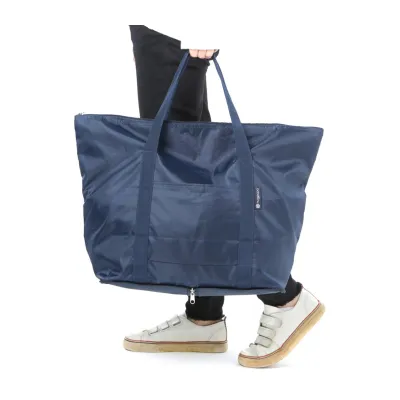
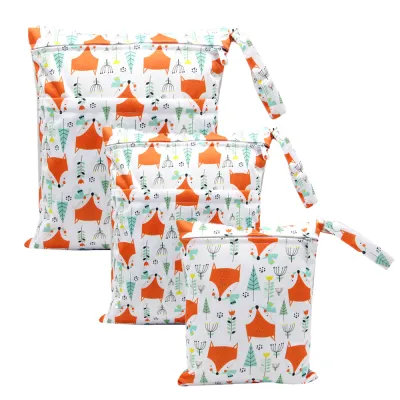
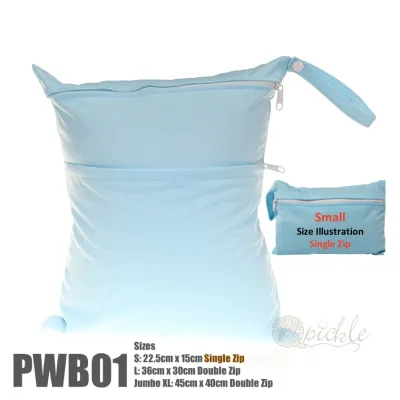
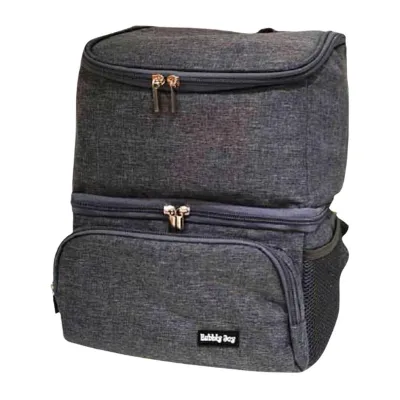
Prices are valid at publication and may change. Please refer to the product page for the latest price.
External pocket configuration plays an equally critical role in daily usability. High-quality brands design external pockets with dedicated depth and secure closures, such as magnetic snaps or sturdy zippers. These pockets are meant for items you need to access in seconds, such as hand sanitiser, pacifiers, or your phone. When evaluating a bag, check if the side pockets are elasticated or expandable, as rigid side pockets can eat into the internal volume of the main compartment when fully loaded.
Expandability and modular additions are excellent features to look for if your storage needs change from day to day. Some brands offer modular systems, including attachable utility pouches, matching clutch bags for quick diaper changes, or integrated stroller straps that let you hang a separate organiser from your pram handlebar. These additions allow you to scale your carrying capacity up or down, ensuring you do not have to carry a bulky, half-empty bag for a quick trip to the local supermarket.
How Bag Styles Impact Internal Organisation
The physical shape and style of a nappy bag dictate how its internal compartments are structured, directly influencing how easy it is to keep your baby gear organised.

Backpack nappy bags have become incredibly popular among parents in Singapore, primarily because they distribute weight evenly across both shoulders. This symmetrical weight distribution is a lifesaver when you are carrying a heavy load while navigating public transport or pushing a stroller. Backpacks typically feature deep, highly structured main compartments with numerous vertical pockets lining the interior walls. This layout keeps items upright and organised. However, the main drawback is accessibility; you almost always have to take the backpack off your shoulders to access the main compartment or retrieve an item from the bottom.
Tote nappy bags offer a classic, stylish silhouette with wide top openings that provide immediate visibility of all your contents. If you need to grab a burp cloth or a toy quickly, a tote allows you to reach in with one hand while holding your baby with the other. The challenge with totes is that their wide, open spaces can easily become a chaotic clutter zone if the bag lacks sufficient internal dividers. Additionally, carrying a fully loaded tote on one shoulder for extended periods can cause muscle strain and uneven posture.
Messenger and crossbody bags are designed for parents who prefer a more streamlined, compact setup. These bags lie flat against the body and offer excellent front-facing accessibility, allowing you to slide the bag forward to grab items without taking it off. They are ideal for short trips or quick errands where you only need the absolute essentials. The trade-off is limited internal volume and fewer dividers, making them less suitable for all-day outings or families with multiple young children.
| Bag Style | Key Advantages | Notable Limitations | Ideal Use Case |
|---|---|---|---|
| Backpack | Hands-free carrying, excellent weight distribution, numerous vertical pockets | Must be removed to access main compartments, can feel hot against the back | All-day outings, active parents, commuting on public transport |
| Tote | Wide opening, excellent visibility, easy one-handed access | Can cause shoulder strain, prone to internal clutter without dividers | Short trips, stroller-based travel, quick visits to nearby malls |
| Messenger / Crossbody | Quick front access, compact profile, lightweight | Limited overall capacity, fewer internal compartments | Quick errands, parents of older toddlers who require less gear |
Must-Have Organisation Features for Daily Use
Beyond overall volume, the specific design of a nappy bag’s pockets determines how smoothly your outings will run. When comparing different brands, look for several essential organisational features that prevent daily frustration.
Dedicated parent zones are separate compartments designed exclusively for your personal belongings. A good nappy bag should keep your keys, wallet, phone, and sunglasses completely isolated from baby items. This prevents you from digging through dirty diapers or sticky snack containers just to find your house keys. Look for parent zones positioned near the top or front of the bag, ideally with a secure zipper and a key clip.
Insulated bottle holders are vital for keeping milk, formula water, or breast milk at a safe temperature while you are on the move. When comparing brands, do not just check if the bag has insulated pockets; verify their size and quantity. Some bags only offer narrow bottle sleeves that cannot accommodate wide-neck baby bottles or larger toddler straw cups. Look for pockets lined with high-quality thermal material and check the manufacturer’s specifications to ensure they match the dimensions of your preferred bottle brand.
Wet and dry separation is another non-negotiable feature for managing unexpected messes. Whether it is a soiled onesie, a wet bib, or a damp washcloth, you need a dedicated waterproof-lined compartment or an included wet bag to keep damp items away from your clean clothes and dry diapers. Ensure this compartment is easy to wipe clean and completely sealed to prevent moisture and odours from leaking into the rest of the bag.
Changing mat integration ensures you always have a clean, padded surface for diaper changes in public restrooms. Many premium brands include a matching, fold-out changing mat that slips into a dedicated, easily accessible sleeve. This sleeve should be located on the exterior or at the very back of the bag, allowing you to slide the mat out instantly without opening the main compartment and disrupting your carefully packed items.
Matching Storage Capacity to Your Family's Routine
Your childcare stage and family size are the ultimate guides for determining how much capacity and organisation you actually need. A bag that works perfectly for a parent of a single toddler might be completely inadequate for a parent of a newborn.
Newborns require an astonishing amount of gear. Because they feed frequently, go through multiple outfit changes due to spit-ups or blowouts, and require frequent diaper changes, you will need a high-capacity bag with meticulous organisation. You must pack multiple diapers, wipes, spare clothes, swaddles, feeding supplies, and soothing items. For this stage, a highly structured bag with numerous dedicated pockets is essential to keep everything sorted. In contrast, toddlers require fewer diaper changes and outfit swaps, but they do need space for snacks, water bottles, toys, and sunscreen. A toddler bag can often be more compact, focusing on easy-access snack compartments and durable, wipeable interiors.
If you have twins or multiple young children, your storage requirements scale up significantly. You will need to carry double the diapers, multiple bottle sizes, and different sets of spare clothes. Symmetrical weight distribution becomes critical here, making a large-capacity backpack the most practical choice to prevent physical fatigue.
To help guide your final decision, consider this simple framework based on your daily routine:
Choose a high-capacity backpack if:
- You frequently use public transport or walk long distances, requiring hands-free convenience.
- You are packing for a newborn, twins, or multiple children of different ages.
- You plan to be out of the house for full-day trips and need to carry a complete supply of formula, food, and spare clothing.
Choose a compact tote or crossbody bag if:
- You primarily travel by car or keep your bag clipped to a stroller handlebar.
- Your child is a toddler and only requires a few diapers, a water bottle, and some snacks.
- You prefer quick, one-handed access to your items and value a more traditional, fashion-forward handbag aesthetic.
Frequently Asked Questions (FAQ)
Can I use a regular backpack instead of a dedicated nappy bag?
Yes, you can use a standard backpack, but you will miss out on several baby-specific conveniences. Regular backpacks typically lack insulated bottle pockets, waterproof wet-dry compartments, and integrated stroller straps. They also tend to have deep, open main compartments without internal dividers, which can lead to items getting lost at the bottom. If you choose to use a regular backpack, you can compensate by using modular pouches or packing cubes to categorise your gear and keep baby essentials organised.
How do I clean and maintain the internal organisation pockets?
Proper maintenance is crucial for keeping your nappy bag hygienic, especially in Singapore’s warm and humid climate. Always check the manufacturer’s care label for specific washing instructions, as some materials are machine washable while others are spot-clean only. For insulated and waterproof linings, regularly wipe them down with a damp cloth and a mild, baby-safe detergent. After cleaning, ensure the bag is fully opened and left to air-dry completely in a well-ventilated space to prevent the growth of mould and mildew.
Do premium nappy bag brands always offer better storage capacity?
Not necessarily. A higher price tag often reflects premium materials, brand prestige, or fashionable aesthetics rather than a larger physical capacity or superior pocket layout. Many mid-range and budget-friendly brands offer exceptionally spacious designs with highly practical compartment layouts. When comparing brands, focus on physical dimensions, total volume in litres, and the specific pocket configurations that match your daily needs, rather than relying on price as an indicator of storage quality.

Community discussion
Share your experience or ask a question. Comments are reviewed before publication.