
Choosing the right diaper for your baby in Singapore involves balancing comfort, performance, and household budget. While household names like Pampers, Huggies, and Mamy Poko have long dominated local supermarket shelves, newer alternatives like Mykonos Baby Love have entered the market, promising competitive features at an appealing price point. Comparing these options requires looking past marketing claims and evaluating how each diaper performs under real-world conditions, such as overnight sleep and active daytime play. By understanding how to assess physical features, calculate the true cost per piece, and run structured at-home trials, you can make an informed decision that keeps your baby dry and your expenses manageable.
Understanding the Contenders: Mykonos Baby Love and Mainstream Alternatives
Mainstream diaper brands like Pampers, Huggies, and Mamy Poko serve as the standard benchmarks in the Singapore market. These established brands are widely available in physical supermarkets, pharmacies, and online platforms, offering various product lines tailored to different developmental stages. They often feature proprietary technologies, such as specialized absorption channels, pocketed waistbands, or unique material blends designed to lock away moisture.
In contrast, Mykonos Baby Love positions itself as an alternative option, often distributed through online marketplaces and specialty baby stores. When evaluating this brand, parents should inspect the packaging for details regarding its core technology, such as composite absorbent cores, and the stated material origins. These specifications help set expectations for how the diaper might perform compared to more familiar brands.
Products mentioned in this guide
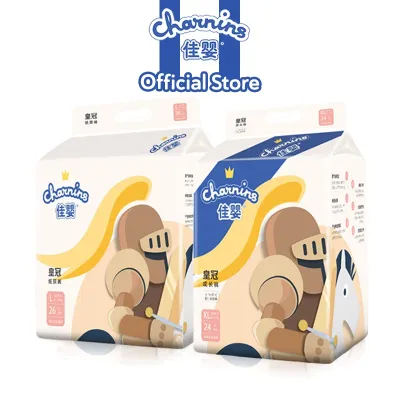
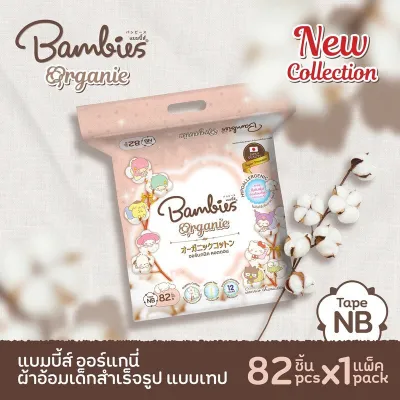
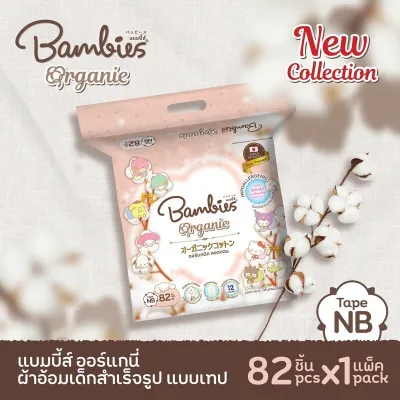
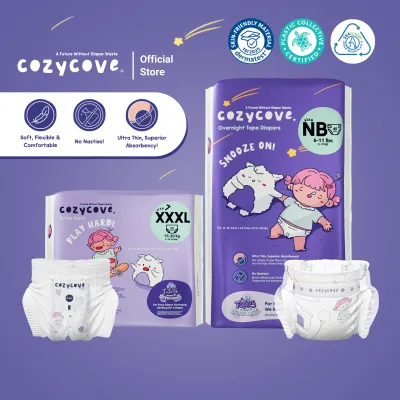

Prices are valid at publication and may change. Please refer to the product page for the latest price.
Because independent, comparative laboratory tests are rarely available for every diaper batch, parents must rely on practical evaluation methods. Judging a diaper’s performance requires inspecting its physical construction, understanding the manufacturer’s specifications, and conducting controlled trial periods at home. This hands-on approach ensures you select a diaper based on actual performance rather than marketing promises.
Evaluating Absorbency and Leak Protection at Home
Absorbency is the primary function of any disposable diaper, and evaluating it at home starts with a physical inspection. Gently press your fingers along the diaper’s interior to feel the distribution of the absorbent core. Modern diapers often utilize thin composite cores containing superabsorbent polymers, which distribute liquid evenly, whereas older designs might rely on thick wood pulp that can clump when wet. Additionally, check for wetness indicator lines on the exterior, which change color to signal when a change is needed.

Next, turn the diaper inside out to examine the standing leak guards, or leg gussets. These elasticized barriers should stand upright and feel soft yet resilient against your fingers. They act as the primary defense against side leaks, especially when your baby is sleeping on their side or moving actively. You should also check the elasticity of the back waistband, as a flexible, snug waistband is crucial for preventing leaks and blowouts during high-pressure bowel movements.
To evaluate real-world performance, plan a controlled at-home trial. Avoid testing a new brand overnight immediately; instead, use the diaper during the day when you can monitor it closely. Note how many hours it takes before the outer cover feels damp or the diaper begins to sag. Once the diaper passes daytime testing, you can try it during naps, and eventually overnight, observing whether your baby’s skin remains dry to the touch upon waking.
Assessing Material Comfort and Breathability for Sensitive Skin
A baby’s skin is significantly thinner and more sensitive than adult skin, making material comfort a top priority. When comparing Mykonos Baby Love with mainstream brands, start by feeling the inner topsheet—the layer that directly touches your baby’s skin. Run your fingers across it to compare textures. Some diapers feature a textured, 3D embossed topsheet designed to minimize skin contact with wetness, while others use a smooth, flat non-woven fabric. A softer texture generally reduces friction, which is a primary trigger for diaper rash.
Next, read the packaging carefully to check for potential irritants. If your baby has sensitive skin or a history of eczema, look for explicit labels indicating that the product is fragrance-free, lotion-free, and elemental chlorine-free. Many mainstream brands offer specialized ‘sensitive’ or ‘organic’ lines that omit added scents and chemical softeners. If a brand does not clearly state these details on its packaging, treat it as a standard diaper and monitor your baby’s skin closely during the initial uses.
Breathability is equally critical, especially in Singapore’s warm and humid climate. A diaper with poor breathability traps heat and moisture, creating an ideal environment for yeast and bacteria to thrive. To evaluate breathability practically, observe your baby’s skin during diaper changes. If the skin feels hot, clammy, or shows faint red grid marks corresponding to the diaper’s pattern after only a few hours of wear, the outer cover may lack sufficient micro-pores to let hot air escape.
Navigating Sizing, Fit, and Freedom of Movement
Sizing charts printed on diaper packaging are helpful guidelines, but they are only starting points. Every baby has a unique body shape, meaning two infants weighing the same might require completely different diaper sizes. A baby with chunky thighs and a round tummy may need to size up earlier to prevent the elastic from digging into their skin, while a taller, slender baby might stay in a smaller size longer to ensure a snug fit around the waist.
When trying Mykonos Baby Love or any mainstream alternative, observe how the diaper accommodates your baby’s movements. If your baby is crawling, cruising, or walking, the side panels and fastening tapes must stretch smoothly. Fasten the diaper and check if you can easily slide two fingers between the waistband and your baby’s tummy. Watch your baby move; the diaper should stay securely in place without sagging heavily or shifting to one side, which can cause immediate leaks.
Recognizing the signs of a poor fit can save you from leaks and skin irritation. Look for deep red marks or indentations around your baby’s thighs or waist when you remove the diaper; this indicates the elastic is too tight and you need to size up. Conversely, if you notice gaps around the legs when your baby bends their knees, or if the diaper sags significantly even when empty, the fit is too loose. In such cases, switching to a brand with a different cut or adjusting the fastening angle may resolve the issue.
Calculating True Value: Cost per Diaper in S$
When comparing diaper brands, looking only at the price tag of a single pack or box can be highly misleading. Packaging sizes vary wildly between brands and diaper sizes; one box might contain 80 pieces, while another contains only 44. To find the true financial impact on your household budget, always calculate the cost per diaper. Divide the total price of the pack in S$ by the exact number of diapers inside. For example, a pack costing S$22.00 containing 50 diapers results in a unit cost of S$0.44 per piece.
However, the cheapest diaper per piece does not always deliver the best overall value. If a lower-cost diaper has lower absorbency, you may find yourself changing your baby more frequently. Furthermore, frequent leaks mean more laundry cycles, extra water and detergent usage, and the potential cost of replacing stained clothing or bedding. A slightly more expensive diaper that keeps your baby dry for longer periods can sometimes prove more economical in the long run.
To optimize your spending, look for bulk promotions on official brand stores or general online marketplaces. Buying carton deals during monthly shopping campaigns or baby fairs in Singapore can significantly lower the cost per diaper. When purchasing online, always verify the seller’s authenticity to avoid counterfeit products or grey-market imports. Additionally, check the manufacturing or expiration dates printed on the packaging to ensure the elastic and adhesive tapes have not degraded.
Decision Framework: Which Diaper Fits Your Baby's Routine?
To make the final choice, you must align the diaper’s characteristics with your baby’s daily routine, skin sensitivity, and your family’s lifestyle. There is no single diaper that works perfectly for every infant, so a structured decision framework is highly valuable.
Consider choosing Mykonos Baby Love if the diaper successfully passes your daytime at-home absorbency trials without leaking, fits your baby’s specific body shape comfortably without leaving red marks, and fits neatly within your target S$ budget per piece. It serves as an excellent option for parents looking to optimize their daily diapering expenses without sacrificing basic comfort and utility.
On the other hand, mainstream brands like Pampers, Huggies, or Mamy Poko remain the practical choice if you value widespread availability. If you need to buy emergency replacements at a local 24-hour supermarket or convenience store in Singapore, these established brands are much easier to find. They are also preferable if your baby is an exceptionally heavy wetter who requires specialized overnight diapers, or if you prefer products backed by specific dermatological certifications.
Regardless of the brand you choose, safety must come first. If your baby has a history of severe contact dermatitis, eczema, or unexplained skin allergies, do not make sudden, bulk changes to their diapering routine. Always verify the material composition of any new diaper brand, perform a gradual trial with a single pack, and consult a qualified pediatrician if you observe persistent skin irritation or allergic reactions.
Frequently Asked Questions (FAQ)
Can I mix different diaper brands for daytime and nighttime use?
Yes, mixing diaper brands is a highly practical and cost-effective strategy used by many parents in Singapore. During the day, babies are changed more frequently—typically every three to four hours—to maintain hygiene and comfort. For these daytime hours, a budget-friendly diaper like Mykonos Baby Love can be ideal, as it does not need to hold twelve hours of wetness. For overnight sleep, when uninterrupted rest is crucial for both baby and parents, you can transition to a high-absorbency, premium mainstream diaper designed specifically for extended wear. This hybrid approach keeps your baby comfortable while optimizing your monthly diapering budget.
How do I safely transition my baby to a new diaper brand?
To safely transition your baby to a new diaper brand, avoid buying bulk cartons immediately. Start by purchasing a single trial pack. Begin the transition during the daytime when you can monitor your baby closely. Use the new diaper for just one or two changes on the first day, checking the skin for any signs of redness, warmth, or irritation during each change. If your baby’s skin remains clear after a few days of mixed use, you can gradually increase the frequency until you use the new brand exclusively. If you notice any sudden diaper rash or fit issues, pause the transition and revert to your previous brand.

Community discussion
Share your experience or ask a question. Comments are reviewed before publication.