
When preparing for a newborn’s arrival in Singapore, ensuring the safety of every skincare product is a top priority for parents. If you are considering Mustela baby wash, you might wonder if it is officially certified by the Health Sciences Authority (HSA) and safe for a newborn’s delicate skin. In Singapore, cosmetic products—including baby washes, shampoos, and lotions—do not undergo a formal “HSA certification” or pre-market approval process. Instead, they are subject to a mandatory notification requirement. This means the importer or local distributor must notify the HSA before selling the product, declaring that it complies with safety guidelines and does not contain prohibited substances.
To determine if a specific Mustela baby wash is safe for your newborn, you must verify its notification status, understand how baby skincare is regulated, and carefully evaluate the ingredients on the physical bottle. Because formulations can vary depending on where the product was manufactured or how it was imported, a systematic verification process is the most reliable way to protect your baby’s skin.
Understanding HSA Regulations for Baby Skincare
The Health Sciences Authority (HSA) regulates cosmetic products in Singapore under the Health Products Act and the Health Products (Cosmetic Products – ASEAN Cosmetic Directive) Regulations. Under this framework, baby washes, bubble baths, and cleansers are classified as cosmetic products rather than therapeutic products or medicines. This classification is crucial for parents to understand because cosmetic products do not receive an official stamp of approval or endorsement from the HSA before they hit the shelves.
Products mentioned in this guide
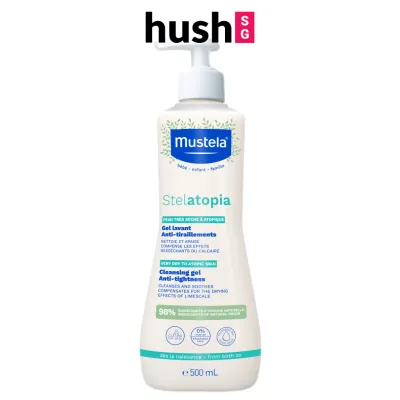
![Mustela Soothing Cleansing Gel (Fragrance-free) 300ml [Sensitive Skin][Bath Time](exp: 09/2028 & beyond)](https://img.lazcdn.com/g/p/d972e5051d9f078f3387f8ebb2bc7e65.jpg_400x400q80.jpg_.webp)
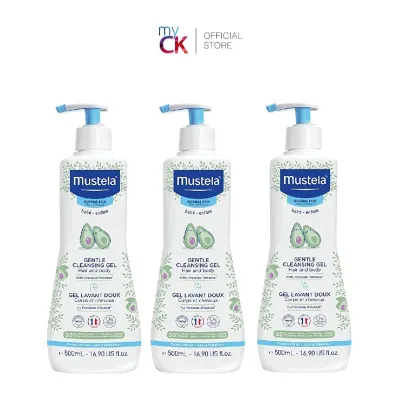
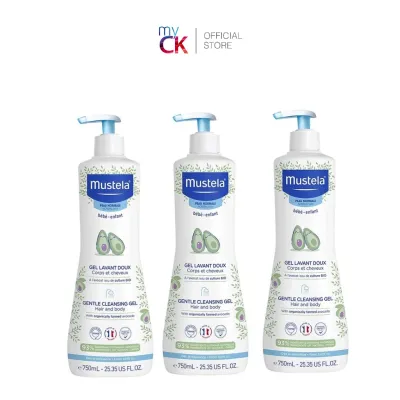
![[Mustela Bundle Deal] Gentle Cleansing Gel 500ml (exp: 07/2028 & beyond) Normal Skin][Bath Time]](https://img.lazcdn.com/g/p/0960c2f1c20c1bd0653da5b4d4b86766.jpg_400x400q80.jpg_.webp)
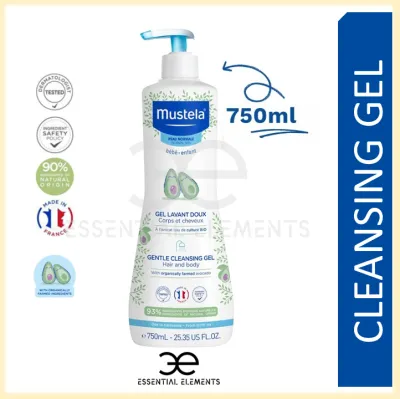
![Mustela 750ml Gentle Cleansing Gel for Hair & Body [Normal Skin][Bath Time] (exp: 09/2028 & beyond)](https://img.lazcdn.com/g/p/a5b23607fc071da227911af59a85951c.jpg_400x400q80.jpg_.webp)
Prices are valid at publication and may change. Please refer to the product page for the latest price.
Instead of pre-market testing by the government, the regulatory system relies on a post-market surveillance and notification system. Before any cosmetic product can be legally supplied in Singapore, the local company responsible for placing the product on the market must submit a product notification to the HSA. This notification serves as an official record that the company has declared compliance with the ASEAN Cosmetic Directive, which outlines strict standards for manufacturing practices, labeling requirements, and ingredient safety.
These regulations prohibit the use of known harmful substances and restrict the concentrations of certain preservatives, colorants, and active agents. However, an active HSA notification does not mean the authority has physically tested the bottle or verified its efficacy. It simply indicates that the importer has met the legal administrative requirements and declared the product safe for consumer use. Consequently, a notification is a baseline safety check, not an absolute guarantee that a product will not cause an individual allergic reaction or skin irritation on your newborn.
How to Verify the HSA Status of Mustela Baby Wash
Because Singapore’s retail landscape includes official distributors, parallel importers, and various online marketplaces, the exact bottle of Mustela baby wash you purchase may come from different supply chains. To ensure the product you have is legally notified and compliant with local standards, you can perform an independent check using the official HSA database.

To begin your search, visit the official Health Sciences Authority website and navigate to the “Search Cosmetic Products” portal under the public databases section. In the search field, enter “Mustela” or the specific product name, such as “Mustela Gentle Cleansing Gel” or “Mustela Cleansing Cream.” The database will generate a list of notified cosmetic products, showing the product name, the notification number, the local company responsible for the notification, and the validity period.
When reviewing the search results, it is essential to match the details on your physical bottle with the database entry. Check the exact variant name, as manufacturers often produce multiple formulations under similar names, such as scented versus fragrance-free versions. Additionally, look at the label on your bottle to identify the local importer or distributor. If the importer listed on your bottle does not match any notified companies in the database, or if the specific variant is missing, the product may be an unauthorized parallel import that has bypassed the mandatory notification process.
If you cannot find a specific product variant or batch in the public registry, exercise caution. Unnotified cosmetic products may not have undergone the necessary supply chain checks, increasing the risk of counterfeit goods or sub-standard storage conditions. In such cases, it is advisable to contact the retailer for clarification, reach out to the official local distributor of Mustela in Singapore, or choose an alternative variant that is clearly registered in the HSA database.
Evaluating Ingredient Safety for Newborn Skin
A newborn’s skin barrier is significantly thinner, more permeable, and less developed than adult skin, making it highly susceptible to absorbing topical substances and experiencing irritation. When evaluating any baby wash, including Mustela variants, parents must look beyond marketing claims and scrutinize the actual ingredient list printed on the packaging.
Many baby products feature prominent labels such as “hypoallergenic,” “pediatrician-tested,” or “natural ingredients.” While these claims suggest a milder formulation, they are not standardized regulatory terms. For instance, a “hypoallergenic” label indicates that the product is formulated to minimize the risk of allergic reactions, but it does not guarantee that your baby will not react to it. Parents should prioritize fragrance-free formulations, especially during the first few months of life, as synthetic fragrances and even natural essential oils are common triggers for contact dermatitis in infants.
When reading the ingredient list, look out for specific components that you may want to avoid or monitor closely. Harsh surfactants, such as Sodium Lauryl Sulfate (SLS) or Sodium Laureth Sulfate (SLES), can strip the skin of its natural oils and cause dryness. Preservatives are necessary to prevent bacterial growth in water-based products, but certain types, such as parabens or formaldehyde-releasing agents, should be avoided. Instead, look for gentle, plant-derived cleansing agents and hydrating ingredients like glycerin or avocado perseose, which are commonly featured in newborn-specific formulations.
It is critical to read the ingredient list on the specific bottle you purchase in Singapore rather than relying on online reviews or international product descriptions. Manufacturers frequently update their formulations to comply with changing global standards or to improve product performance. Furthermore, a bottle purchased from an online marketplace might be sourced from a different region with different ingredient regulations, making the physical label your only reliable source of truth.
Safe Bathing Practices and When to Stop Use
Even when using a legally notified and highly rated baby wash, introducing any new product to a newborn requires a cautious approach. Before committing to a full-body bath, parents should perform a simple patch test to check for individual skin sensitivities.
To conduct a patch test, apply a very small, diluted amount of the baby wash to a localized area of your newborn’s skin, such as the inner forearm or the side of the thigh. Gently rinse the area with lukewarm water after a short moment, and then monitor the spot closely over the next 24 to 48 hours. Look for any signs of localized skin reactions, including redness, small bumps, swelling, or unusual dryness. If the skin remains clear and calm, the product is generally considered suitable for broader use.
During regular baths, keep a close eye out for any adverse reactions that may develop over time. If you observe persistent redness, dry flaky patches, a sudden rash, or if your baby shows signs of discomfort such as scratching or crying during or after the bath, stop using the product immediately. Switch to bathing your newborn with plain water while the skin recovers.
In addition to product selection, safe bathing practices play a vital role in maintaining your newborn’s skin health. Ensure the bathwater is lukewarm, ideally around 37°C, to prevent drying out the skin or causing thermal discomfort. Keep bath times short, typically between 5 to 10 minutes, as prolonged exposure to water can weaken the skin barrier. Most importantly, never leave your baby unattended in or near the bath for even a second; constant physical and visual supervision is mandatory to ensure absolute safety. If skin irritation, dryness, or rashes persist after discontinuing the baby wash, consult a pediatrician or a pediatric dermatologist for a professional assessment and tailored skincare recommendations.
Frequently Asked Questions (FAQ)
Can I use Mustela baby wash on a newborn with eczema?
If your newborn has eczema or highly sensitive, compromised skin, you should consult a pediatrician or a pediatric dermatologist before introducing any new baby wash. Eczema-prone skin has a severely weakened barrier that reacts easily to standard cleansing agents, fragrances, and preservatives. While some brands offer specialized lines designed for extremely dry or eczema-prone skin, standard daily baby washes may still contain ingredients that can exacerbate flare-ups. A medical professional can help you identify whether a specific formulation is appropriate or if you should use a soap-free, fragrance-free therapeutic cleanser specifically formulated for infant eczema.
Does HSA notification guarantee a baby wash will not cause allergic reactions?
No, an HSA notification does not guarantee that a baby wash will not cause an allergic reaction. The HSA notification process ensures that the product complies with Singapore’s regulatory frameworks, meaning it does not contain banned toxic substances, uses permitted preservatives within safe limits, and is imported by a registered entity. However, individual skin sensitivities and immune responses are highly unique. A baby can still develop an allergic reaction or contact dermatitis to legally compliant, natural, or mild ingredients. This is why performing a localized patch test and closely monitoring your newborn’s skin during initial uses remains essential, regardless of the product’s official regulatory status.

Community discussion
Share your experience or ask a question. Comments are reviewed before publication.