
Welcoming a newborn home brings a flurry of decisions, with skincare being one of the most critical. A newborn’s skin barrier is up to 30% thinner than an adult’s, making it highly sensitive to external substances and prone to rapid moisture loss. When considering a popular brand like Cetaphil for your baby’s bath routine, verifying its safety and regulatory compliance in Singapore is a vital first step. Parents often wonder if these products are officially certified by the Health Sciences Authority (HSA) and whether they are truly safe for day-one newborns.
In Singapore, baby bath products do not receive a therapeutic “certification” or “approval” in the way medicines do; instead, they must comply with cosmetic product notification requirements. This means the importer or manufacturer must notify the HSA before placing the product on the market. Understanding how to verify this notification status, interpret product labels, and monitor your baby’s skin response will give you peace of mind and ensure a safe bathing experience.
How to Verify HSA Status for Baby Bath Products
To navigate the regulatory landscape in Singapore, it is important to understand how the Health Sciences Authority (HSA) regulates different categories of health and grooming products. Skincare items, including baby washes, shampoos, and lotions, are classified as cosmetic products under the ASEAN Cosmetic Directive. Unlike prescription drugs or medical devices, which undergo a rigorous pre-market evaluation and registration process to receive an HSA registration number, cosmetic products require a notification.
Products mentioned in this guide
![[Bundle of 2] CETAPHIL BABY Wash & Shampoo with Organic Calendula and Sunflower Seed Oil 400ml [Gentle & Hypoallergenic]](https://img.lazcdn.com/g/p/3763f6e79c558eb8512229463c0269c9.png_400x400q80.png_.webp)
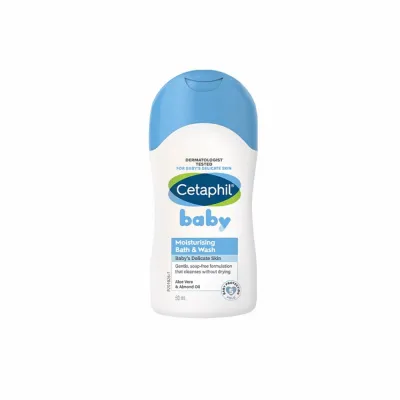
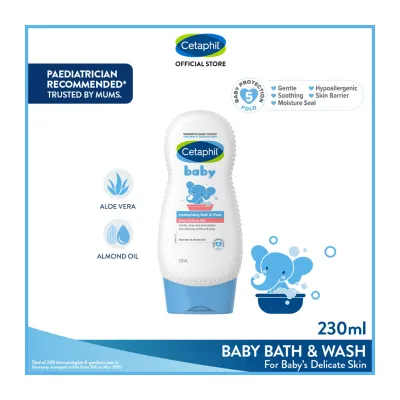
Prices are valid at publication and may change. Please refer to the product page for the latest price.
A cosmetic notification means that the company responsible for placing the product on the local market has declared to the HSA that the product complies with safety standards and does not contain prohibited ingredients. This notification must be submitted before the product can be sold in retail stores or online marketplaces. While this is not an endorsement of efficacy or an absolute safety guarantee by the authority, it ensures that the product is tracked and that the responsible company is accountable for its safety profile.
Parents can independently verify whether a specific variant of Cetaphil Baby Wash has been notified with the HSA. To do this, visit the official HSA website and navigate to the “InfoSearch” portal, specifically the section designated for cosmetic products. In the search field, enter the exact product name, such as “Cetaphil Baby,” or look up the name of the local distributor or importer listed on the product’s packaging. The search results will display the notified product name, the company responsible for the notification, and the validity status.
When purchasing baby wash, always inspect the physical packaging for local compliance details. Legitimate parallel imports or officially distributed products in Singapore should feature clear labeling in English, detailing the importer’s name, address, and contact information. Some products may also display a batch number or manufacturing date. If you purchase a product from an online marketplace and find that the packaging lacks local importer details or is written entirely in a foreign language without translation, it may not have gone through the official HSA notification channel, warranting extra caution.
Evaluating Newborn Safety on the Product Label
Reading and interpreting the manufacturer’s label is the next crucial step in determining if a baby wash is suitable for your newborn. Manufacturers often use terms like “tear-free,” “hypoallergenic,” “paediatrician-tested,” or “dermatologically tested” to reassure parents. While these terms indicate that the product has undergone specific testing protocols to minimize irritation, they are not standardized medical certifications. For instance, “hypoallergenic” simply means the formulation is designed to have a lower risk of causing allergic reactions, but it does not guarantee that no baby will ever react to it.

To truly assess safety, turn the bottle over and examine the ingredient list. A newborn’s skin is highly permeable, meaning it absorbs topical substances more easily than adult skin. Look for formulations that avoid harsh surfactants, such as Sodium Lauryl Sulfate (SLS) or Sodium Laureth Sulfate (SLES), which can strip away natural lipids and dry out the skin. Instead, look for mild, plant-derived cleansing agents. Additionally, synthetic fragrances and artificial colorants are common triggers for contact dermatitis in infants; choosing a fragrance-free or extremely mild, specially formulated baby wash is generally recommended for the first few weeks of life.
Another critical detail to verify is the recommended age range specified by the manufacturer. Not all products labeled “baby” are formulated for day-one newborns. Some washes are designed for older infants or toddlers whose skin barriers are slightly more mature. Look for explicit packaging claims such as “suitable for newborns,” “safe from birth,” or “for newborn skin.” If the label does not clearly state suitability for newborns, or if it contains active botanical extracts that could sensitize delicate skin, it is safer to opt for a simpler, dedicated newborn formulation or stick to plain water baths during the initial weeks.
Safe Bathing Practices and Monitoring for Reactions
Even with a notified and highly rated baby wash, the way you conduct bath time plays a significant role in maintaining your newborn’s skin health. Newborns do not need daily soap baths; bathing them two to three times a week is usually sufficient, as excessive washing can deplete the skin’s natural oils. When you do use a baby wash, ensure the water temperature is lukewarm, ideally between 36°C and 38°C. You can test this with a bath thermometer or the inside of your wrist to ensure it feels comfortably warm, not hot.
Keep bath times short, limiting them to five to ten minutes to prevent the skin from becoming waterlogged and dry. If the baby wash is concentrated, consider diluting a small amount in the bathwater rather than applying it directly to the baby’s skin. Use your bare hands or a very soft, clean washcloth to gently cleanse the baby, avoiding any vigorous scrubbing. Pay close attention to skin folds, such as behind the ears, under the neck, and around the diaper area, where moisture and residue can accumulate.
After the bath, gently pat your baby’s skin dry with a soft towel instead of rubbing. This is the ideal time to monitor their skin for any adverse reactions. Inspect the skin under good lighting for signs of irritation, such as localized redness, dry patches, peeling, flaking, or tiny raised bumps. Additionally, pay attention to your baby’s behavior; unusual fussiness, crying during the bath, or scratching can indicate discomfort or a burning sensation from the product.
If you observe any signs of skin irritation, stop using the product immediately. Rinse the baby’s skin thoroughly with plain, lukewarm water to remove any remaining residue. To soothe mild dryness or redness, you can apply a thin layer of a plain, fragrance-free, hypoallergenic emollient that is specifically formulated for newborns. Keep the skin clean and dry, and avoid introducing any other new skincare products until the irritation has completely resolved.
When to Consult a Paediatrician or Dermatologist
While mild, transient dryness can occur as a newborn’s skin adapts to the extrauterine environment, certain symptoms require professional medical evaluation. If your baby develops a persistent rash, widespread redness, oozing crusts, or rough, scaly patches that do not improve with basic moisturizing, it is time to consult a paediatrician or a pediatric dermatologist. These could be signs of infantile eczema, seborrheic dermatitis (cradle cap), or a localized skin infection that requires targeted medical treatment rather than over-the-counter cosmetic washes.
Special care must be taken with premature babies or infants who have pre-existing medical conditions. Premature infants have an even thinner and more fragile skin barrier than full-term newborns, making them highly susceptible to chemical absorption and skin tearing. If your baby was born prematurely or has been diagnosed with a skin condition, always consult your healthcare provider before introducing any commercial baby wash, lotion, or oil to their routine.
A qualified healthcare professional can provide personalized recommendations based on your baby’s unique skin profile. They can help you identify specific ingredients to avoid and recommend clinical-grade cleansers or therapeutic emollients if necessary. Remember that what works well for one baby may not suit another, and a doctor’s guidance is the safest way to navigate newborn skincare challenges.
Frequently Asked Questions (FAQ)
Can I use Cetaphil Baby Wash on a newborn with eczema?
Infants with eczema-prone skin have a compromised skin barrier that is highly sensitive to environmental triggers and topical products. Standard baby washes, even those formulated for sensitive skin, may contain mild fragrances or ingredients that can exacerbate eczema flare-ups. If your newborn has eczema, it is crucial to look for specialized, ultra-gentle, fragrance-free cleansers that are explicitly labeled as suitable for eczema-prone infant skin. Always consult a paediatrician or dermatologist before introducing any new product to an eczema-prone newborn’s routine to prevent further barrier disruption.
What should I do if my baby gets baby wash in their eyes?
If baby wash accidentally gets into your newborn’s eyes, remain calm to keep your baby from panicking. Gently wipe or flush the eye area using a clean, soft washcloth dampened with lukewarm, clean water, wiping from the inner corner outward. If your baby allows it, you can gently pour a small amount of lukewarm water over their forehead to let it run over the closed eye, helping to flush out any residue. Monitor the eye closely afterward; if you notice persistent redness, swelling, continuous tearing, or if your baby keeps rubbing their eyes and crying inconsolably, seek medical attention promptly.
Community discussion
Share your experience or ask a question. Comments are reviewed before publication.