
Choosing the right tape diaper for your baby often comes down to balancing absorbency, fit, and overall value. While Mummy Poko Air Fit Tape, Huggies, and Pampers are all popular choices among parents in Singapore, their design philosophies and material priorities differ. Because individual baby profiles—such as skin sensitivity, movement levels, and wetness volume—vary greatly, there is no single universal winner. This guide breaks down the observable features, fit indicators, and value metrics of each brand, helping you evaluate which tape diaper best aligns with your baby’s specific needs and your household routine.
To make an informed decision, parents must look beyond marketing slogans and focus on physical construction. Each brand targets a slightly different aspect of diaper performance, from breathability in humid climates to structural integrity during active play. By understanding these core differences, you can avoid the trial-and-error process that often leads to unused packs and unnecessary expenses.
Core Design Differences: Mummy Poko Air Fit vs. Huggies and Pampers
Every major diaper brand approaches baby comfort from a unique engineering perspective. Mummy Poko Air Fit Tape is designed with a strong emphasis on airflow, lightweight materials, and breathability features. The brand prioritizes a soft, ventilated outer cover that aims to reduce heat retention, which is a common concern for parents living in warm, tropical environments. This focus on a lightweight profile makes the diaper feel less bulky even when it begins to fill.
Products mentioned in this guide
![Mamypoko Airfit Japan Tape & Pants [Carton Sales] - NB to XXL sizes](https://img.lazcdn.com/g/p/c0b1edea94375e8da7368b87443b1644.jpg_400x400q80.jpg_.webp)
![[BUY 2 FREE 1] MamyPoko Air Fit Tape Super Premium Baby Diapers NB90/S84 (3 options)](https://img.lazcdn.com/g/p/81d45b88383b034ec89ffe0bd86f900c.jpg_400x400q80.jpg_.webp)
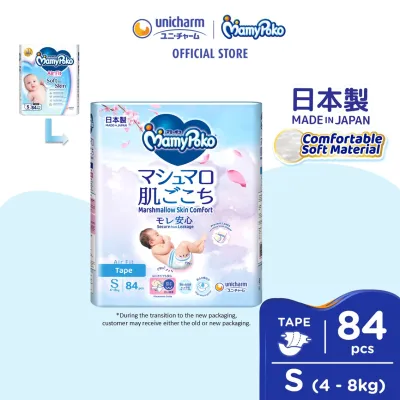
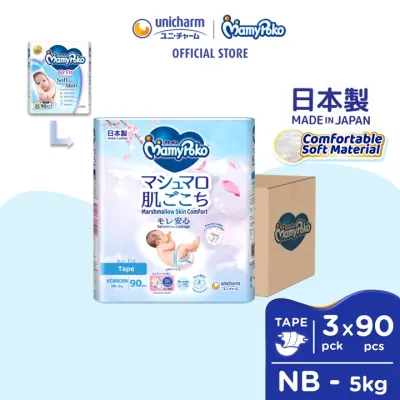
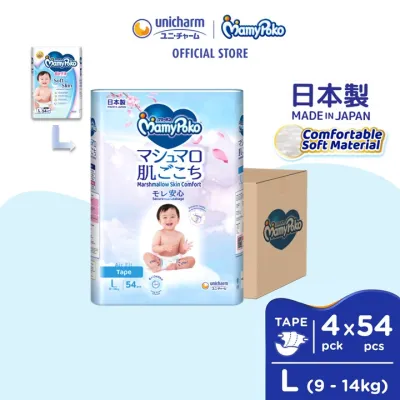
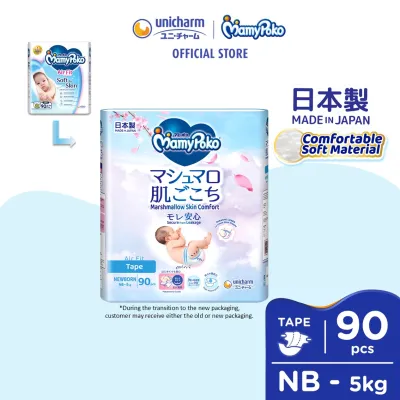
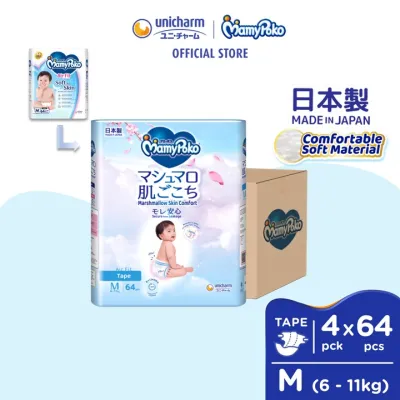
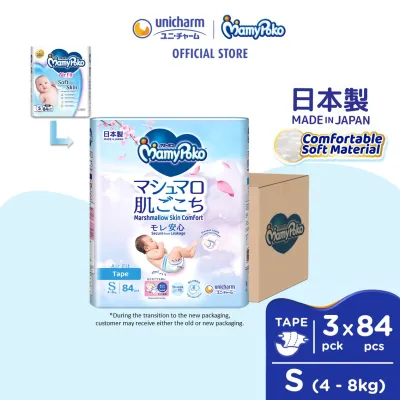
Prices are valid at publication and may change. Please refer to the product page for the latest price.
In contrast, Huggies diapers often focus heavily on structural security and support for active movement. Their designs typically feature robust, stretchy waistbands and secure leg cuffs that hug the baby’s body closely. This snug construction is intended to keep the diaper firmly in place as your baby rolls, crawls, or takes their first steps, reducing the likelihood of shifting during high-energy daytime activities.
Pampers takes a different path by prioritizing a cushion-like inner feel and advanced dryness-lock technology. Their diapers often feature unique inner linings designed to draw wetness rapidly away from the skin and distribute it evenly across the core. This design philosophy aims to maintain a dry surface barrier, minimizing the time moisture stays in direct contact with the baby’s delicate skin.
Because these design philosophies translate directly into physical differences, parents should physically examine the diaper’s texture, thickness, and packaging labels before committing to a bulk purchase. Feeling the inner lining and testing the stretch of the side tapes can give you an immediate sense of how the diaper might perform on your baby. Checking the packaging for specific material listings also helps identify any added lotions or fragrance-free indicators.
How to Evaluate Absorbency and Leak Protection
Absorbency is the primary function of any disposable diaper, but its effectiveness depends on both core capacity and liquid distribution. When testing a new diaper brand, start by checking for practical features like wetness indicators and core distribution channels on the diaper surface. Wetness indicators, which typically change color when exposed to moisture, provide a quick visual cue that helps caregivers avoid premature changes while preventing over-saturation.

To truly assess leak protection, you must monitor leak frequency and core behavior during high-output periods, such as nighttime sleep or long naps. A high-quality core should absorb liquid quickly without allowing it to pool on the surface. Observe whether leaks occur primarily at the back, around the thighs, or through the fabric itself, as the location of a leak often points to either a fit issue or an absorbency limit.
Another key factor is how the diaper handles heavy wetting without excessive sagging, clumping, or losing its structural shape. Some diaper cores use absorbent polymers that expand evenly, while others may bunch up into heavy lumps between the baby’s legs. Clumping not only causes discomfort and restricts movement but can also tear the internal distribution layers, leading to localized leaks.
Establish a clear stopping condition for your trial: if frequent leaks occur despite correct sizing and proper taping, the current brand’s core capacity or shape may not match your baby’s output volume. Every baby has a unique wetting pattern, and a diaper that works perfectly for a side-sleeper might fail for a baby who sleeps on their stomach. If a brand consistently fails to contain wetness after multiple adjustments, it is time to transition to an alternative design.
Assessing Fit, Comfort, and Breathability for Sensitive Skin
A diaper can have excellent absorbency, but if the fit is poor, it will inevitably cause discomfort or skin irritation. To ensure a secure seal without sacrificing comfort, compare the waistband elasticity and leg cuff flexibility of each brand. Look for soft, stretchy gathers that expand naturally with your baby’s tummy after feeding, and ensure the leg cuffs sit gently in the groin crease without digging into the skin.
Visible breathability features are equally crucial, especially in humid climates where trapped moisture can quickly lead to skin issues. Look for micro-pores on the outer cover of the diaper, which allow heat and water vapor to escape while keeping liquid safely contained. A diaper with poor breathability will often feel damp or clammy on the outside, and the baby’s skin may appear flushed or sweaty during changes.
Evaluating the softness of the inner lining is particularly important for newborns or babies with eczema-prone skin. The inner sheet should feel smooth to the touch, with minimal friction when rubbed gently. Some brands incorporate textured patterns or wave-like surfaces to minimize the surface area in direct contact with the skin, which can help reduce friction-induced redness.
Because material compatibility is highly individual, what works for one baby may cause irritation for another. If you notice persistent diaper rash, localized redness, or friction marks that do not fade shortly after a change, advise switching brands or consulting a pediatrician. Do not attempt to resolve severe skin irritation solely by changing diaper brands, as underlying skin conditions may require professional medical guidance.
Calculating True Value and Navigating Sizing Charts
Finding the right diaper also requires a practical approach to household budgeting and inventory management. To determine the true value of a brand, calculate the cost per piece in S$ by dividing the total pack price by the exact diaper count. While a large box may seem expensive upfront, bulk packs purchased from online marketplaces or local baby fairs often offer significantly better unit economics than single packs bought at convenience stores.
When comparing brands, do not rely solely on generic size labels like “Medium” or “Large.” Instead, compare the weight ranges in kilograms (kg) printed on the packaging, keeping in mind that a size Medium in Mummy Poko Air Fit may fit differently than a Medium in Huggies or Pampers due to variations in cut, rise, and elasticity. A baby who is at the upper limit of one brand’s weight range may need to size up, while they might comfortably remain in the same size category in a brand with a more generous cut.
To avoid wasting money on diapers that do not fit, always buy smaller trial packs or request samples before committing to large cartons. Babies grow rapidly, and their body shapes change as they transition from crawling to walking. Testing a small quantity first allows you to observe how the diaper performs during movement and ensures you do not end up with multiple unused packs when your baby suddenly outgrows a size.
Finally, remember to check the manufacturing date and expiration period on bulk purchases to ensure material integrity. Over time, exposure to humidity and temperature fluctuations can degrade the elastic bands, weaken the adhesive tapes, and reduce the effectiveness of the absorbent polymers. Storing your diaper stock in a cool, dry place away from direct sunlight will help maintain its performance throughout its shelf life.
Decision Framework: Choosing the Right Tape Diaper for Your Baby
Selecting the right diaper involves matching the specific design strengths of each brand to your baby’s daily routine and physical profile. If your primary goal is to find a diaper with a lightweight feel, high breathability, and a thinner profile, Mummy Poko Air Fit Tape is a strong candidate. This option is particularly suitable for warm daytime use, outdoor activities, or for babies who tend to sweat easily in tropical climates.
If your baby is highly active, crawling, or pulling themselves up, Huggies may be the more appropriate choice. Its focus on a highly secure, stretchy fit and robust leg guards helps keep the diaper stable during vigorous movement. This snug construction also makes it a reliable option for overnight use, where maintaining a secure seal around the waist and thighs is critical to preventing leaks during sleep position changes.
For babies with easily irritated or highly sensitive skin, Pampers is often favored for its premium, soft, cushion-like inner feel. The focus on rapid moisture absorption and a gentle surface texture helps minimize skin contact with wetness, making it a suitable option for newborns or infants prone to friction-related redness.
Before making your final selection, verify if your baby has any known skin allergies by checking the material composition or consulting the manufacturer’s safety guidelines on the pack. If your baby has a history of reacting to specific adhesives, lotions, or synthetic fibers, reviewing these details beforehand can prevent uncomfortable flare-ups and ensure a safer, more comfortable experience for your little one.
Frequently Asked Questions (FAQ)
Can I mix different tape diaper brands for day and night use?
Yes, mixing different diaper brands is a safe and highly practical approach, provided your baby’s skin tolerates the materials of both brands well. Many parents find success using a lighter, highly breathable option like Mummy Poko Air Fit Tape for frequent daytime changes when the baby is active, and transitioning to a higher-capacity, secure-fit option for uninterrupted overnight sleep. If you choose to mix brands, ensure that both options are correctly sized to your baby’s current weight to maintain a consistent seal and prevent unexpected leaks.
How do I know if the tape diaper size is too small or too large?
To identify if a diaper is too small, look for physical signs such as deep red marks on your baby’s thighs or waist, frequent wetness blowouts, or difficulty fastening the adhesive tapes symmetrically near the center panel. Conversely, signs of a diaper being too large include visible gaping around the leg cuffs, significant sagging even when the diaper is dry, and leaks that occur from the sides rather than being absorbed by the core. Always check the specific weight range in kilograms on the packaging, as your baby may need to size up in one brand while remaining in their current size in another.

Community discussion
Share your experience or ask a question. Comments are reviewed before publication.